
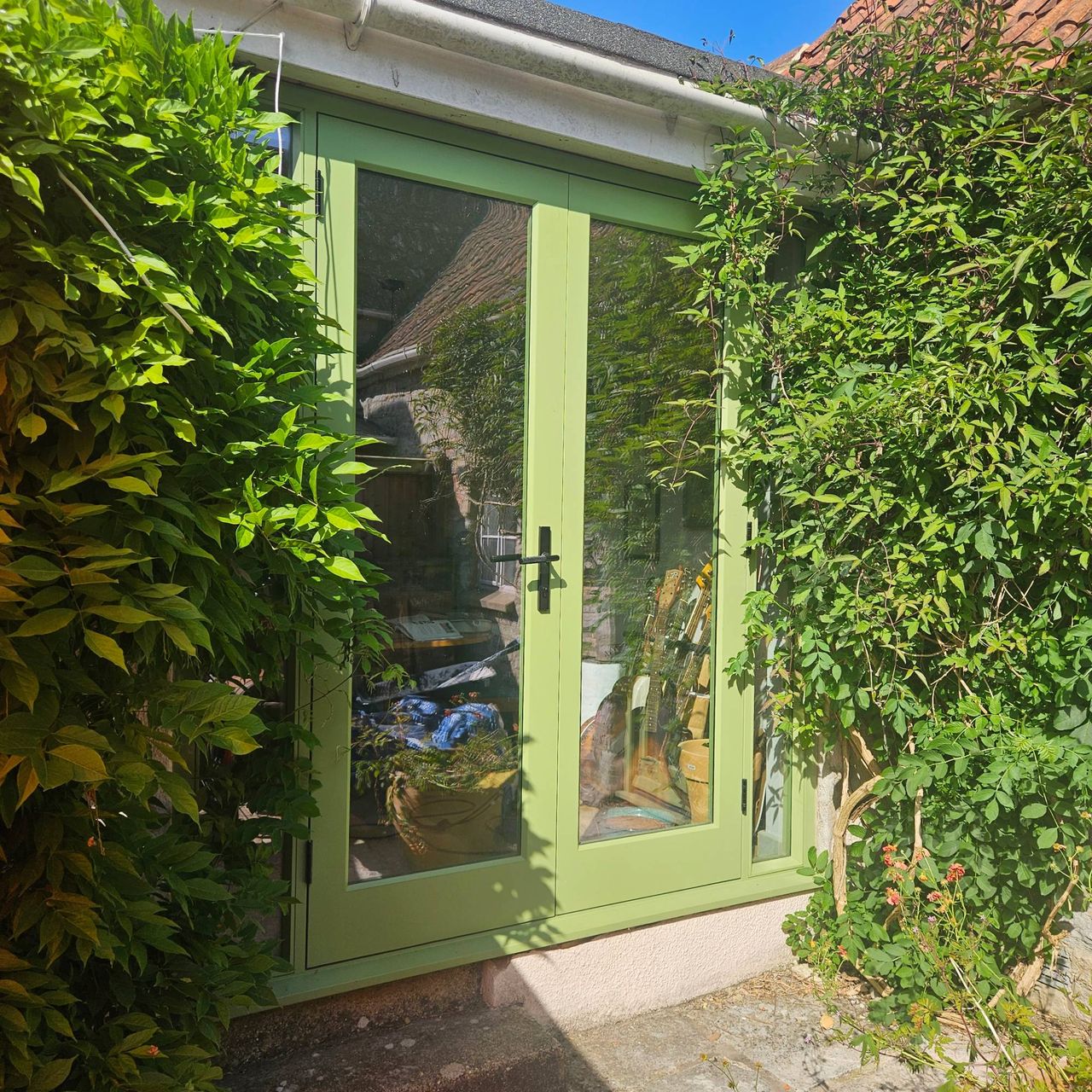
On heatwave days in the UK, I’m never more thankful for my higgeldy-piddeldy mish-mash of a house. Somehow, between the 1700s stone cottage, the single-storey ‘70s extension and our own renovations over the last few years, we have created a space that is ideal for summer weather.
Despite the warm - to put it mildly - days over the last few weeks, the interior of our house always stayed at a fairly pleasant temperature thanks to a few architectural, interior and landscaping design elements. We had a BBQ when it was 37ºC outside and our guests were adamant we were hiding an AC unit somewhere, but really, it was just a simple pillar fan pushing cool air around.
While it’s not perfect, these are our house’s ingenious ways to keep us cool.
1. We have no south-facing windows
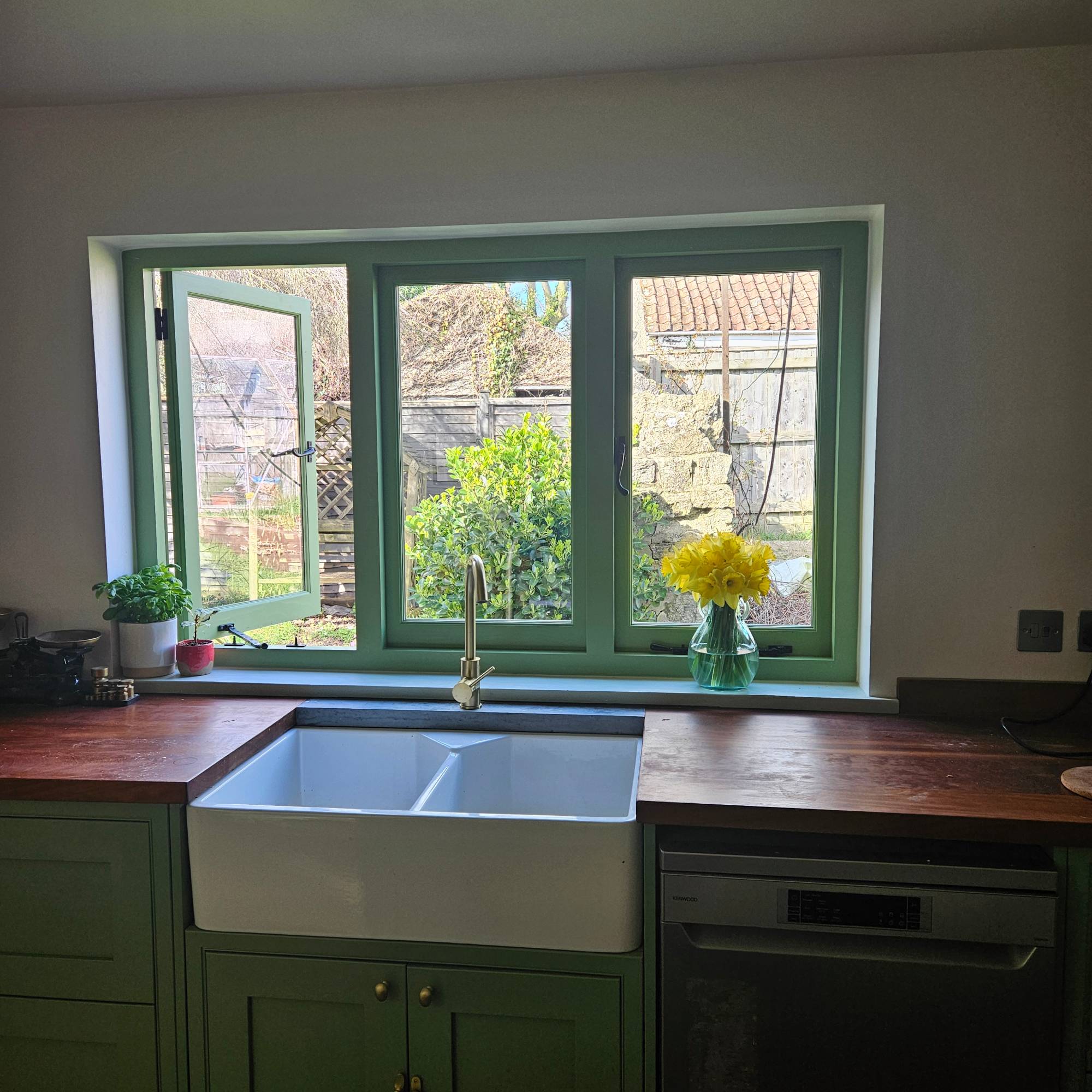
This one we had very little to do with, but it might be something you bear in mind if you’re planning on renovating or building an extension in the future. Our entire house doesn’t have a single south-facing window, meaning throughout the majority of the day we are in shade.
‘Homes with minimal south-facing glass usually tend to be cooler, as larger south or west-facing windows without external shutters or shading can often heat up homes fast,’ explains Chloe Barrow, Interior Expert at Laura James. ‘Because of this, having minimal south-facing glass is great for summer, however we have to appreciate that in our long winters, south-facing glass is great for getting natural light into the home.’
While you can’t reorientate your entire house just for a few days in the summer, reducing the amount of light that penetrates the windows by using strategic window treatments/dressings will be a game-changer.
‘While blinds can look sleek, they often do little to block out heat,’ advises Chloe Barrow. ‘Thin slatted styles especially allow sunlight and warmth to seep in, which quickly raises the internal temperature. In contrast, curtains, especially those with a thermal or blackout lining, can significantly reduce heat from coming in. They create a thicker barrier between your home and the sun’s rays, helping to keep rooms noticeably cooler. During summer, I recommend keeping curtains drawn during the hottest parts of the day to maintain a lower ambient temperature.”
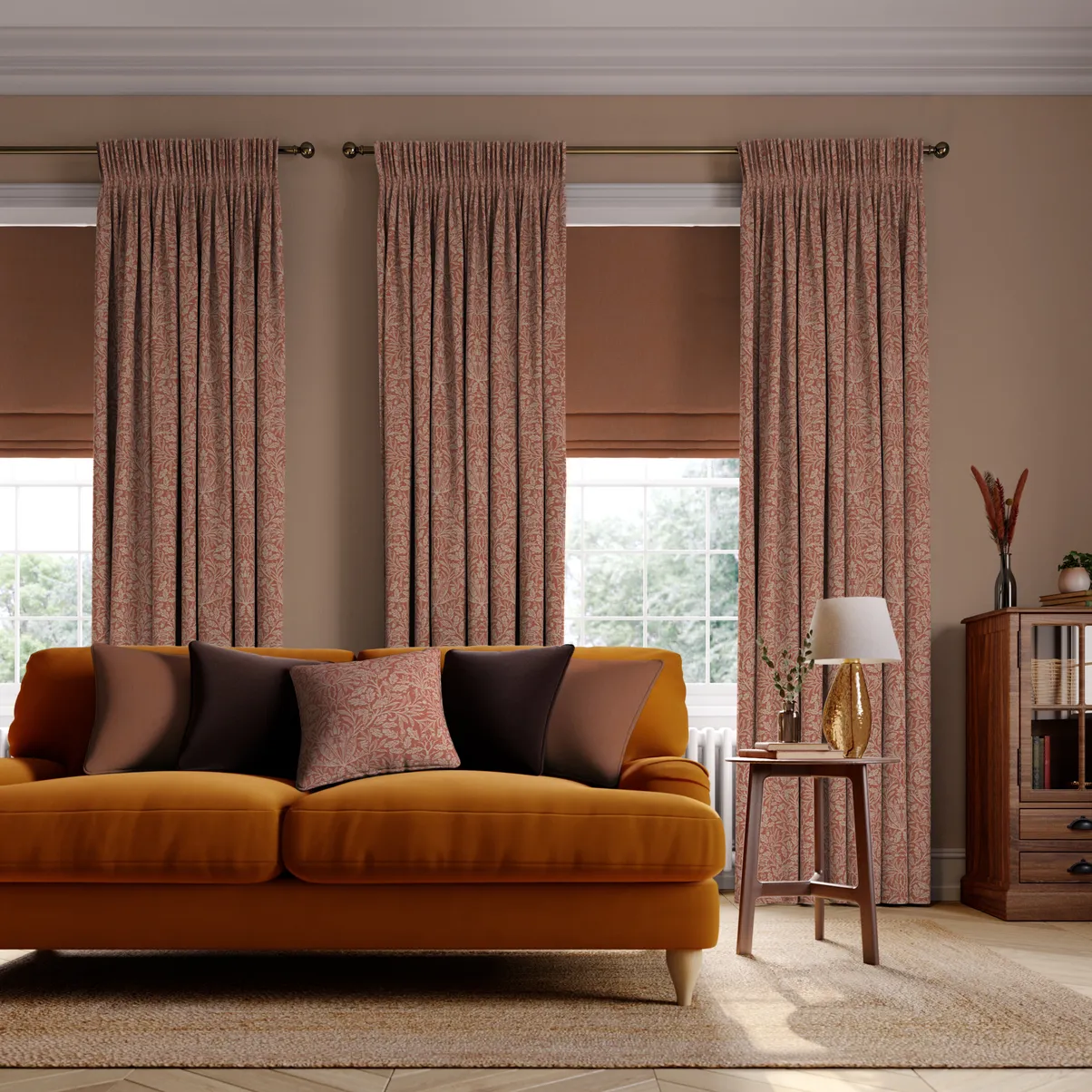
Thermal curtains don't just keep warmth in during the winter, but they're fantastic during the summer to block solar gain from invading your house.
2. We replaced our old windows with low-e glazing
When we replaced our windows they came with a low-e film to meet Building Regulations. Low-e glazing includes a tiny layer of silver-oxide coating which reflects the heat away from the house, instead of allowing it to be refracted indoors. It added a cost to our glazing budget and some people might not like it in winter when their rooms are ever so slightly less bright, but we’ve found them to be non-negotiable.
‘Low-e glazing or simple, calculated roof overhangs stop that energy from crossing the building envelope in the first place, which is much easier than trying to cool a room down after the fact,’ explains Ali Mujtuba.
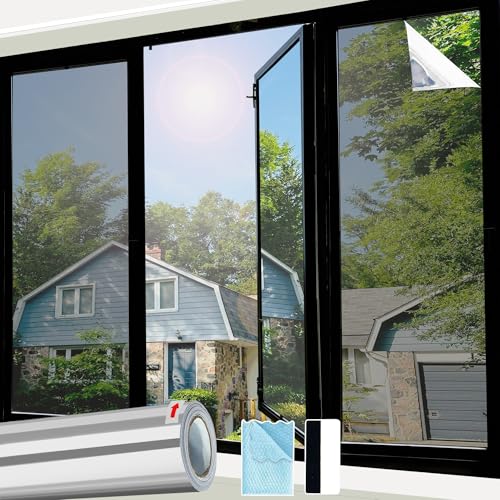
Replacing windows is costly so I’m absolutely not suggesting you do that, but you can buy heat-reflective film that can be added to existing windows to help reduce solar gain.
3. Our layout helps create a through-breeze at night
Anyone who has a warmer house will have sought this bit of advice already - it’s really, really important to keep windows closed during the day in a heatwave, ideally also with the curtains shut. It is only when the external temperature is lower than your internal temperature that you should open your windows.
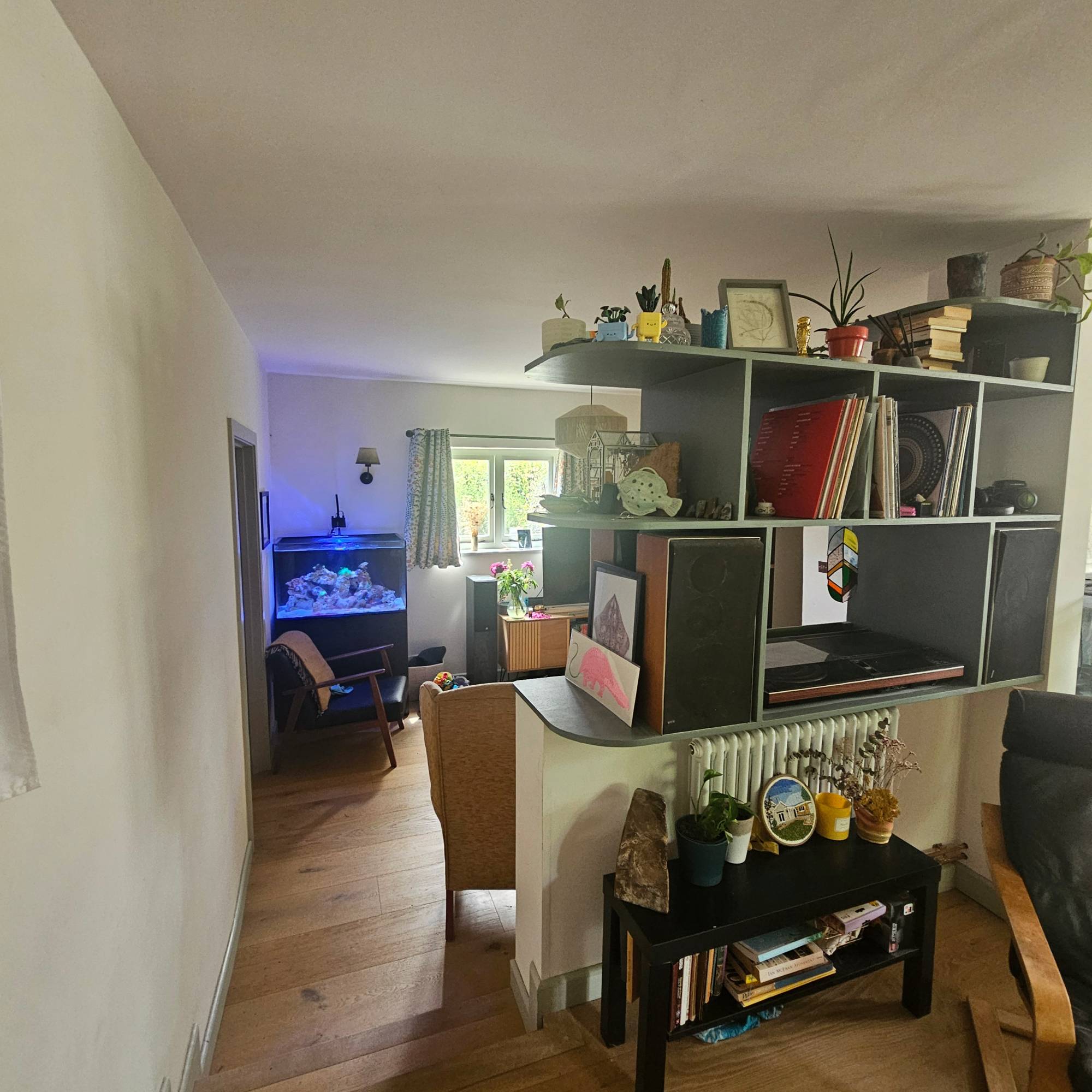
The broken-plan layout of our renovation was completely accidental in how effective the space is at letting a through-breeze circulate at night. The single-storey section allows air to flow through towards the stone section, where we have installed rooflights.
Zaeem Chaudhary, director of AC Design Solution. explains: ‘Hot air rises — a stack effect where cooler air enters low openings and escapes through high-level rooflights passively purges the heat that builds up in your structure throughout the day. ‘Open-plan layouts remove the internal barriers that would otherwise kill that airflow.’
‘Most people don’t realise that placing large furniture pieces too close to walls can actually stifle air circulation,’ suggests Chloe Barrow. ‘Air needs space to move, especially around naturally cooler areas like walls and floors. If your sofa or sideboard is pressed right up against the wall, you’re limiting that airflow and trapping heat in pockets. Even just pulling pieces a few centimetres away can help fresh air move more freely through the space.’
4. We've decorated in pale colours inside and out
The exterior of the house was painted by the old owners in an extremely pale pink that has faded over time to almost a white. While my plan is to eventually repaint this, I’m definitely going to follow their lead as the pale colour will reflect heat better than a darker colour. You’ll see this design being used in continuously hot countries to reduce solar gain.
Our main interior section, including the kitchen, living room and dining area are all painted in an off-white, which feels much cooler than a dark, rich colour palette.
5. We maximise thermal mass
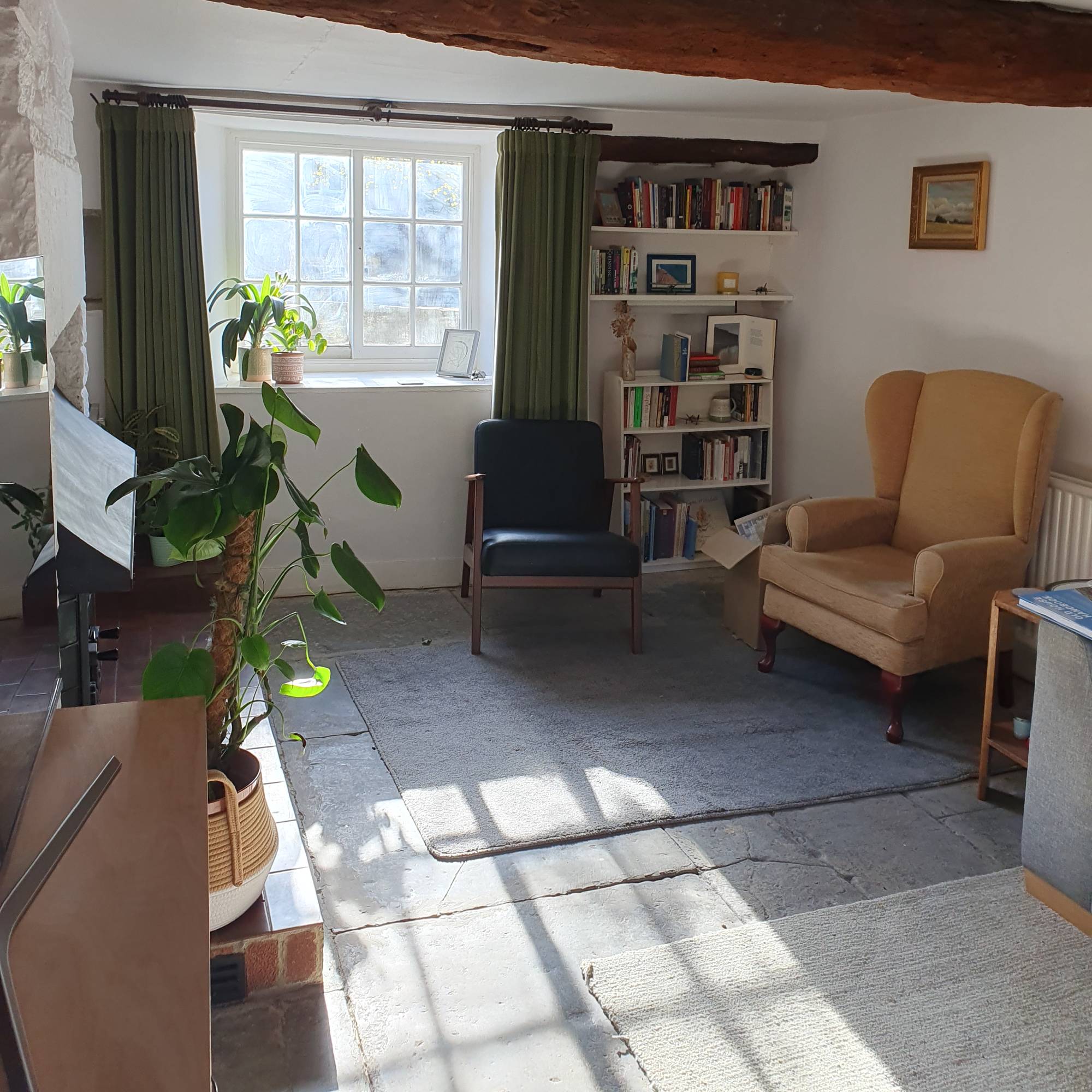
I was adamant we would not have any carpet in this house, including inside the bedrooms. We used engineered wood flooring throughout the main living area and in the two finished bedrooms. In the old section of the house the original flagstones are in place and in the bathroom we have tile. We’re also working on exposing some internal stone walls to expose as much thermal mass as possible.
What is thermal mass?
Thermal mass refers to a materials ability to absorb, store and release heat energy. Materials with a high thermal mass can absorb and store heat during the day and then release it at night (when you can open the windows and allow the heat to escape outside). This can help to keep your home a more consistent temperature.
This is a technique that has been used throughout history. ‘Exposed stone, ceramic tile, or concrete floor slabs act as direct heat sinks,’ advises historical researcher Ali Mijtuba from The Historical Insights. ‘They absorb ambient warmth from the air during peak daylight hours without rapidly raising the temperature of the room. If someone wants to take it a step further, using internal brickwork or unbaked clay plaster can do wonders. These materials absorb the ambient daytime heat load and drop it slowly overnight when the windows are open.'
6. We've embraced natural shading
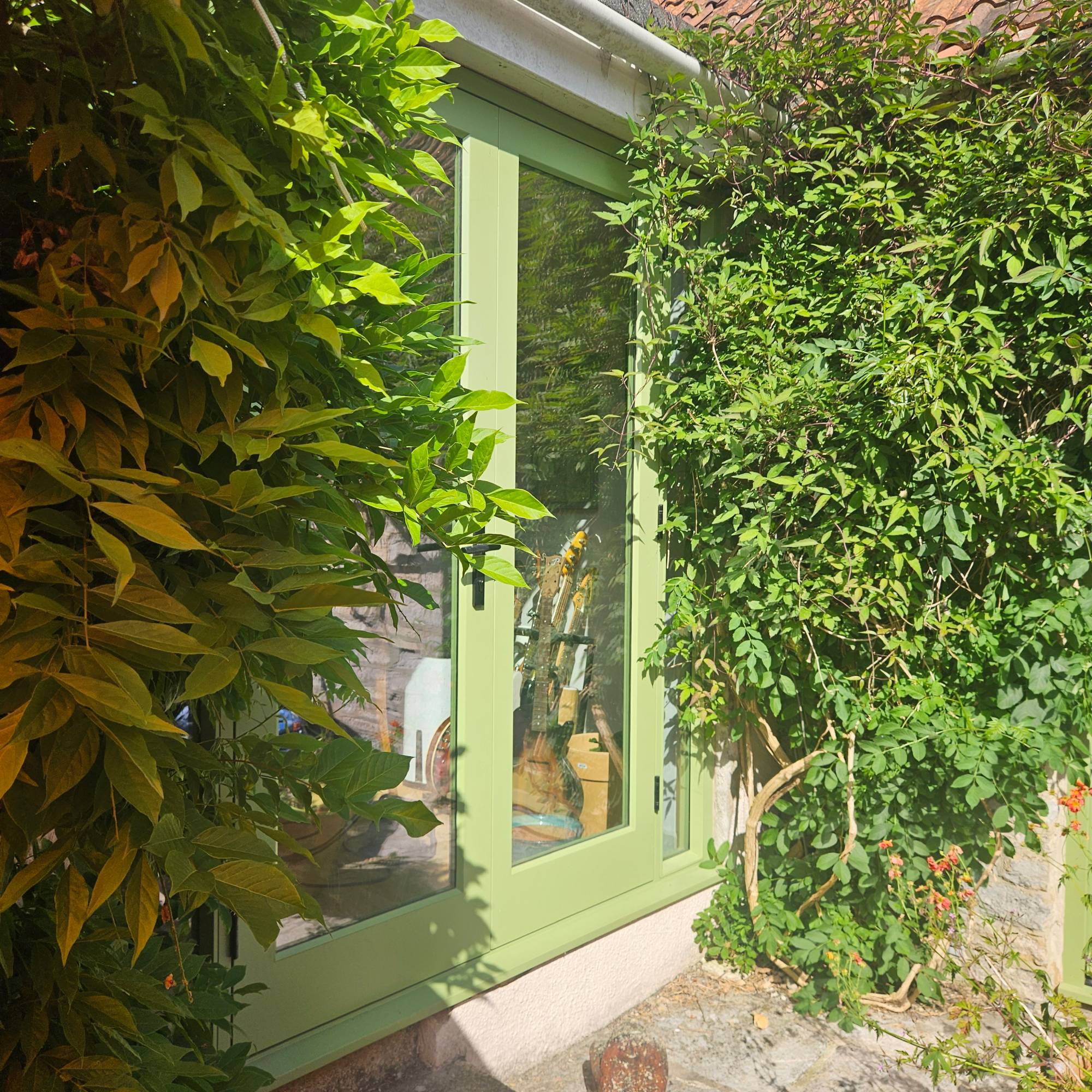
Although I said above that we don’t have any south-facing windows, we do actually have our main patio doors that face west that we installed during our major renovation works two years ago. However, thanks to existing mature planting we are able to keep the glass shaded throughout most of the day, meaning the solar gain from the windows is minimal, if at all.
While our wisteria and clematis are extremely well-established, there are other ways you can utilise garden design and strategic planting to shade your patio doors. Fast-growing climbers, such as jasmine or honeysuckle would bulk out fairly quickly if grown up a trellis or pergola. Potted bamboo that can be moved once the sun has returned for the year is also a fantastic alternative.

If you enjoyed reading this, sign up for the Ideal Home newsletter for all the latest home decor trends and inspiration delivered straight to your inbox