The reopening of the economy in June saw a bounce in people back in the workforce, but more than one million Australians are still working fewer hours or no hours at all, while not being officially counted as unemployed.
The peak of the employment hit was April while businesses were largely closed. In April, 1.8 million people were working fewer hours than usual or zero hours.
In June, the number of "underemployed" was 1.15 million, an improvement of 400,000 since May and 600,000 since April, figures released on Thursday by the Australian Bureau of Statistics show.
Of the underemployed, about 230,000 had no work at all in June and 920,000 worked fewer hours than normal.
On top of that, another 69,000 people joined the unemployment queue, bringing the number of unemployed to 992,300. Most of those were not counted in the labour force in May because they weren't working but weren't officially looking for work.
There are half a million fewer Australians in jobs in June than in June last year - 310,000 fewer in full-time jobs.
On the positive side of the ledger, 211,000 people re-entered the workforce in June. But it was all in part-time work. Full-time employment went backwards. Another 38,000 full-time jobs were lost to the economy, with an extra 249,000 part-time jobs created.
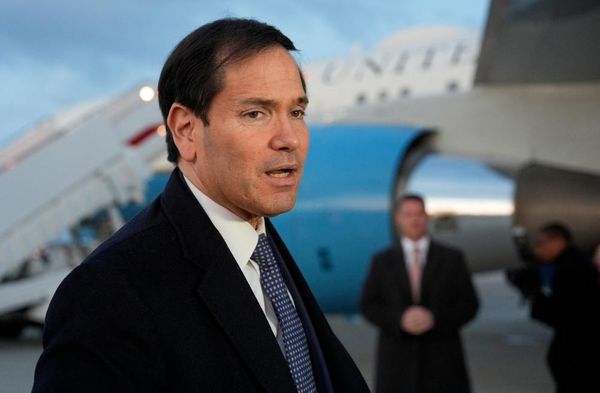
Prime Minister Scott Morrison said the July data would show the impact of the Victorian lockdown, but the June data showed there was hope.
"The Australian economy is fighting back," he said, with people kept in jobs, even with fewer hours.
"Let's lift our heads and keep looking forward," he said.
But Mr Morrison also acknowledged that the Victorian outbreak was worse than hoped and "a big setback".
"The extent of the outbreak in Victoria is beyond what we hoped would have occurred. I think that is fairly self-evident," he said, as Victoria recorded a record daily coronavirus tally of 317 new cases.
"The Victorian situation is very concerning, but ... they are hopeful that what we are seeing is those figures are starting to level out."
The official unemployment rate has increased from 7.1 per cent in May to 7.4 per cent as people start looking or work again, although Mr Morrison acknowledged the underlying unemployment rate was likely to be far higher.
Young people are still far worse off, with an official unemployment rate for 15 to 24 year olds of 16.4 per cent, up from 16.0 per cent in May. But young people still moved back into work faster than others, with 102,000 more 15-24 year olds in work in June than May.
Mr Morrison said Australians should "keep our heads up".
"The lift in participation rate is very welcome, that means more people went back out there, and that's why it's important to keep going forward and not put our heads down and not adopt a defeatist attitude. That's not the Australian way."
The ACT saw the nation's biggest jump in unemployment up from 4.1 per cent in May to 5.1 per cent in June - but still has the lowest unemployment rate in the country, held up by the large public sector workforce. The ACT also had a big jump in the participation rate, indicating the higher unemployment figure is driven by more people back in the workforce looking for a job.

The data comes as Mr Morrison announced his new JobMaker package of money to subsidise apprenticeships and training programs. The government has massively extended its subsidy of apprentice wages, and will now pay half of apprentice wages for businesses with up to 200 staff.
The subsidy, costing $14,000 per apprentice, is expected to help pay 180,00 apprentices and cost the government an extra $1.5 billion.
It comes just a week before Treasurer Josh Frydenberg is due to deliver a mini-budget, setting out stimulus plans beyond September.
Commonwealth Bank economist Gareth Aird said the increase in people in jobs should be seen in the contact that Australia had lost 872,000 jobs in April and May, so it had clawed back just under a quarter of that. It was a lot easier to regain the first quarter of lost jobs than the remaining three quarters - and the job would be made still more difficult by the Victorian shutdown. June had been expected to make the turning point, but the virus resurgence meant the improvement would stall.
More to come