Is the Modi jacket and Nehru jacket the same thing? The terms are increasingly used interchangeably. In retail spaces, the sleeveless band-collar waistcoat is now marketed almost entirely as the 'Modi jacket'. Even fashion commentators have begun referring to it that way.
But whose jacket is it anyway?
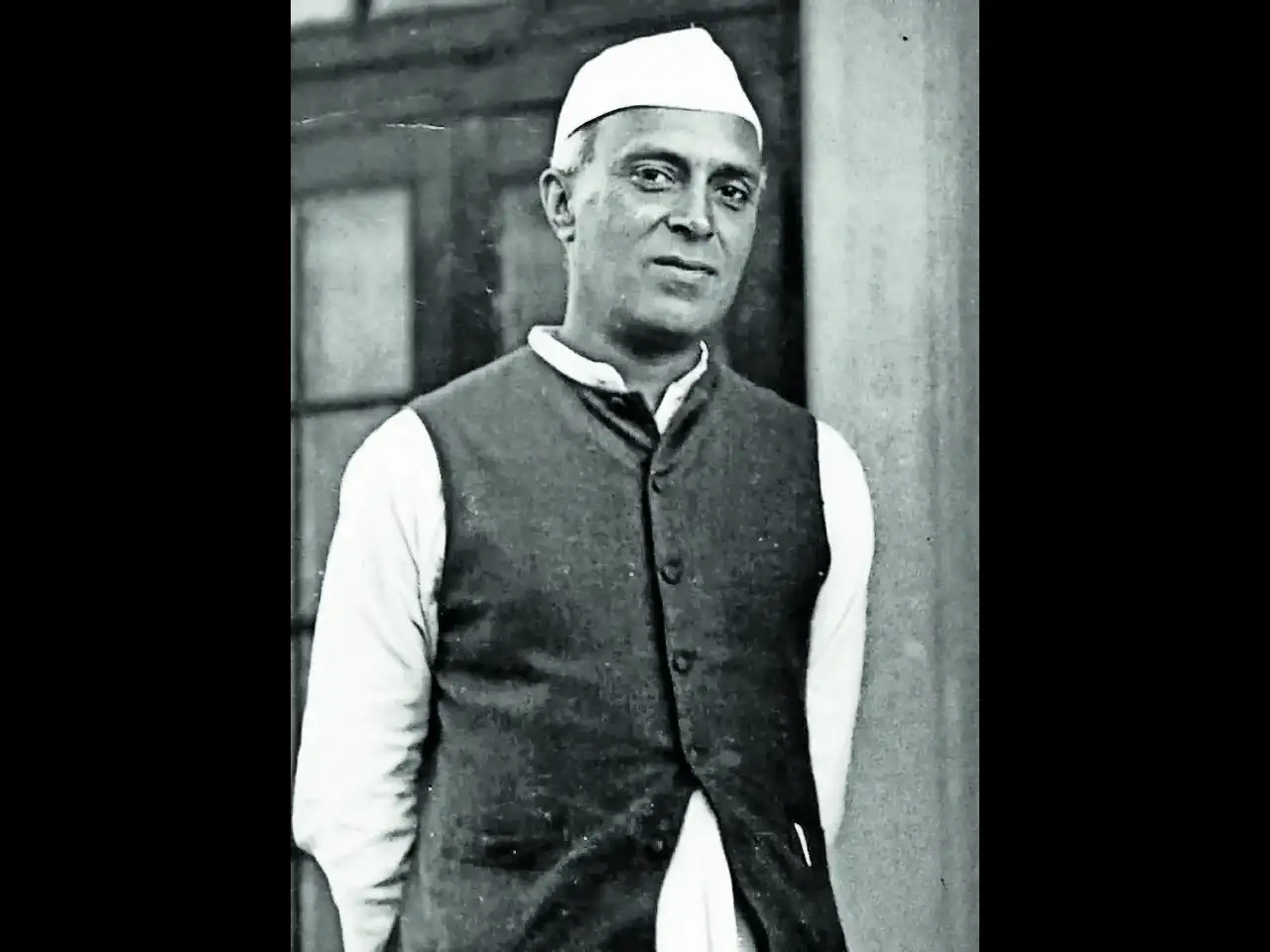
The complication is historical. Jawaharlal Nehru regularly wore both versions. Photographs from the 1940s to the 1960s show him in band-collar waistcoats, nearly identical to what is now marketed as 'Modi jacket'.
Through repetition, colour variation, and occasional contemporary modifications - including versions worn without the traditional neckband - the garment became inseparable from the present prime minister's image. The naming followed the branding. There's no singular moment of design invention here. What changed was visibility. Narendra Modi transformed the sleeveless waistcoat version into a recognisable political emblem.
In fashion, this is not unusual. Association often overtakes authorship. We do not call black turtlenecks Steve Jobs polo necks, even though he made the look globally iconic through repetition and personal branding. Recognition and invention are not always the same thing.
Indian designers have patented versions of ambi print and bandhgala, arguing that design ownership lies in specificity, rather than invention alone. Much like Burberry's iconic checks, which transformed a long-existing pattern vocabulary into a globally recognisable brand signature.
IP law struggles with such distinctions because recognisability and originality rarely move together. A garment can become culturally owned without being structurally new. And that is where fashion becomes even more ethically complicated.
Recent global controversies centred around jhumkas and kolhapuris, where Indian heritage designs were used by global houses without credit, have shown that beyond the legality of copyright lies the question of attribution. Fashion is not only commercially driven. It is also culturally indebted. Integrity and creativity are not naturally separate things. The collapse is often machinery-driven, accelerated by marketing, celebrity and social media.
As Coco Chanel famously observed, 'The opposite of luxury is not poverty but vulgarity.' Today, vulgarity in fashion is not merely excess, but the speed with which hype replaces memory. Visibility now travels so aggressively that public recall often replaces historical origin.
Which is why the 'Modi-Nehru jacket' debate matters beyond clothing. It reveals how modern culture assigns ownership: not always to the originator, but to the person who makes the image impossible to forget.
Before we ask the world to recognise the origins of jhumkas, kolhapuris, mukaish (metal embroidery), or mirrorwork, we should at least be honest about the distinction between invention and visibility within our own fashion vocabulary.
Clothing enters public memory differently from policy. 'Nehru's jacket' became shorthand for post-Independence Indian modernity: austere, diplomatic, and consciously Indian without being traditional costume. Modi's adaptation belongs to a different era of image circulation - television, rallies, social media, and relentless visual repetition. One emerged in the age of nation- and identity-building; the other, in the age of branding.
The confusion also reveals how quickly political branding can overwrite design history. Once commerce, media, and public repetition converge, language itself begins to shift. Retailers rename garments for recognisability. Younger consumers inherit the newer term, and eventually the market starts to behave as though visibility itself were authorship.
Nehru owns the modernised Indian jacket. Modi has many versions of the original, which he wears most of the time. But the design consistency belongs to the former. Nehru shaped the silhouette. Modi branded the variation. History should be able to distinguish between the two.