
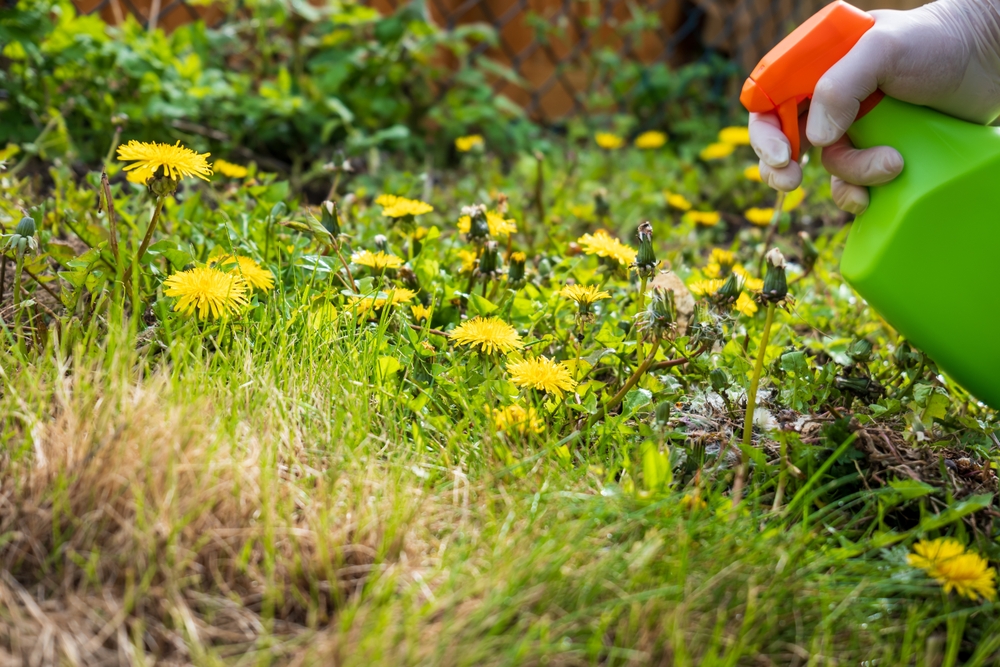
A weed killer can solve one garden headache while quietly creating another. Products containing triclopyr can damage shrubs when gardeners apply too much, spray too close, or ignore how long this herbicide can remain active in soil.
Many gardeners reach for stronger weed control when vines, brush, and stubborn broadleaf weeds start taking over the yard. The trouble begins when a product designed for tough plants reaches the delicate roots and leaves of favorite shrubs. Thankfully, just a little caution can protect roses, hydrangeas, azaleas, and other landscape stars from a very unpleasant surprise.
Triclopyr Packs Power Against Weeds but Requires Careful Handling
Triclopyr belongs to a group of herbicides called synthetic auxins, which means it mimics plant hormones and disrupts normal growth patterns in target weeds. Gardeners often choose triclopyr products because they work well against woody plants, brush, and broadleaf weeds that laugh at ordinary lawn treatments. That same strength can create problems when nearby shrubs accidentally receive a dose. A shrub exposed to triclopyr may develop curled leaves, twisted stems, unusual growth patterns, or distorted new shoots. The damage can look strange enough to make gardeners wonder if pests or diseases moved into the yard overnight.
Triclopyr does not simply disappear after a quick rainstorm, which makes attentive application especially important around established landscaping. The herbicide can remain in soil for months depending on the product formulation, environmental conditions, and application rate. Gardeners sometimes assume a treated area becomes harmless after a few weeks, but that assumption can create trouble when new plants enter the space. Planting sensitive shrubs in treated areas too soon may lead to disappointing results and confused gardeners. Reading the product label before spraying remains one of the smartest moves in the garden shed.
Small Spraying Mistakes Can Create Big Shrub Problems
One of the most common mistakes involves spraying weeds on a breezy afternoon when tiny droplets travel farther than expected. A gust of wind can carry herbicide onto nearby foliage, creating what gardeners call drift damage. Shrubs do not need a heavy coating to show symptoms, especially when they receive repeated accidental exposure. Even a cautious gardener can make a mistake when weeds grow tightly around prized plants. A few minutes of preparation can prevent months of frustration.
Another problem occurs when gardeners apply triclopyr products near the root zones of shrubs without realizing how far those roots spread underground. Roots often extend well beyond the visible branches, searching for water and nutrients throughout the surrounding soil. Pouring or spraying herbicide around weeds near a shrub’s base can expose those hidden roots. Mulched garden beds can make this mistake easier to overlook because the soil surface hides what happens below. Keeping herbicide applications focused only on intended weeds helps protect valuable plants.
Safer Weed Control Habits Keep Landscapes Looking Healthy
Before reaching for triclopyr, gardeners should identify the weed causing trouble and confirm that the product matches the problem. Some weeds require stronger treatments, while others respond well to hand removal, mulching, or targeted methods that avoid chemical exposure. A plant identification guide or local gardening resource can help prevent unnecessary spraying. The goal involves solving a weed problem without creating a shrub problem. Good weed control starts with knowing the enemy.
When triclopyr fits the situation, thorough application makes a major difference. Gardeners should follow label directions, avoid windy conditions, protect nearby plants, and clean equipment properly after use. A dedicated sprayer for herbicides can reduce accidental exposure from leftover residue. Gardeners also should avoid guessing when it comes to mixing rates because stronger solutions do not always mean better results. Patience and precision usually beat the “more must be better” approach that causes many garden mishaps.
A Little Patience Protects Your Garden Investment
Shrubs often represent years of growth, seasonal beauty, and careful maintenance, so protecting them makes good gardening sense. A damaged shrub may recover slowly, especially when herbicide affects new growth patterns. Some plants can bounce back with proper care, while others may struggle after significant exposure. Watering correctly, removing damaged growth when appropriate, and avoiding additional stress can help affected plants recover. Time often reveals whether a shrub can return to normal after accidental herbicide contact.
The best defense against triclopyr problems involves thoughtful planning before the sprayer leaves the garage. Gardeners who understand product labels, application timing, and plant sensitivity can tackle weeds without putting their landscapes at risk. Weed control does not need to feel like a battle between a gardener and the entire backyard. Sometimes the smartest garden move involves slowing down before speeding up with a chemical solution.
Smart Weed Control Starts With Protecting the Plants You Love
Triclopyr can help remove stubborn weeds, but it deserves respect because its power can reach beyond the plants gardeners want to eliminate. The biggest lesson involves using the right product in the right place at the right time. A few extra minutes spent reading instructions can prevent warped leaves, damaged shrubs, and expensive replacements. Garden success often comes from small choices made before problems appear. An attentive gardener does not just remove weeds; they protect the entire landscape.
Has triclopyr or another weed killer ever caused an unexpected surprise in your garden, and what steps helped your plants recover? We want your advice, experience, and stories below in our comments section.
You May Also Like…
The Gardening Habit That Can Reduce Weeds Naturally
9 Gardening Tricks That Can Stretch a Small Budget Further
Why Backyard Gardening Is Becoming a Retirement Hobby Boom
8 Backyard Gardening Mistakes That Quietly Waste Your Money
Pet‑Friendly Gardening: Non‑Toxic Plants and Shady Spots Make Your Yard Safe for Fido
The post Misusing New Weed Killers Can Warp Your Shrubs—Triclopyr Stays in Soil for Months appeared first on Frugal Gardening.