Ministers have been urged to end the “catastrophic cycle” of never-ending prison recalls for inmates trapped under abolished indefinite jail terms.
Politicians, prison experts and campaigners are calling for an MP to sponsor a private members bill to introduce a 56-day fixed recall period for those serving Imprisonment for Public Protection (IPP) jail terms.
The open-ended punishments, which have been linked to almost 100 suicides in prison, have been compared to a “gulag system” for trapping thousands without a release date, including some for minor crimes. Once released, many find themselves trapped in a vicious cycle of recall, often for minor breaches of strict licence conditions.
Unlike most prisoners, who serve a fixed period of 56 days on recall, IPP prisoners are back at square one: in prison without a release date until the Parole Board lets them go. They serve an average of 28 months in jail each time they are recalled, regardless of whether they have committed any further offence.
Figures show that 75 per cent of IPP prisoners hauled back to prison between October and December 2025 were for non-compliance, such as missing a probation appointment or failing to keep in touch, rather than for new crimes.
Campaign group United Group for the Reform of IPP (UNGRIPP) estimates the hair-trigger recall process is costing taxpayers £64.4m each year to detain those returned to prison for non-criminal breaches, based on an average prison cost of £60,000 per person, per year. However the Ministry of Justice has refused to recognise this figure, claiming the data used was not like for like.
Earlier this month, The Independent revealed how a toddler had been ripped from his mother and taken into care after a neighbour called the police over an alleged alcohol-fuelled altercation, which the mother disputes ever happened and has not resulted in any charge.
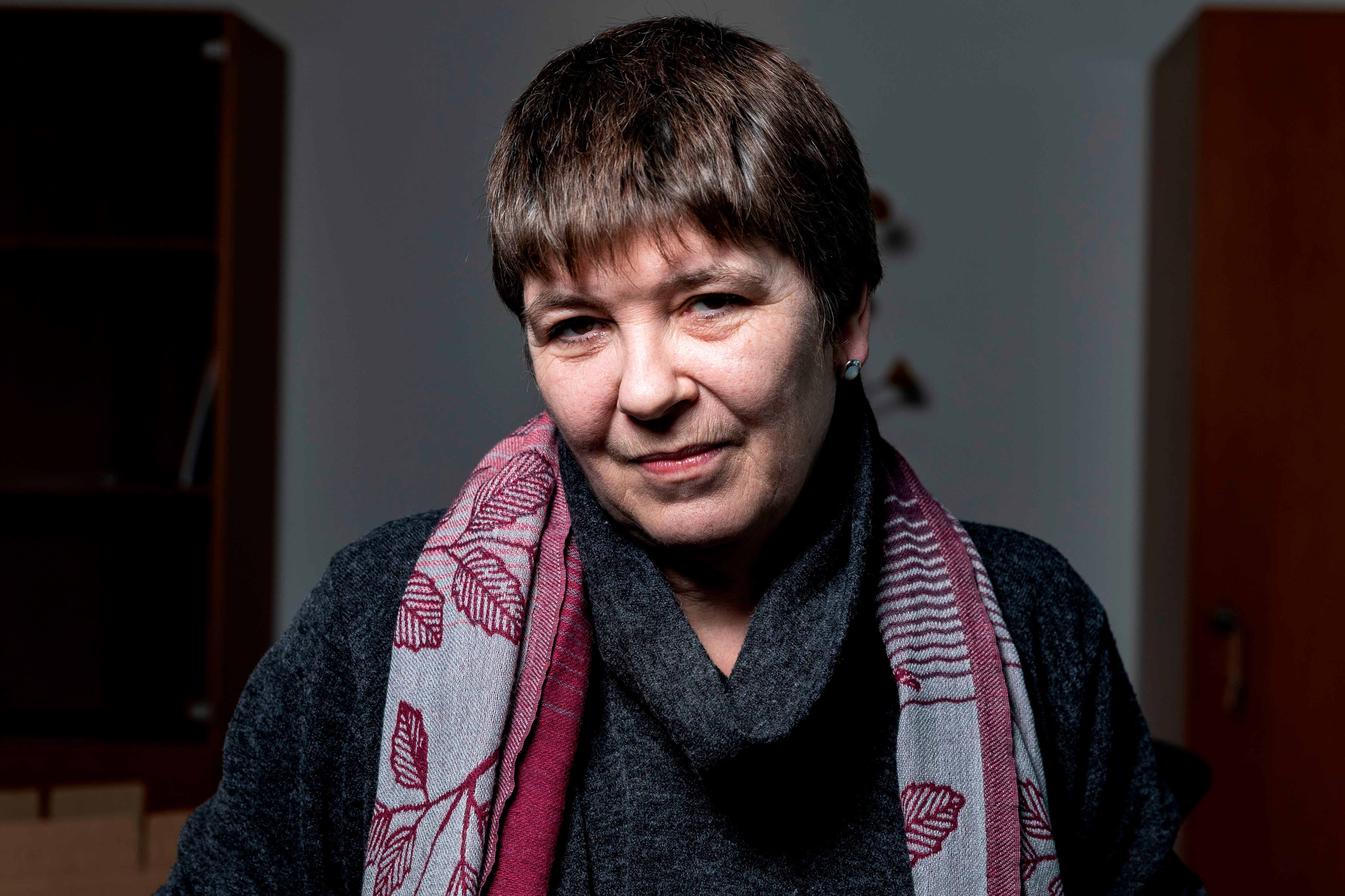
Baroness Claire Fox, a cross party peer, said “if any IPP prisoner just even sniffs in the wrong direction” they are returned to prison indefinitely, adding: “Innocent until proven guilty is completely out of the window.”
She urged MPs who succeed in Thursday’s ballot for the right to bring a private members bill in this Parliamentary session to take up the issue, after she lost the ballot to bring a bill in the House of Lords.
“The main reason why I was very enthusiastic about it and then disappointed not to have a chance to push it is because in all my dealings with IPP prisoners and families recently, recall keeps coming up as a major issue,” she told The Independent.
“Often, recalls are not based on any sense of criminal justice that you would recognise - possibly a missed appointment, sometimes false allegations.
“The problem then is you go back into the system and because you are an IPP prisoner you are then in this Orwellian nightmare where you just can’t get back out again.”
Baroness Fox said there was “no leeway” from overstretched probation workers, who are managing increasing numbers of offenders on licence under early release schemes. She believes they often trigger a recall, without asking any questions, simply to have “one less person on your books”.
Although the number of people under IPP sentences has slowly declined since 2012, when the draconian punishments were scrapped, figures show that IPP recalls as a proportion of those serving them in the community have more than doubled since 2022. The MoJ claims this is likely because a large number of IPP licences were terminated in 2024 under licence period reforms brought in by the Conservative government and those remaining are higher risk.
Meanwhile the number of incidents of self-harm among IPP prisoners returned to jail have surged from 913 in 2022, to 1669 in 2024.
Mark Fairhurst, national chair of the Prison Officers Association, also backed the proposals, saying it is “only fair” that the fixed 56-day recall period - brought in by Labour’s Sentencing Act - applies to IPP prisoners too.
Although the union has a neutral position on the debate around IPP sentences, he said managing prisoners who have lost hope of release puts his officers in a difficult position, adding: “It’s the biggest stain on the criminal justice system we have ever seen.”
He told The Independent: “When they are recalled they feel a sense of injustice.
“It’s really difficult for us on the front line because we know that IPP prisoners really shouldn’t be there, they should be released. But it's not down to us, we just do what the government tells us.”
In 2022, the cross-party justice committee inquiry found the sentences were “irredeemably flawed” and called for all IPP prisoners to be resentenced, but successive governments have refused.
A spokesperson for UNGRIPP said while a resentencing exercise is the only definitive solution, a 56-day fixed recall period is a “vital stepping stone”.
“It is a fair, proportionate measure to safely ease prison overcrowding, stop the bleed of taxpayer funds, and restore hope to families devastated by indefinite detention,” they added.
Richard Garside, of the charity the Centre for Crime and Justice studies, said: "MPs and Peers should be supporting anything that can help to reduce the misery and uncertainty that IPP prisoners face. We know that a lot of IPP prisoners, who have already won their freedom, are being sent back to prison, often on technicalities. Leaving them lost in the system, sometimes for years, trying to win their freedom again, is the very definition of institutional insanity.
"Let's at least put a time limit on the amount of time they can be held in prison before being released again. It would be a small change that would make a big difference to many hundreds of prisoners whose only crime, at this point, is to have been given a sentence that the government agrees should never have been imposed."
A Ministry of Justice spokesperson said: “It is right the IPP sentence was abolished and we work closely with organisations and campaign groups to support those still serving these sentences.
"Recall remains a vital public protection measure, and there is a higher threshold for IPP offenders. There is no evidence IPP offenders are being recalled unnecessarily, which the Chief Inspector confirmed in his independent review of IPP recalls in December 2023.”