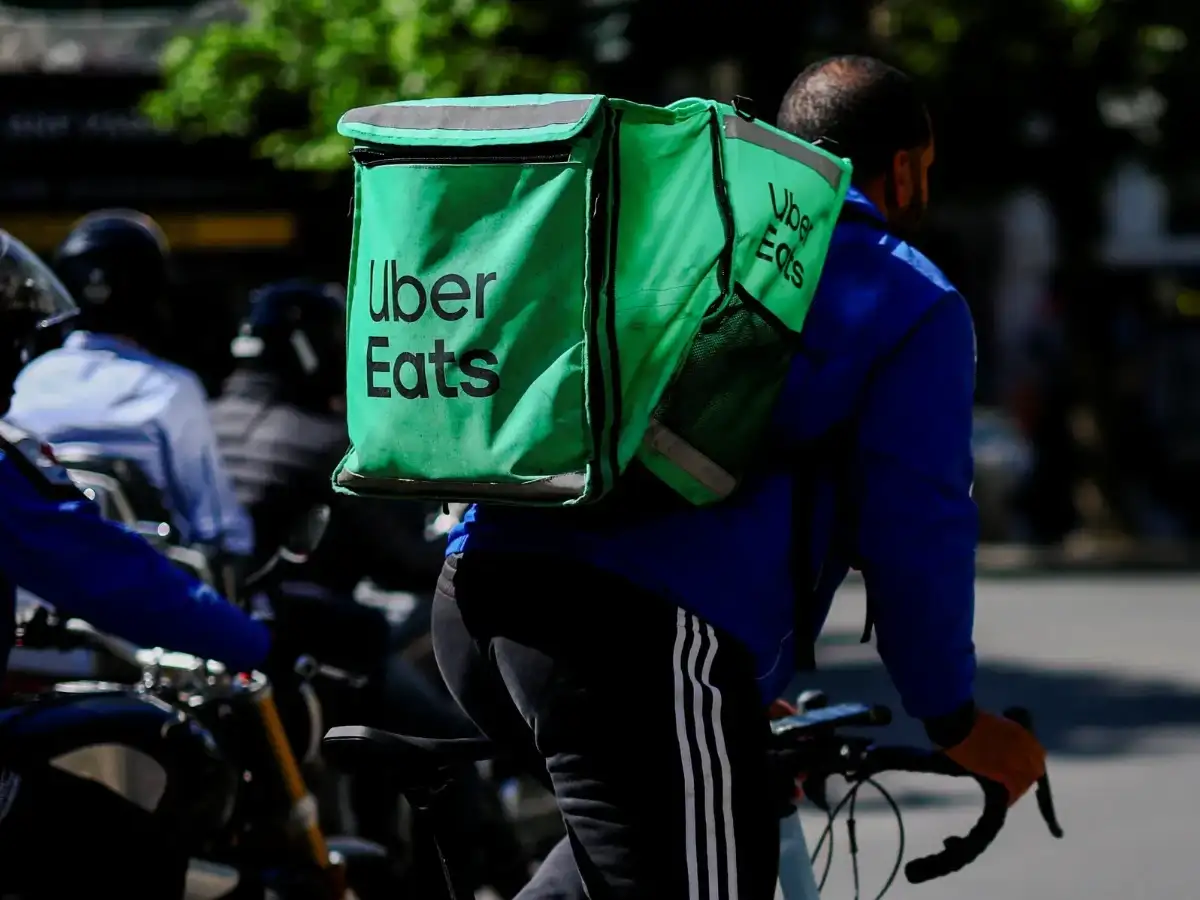
Geneva: The International Labour Organization begins its final round of talks on Monday on the first binding employment standards for platforms offering services such as ride-hailing, food delivery and e-commerce.
A central sticking point is whether protections such as the minimum wage and benefits such as healthcare, sick leave and social security should apply to all workers on these platforms, or depend on whether they are employees or self-employed.
The talks will also address transparency in automated management, including how algorithmic systems determine pay, allocate work and assess performance.
Members of the ILO, which started preliminary talks over the employment of so-called platform workers last year, plan to agree binding rules and recommendations by the end of next week.
Any outcome at the U.N. agency, which promotes international labour rights, must be agreed by governments, employers and workers within the ILO system. DIFFERENT APPROACHES FAVOURED
Negotiations are expected to be difficult, and some members could attempt to water down wording.
The U.S., China, Argentina and India favour a less prescriptive approach, while the European Union, Brazil and Mexico support stronger protections, said Lena Simet, senior advisor on economic justice at Human Rights Watch.
Rights groups and trade unions say the widespread classification of workers as independent contractors allows companies to sidestep minimum wage requirements and obligations such as healthcare, sick leave and social security contributions.
"There is a serious problem with transparency and accountability around how algorithms are used to determine pay and performance," said Simet.
The International Organisation of Employers, which represents about 50 million companies worldwide, has said any framework should remain flexible, allowing countries to adapt rules to national circumstances.
Ride-hailing app company Uber echoed that view.
"It should enable countries to provide meaningful protections while preserving the flexibility, choice, and independence that many workers value," an Uber spokesperson said.
The International Trade Union Confederation, the main global organisation representing workers, is calling for a strong, binding convention. "Technological innovation cannot be used as an excuse to weaken democratic labour rights," its General Secretary Luc Triangle told Reuters.