For someone who navigates global credit markets and geopolitical uncertainties every day, finding moments of clarity away from the trading desk is essential.
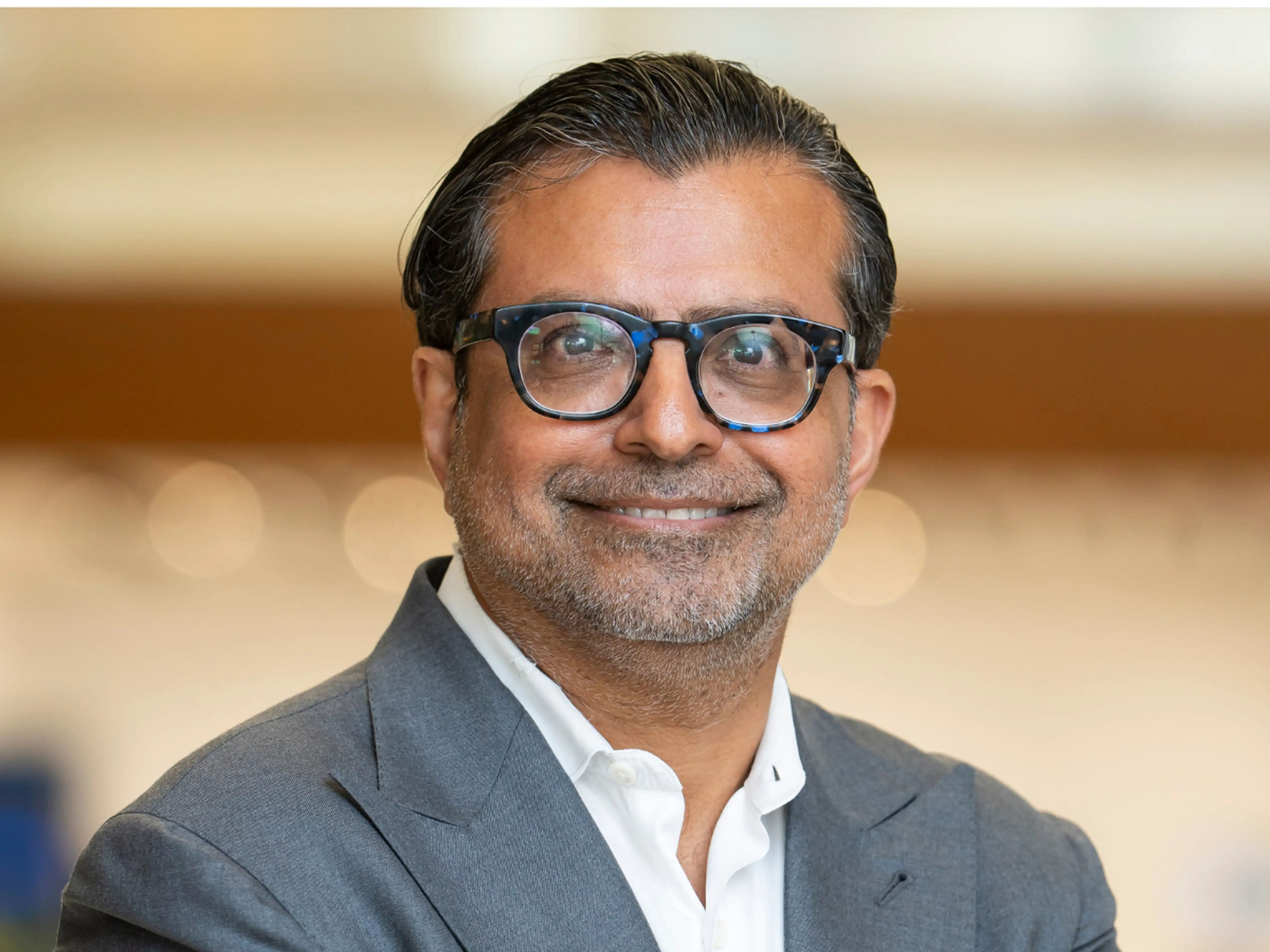
For Mickey Bhatia, Global Head of Spread Products at Citi, that clarity comes not from screens or spreadsheets but from long walks, early mornings, and time spent away from the constant buzz of financial markets.
In this edition of Mind Over Money, Bhatia shares how a disciplined routine helps him stay mentally resilient through volatile market cycles, why he considers long walks his form of meditation, and how stepping away from tactical decisions enables more strategic thinking.
He also talks about the value of reading beyond finance, lessons from The Geek Way by Andrew McAfee, his passion for sports ranging from field hockey to Formula One, and why maintaining calm and routine is the best antidote to market stress. Edited Excerpts –
Kshitij Anand: Let us start with the basic question that I always have. How do you keep yourself mentally fit? You have seen all the market cycles, you have seen pressure situations, and you have seen wars as well. Tell me, how do you keep yourself mentally fit in tough situations?
Mickey Bhatia: I think it is about spending time away from work. You could still be thinking about work, but not very tactically—more strategically. It is also about doing things like pursuing hobbies, spending time with friends, and, for me, exercising and going for walks. So, I would say that better physical fitness leads to a better mental reset, so to speak.
Kshitij Anand: In fact, you mentioned that you get up quite early in the morning, around 4:00–4:30. Is that New York time that you are talking about or Indian Standard Time?
Mickey Bhatia:Kshitij Anand: And how does it really help you in your professional journey? Does it keep your mind fresh? How exactly does it help you?
Mickey Bhatia:Kshitij Anand: You also mentioned that long walks are like meditation for you. How does that really help calm your mind?
Mickey Bhatia:Kshitij Anand: In fact, earlier in the conversation, you said that when you go for these walks, it gives you time, and that is when you strategize. So, how did that evolve? Is it because when you are away from the desk, that is when the best ideas come to you?
Mickey Bhatia:Kshitij Anand: You said that you are also an avid reader. Is there any book that you would like to recommend to our viewers?
Mickey BhatiaKshitij Anand: There is enough finance in life, so...
Mickey Bhatia:Kshitij Anand: Not really going there.
Mickey Bhatia:I think what the book did was that the author studied the culture of these firms. Before I read the book, my impression—and perhaps that of many others—was that it was a Wild West-style, highly innovative culture with no method to the madness. But what the author actually did was lay out the different elements of the culture and the commonalities shared by all these firms.
As a result, in hindsight, after reading the book, what the author found—and what I also realized—is that it is not an accident that they became so powerful and so big. It is essentially because of a culture that is very dynamic. I think he mentioned four things: science, speed, openness, and ownership.
So, it is all data-driven. There is no political decision-making or rigid hierarchy. You give ownership to employees, let them question everything, and then iterate very rapidly. If things fail, that is okay, but then you fix them and move on very quickly. I think it is very important. I read the book some time back, but in this age of AI, I think it is even more relevant when we look at what different businesses have to do to adapt to the changes that are coming.
Kshitij Anand: So, apart from reading and working, you also have an interest in sports. I think you are a man of different genres. How did you get attracted to that? In fact, you also like Formula One, which is such a fast-paced sport.
Mickey Bhatia: Yes, so I was always...
Kshitij Anand: ...a sport where every second counts...
Mickey Bhatia:I think the good thing about sports is that it is a common interest I share with many of my friends. So, there is also a strong social aspect to it. I also try to get into new sports and learn about them. Formula One was something I picked up a couple of years ago, when it first became bigger and more popular in the US. Similarly, I went to watch a rugby game a few years ago, and that is when I started following it. So, it is a way to stay entertained, but it also has a social aspect with friends.
Kshitij Anand: So, imagine a situation where something big has happened at your desk in the geopolitical environment, and naturally it raises your stress level. What is the first thing that you would probably do to calm yourself down?
Mickey Bhatia: I would say experience, or the number of years you have gone through these volatile periods, helps and trains you. I am sure that when I was first starting out, those volatile periods stressed me much more than they do now.
I think the important thing is to keep your routine intact, even when things are volatile. That is what I have found works best. These situations will come and go, whether it is tariff-related uncertainty, geopolitical issues, or, obviously, the war right now. These things happen, but I think it is key to maintain your schedule and your calmness. That, I believe, helps you get through such periods.
(Disclaimer: Recommendations, suggestions, views, and opinions given by experts are their own. These do not represent the views of the Economic Times)