A framework agreement between the U.S. and Iran on terms to end their war and reopen the Strait of Hormuz sent oil prices tumbling, as traders anticipated the return of flows.
But industry officials say a full return to pre-war production and refining levels is likely to take weeks, months or even years.
The following explores the main energy implications of the tentative deal.
WHAT DOES THE DEAL CHANGE IMMEDIATELY?
U.S. President Donald Trump said the Strait of Hormuz, a major shipping route for global oil and gas supplies that Iran has effectively shut down for months, would open on Friday, and that he had ordered the end of a U.S. blockade of Iranian ports.
Iran's deputy foreign minister, Kazem Gharibabadi, said a more expansive agreement on the wider conflict would be negotiated during a 60-day ceasefire period, including sanctions relief for Iran.
HOW FAST CAN OIL PRODUCTION RESUME?
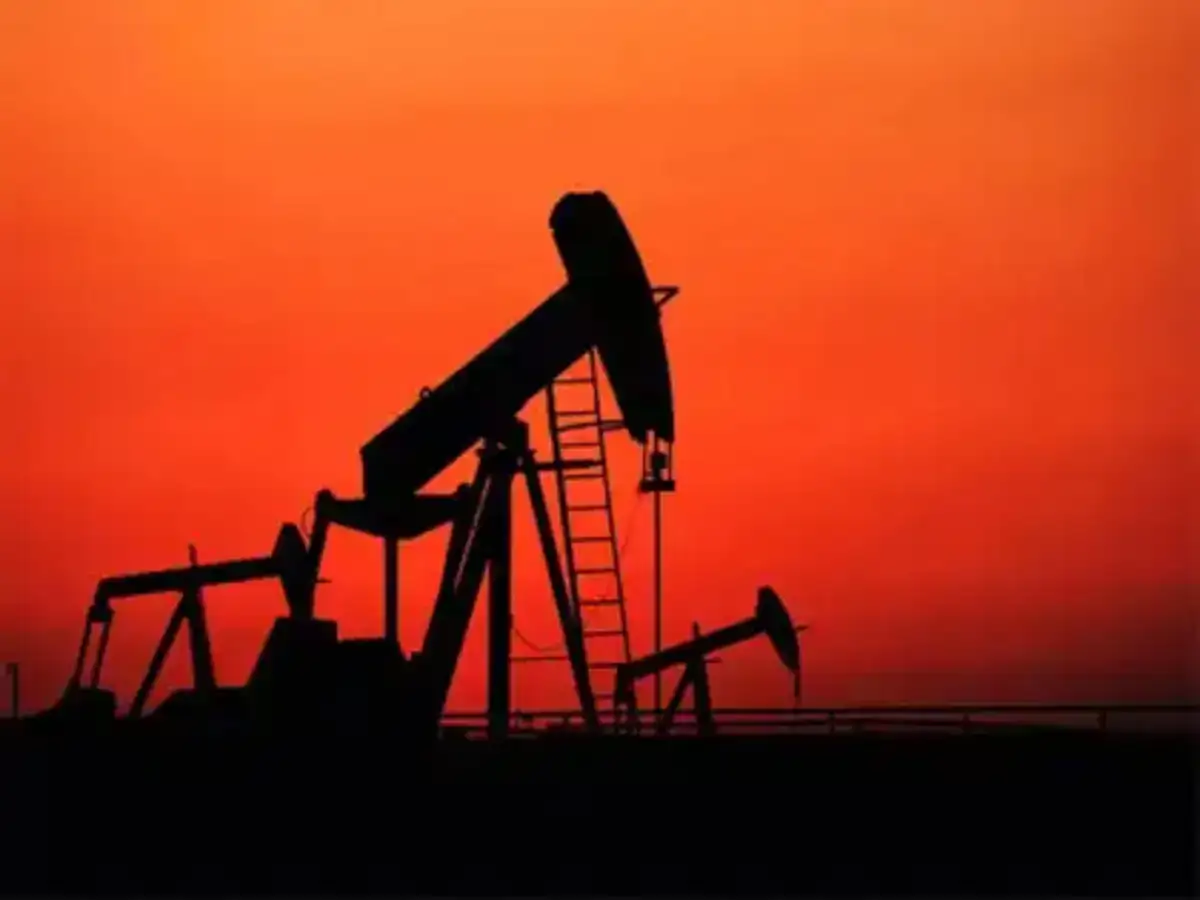
Middle East producers including Iraq, Kuwait, Saudi Arabia and the United Arab Emirates shut down millions of barrels per day of crude oil output due to the effective closure of the Strait.
The International Energy Agency's most recent report says that more than 14 million barrels per day of oil output is shut, or about 14% of world demand.
Some production such as in Iraq can resume in less than a week of a decision to restart, an official familiar with the matter said. Other fields will take much longer.
"Assuming operators choose a measured and controlled ramp-up, our analysis suggests the fields affected by the Strait's closure could get back to 70% of prior production within three months and to 90% within six months. The last 1 million bpd or so will take considerably longer," analysts at Wood Mackenzie said.
WHY ARE OIL REFINERIES A BOTTLENECK?
The Iran war had shut as much as 3.52 million barrels per day of refining capacity as of May 7, according to industry monitor IIR, about 3.5% of the global total, with some plants damaged.
Returning plants that were simply shut as a precaution will take a couple of weeks, analysts say, but repairing damaged sites will take longer.
Gulf refineries could reach about 90% to 95% of capacity within 40 to 60 days, Vitol Bahrain's head of research, Bader Nooruddin, said earlier this month.
The Middle East's total repair spending is likely to average around $46 billion, with refining and petrochemical assets accounting for the largest share due to their complexity and extent of damage, according to Rystad Energy.
WHAT ABOUT GAS, INCLUDING LNG?
Early in the conflict, major liquefied natural gas facilities such as those in Qatar halted output or curtailed operations following attacks.
Once a restart decision is taken, it will take around two weeks to turn gas into a super-chilled fuel and reach full capacity.
In the liquefaction process - which turns gas into a liquid state by cooling it down to approximately minus 162 degrees Celsius (minus 260 degrees Fahrenheit) - the cooldown is the most critical step. It is intentionally slow to avoid thermal shock. The LNG production trains, or processing lines that turn the gas into liquid form, cannot all restart simultaneously; they must be sequenced.
Qatar Energy has kept three trains operating during the war to meet demand from Kuwait and Bahrain.
Returning to full capacity will take years. QatarEnergy's CEO said Iranian attacks had wiped out 17% of Qatar's LNG capacity for up to five years.
OIL INVENTORY REBUILD TO BE PROLONGED
As a result of the supply disruption, the world's oil stocks are dwindling and a return to normal levels will be prolonged, possibly taking years.
Stockpiles in the world's largest economies are headed toward their lowest levels since at least 2003, squeezed at a record pace due to the lost Gulf output, according to the U.S. Energy Information Administration.
"It will take several months to fully normalise flows, and we estimate that global oil inventories have shrunk by more than 1 billion barrels since the start of the conflict," said Paul Gooden, head of natural resources at investment manager Ninety One. One billion barrels would be worth over $83 billion at today's prices.
"Oil markets will therefore likely suffer a 'hangover' for several years as governments seek to rebuild inventories and to insulate themselves from further geopolitical shocks."