Welcome to our coverage of Microsoft Build 2026 - we were on the ground in San Francisco covering the show.
The event featured a keynote hosted by Microsoft CEO Satya Nadella, who unveiled featured a whole host of news, and a number of special guests including Nvidia Jensen Huang, OpenClaw creator Peter Steinberger, and EDM icons the Chainsmokers - you can follow our coverage as it happened below.
- Is this 'the next computer'? Microsoft’s Project Solara looks to break AI out of the PC and into the real world
- 'A new approach': Microsoft CEO claims its "AI Superfactory" will use the same amount of water each year as a neighborhood restaurant
- ‘We need an AI that places humanity first’: Microsoft AI CEO outlines hopes to build “humanist superintelligence” - and has seven new models to help him do it
- “AI is now useful”: Nvidia CEO Jensen Huang thinks a new era for AI is here - and its partnership with Microsoft could be key for achieving it
- 'A new category of agents': Microsoft reveals Scout, its first "Autopilot", which wants to change how you work for good
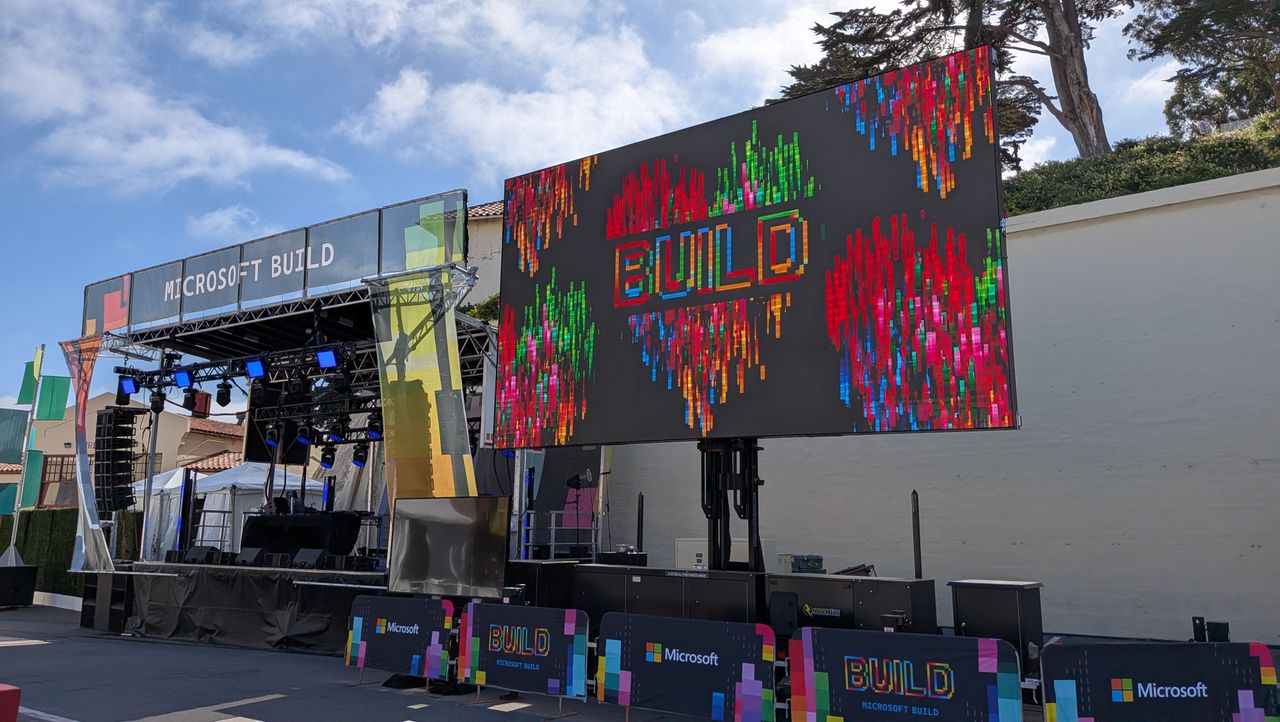
We're here on the ground in San Francisco for Microsoft Build 2026!
It's been a beautiful sunny weekend here in California, and we're all set for a packed few days, kicking off tomorrow with the opening keynote.
We're going to make sure we're well rested ahead of the kick-off, so check back here tomorrow morning Pacific Time for all the news as it happens.
In the meantime, we've taken a look at some of the most exciting things to expect and see at Microsoft Build 2026 - so take a look at the below to whet your appetite...
- 16 years of Microsoft Build: A timeline of key announcements, panels, and sessions
- Windows 12 at Build 2026: What to expect
- 10 products that launched at Microsoft Build — and what happened to them
- 10 free Microsoft Build sessions you should absolutely attend to see AI's future
- Could Microsoft kill the web browser at Build? Everything developers need to know about the NLWeb Protocol
- 50 Microsoft tools you can use for free just in time for Build 2026
- From code-first to intent-first: Microsoft Build 2026 could be the end of programming as we know it
Good morning from San Francisco! Things have gotten a bit cloudy here, but we're grabbing some breakfast then heading over to Fort Mason for day one of Microsoft Build 2026.
We're in and seated for the keynote! The event is extremely busy, as we're down at the Fort Mason center in the Presidio, rather than the typical Moscone Center (which is booked out by another software giant this week).
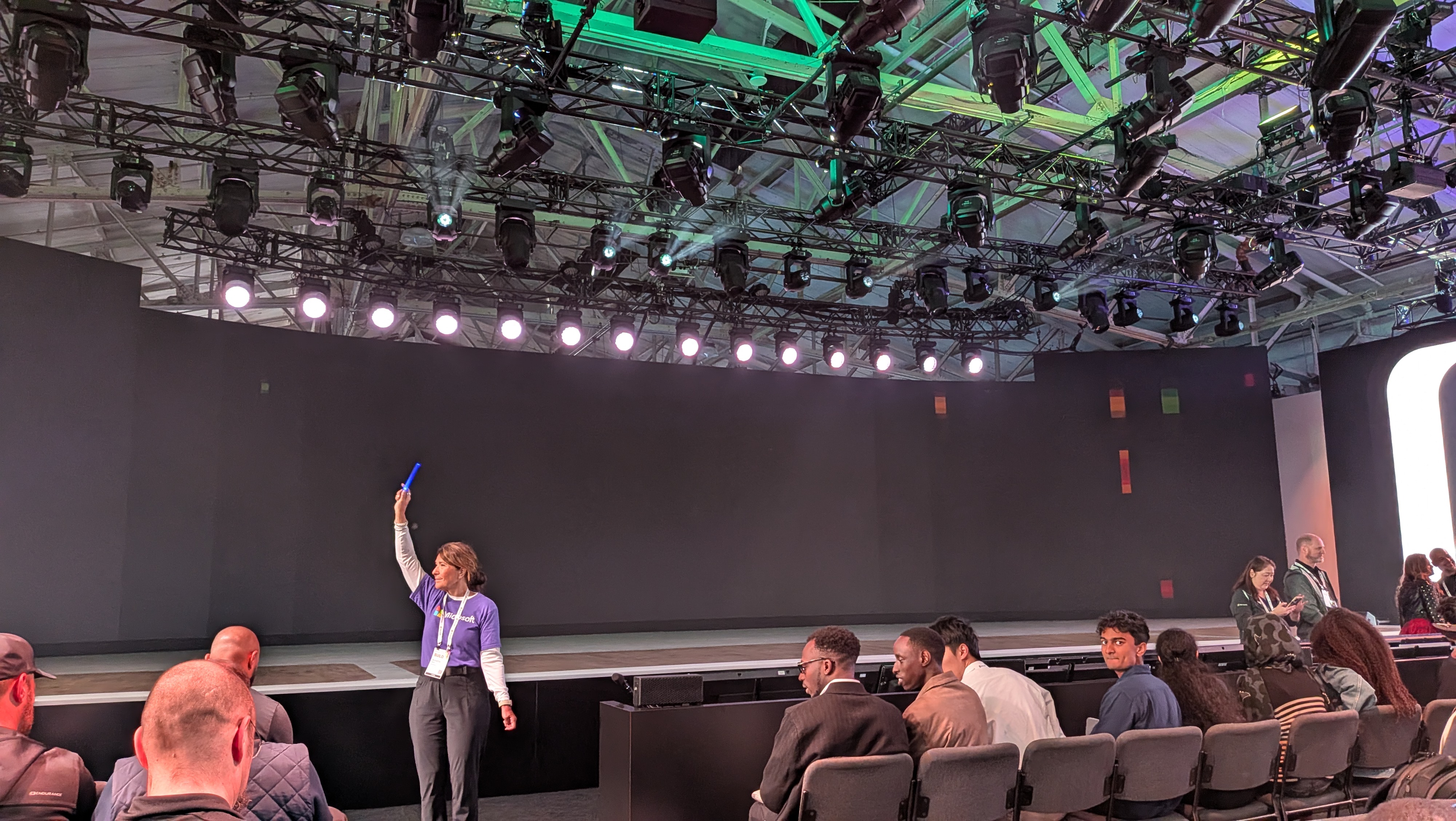
I can just about see the Golden Gate Bridge from my seat in the keynote, which is much nicer than the usual conference hall view - although it is covered by San Francisco's famous fog.
(The fog is nicknamed Karl, for those who like fun facts)
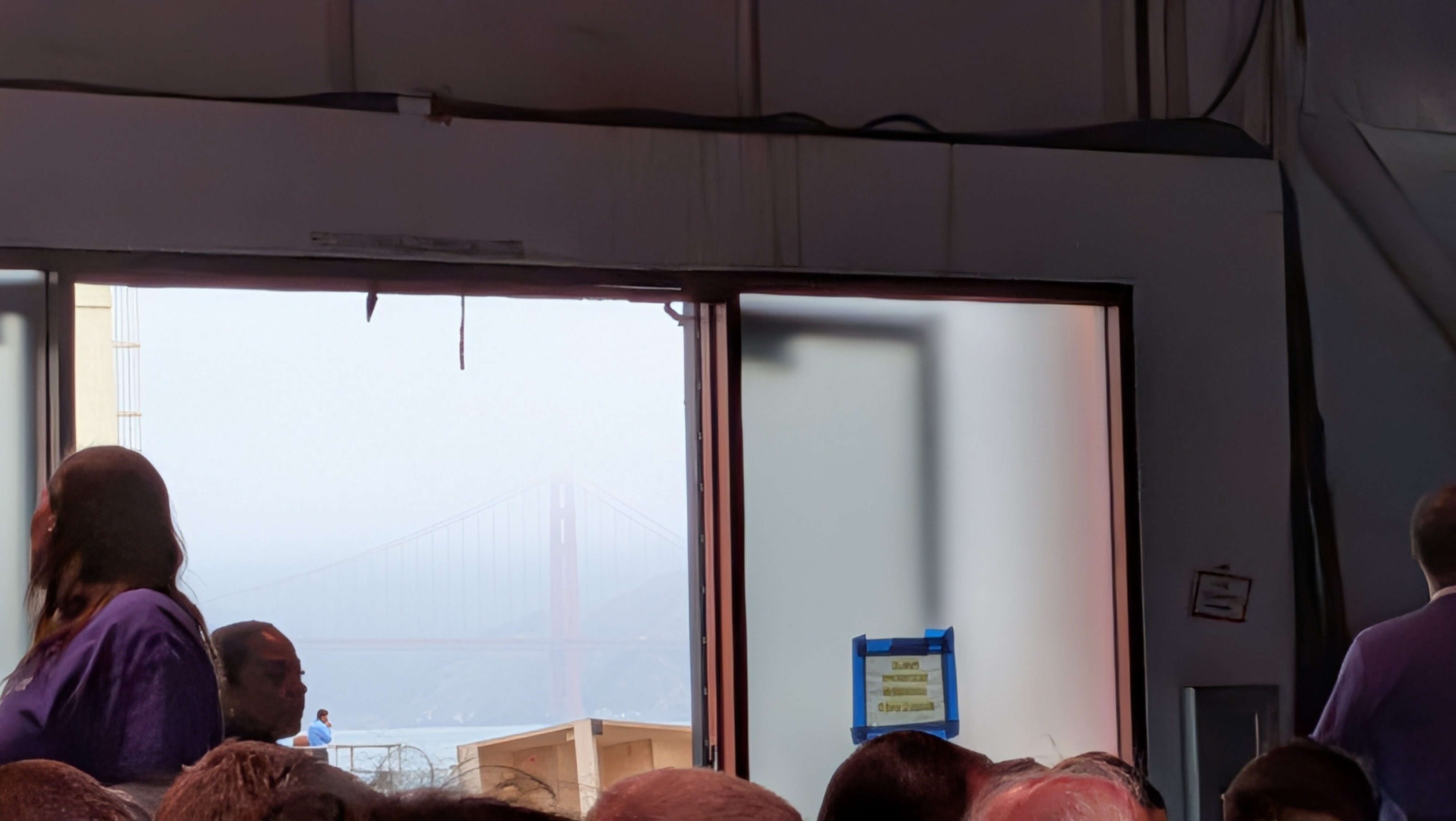
The keynote kicks off at 9.30am PT, with Microsoft CEO Satya Nadella our host for today.
Along with announcing a load of news and special announcements, we know he'll be joined by a few special guests - but more on that to come.
It's nearly time to start! We've just been hearing from some new startups utilizing Microsoft technology to build and create innovative businesses - some inspiring stuff.
It's go time - after a brief video intro, the lights come up, and Microsoft CEO Satya Nadella comes on stage.
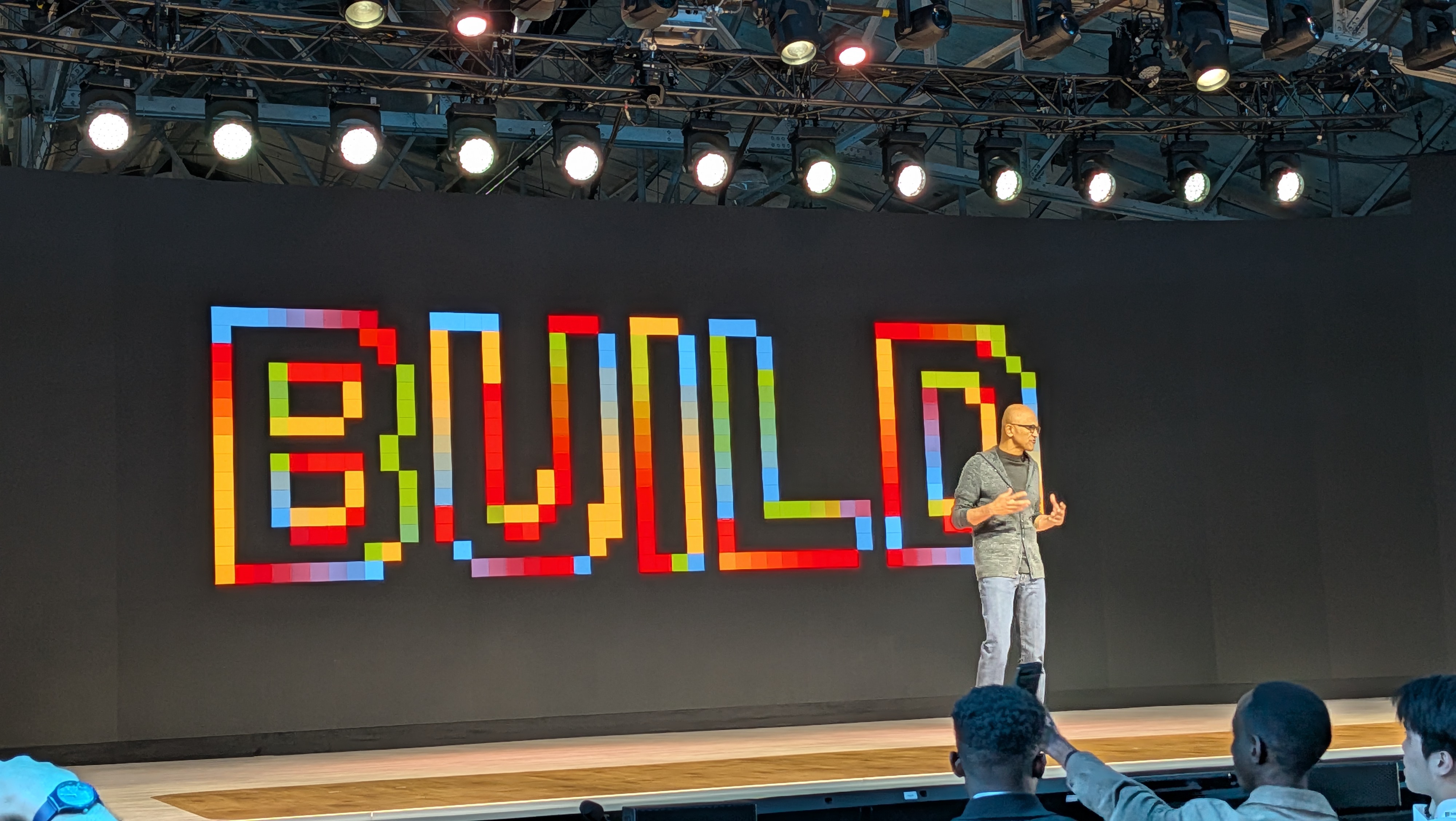
We're starting off with Windows - Nadella talks about the aim of delivering "unmetered intelligence" to all its users.
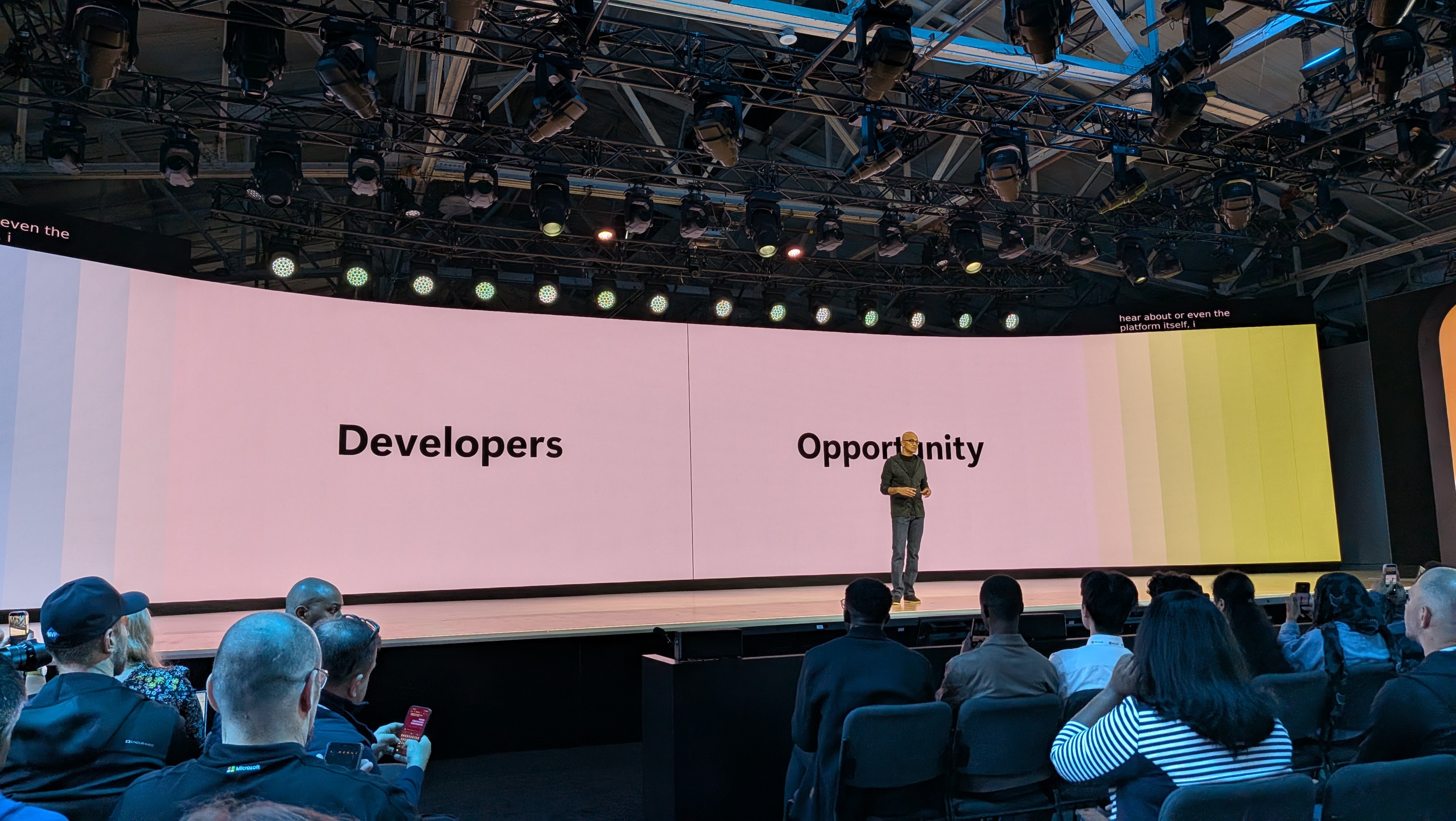
Some new announcements already -two new AI models in the Aion family to improve local reasoning.
But Nadella quickly moves on to Nvidia - and its new Spark hardware. The new Surface Ultra also gets a mention, as it features Nvidia power and chips.
But Microsoft is already looking to the future, and what this new hardware could mean for developers.
Say hello to the new Surface RTX Spark Dev Box - featuring 1 petaflop of AI power and 20 CPU cores, it's an absolute beast - Nadella laughs that even he can't get on the wait list.
Turning to Nvidia's new release at Computex, Satya says he's excited to get his hands on that too, describing it as "the AI data center for your desktop"
"It's pretty crazy that we've come this far", he notes.
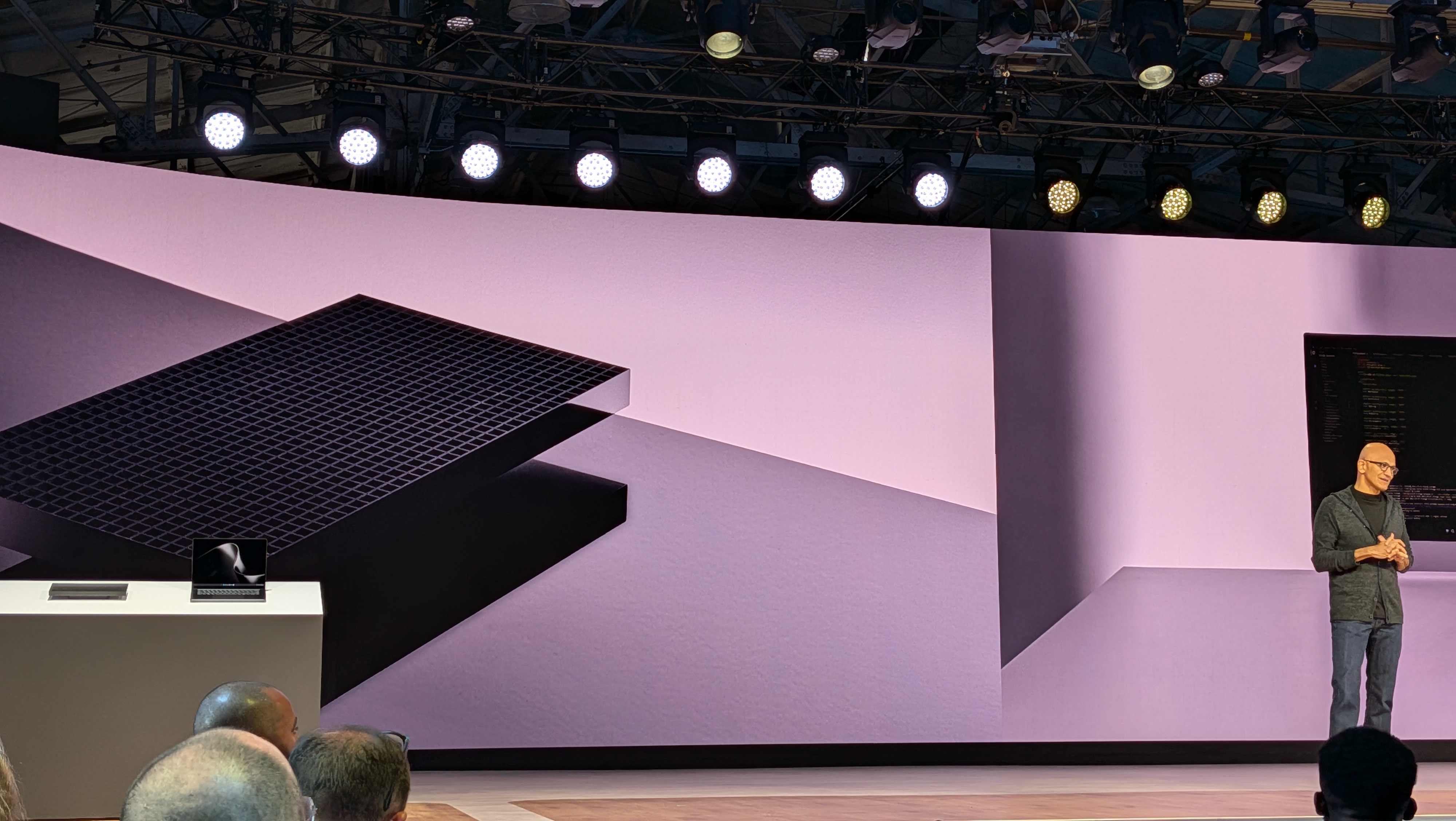
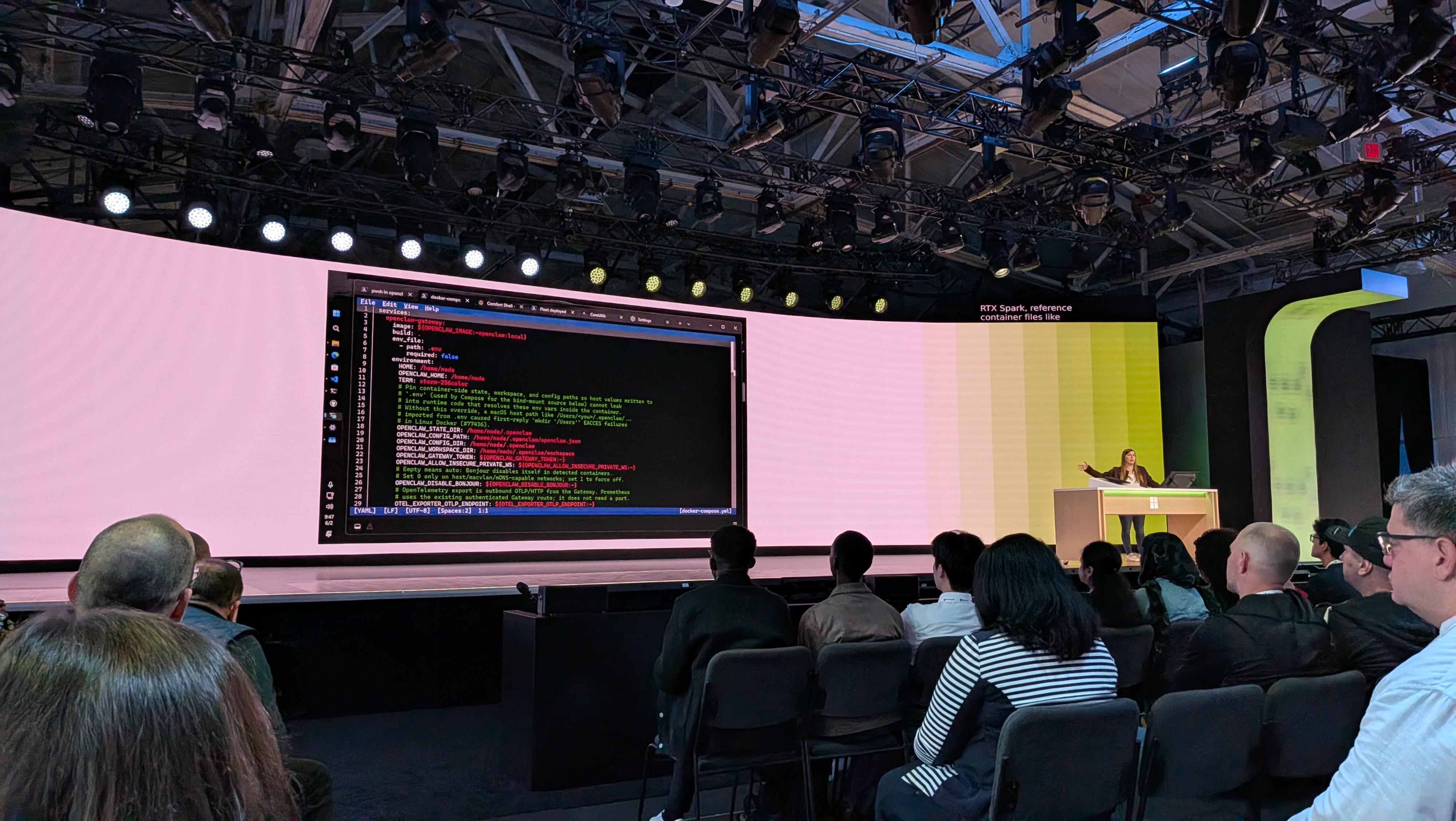
We're given a demo of some of the new dev tools available on this latest Surface RTX dev box.
The device will give users massive customization options, including vertical taskbars, dark mode and tools such as Python and Node already installed.
There's also a new Intelligent Terminal, which makes it easier to work with AI agents as you code.
Now, we're moving on to infrastructure - specifically the cloud.
"The driving equation for us remains the same", Nadella says - performance = Tokens/watt ($).
Optimizing the system from end to end is paramount, he notes.
Nadella also touches on how Microsoft goes community-first, looking to make sure data centers don't increase local electricity prices, creates new jobs, and doesn't drain water resources too much.
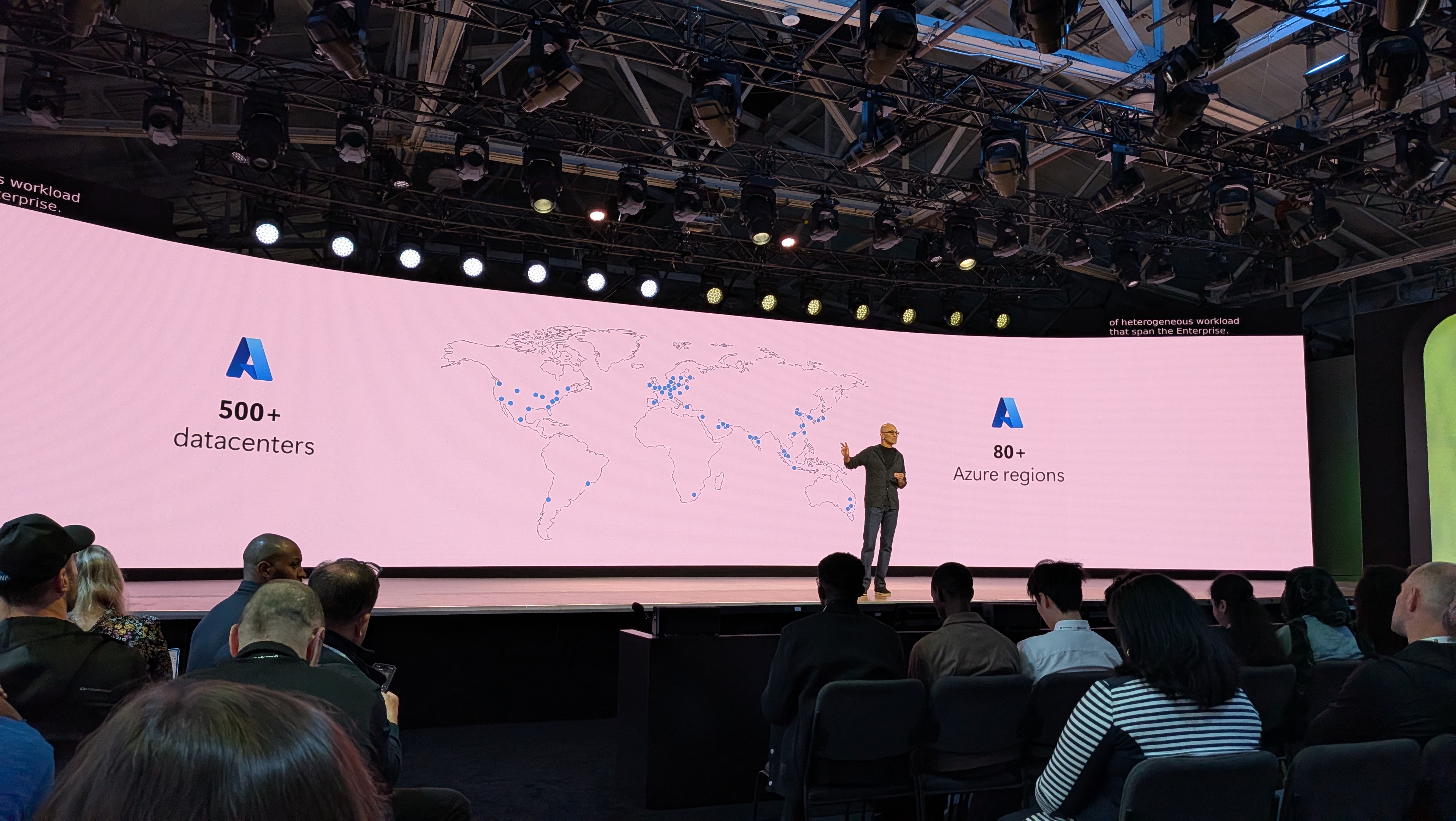
Data centers are proving increasingly controversial across the US, and Nadella says there is only more expansion to come.
"We've added more data center capacity in the last 18 months than the first ten years of Azure," he notes.
We're then given a look at one of Microsoft's mega facilities, which Nadella says has introduced huge power savings and efficiencies recently to deal with these problems.
We turn now to AI hardware, with new upgrades coming to Maia and Cobalt soon - helping boost AI agent training even further.
Being optimized for new agent workloads is paramount, Nadella notes, with lower latencies, faster speeds and greater efficiency all on the way.
You also need scale and reliability, so improving your network is also vital, so tracking across Azure is also being improved, he says.
"This is the next frontier for us - to make sure we're ready to keep scaling," Nadella declares.
Special guest time - joining us live from Taipei, and Computex, it's Jensen Huang!
Asked what he thinks about Nadella's idea of "unmetered intelligence", a very tired-sounding Huang praises the relationship between Microsoft's software and Nvidia's hardware to unlock this new world.
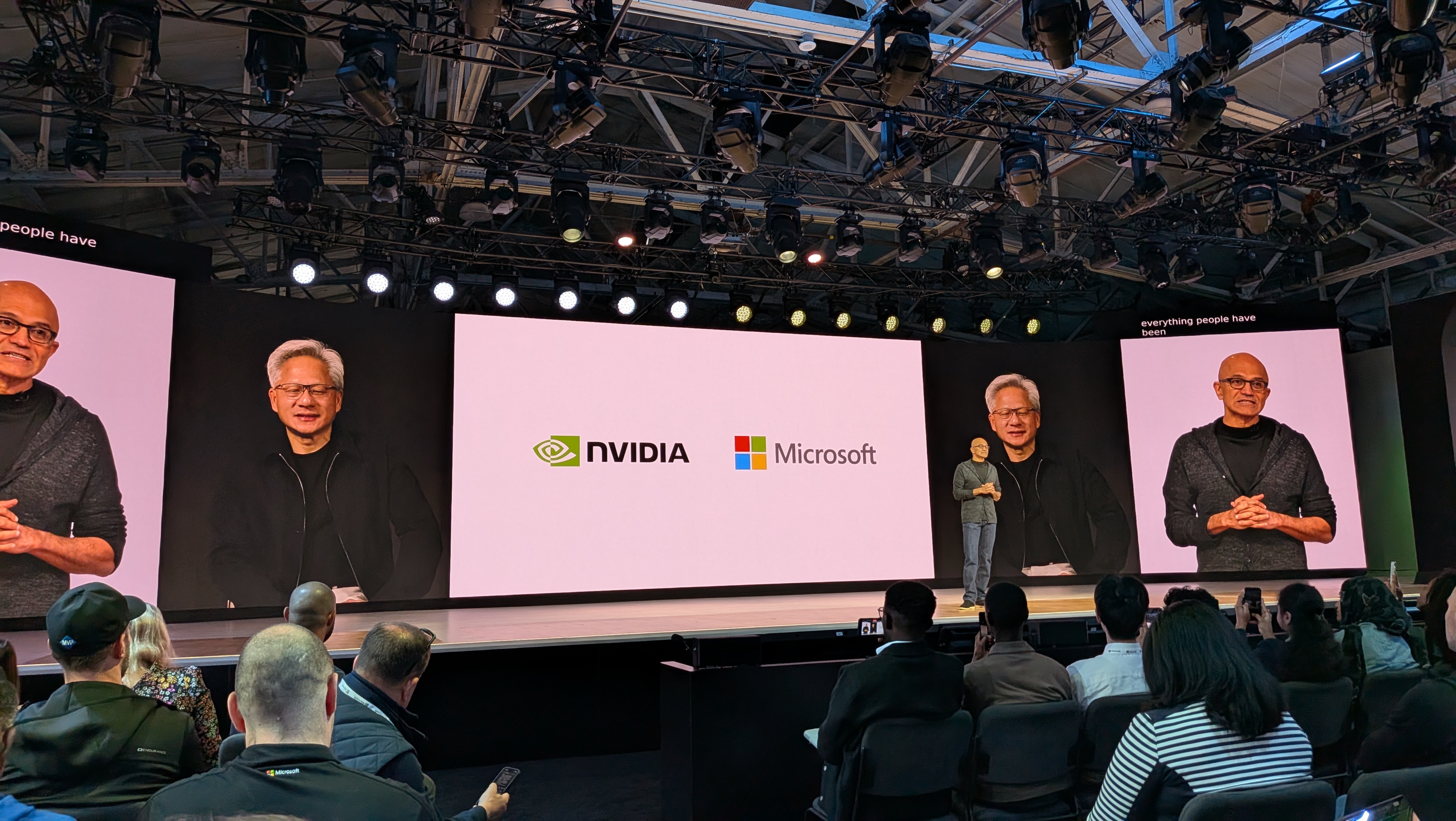
It's really bizarre to see Jensen Huang without a leather jacket, BTW...
"The days of having a super-smart AI agent running on a desktop is here," Huang notes.
Nadella highlights how Nvidia and Microsoft have worked together for some time, collaborating on training AI agents across multiple hardware generations.
"Our journey has been incredible," Huang notes.
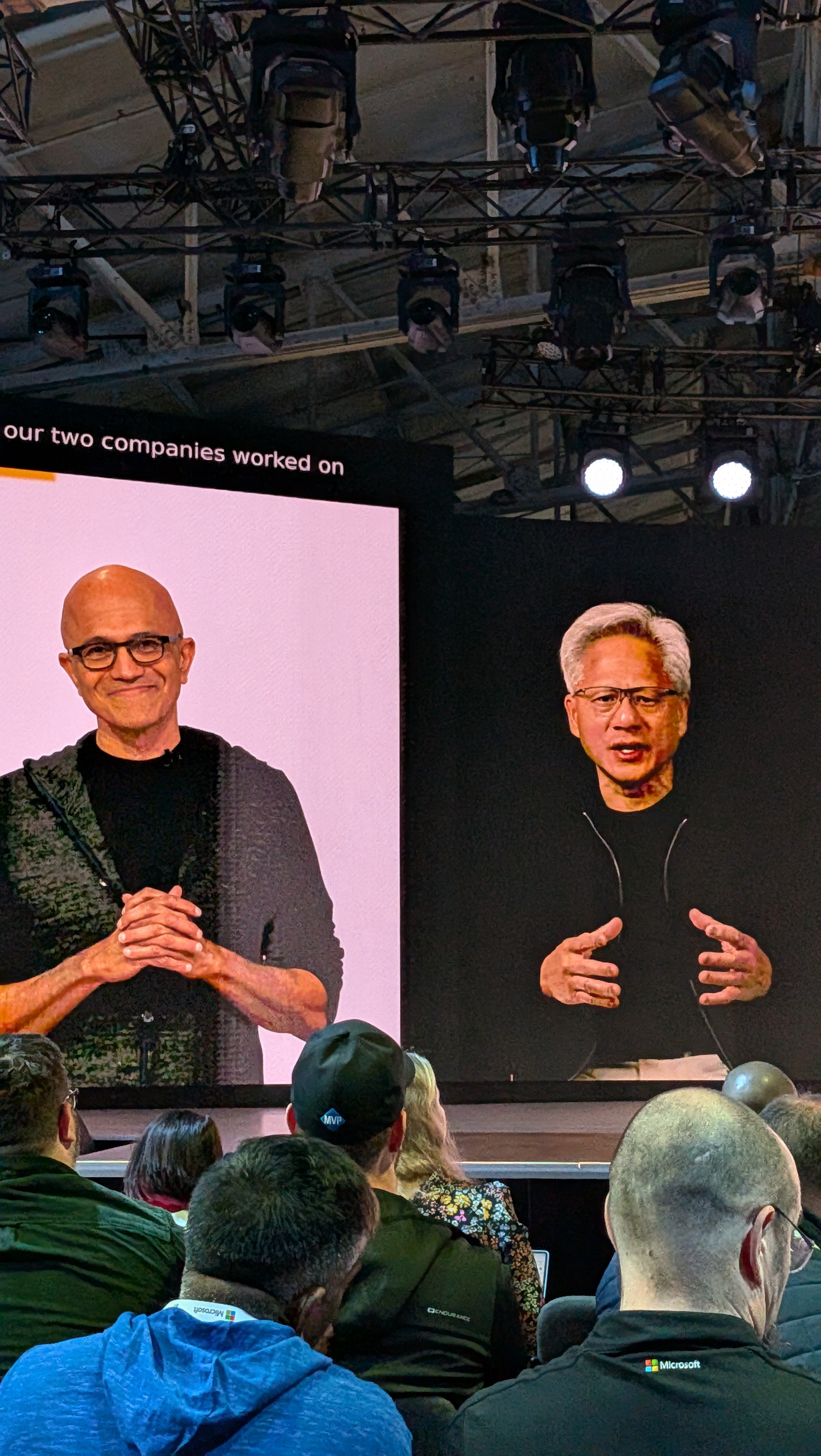
Nadella asks Huang about software next - mainly AI models, but the two companies have collaborated on a range of tools recently.
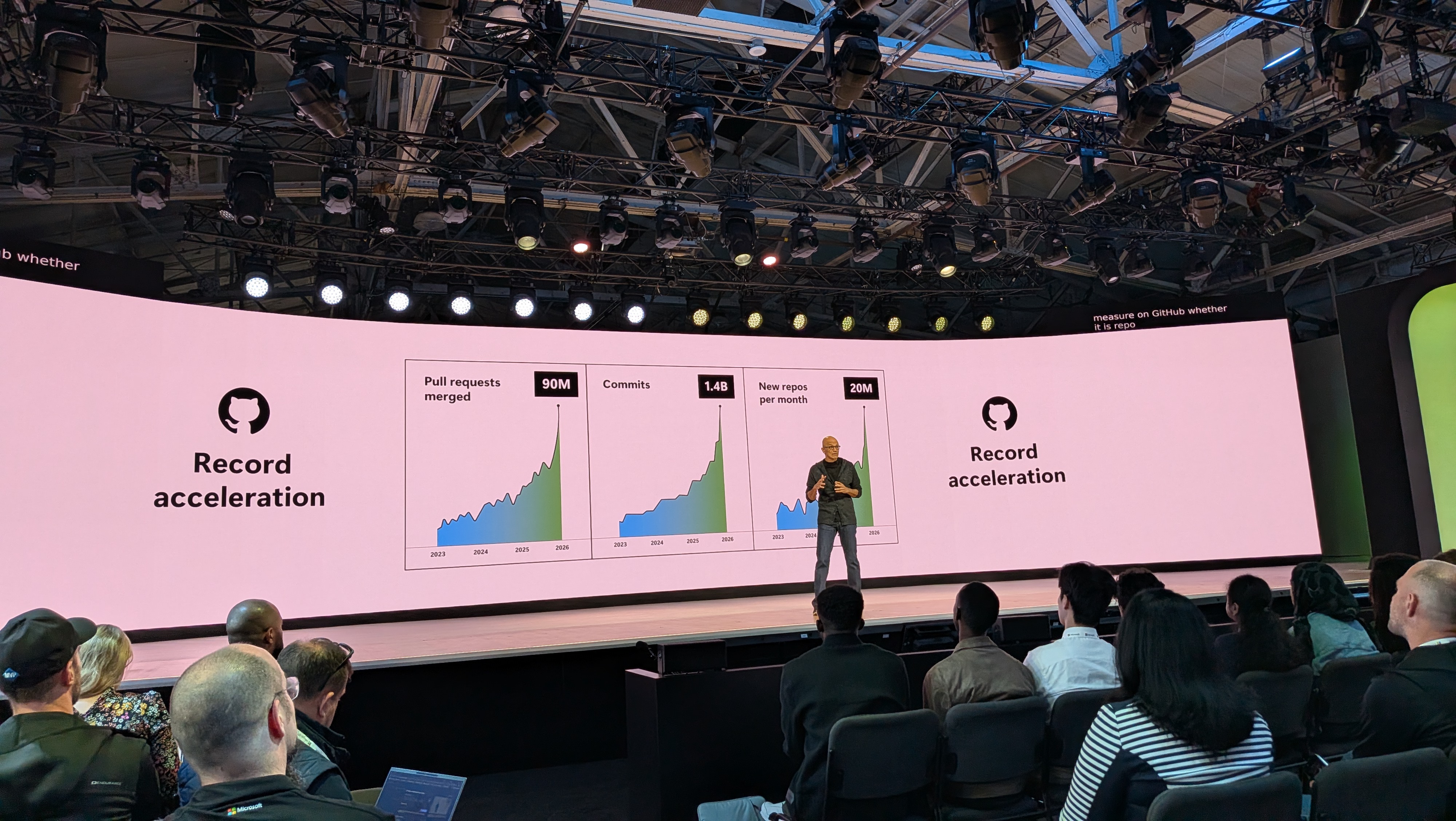
"AI is now useful, and doing productive work" Huang notes, highlighting GitHub as a key example in terms of growth and improvement.
That's all from Jensen - and fair enough, it's 1am in Taipei right now, compared to 10am in San Francisco - and Nadella seems genuinely thrilled to have him as a partner.
Now, it's on to Windows, and some new form factors, and a new plaform for the agent era.
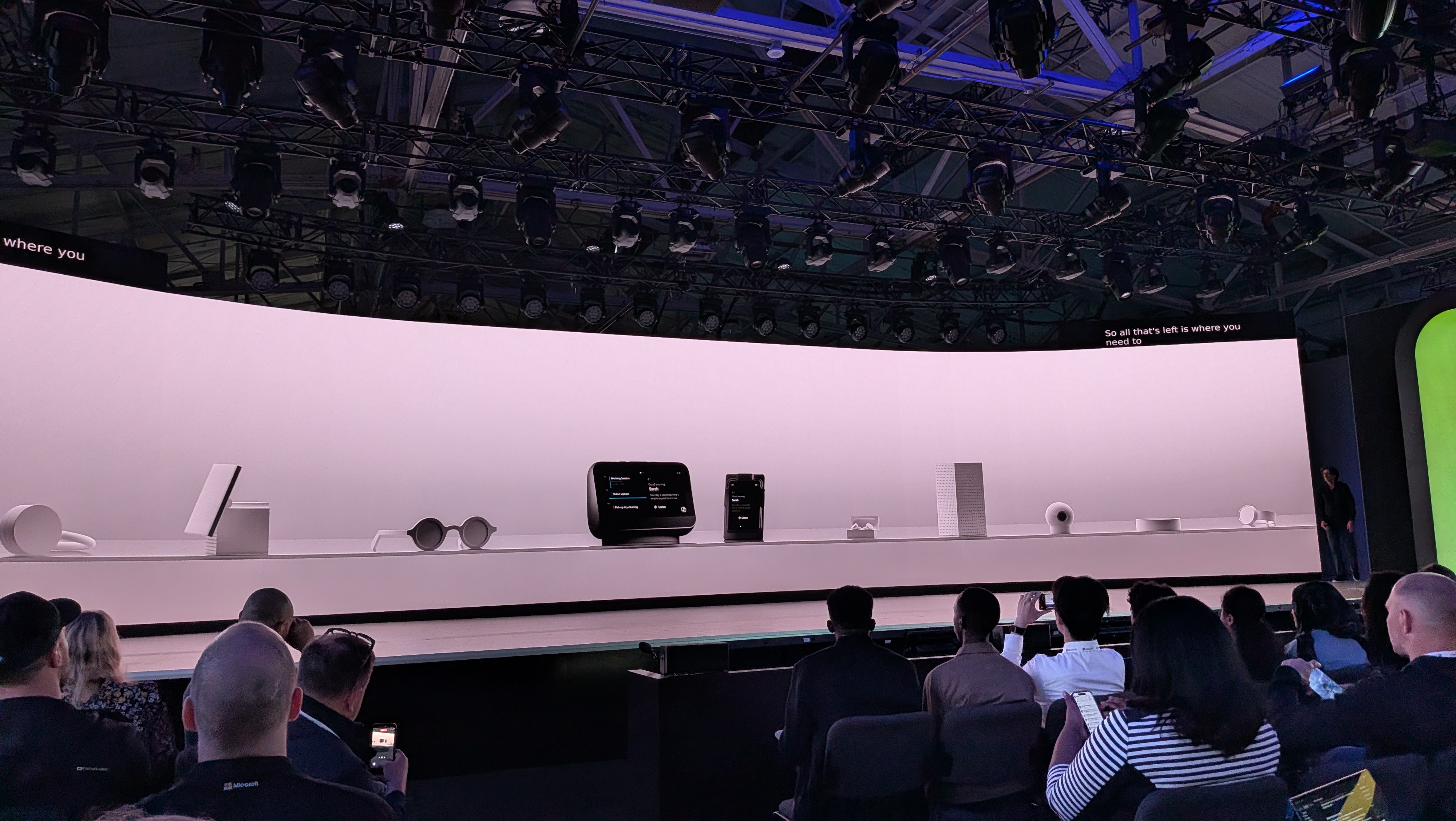
Say hello to Project Solara - Microsoft's new chip-to-cloud platform, with Microsoft's Steven Bathiche coming to tell us more.
The new system offer a new way to connect and interact with AI agents - across a range of device form factors - the choice is yours.
"The next computer is not one device - it is all these devices working as one system," Bathiche notes.
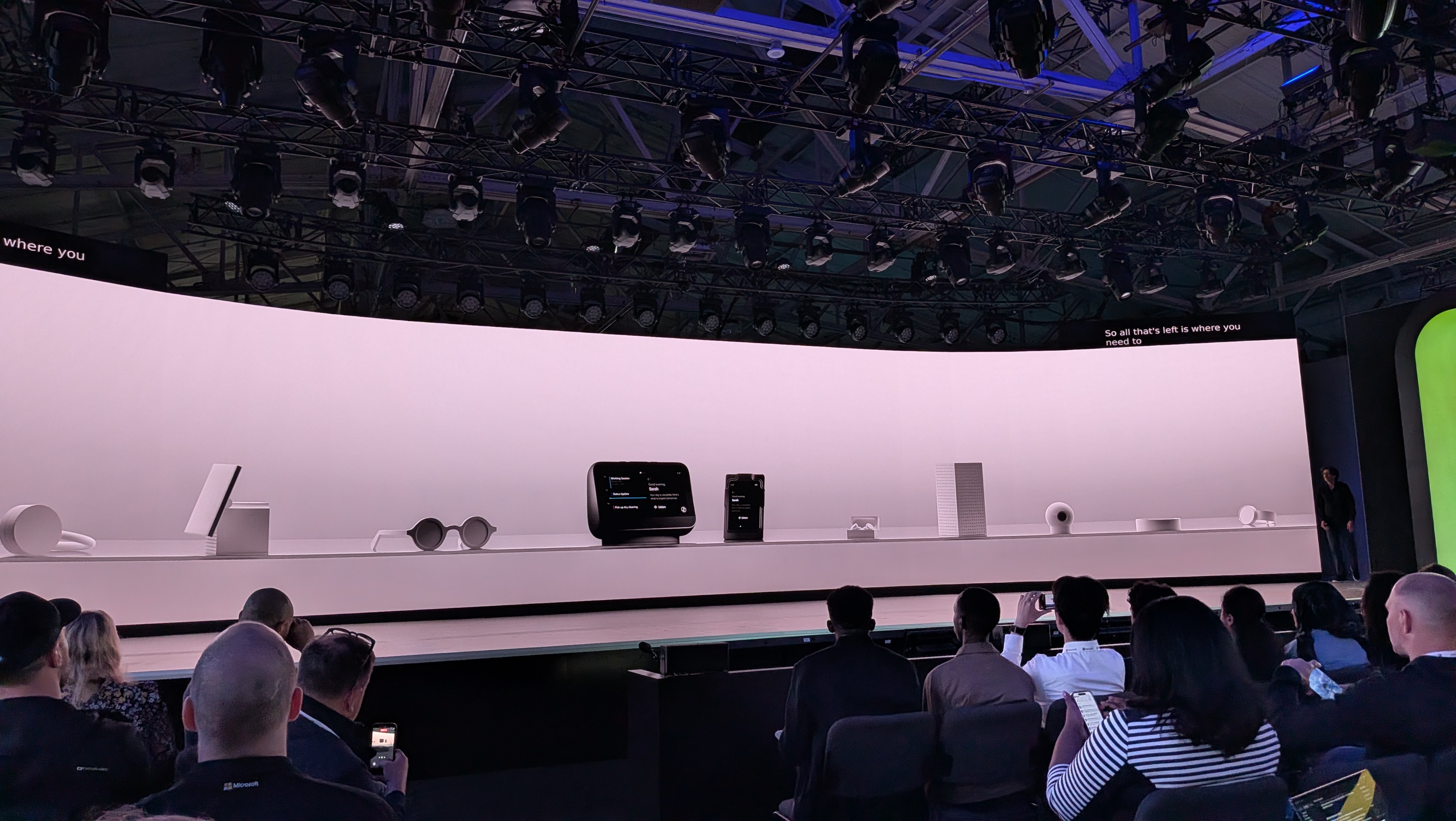
To show off the possibilities of Project Solara, Microsoft is showing off two prototype devices.
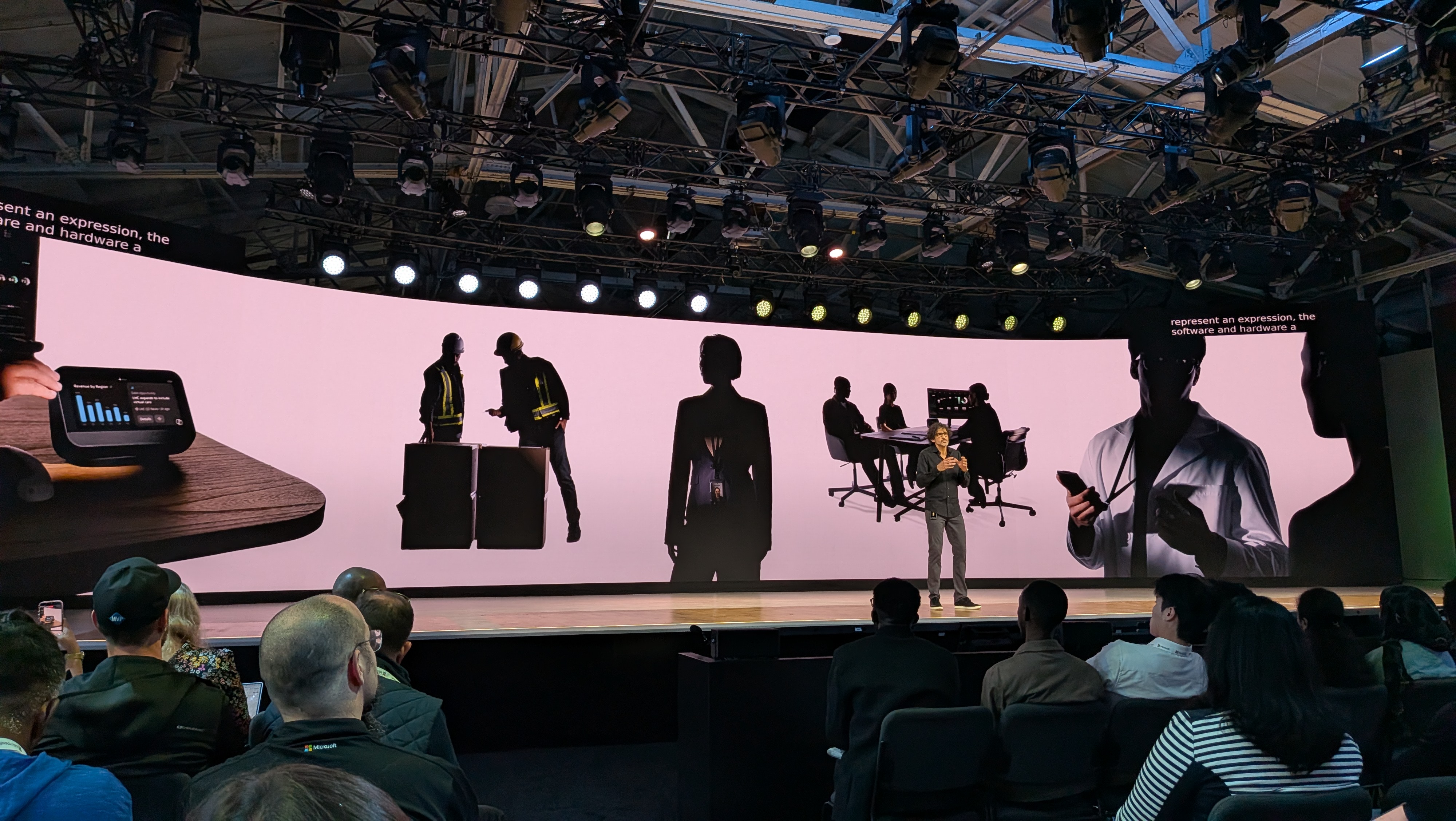
The first is a small desk-top device, a little like a wireless speaker, which users can interact with, getting quick access to their files, and even their Cloud PC.
The second is a more portable unit - an intelligent lanyard to be worn around the neck or carried in your hand.
About the size of a small phone or a large business card, this could definitely be the future of interaction in the workplace - Microsoft shows some demos of how it could help healthcare professionals get information on their patients, or warehouse workers quickly get data on their items.
We'll definitely look to get more info on that later.
"The power of the platform is in its flexibility," Tachiche says, with a number of big customers already signed up.
"This is the broader opportunity for the ecosystem," he says, showing how agents can break out of the PC.
Next, we're moving on to talk about software, namely around Foundry Models.
Nadella notes Foundry supports over 11,000 models - making it one of the largest around.
Having the right shaped context is growing especially important, he notes, with Azure Data sitting across the stack to help support all matter of agents.
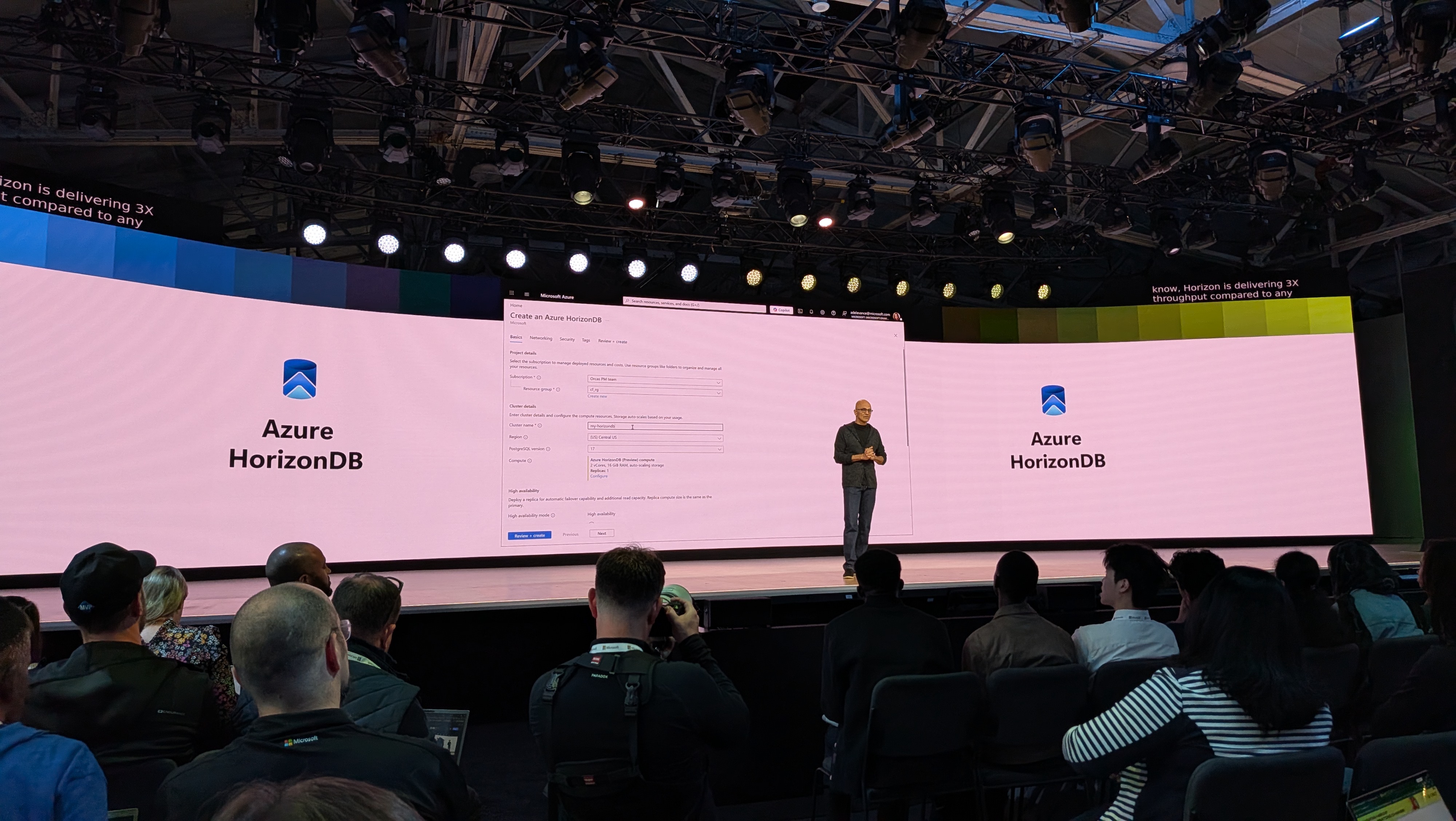
Nadella reveals Azure HorizonDB, a ground-up PostGres service which is about to scale and upgrade as and when is needed.
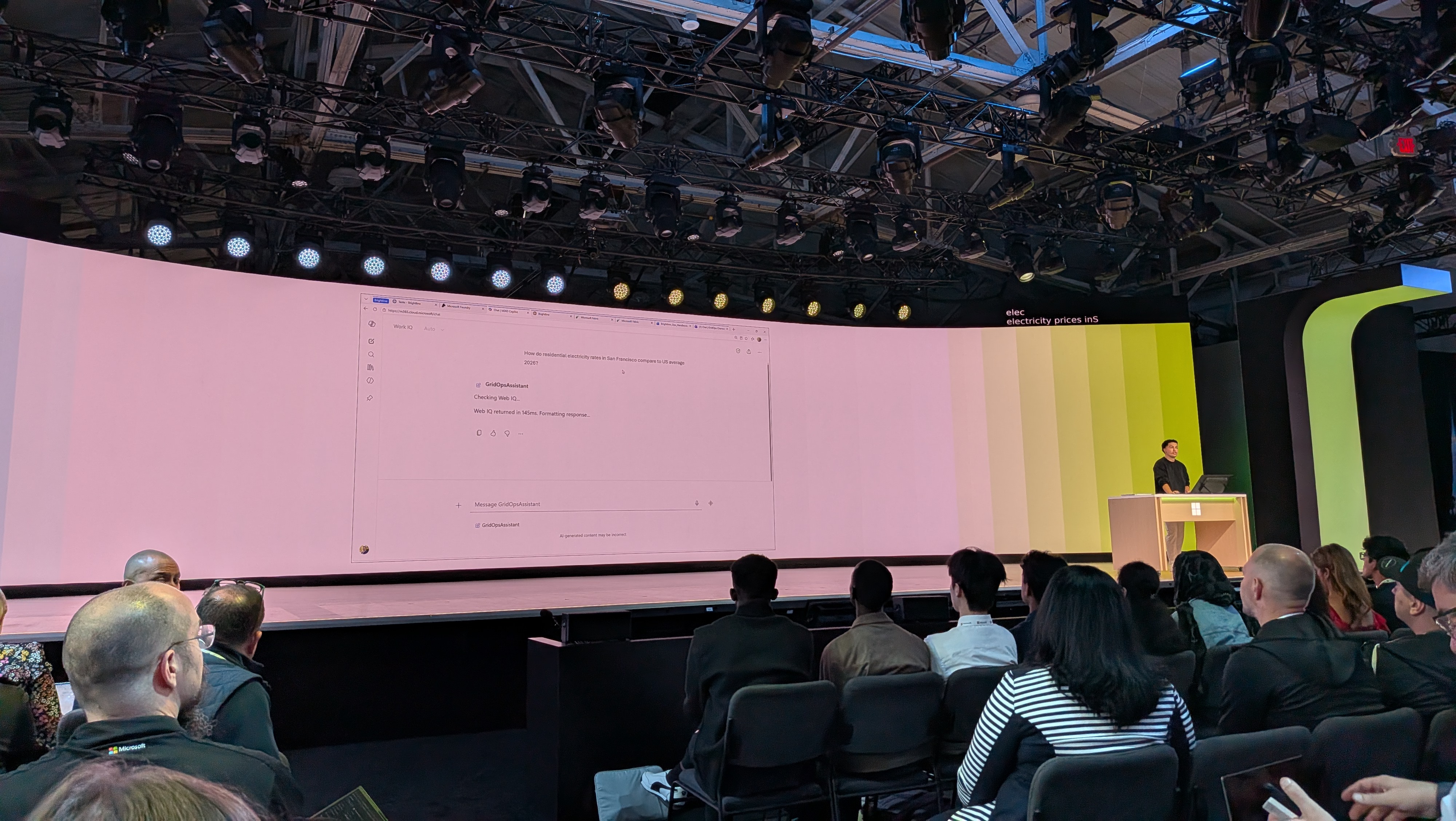
Web grounding for the agentic era is another crucial consideration, Nadella notes, with Microsoft's new Web IQ service promising better answer quality, low latency, and increased token efficiency like never before.
This *should* all mean your Copilot answers are better than ever - hopefully...
This is being combined into part of the new IQ layer in the Microsoft stack, alongside Foundry and Agent IQ, providing a more straightforward way for enterprises to get the insight they need.
We're then shown a demo of how this new layer works, offering an in-depth, info-packed response to queries, all grounded in reality - a new level of enterprise intelligence.
Satya returns, and its time to talk about deploying and running agents.
"We want Windows to be a fantastic place to run and scale agents," he says, unveiling the new Microsoft Execution Containers tool, allowing the software to contain the information needed, isolating aspects where needed - critical when you're looking to extend your AI rollouts.
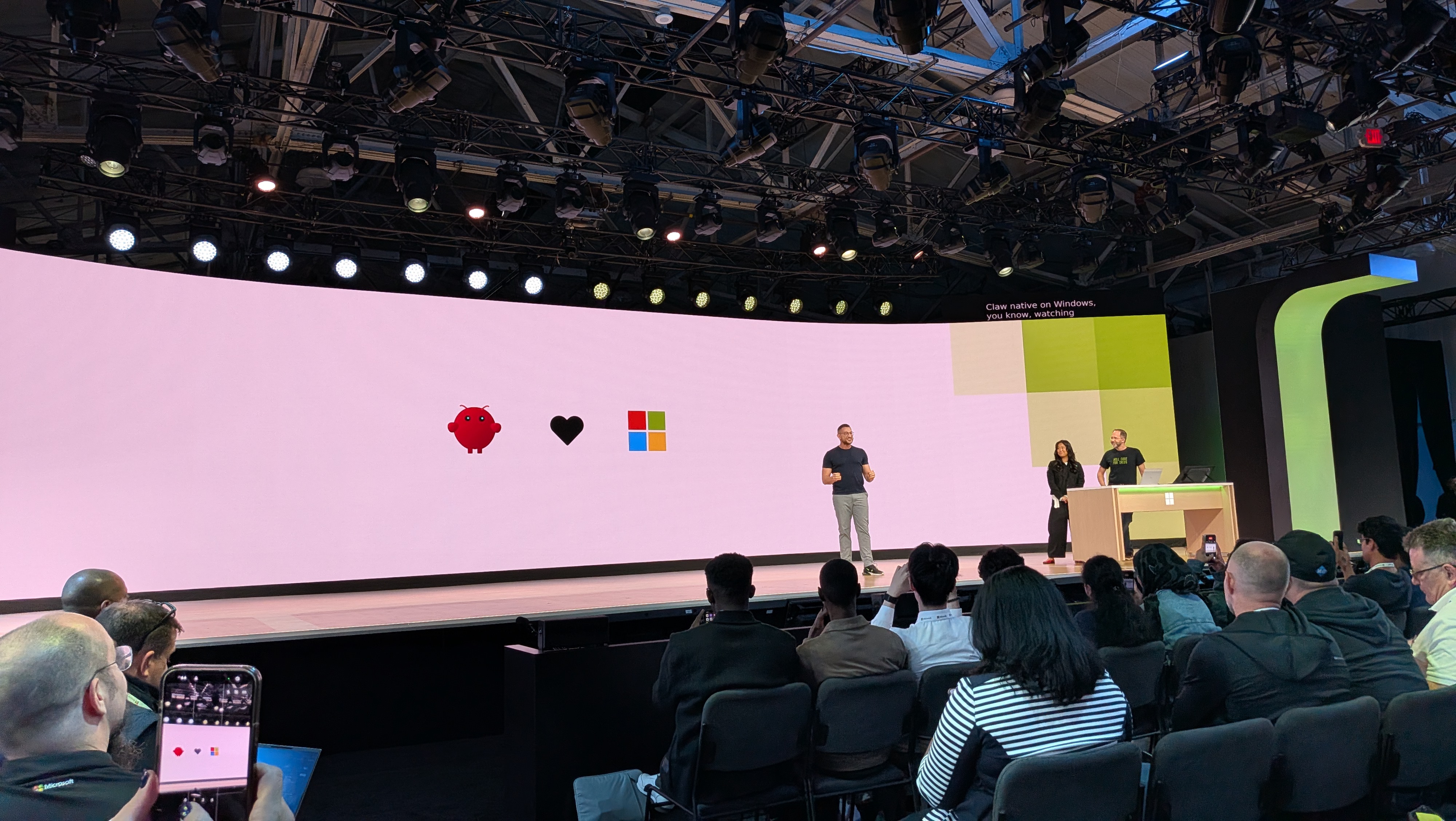
Nadella notes that OpenClaw now runs on Windows, leveraging the new MXC platform - and we're given a demo to show exactly how it can be protected from causing unexpected changes or damage.
Another special guest - OpenClaw founder Peter Steinberger is here!
It's a super-warm reception, and he tells us even he is supportive of adding such controls to OpenClaw, saying it shows off the flexibility of the platform - and this should mean more users can run OpenClaw within their own companies now.
Nadella is back, and moving on to talk about developer tools - starting with GitHub.
The platform has seen a huge surge recently, driven by the boost in AI usage - and to help deal with the new issues, a new GitHub Copilot app will look to cut through the problems around getting to grips with your models.
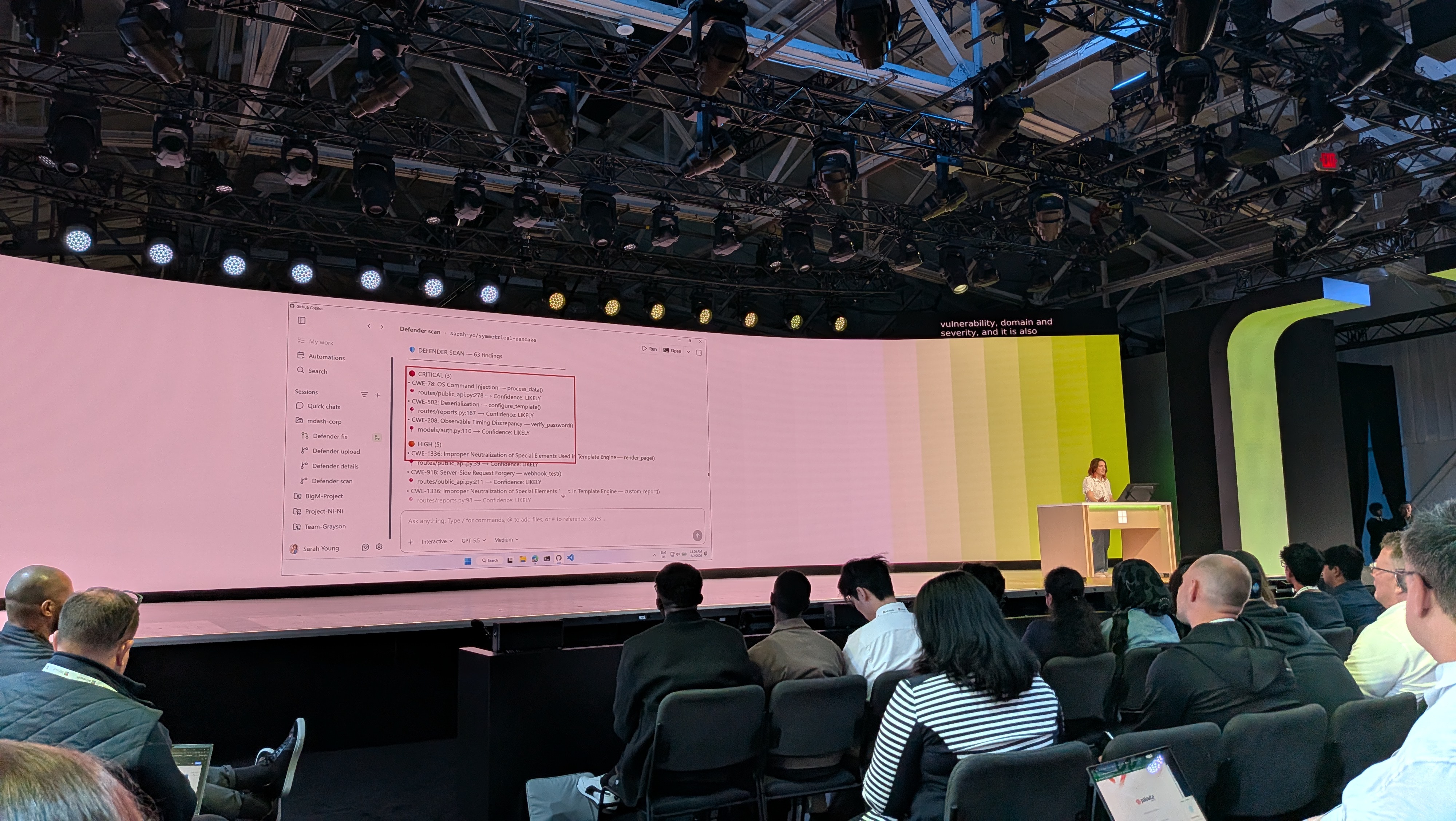
Next, we're looking at security - keeping your agents safe and secure is vital, given the information they access.
Nadella notes how Microsoft has already extended Entra and Defender to boost protection, but there's also a new Agent 365 SDK, allowing users to secure local agents and claws.
We're entering the final stretch, as Nadella sticks with the theme of security - we're given a demo of Microsoft's MDASH security model, which made headlines recently.
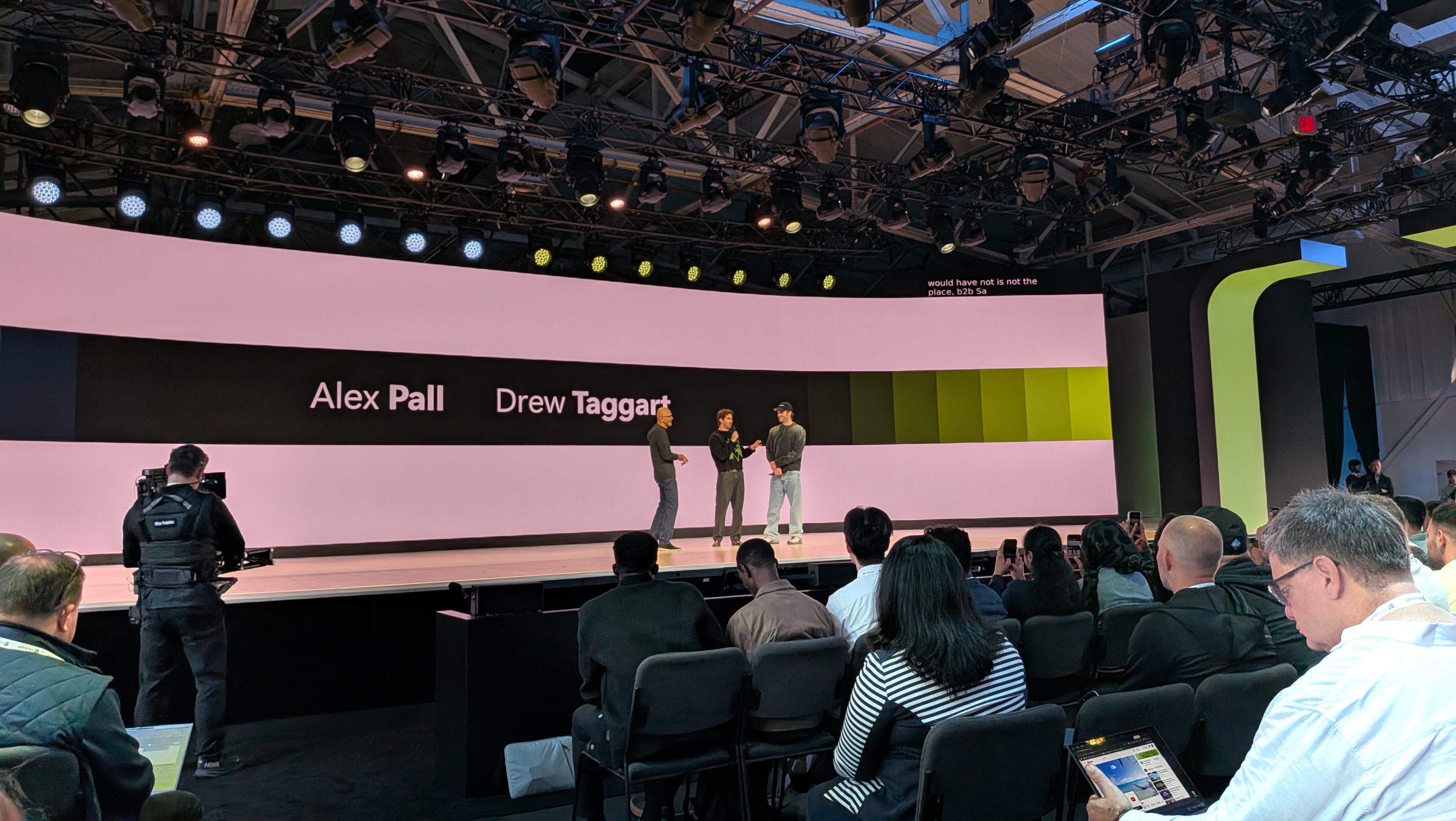
Alex Pall and Drew Taggart are our next celebrity guests - you might know them better as the Chainsmokers, but also as leading tech VCs, and supporters of a bunch of Microsoft-linked firms.
They'll also be playing the closing party at Build tonight!
Moving on, Nadella switches to talk about Frontier Firms - a term the company uses for those right at the forefront of AI deployment.
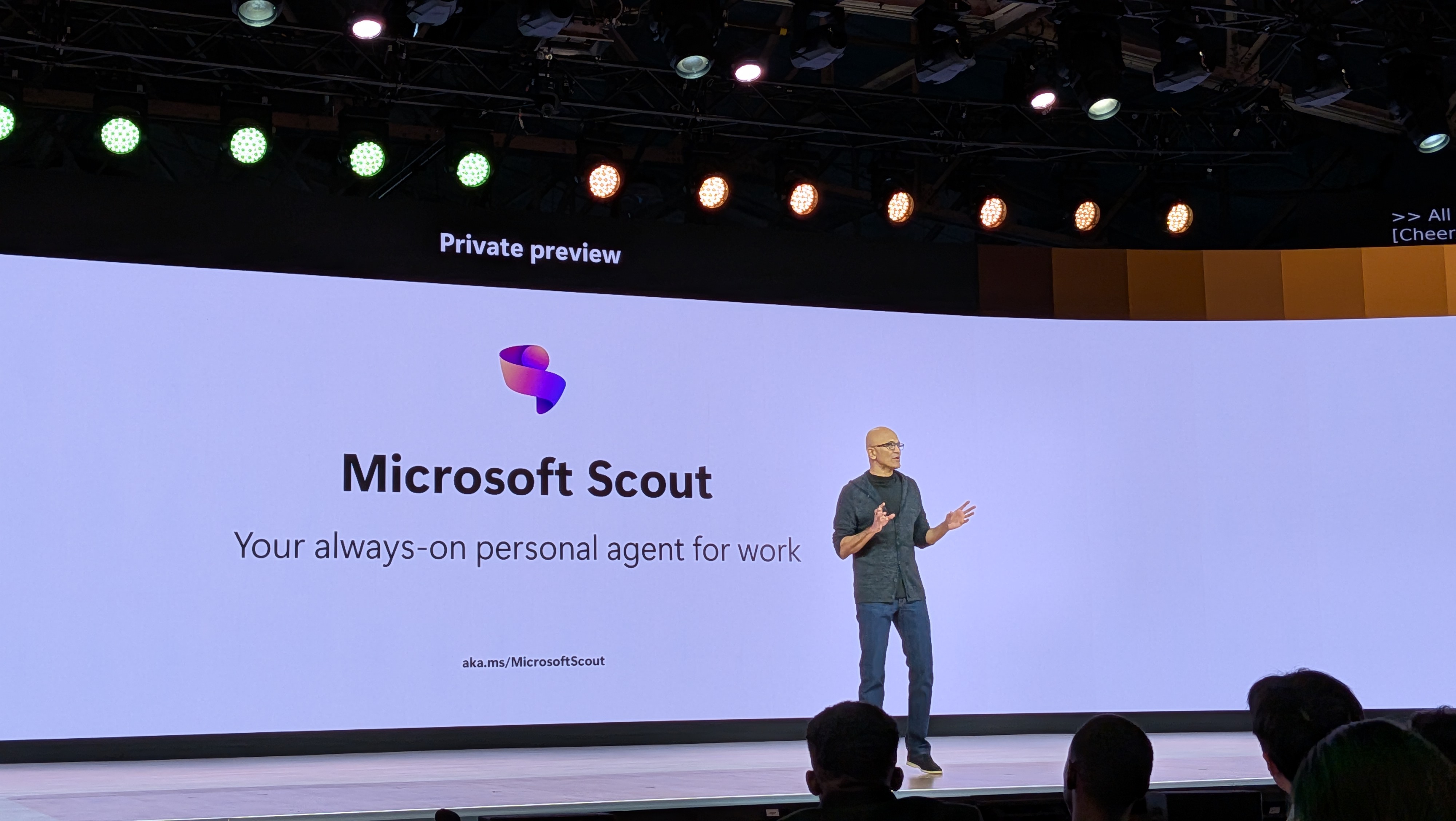
Copilot is driving this, he says, across chat, work and devloping - but there's also a new addition - Autopilots - long-running autonomous agents able to help take much of the drudgery out of work.
The first Autopilot is Scout, which can be your everyday assistant across Windows, but also across AI agents.
"Scout works where you work", Nadella notes, "that's the future of what we think of when it comes to the Copilot ecosystem itself."
Mustafa Suleyman is here to talk about fine-tuning of AI models, and what Microsoft sees as the next steps.
He predicts 3x more orders of magnitide when it comes to compute, and log linear climbing has become the norm.
"We need an AI that places humanity first," he notes, launching seven new Microsoft AI models across image, transcribe, voice and coding.
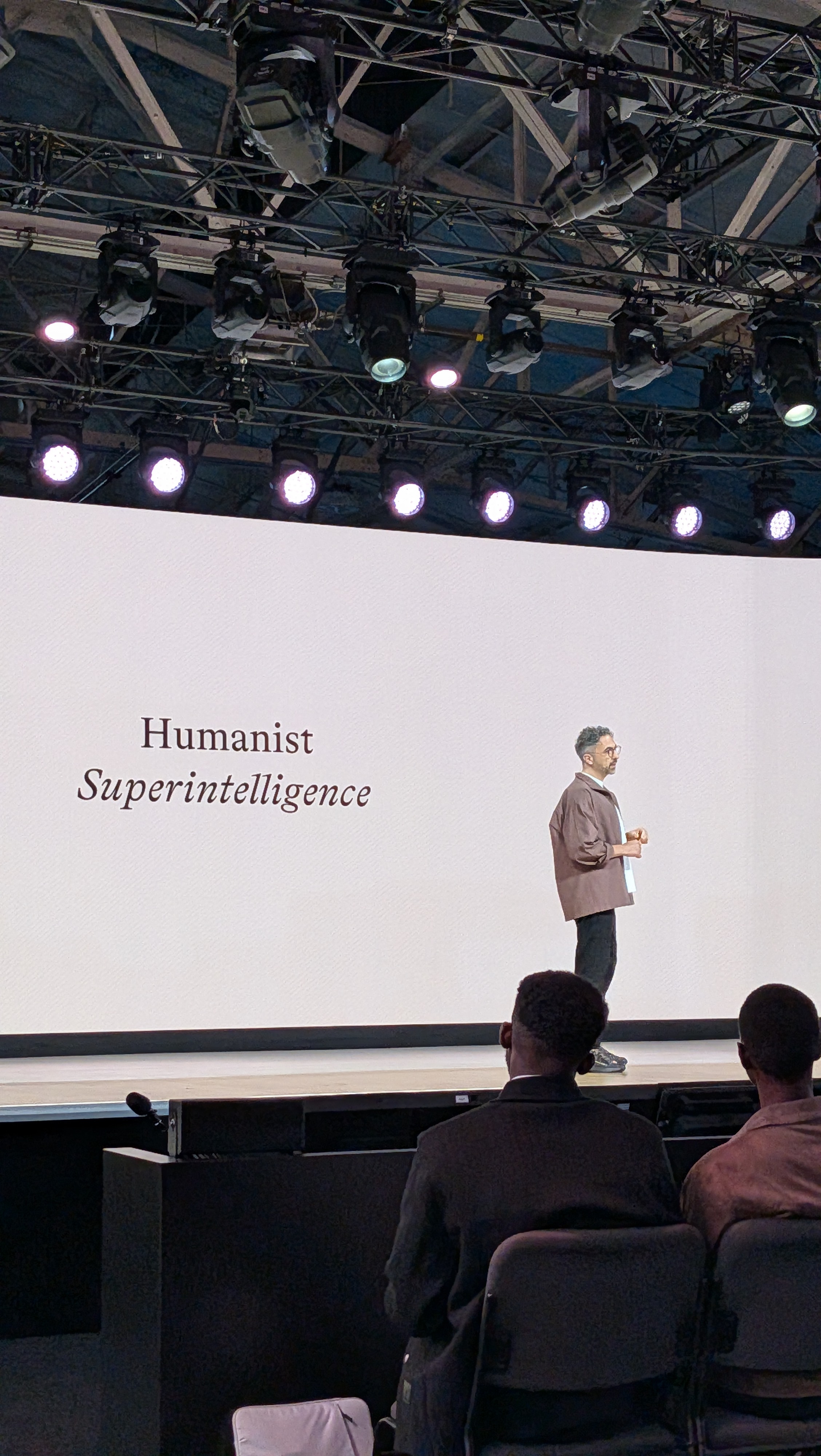
"To us, this is what owning the full stack looks like," Suleyman declares.
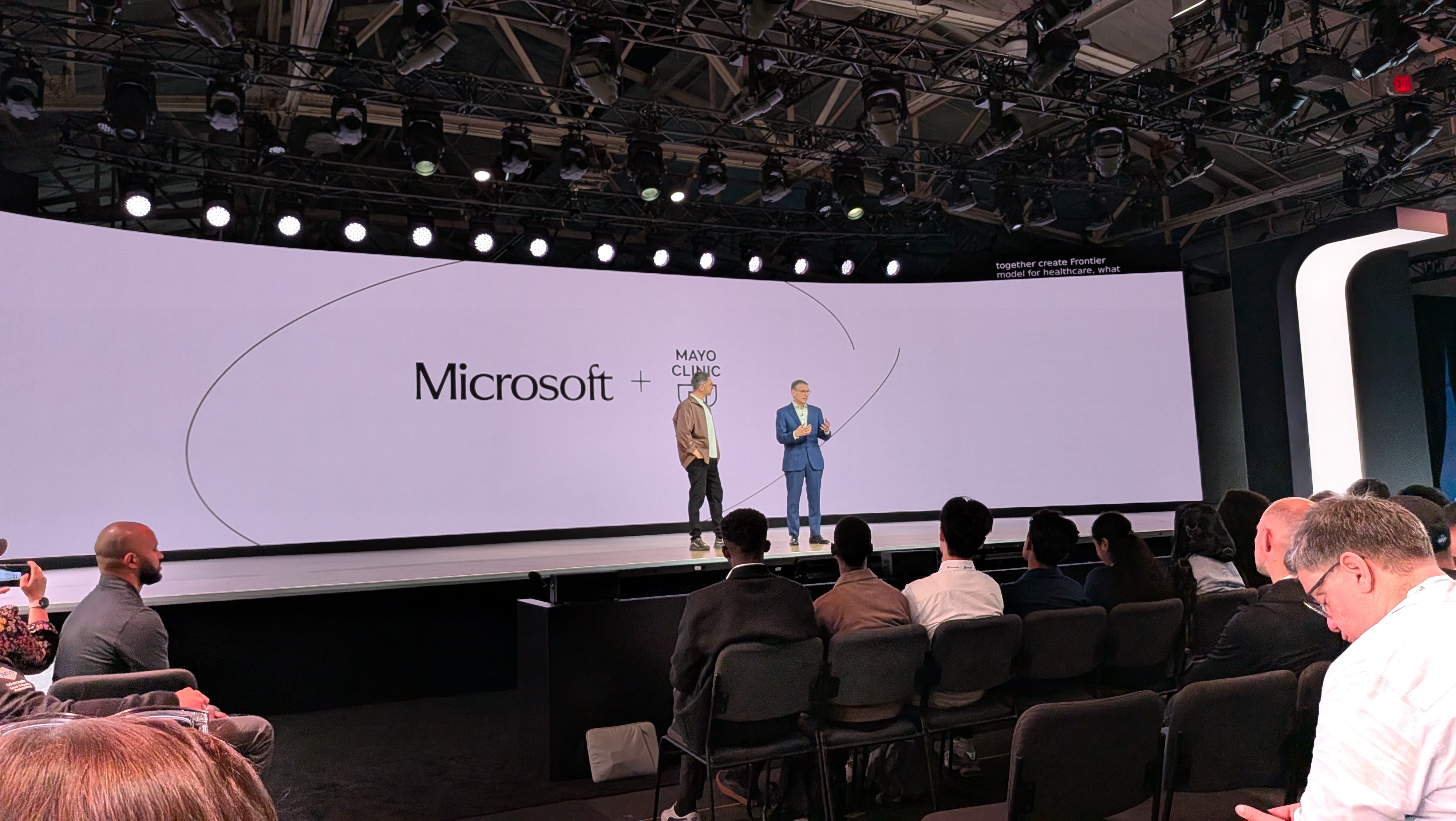
Suleyman has one final announcement - Microsoft is partnering with the Mayo Clinic to develop a Frontier model specifically for health.
This model should help widen access to Mayo Clinic's services and expertise, with the new platfrom reaching millions of people across the world.
Nadella returns for the final wrap-up, focusing on the future of the ecosystem, and what is the next big thing.
Improving the method of scientific discovery can have a great societal impact, he notes, with AI offering the chance to streamline the process via Microsoft Discovery.
The new platform can help create new experiments, write scientific papers , carry out virtual tasks, and suggest next steps such as creating lab protocols.
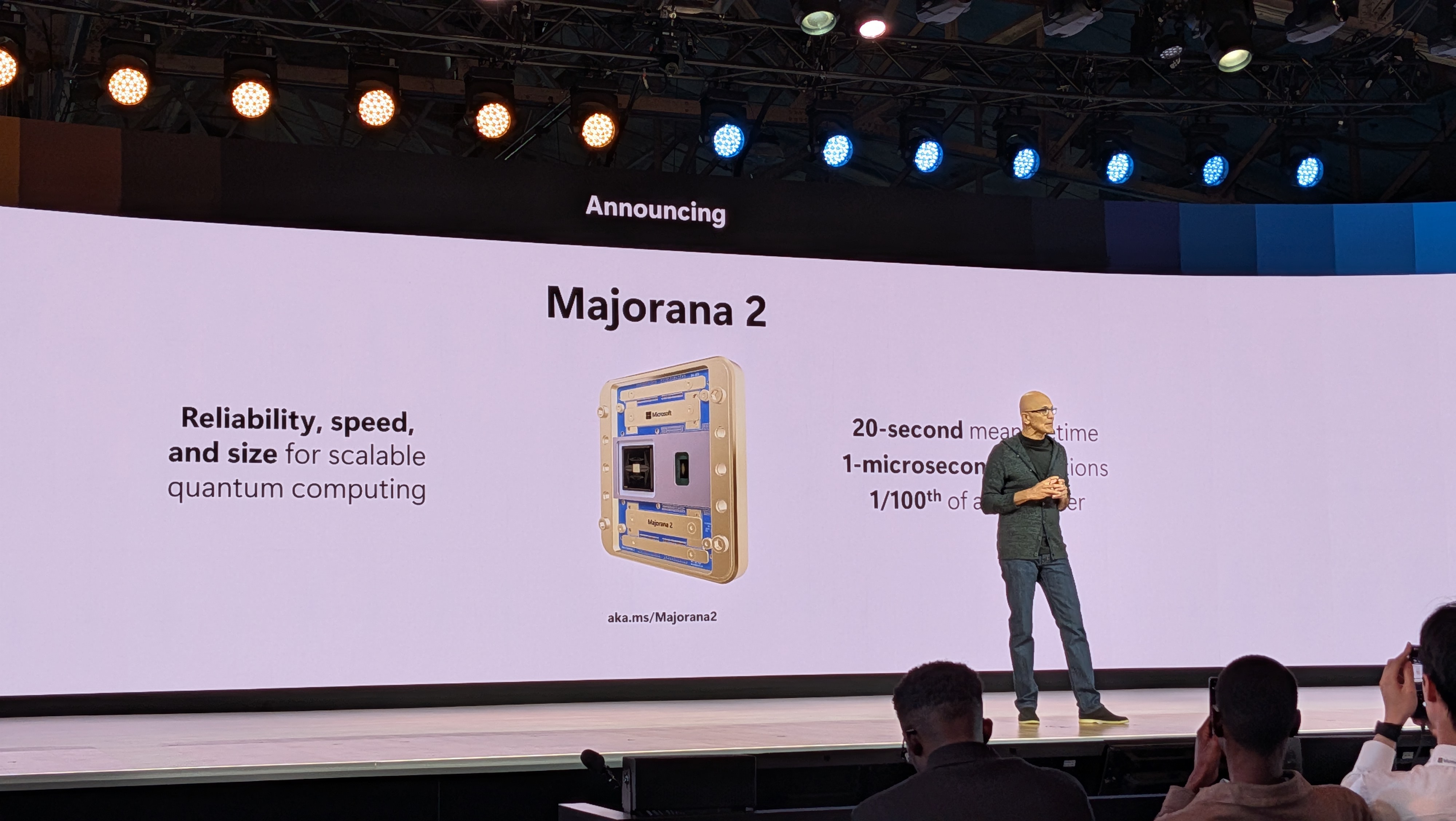
Quantum computing is another key consideration for many big firms this year, and Nadella returns to mention it briefly - a year on from its initial QPU launch, the company has continued to make progress, he says.
Nadella announces Majorana 2 - the next generation of its hardware, offering improvements across the board, including 1-microsecond operations.
And that's a wrap! It's been a packed keynote with plenty of exciting new launches and announcements.
We're off to fuel up, but will be back soon with more coverage of Microsoft Build 2026, thanks for joining us.