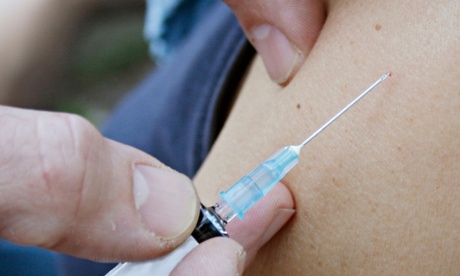
A vaccination for meningitis is to be offered to all 14–18-year-olds in England and Wales after a spike in a rare strain of the disease.
A Department of Health advisory committee wants all teenagers immunised to prevent the transmission of meningitis W (MenW), which is described as a rare but life-threatening infection in children and adults.
Prof Andrew Pollard, chair of the joint committee on vaccination and immunisation (JCVI), said: “We have seen an increase in MenW cases this winter caused by a highly aggressive strain of the bug.
“We reviewed the outbreak in detail at JCVI and concluded that this increase was likely to continue in future years unless action is taken. We have therefore advised the Department of Health to implement a vaccination programme for teenagers as soon as possible which we believe will have a substantial impact on the disease and protect the public’s health.”
MenW cases have been increasing year on year, with 22 cases confirmed in 2009 and 117 in 2014. This year there have been 34 confirmed cases compared with 18 in January last year.
The DoH has accepted the advice from Pollard’s committee and is now planning the implementation of the immunisation programme. The strain of meningitis being targeted has a 10% mortality rate, Pollard said.
Dr Shamez Ladhani, paediatric infectious diseases consultant at Public Health England, said: “It’s crucial that we all remain alert to the signs and symptoms of the disease and seek urgent medical attention if there is any concern.”
Ladhani said the disease developed rapidly. Early symptoms include headache, vomiting, muscle pain, a fever with cold hands and feet, and a rash. But Ladhani said people should not wait for a rash to appear before seeking medical help.
He also urged medical practitioners to be alert to the symptoms. “Early recognition and effective treatment with antibiotics for patients with invasive MenW disease can be lifesaving.”