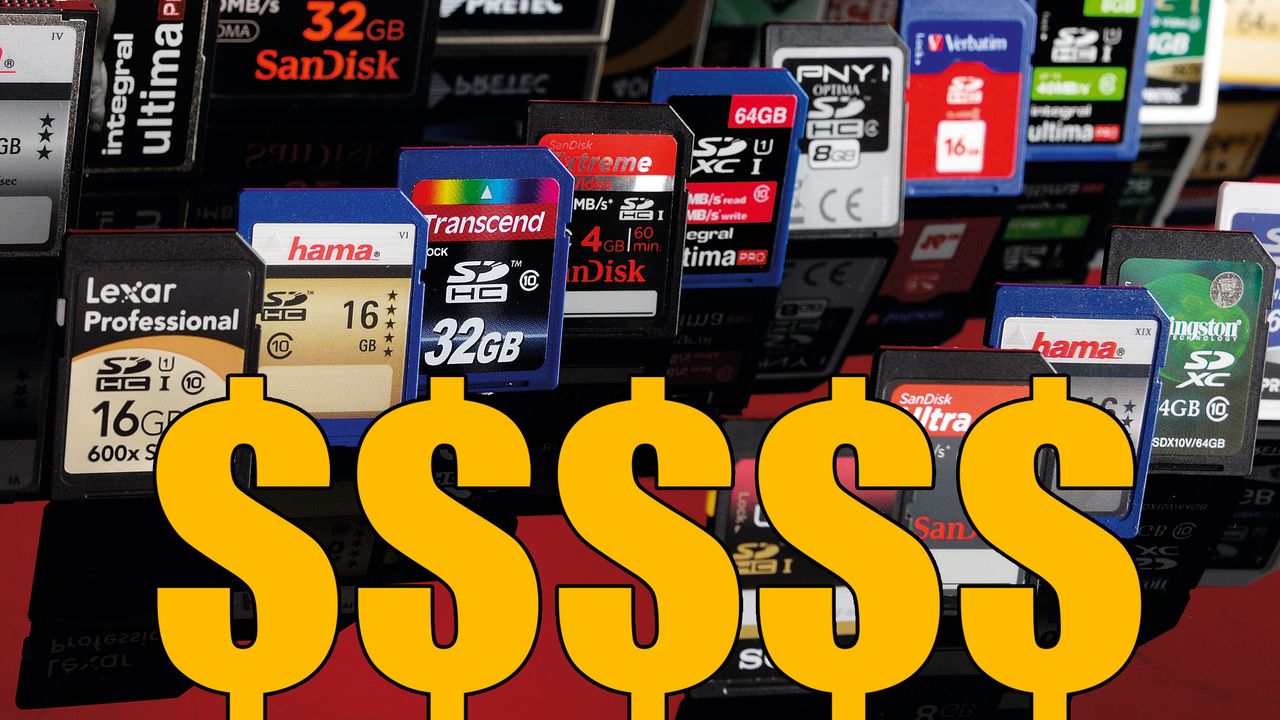
It's become an all-too familiar story: the global memory chip shortage causing the price of memory cards and SSDs to skyrocket. This situation has been ongoing for almost a year now, and the latest news suggests prices might not fall for some time.
According to Kwak Noh-jung, CEO of Korean chip giant SK Hynix, the global memory chip market "will face unprecedented supply shortages in 2027". Furthermore, Kwak predicts that the chip shortage is likely to continue past 2030. Other analysts agree that the chip shortage won't be over soon: UBS predicts the global DRAM market will remain undersupplied until at least Q2 2028, while Bank of America estimates that datacenter capital expenditure will hit $851 billion this year and rise to around $1.15 trillion next year – in other words, the demand for memory will rise over the next 12 months.
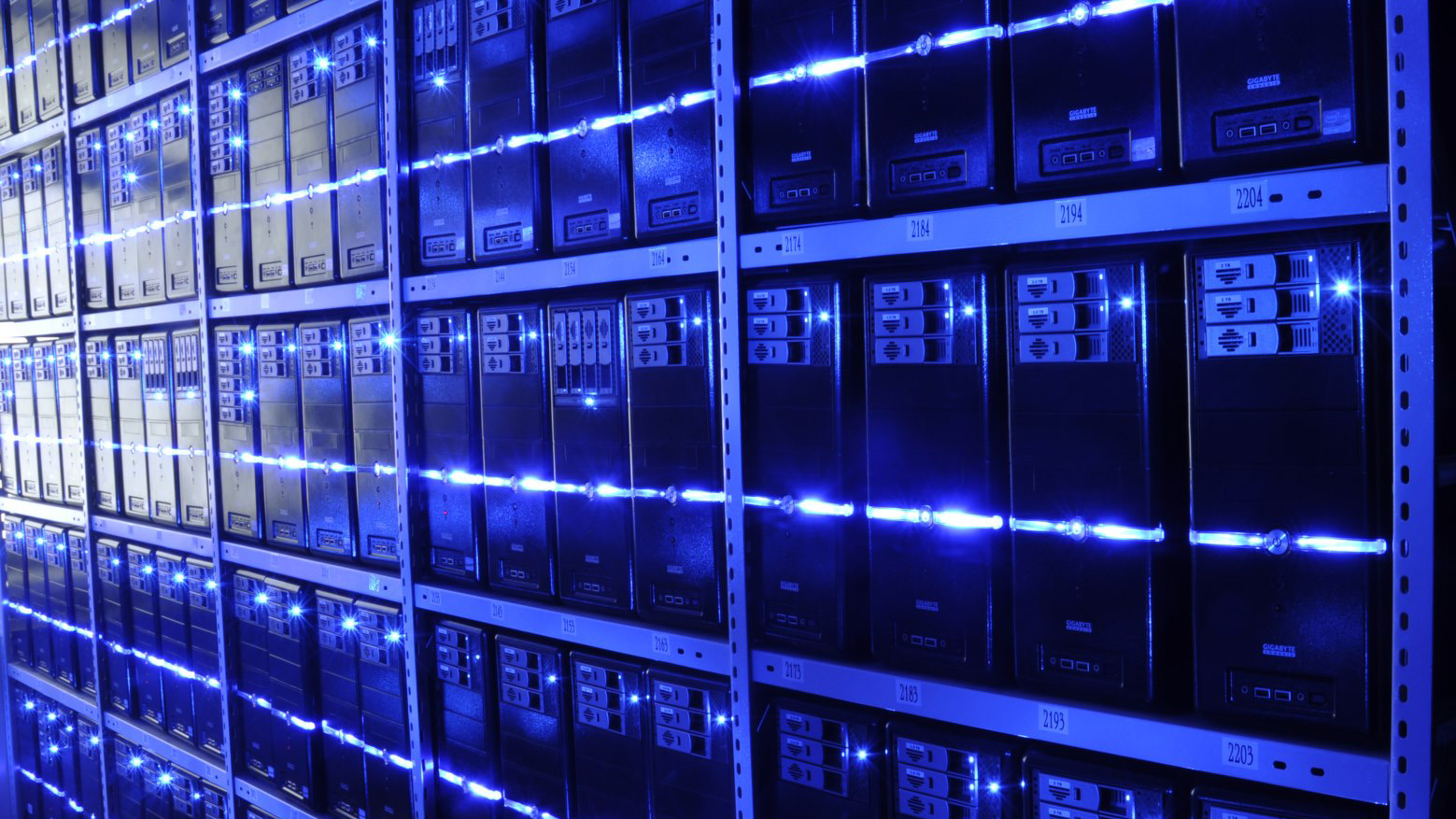
The chip shortage is due to the unprecedented demand for HBM (high bandwidth memory) chips, which are being voraciously consumed by AI datacenters. SK Hynix produces around 58% of the global HBM chip supply and is investing heavily in in new semiconductor production facilities, with $4 billion allocated to build an advanced chip packaging plant in Indiana.
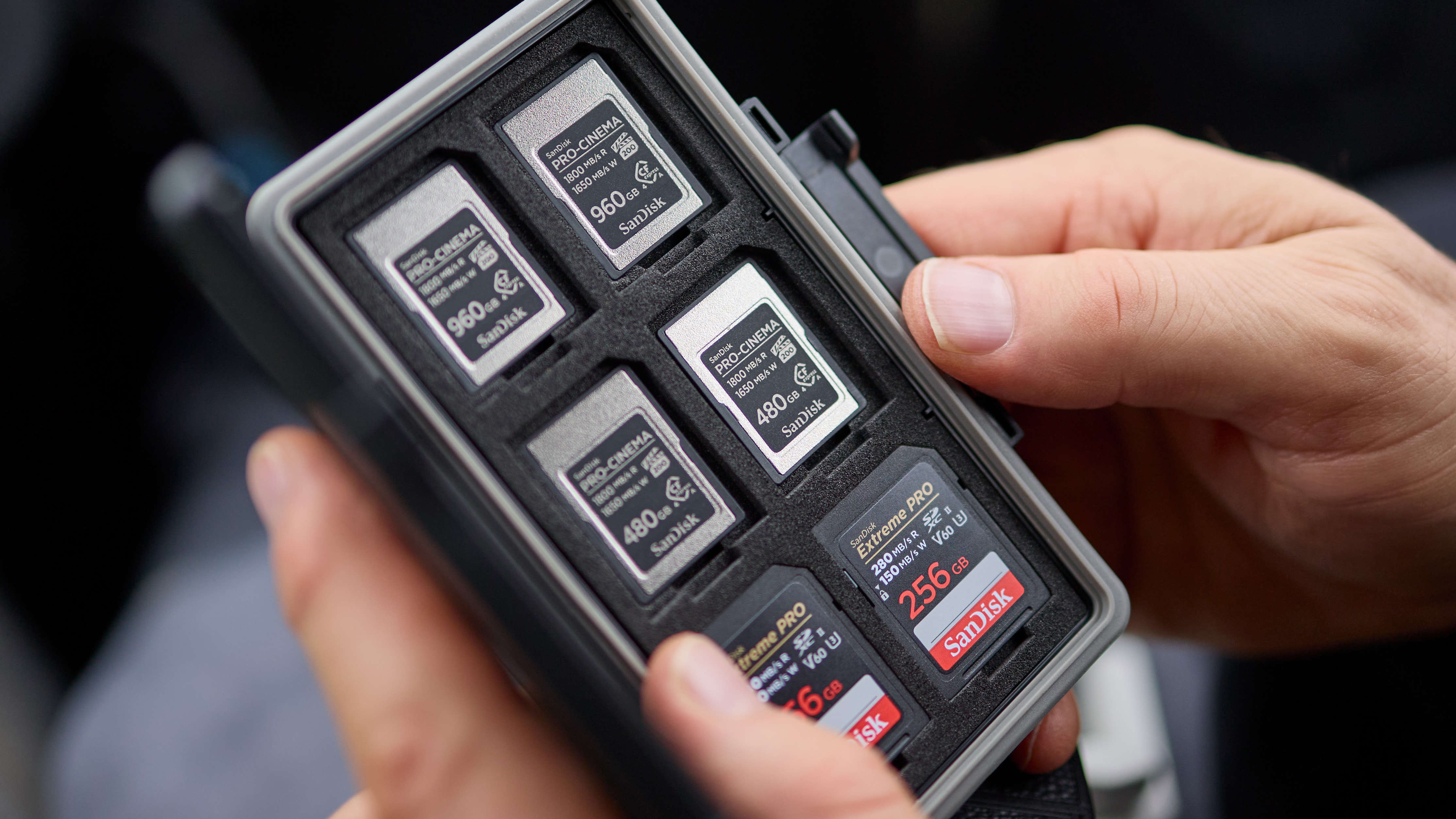
It should be noted that high bandwidth memory isn't actually used in products like consumer memory cards and SSDs, yet these products have still seen huge price rises as a direct result of the HBM chip shortage. The reason for this is likely due to chip manufacturers diverting manufacturing capacity to the more lucrative HBM sector, and away from the NAND flash used in memory cards. And it's this reduced supply of NAND chips that has caused the price of SD and CFexpress cards to increase so dramatically.
So if you’re in need of a new memory card, check out what we rate as the best memory cards for your camera, with the best prices available right now.
Story credit: NewsBytes