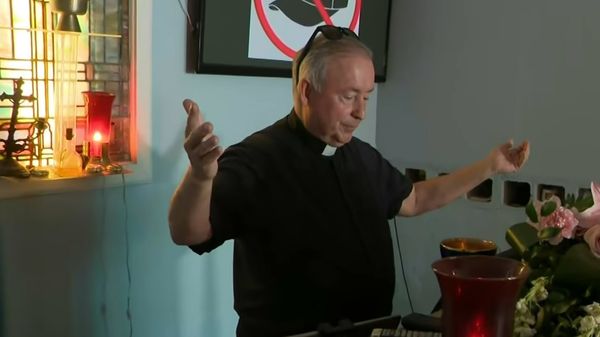
A railway chaplain has dealt with 37 tragic suicides in just nine months.
Reverend Mike Roberts has spent an immeasurable amount of time supporting hundreds of railway staff and commuters in the traumatic aftermath of suicides that take place at railways stations or on the tracks, since he started the work last August.
The 38-year-old has said he is shocked by how many suicides he has dealt with in such a short space of time.
He said: "In one week there were four incidents of people ending their lives by stepping out in front of a train in the area I cover.

"And an average of more than one suicide each week.
“The youngest person was 13 and the oldest 82."
While working as a parish minister, Rev Mike came across one suicide in 12 years but he said he could never believe the impact they could have until now.
He added: "The impact is huge, not just for those whose friends and family members lose their lives, but for those who, sadly, witness it.
"I would appeal to passengers to be aware of others around them, to reach out to people who might look lost, who don’t seem OK.
“You can save a life.”
As Rail Industry and British Transport Police Chaplain, Mike is employed by the Railway Mission, a Christian charity with specially trained people who offer friendship and a listening ear to anyone connected with the nation’s railways, and one of a team of 20.
His role is recognised by Network Rail and the rail companies and is aimed at supporting staff, and passengers – with faith and without – with personal issues, work-related concerns …or coping with the emotional toll caused by witnessing someone who takes their own life.
He said: "I have met one driver who hasn’t been able to even step on a train since.
“When I started this job I don’t think I appreciated the power of the situation.
"People taking their own lives is accepted as something that is part and parcel of working on the railway but it is something no-one can ever prepare for."
In 2018 there were 340 railway suicides, including underground and tram systems.
Mike from Warrington , who is married to fellow minister Rebecca, explained what it is like for those left behind after a suicide and the people who witnessed it.
He said: "When it happens there is, of course, the devastating effect on those who knew the person, but it impacts, too, on the rail teams – the drivers,the conductors, British Transport Police, staff at the scene and passengers."
Mike says that the biggest challenge on the railways is with men aged 20-45, although he has dealt with men and women, young and old, unemployed and in high-powered jobs.
Rail companies have considered ways of making railways and railway stations ‘risk-free’ but Mike accepts that if someone is determined to end their own life they will find a way. What could make a difference is reaching out to those fellow passengers clearly in distress.
Railway Mission is supporting the Samaritans’ campaign, Small Talk Saves Lives, which stresses that for every life lost on the railways, six are saved by the people around them.
It’s trained thousands of rail staff a year in suicide prevention. Now, together with Network Rail, British Transport Police and the wider rail industry, it is encouraging the public to help.
As the campaign states: “If you see someone on a platform who you think might need help, trust your instincts and start a conversation.
“You could help save a life.”
Signs someone may need help
How somebody behaves when they're experiencing these thoughts is different for every person. But here are some signs someone may be at risk:
- Standing alone or in an isolated spot
- Looking distant, withdrawn or upset
- Staying on the platform for long periods of time/failing to catch trains that stop
Perhaps someone just looks out of place, or something isn't quite right;. If you feel this way, trust your instincts and start a conversation.
What next?
Think SAM.
S - tart a conversation: Small talk is a great start. You could then ask if they’re okay, introduce yourself
and encourage them to talk. There may be some silences before they respond, but just try to be
yourself.
A - Alert others: You don’t need to manage on your own – get the attention of a member of staff (some
of whom have been trained by Samaritans), ask a passer-by to alert somebody or call the police. Ask
the person if there’s someone you can call for them.
M - Move them to safety: Encourage them to sit down somewhere safe and quiet. Suggest a hot drink somewhere – this might be a place where there are members of rail staff around to support. You could mention sources of help, including Samaritans and their GP, as well as friends and family.