Paul Weller, Kneecap, Massive Attack and Paloma Faith are among the 1,000-plus artists to sign an open letter calling for fans to boycott the 2026 Eurovision Song Contest.
This year’s event is set to take place next month Vienna, Austria, with continuing controversy over the decision to allow Israel to participate. The competition in May will mark the third consecutive year that Israel has taken part.
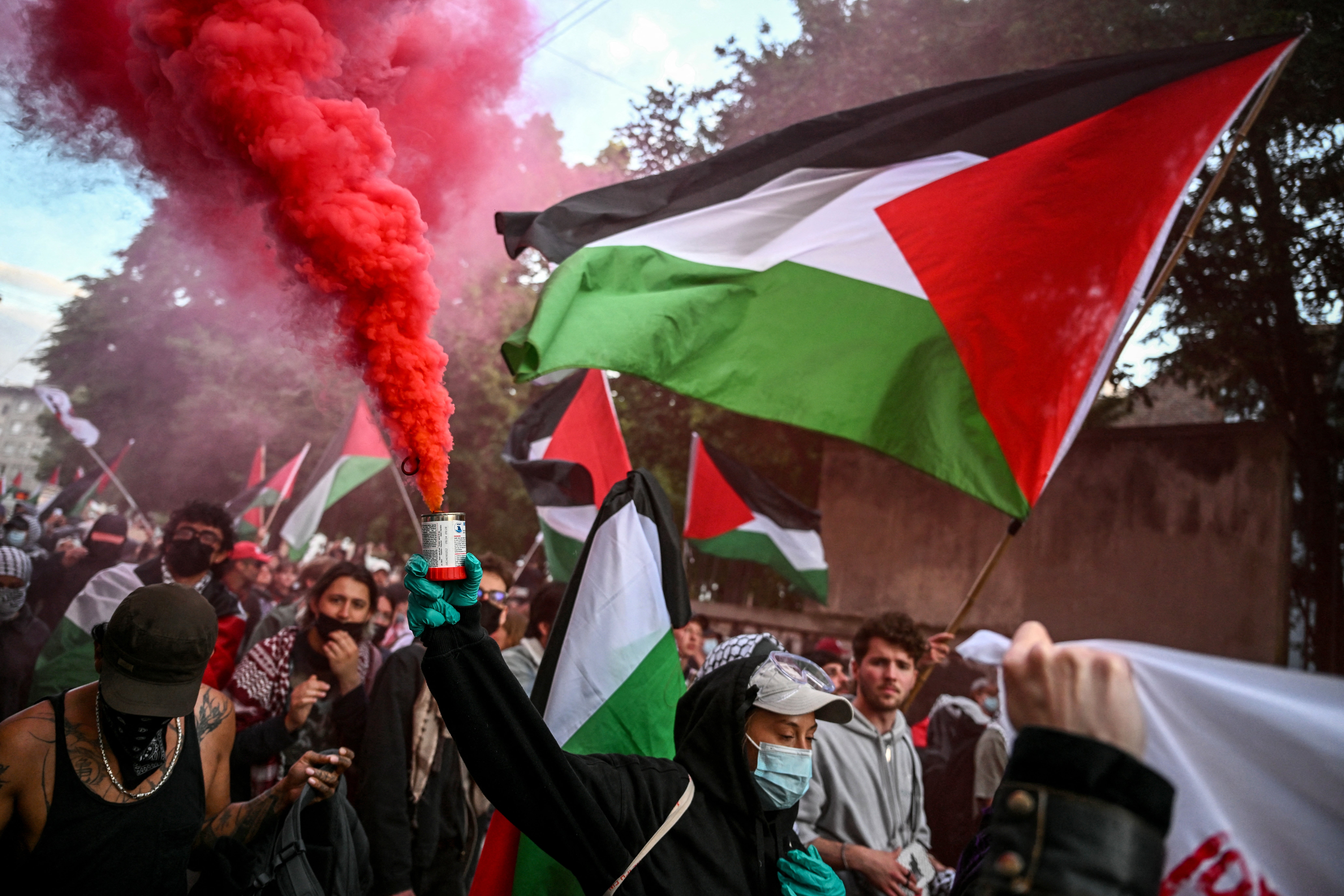
On Tuesday (21 April), a letter organised by No Music for Genocide and the BDS movement called on fans and performers to boycott Eurovision unless the European Broadcasting Union (EBU) bans Israel’s public broadcast KAN from the contest.
“As musicians and cultural workers, many living within the reaches of the [EBU], we reject Eurovision being used to whitewash and normalise Israel’s genocide, siege and brutal military occupation against Palestinians,” the letter states, in part.
“We stand in solidarity with Palestinian calls for public broadcasters, performers, screening party organisers, crew, and fans to boycott Eurovision until the EBU bans complicit Israeli broadcaster KAN.”
Organisers applauded the five countries – Spain, Ireland, Iceland, Slovenia and the Netherlands – for withdrawing from this year’s contest in protest over Israel’s participation, as well as “the many national selection finalists committing to refuse to go to Eurovision”.
They later added: “As artists, we recognise our collective agency – and the power of refusal. We refuse to be silent. We refuse to be complicit. We call on others in our industry to join us. And we stand in solidarity with all principled efforts to end complicity in every industry.”
The letter has been signed by Brian Eno, a longtime supporter of the BDS movement, along with Bristol trip-hop group Massive Attack, pop singer Paloma Faith, rock musician Paul Weller, Peter Gabriel, Irish hip-hop trio Kneecap, electronic group Hot Chip, rock band IDLES, musician Nadine Shah, Roger Waters and rapper Macklemore, among others.
Israel has consistently denied that it is committing genocide in Gaza, framing its attacks as self-defence against Hamas following the 7 October 2023 attacks.
In September 2025, a UN inquiry concluded that Israel is committing genocide in Gaza. In March, Israel’s parliament passed a law approving the death penalty for Palestinians convicted of murdering Israelis, a measure condemned by Israel and Palestinian rights groups who branded it racist and draconian.
Dahlia Scheindlin, an Israeli analyst and visiting scholar at the University of Pennsylvania, told The Guardian last year that a Eurovision boycott could have significant impact.
“It is a cultural phenomenon in Israel,” she said. “They love it. It’s seen as a total source of national pride that Israel participates and does a good job and has occasionally won. I don’t have a precedent for how Israel would react if they were kicked out.”
Eurovision is the world’s biggest music event, attracting 166 million viewers last year – more than the Super Bowl halftime show and the Grammy Awards combined – when it was held in Basel, Switzerland.
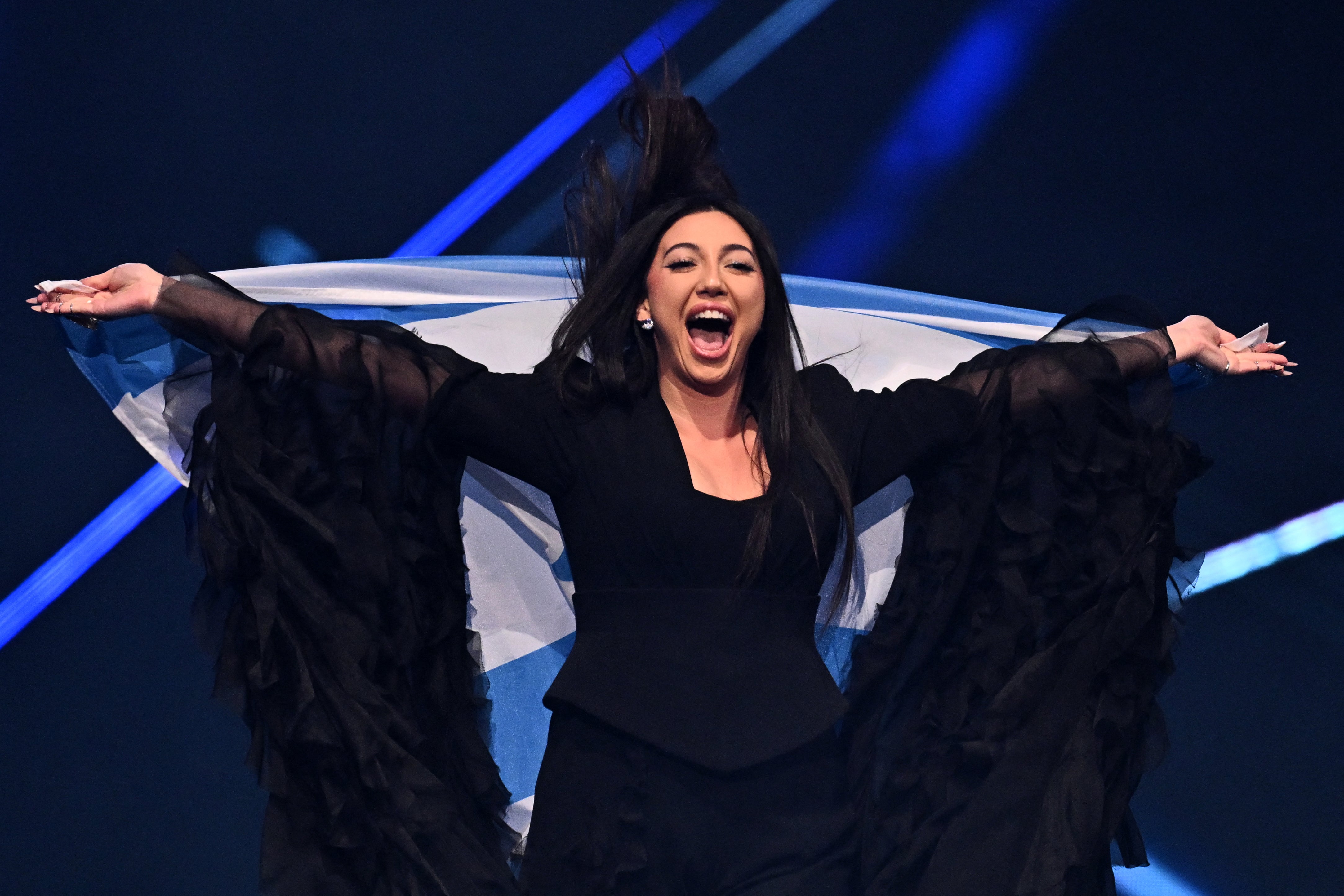
Last year’s Eurovision final was particularly tense; Austrian entry JJ won with his song “Wasted Love”, narrowly beating Israel’s singer Yuval Raphael.
The EBU has repeatedly defended its decision to allow Israel to take part in the Eurovision Song Contest, despite allegations of hypocrisy after it banned Russia in 2022 in response to its invasion of Ukraine.
It did not hold a vote on Israel’s participation for 2026, instead asking broadcasters to vote on whether to introduce new rules designed to prevent governments and third parties from disproportionately promoting songs to influence voters.
In a statement issued after its general assembly on 5 December 2025, it said a “large majority” of members had agreed that there was no need for a further vote on participation, and that “the Eurovision Song Contest 2026 should proceed as planned, with the additional safeguards in place”.
This includes a change to the public voting system after the Israel government was accused of breaking the spirit of the contest’s rules by encouraging citizens abroad to use their 20 allotted votes for Raphael.
In future contests, including the 2026 event, no viewer will be permitted to cast more than 10 votes on the night.
The UK is being represented at Eurovision this year by the electronic artist and producer Look Mum No Computer, real name Sam Battle, and his song “Eins, Zwei, Drei”.
Look Mum No Computer makes candid admission at live Eurovision performance
Massive Attack and Tom Waits just released the most powerful protest song in years
Eurovision Song Contest star ‘signs up for Strictly Come Dancing 2026’
UK’s Eurovision entrant welcomes baby just weeks before contest
Delta Goodrem aims to channel music icons for Eurovision glory
Eurovision song contest launches first-ever Asian edition in Bangkok