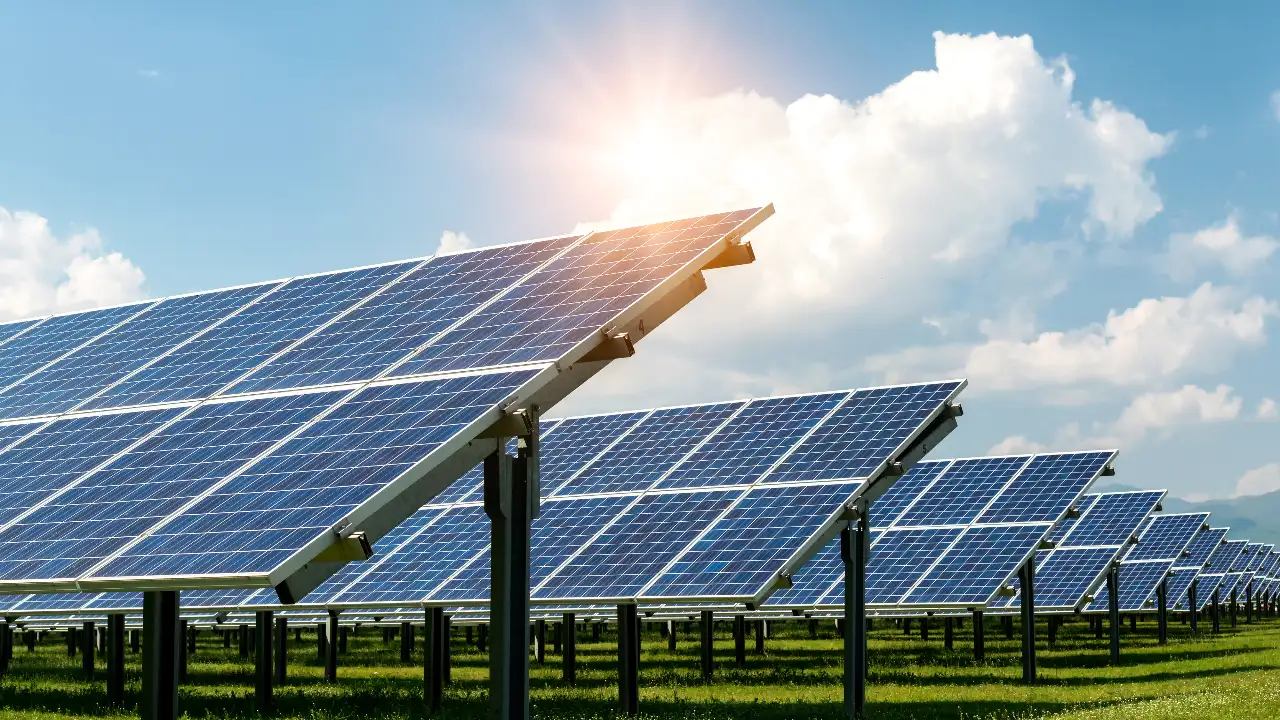
One Massachusetts farm is showing how farmers could turn that problem into an opportunity. Instead of choosing between farmland and solar power, the farm has combined the two. According to a report by The Pulse, the project features 832 elevated solar panels installed above active berry fields, creating a system that produces renewable electricity while also providing shade for crops.
The unusual approach is part of a growing agricultural practice known as agrivoltaics, where solar energy production and farming take place on the same land.
Massachusetts farm finds a new use for solar panels
Rather than covering valuable farmland with conventional solar installations, the project uses elevated solar panels positioned high above the berry plants. The panels are designed to follow the sun while allowing farming operations to continue underneath.
The structures stand about 9.8 feet above the ground, providing enough clearance for tractors, farm equipment and workers to move through the fields.
That means the same piece of land can serve several purposes at once: growing food, generating clean energy and creating another potential source of income for the farm.
What is agrivoltaics?
Agrivoltaics is a relatively new approach that combines agriculture and solar power generation. In a conventional solar farm, panels occupy large areas of land primarily for electricity generation. Agrivoltaic systems, however, are designed so crops can continue growing beneath or between solar panels.
For farmers, the concept could become particularly useful as extreme heat and water shortages put increasing pressure on agriculture. The Massachusetts project takes the idea a step further by using elevated, sun-tracking solar panels above an active berry field.
During construction, specially designed steel footings and raised cable systems were used to support the structures while minimizing disruption to plant roots and regular farming activities, according to the report.
Solar panels create a cooler microclimate
One of the most interesting aspects of the Massachusetts farm experiment was what happened beneath the panels. Researchers monitored conditions in the fields and found that the elevated solar structures created a cooler microclimate around the crops.
The panels filtered some of the intense midday sunlight, helping lower soil temperatures and changing the airflow across the field.
The shade also helped the soil retain moisture for longer. That could be especially valuable for farmers dealing with increasingly hot summers and drought conditions. By reducing direct exposure to intense sunlight, the panels can slow evaporation and potentially help crops remain hydrated without requiring as much irrigation.
Could less sunlight actually produce better berries?
At first glance, reducing sunlight might seem like a bad idea for fruit crops. Plants need sunlight for photosynthesis, and berries require adequate light to develop properly. Too much shade could potentially affect fruit size, ripening and sweetness.
That was one of the key questions researchers wanted to answer. They monitored the berry plants throughout the growing season, comparing crops growing beneath the elevated solar panels with berries exposed to full sunlight. The results were not what researchers might have expected.
Berries grown under solar panels surprised researchers
As the harvest approached, the berries grown beneath the raised solar panels reportedly showed some notable differences. They were larger, juicier and noticeably sweeter than berries grown in full sun.
The shade appeared to moderate heat stress affecting the plants while also slowing the rate at which the fruit ripened. Rather than damaging the crop, the filtered sunlight and cooler conditions appeared to create an environment that benefited the berries.
The finding is particularly interesting because it suggests that more sunlight isn't always better for crops, especially when temperatures become excessively high.
Solar panels could help farms save water
Water conservation is becoming an increasingly important issue for farmers across the United States. Hotter conditions can cause water to evaporate from soil more quickly, forcing growers to irrigate crops more frequently. During droughts, that pressure can become even greater.
The Massachusetts agrivoltaic project offers a different possibility.
By providing partial shade, elevated solar panels can help keep soil cooler and reduce moisture loss. If similar results can be replicated across other crops and regions, agrivoltaic systems could potentially reduce irrigation requirements while simultaneously generating electricity. That combination could be particularly attractive to farms facing rising energy and water costs.
Can agrivoltaics become the future of American farming?
The Massachusetts project highlights why agrivoltaics is attracting growing attention in the United States.
Farmers are under pressure to produce more food while dealing with extreme heat, drought, unpredictable weather and rising operating costs. At the same time, the country is expanding renewable energy production.
Agrivoltaics attempts to address both challenges on the same plot of land.
The solar panels generate clean electricity, while their shade can potentially protect crops from excessive heat and reduce water loss. Farmers may also gain an additional revenue stream from electricity generation.
However, the technology is not necessarily a universal solution. Different crops respond differently to sunlight and shade, and the ideal balance can vary depending on climate, soil and growing conditions.
Still, the results from the Massachusetts berry fields offer an intriguing glimpse of what climate-resilient farming could look like.
A new model for farms facing hotter summers
The biggest lesson from the project may be that solar panels don't necessarily have to compete with agriculture for land. Instead, they can potentially work alongside it.
For American farmers facing hotter summers and growing water challenges, agrivoltaics could offer a way to protect crops while producing renewable energy on the same farmland.
And in the Massachusetts berry fields, the unexpected finding that shaded berries became larger, juicier and sweeter suggests that the future of farming may not always mean giving crops more sunlight.