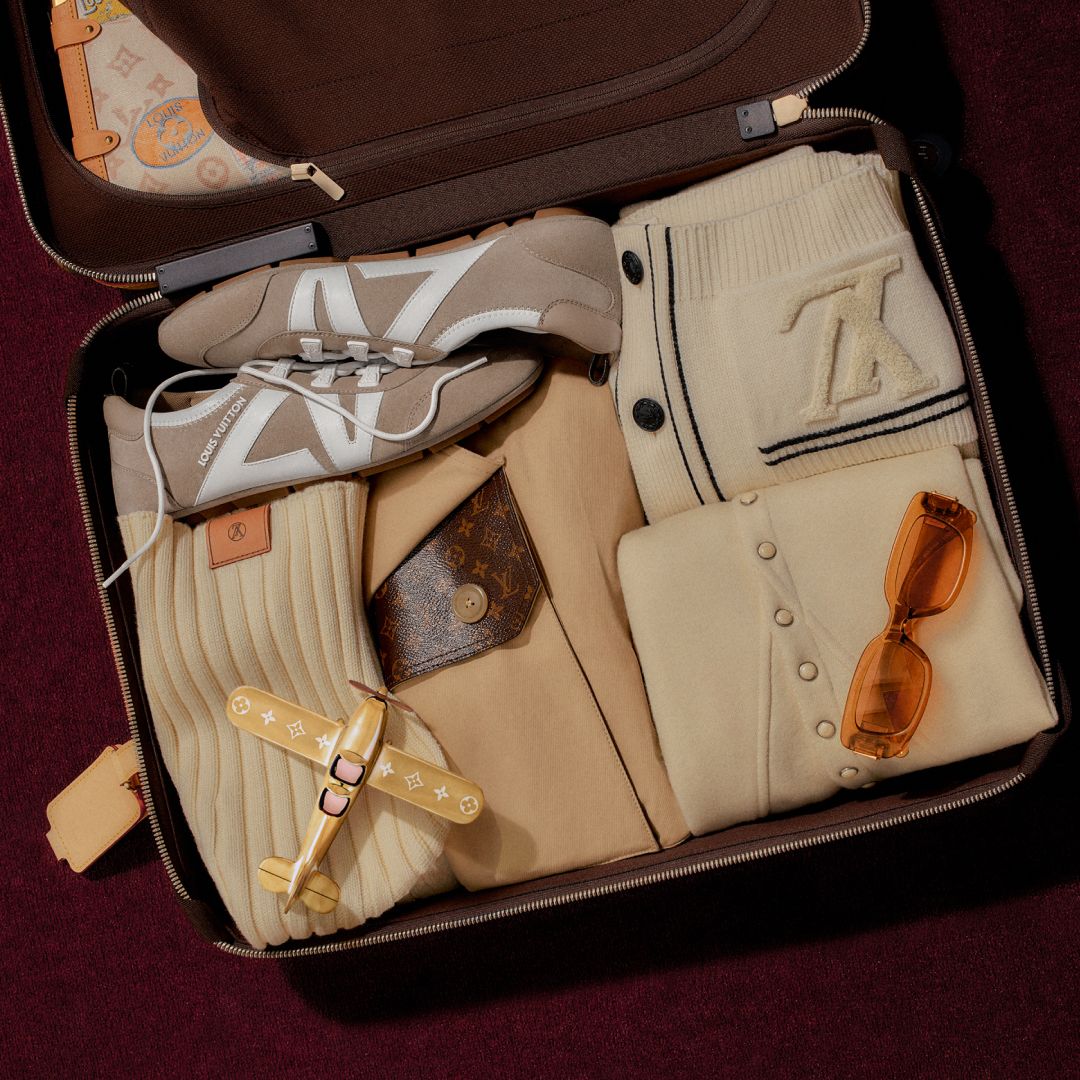
Few silhouettes in recent memory have been as swarmed upon as the ballet sneaker. Mainstream by the first quarter of 2025, a seemingly inevitable marriage of athleisure and the balletcore trend, the shoe quickly transformed into a satin twist at Vivaia, a minimalist take by Adidas, a gym rat version by Nike x SKIMS, and a sneakerhead iteration at Sandy Liang x Solomon. Yet perhaps no version is as palpably luxurious as Louis Vuitton’s hand-crafted Sneakerina, a fast It-girl favorite following its launch by the house last spring.
But it’s one thing to know a shoe is made by hand—at Louis Vuitton, all shoes are hand-crafted in France and Italy, with modern technology playing only a supporting role—and another to see it in person. At the Manufacture de Souliers Louis Vuitton, the house's shoebox-shaped Italian factory I visited in March, I learned that more than 200 processes, 70-plus artisans, and hours of handiwork go into each Sneakerina—an eye-wateringly meticulous process known as savoir-faire.

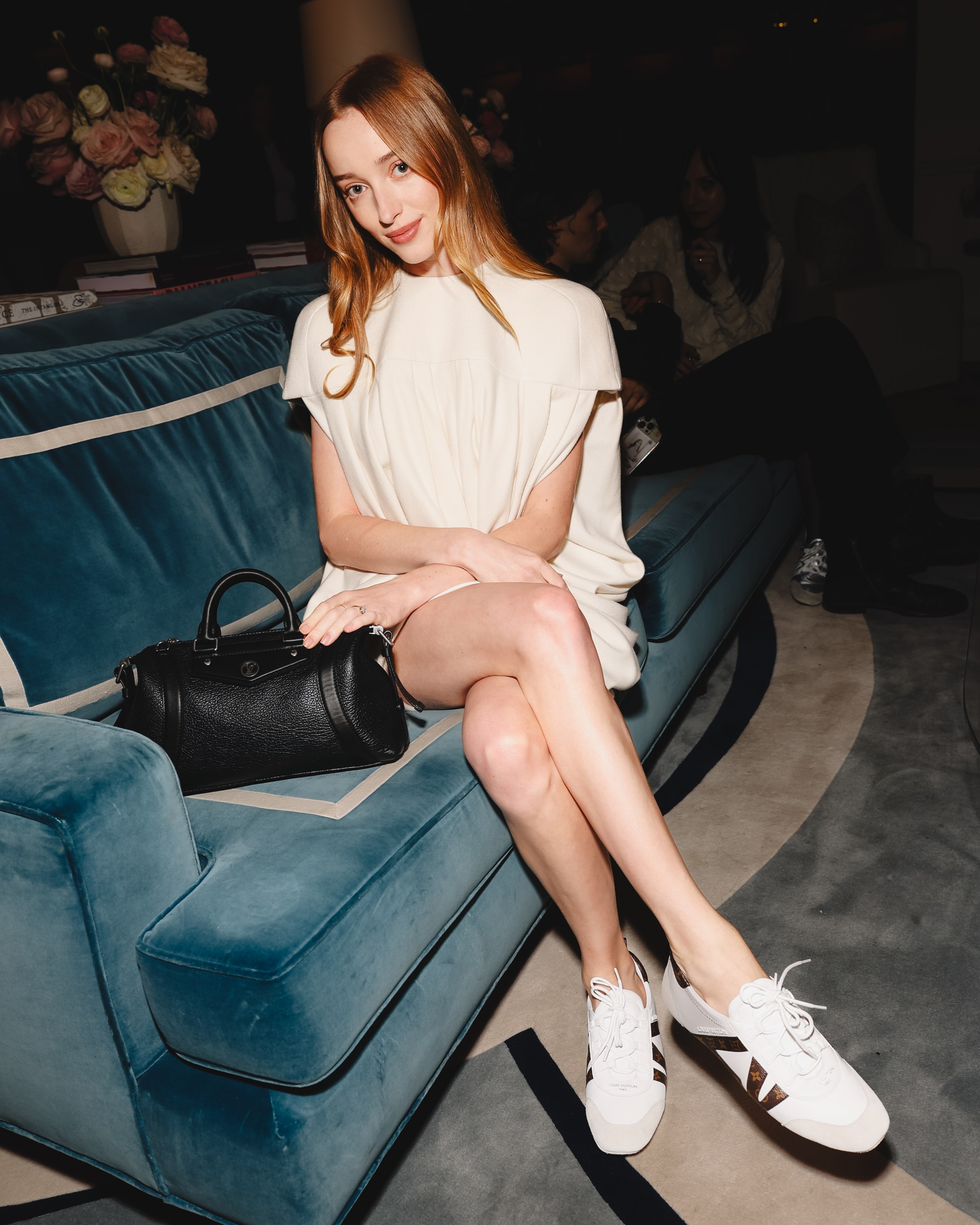
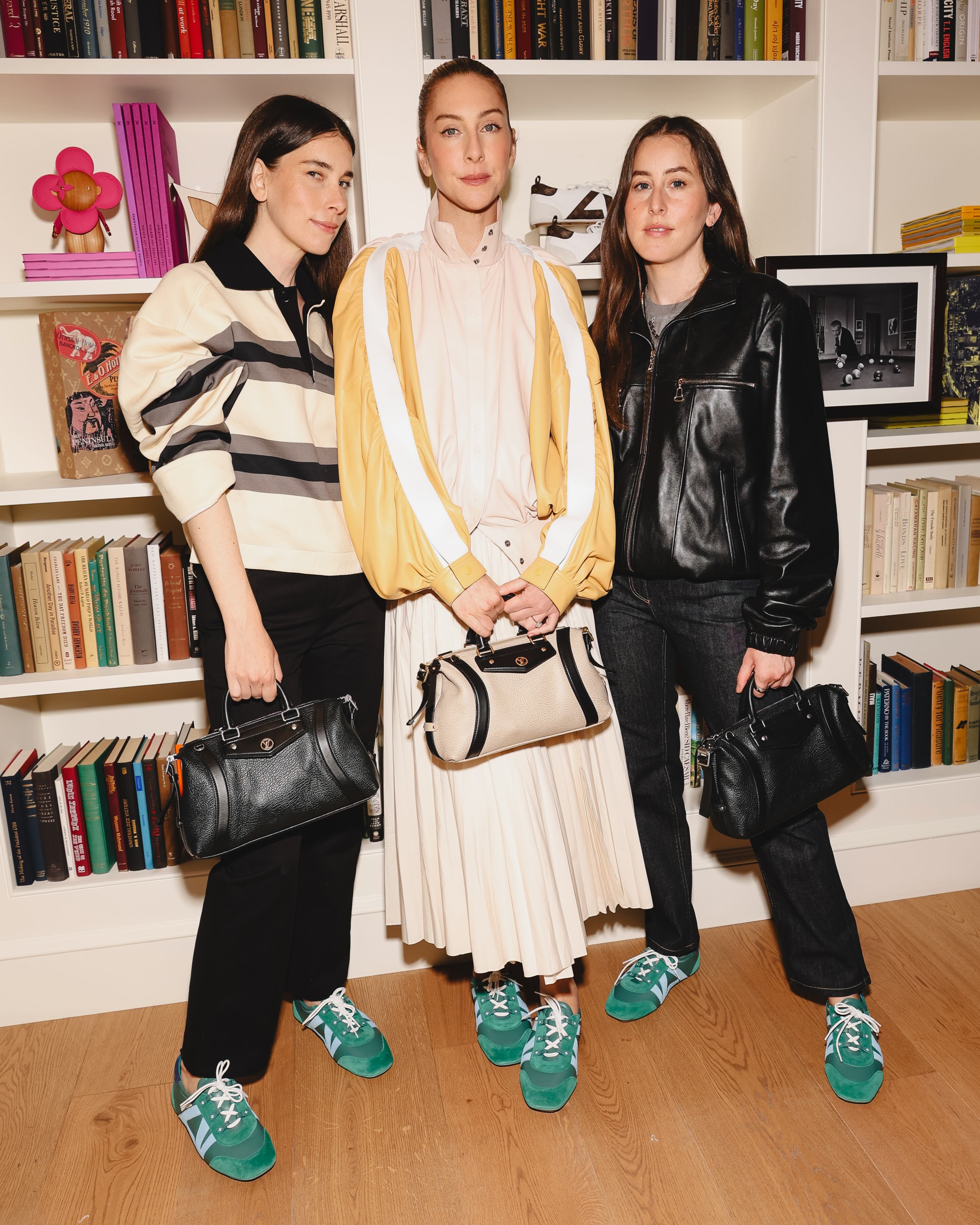
But let’s pull back for a moment. In its final form, the house's Sneakerina marries the delicacy of a ballet shoe—if you so choose, you can bend the Sneakerina sole as you would a slipper—with the ease of a sneaker. It borrows from the best qualities of both styles, culminating in an elegant but low-key silhouette that can be worn with almost anything. Phoebe Dyvenor paired her Sneakerinas with a billowy minidress; Ana de Armas wore hers alongside jeans and a tee. You can build your outfit around a vibrant version, like the Haim sisters, below, or allow a subtle hue to bring your outfit to a stylish close.
That versatility is no accident—it's central to the shoe's origins. Though Louis Vuitton has a team specifically for traditional sneakers, that’s not where the Sneakerina was born. Rather, the shoe was the brainchild of the house's "elegant woman’s shoe" department, where my tour began. Had the Sneakerina been considered a true sneaker, I learned, it would have fallen under the sneaker team—not the group behind the archival Vuitton heels, flats, and boots that lined the space.
Initially considered a twist on the classic ballet flat, the design evolved over time to fuse both sneaker and ballerina elements. Still, for each Sneakerina—the house now offers more than 20 iterations—a green-lit design is just the beginning. First, a wooden model resembling the foot is created, known as a "last." That "last" is digitally and then physically recreated, becoming the foundation on which the shoe is crafted.
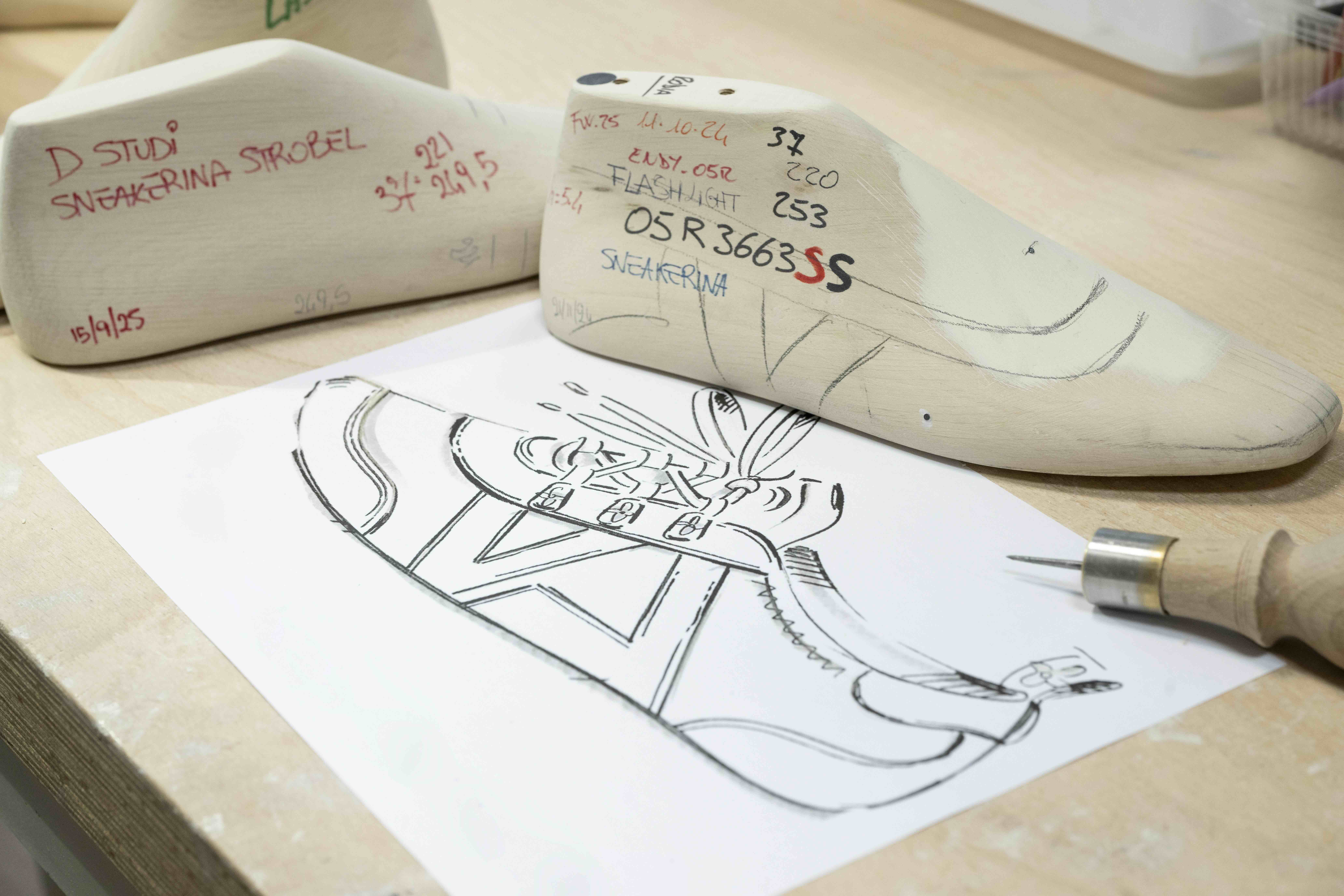
After that, the saccheto construction—a prestigious Italian technique that ensures a supple, lightweight fit—takes center stage. Artisans on the house's factory floor stitch the ballerina-esque "upper" directly onto the insole, inside out, before turning it around by hand. The process removes the need for a traditional insole, which would stiffen and weigh down the shoe. It also keeps the shoe flexible, meaning it molds easily to the foot that ultimately inhabits it.
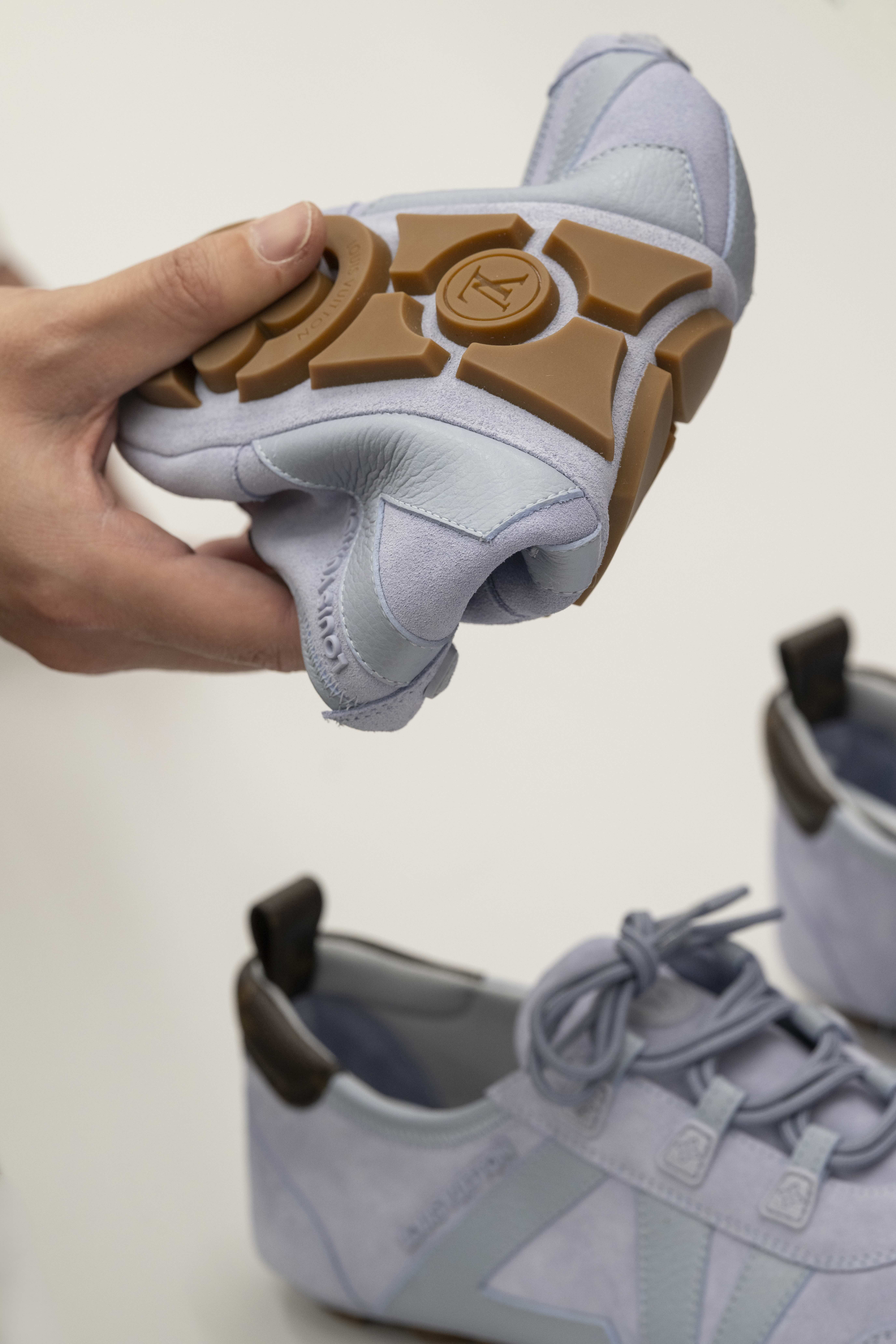
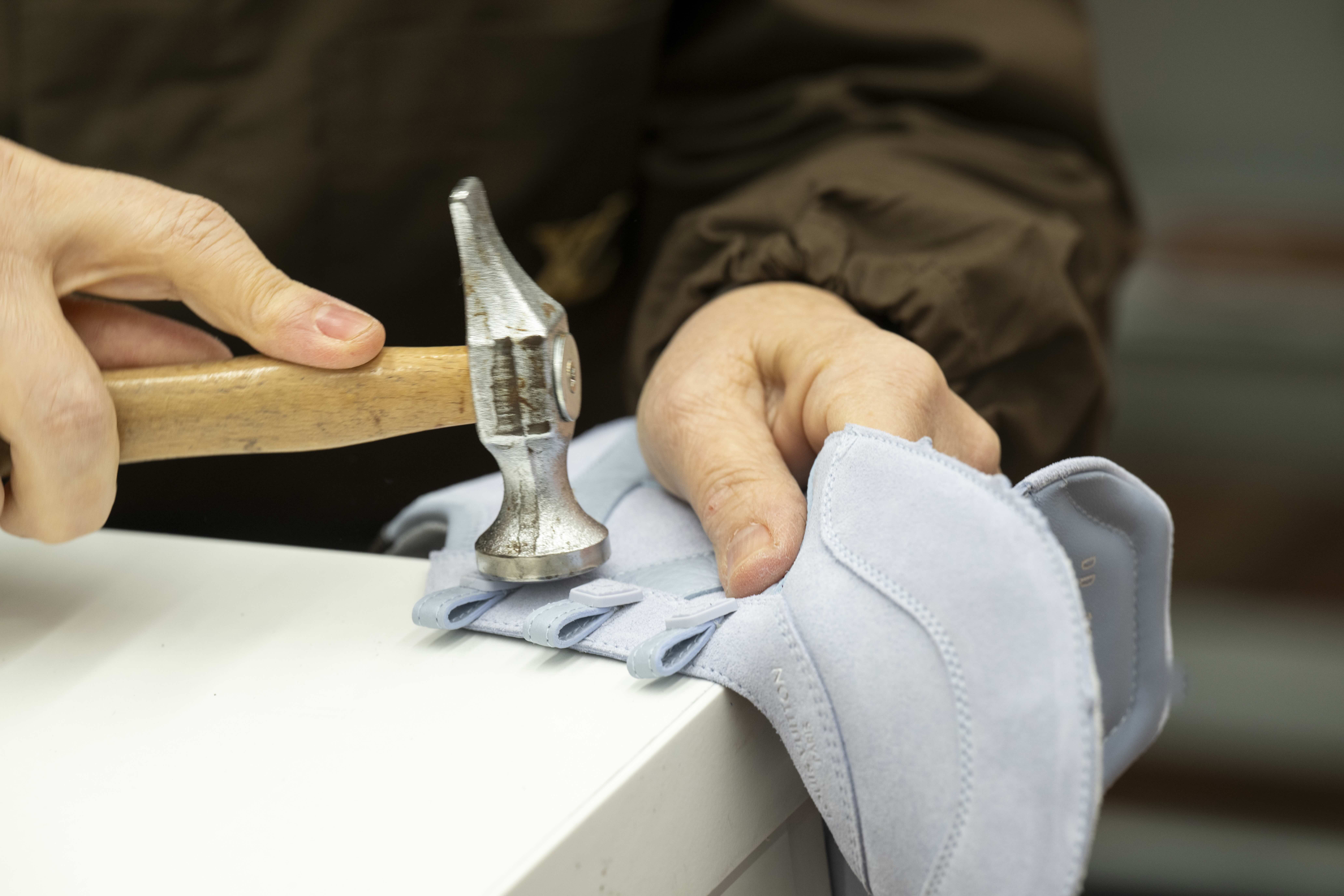
I wandered the factory floor for a half-hour, watching men and women in Louis Vuitton smocks perform specialized, Sneakerina-specific tasks: cutting by hand hides and other fabrics; molding soles over the wooden "lasts"; examining the leather, the stitching, the trademark double laces. Finally, almost ceremonially, each shoe is checked one final time, then stuffed and wrapped in tissue paper for its owner-to-be.
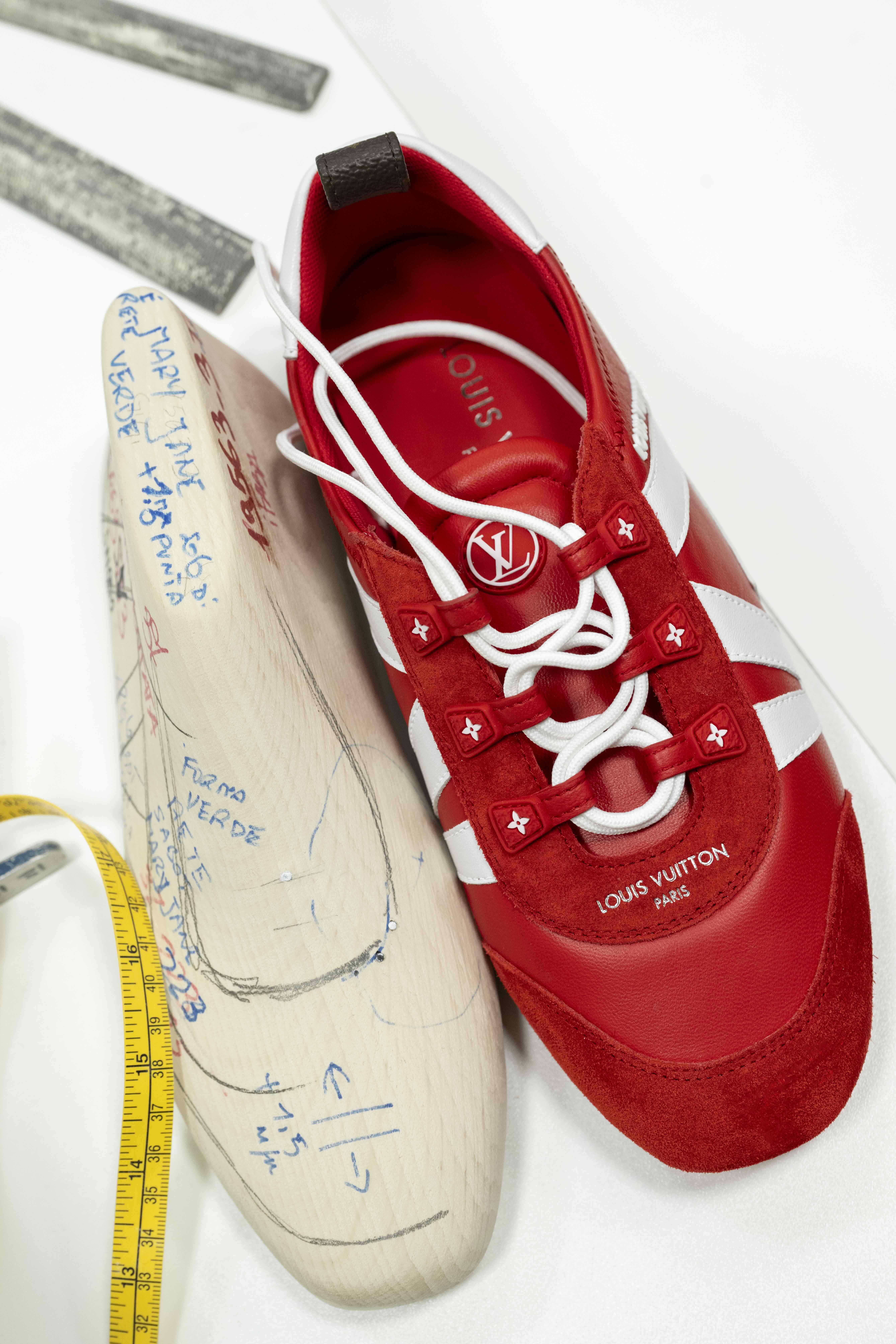
One week later, back in London, a bag in that unmistakable saffron shade showed up at my door. Inspired by de Armas, who debuted hers with white jeans weeks after the launch last spring, I'd chosen the Noisette, a versatile hazenut pair with a white LV signature. I opened the bright box like a little kid on Christmas: diving gleefully through layers of tissue paper, slipping into the shoe before I'd even put away the packaging. It cupped my foot like a ballet slipper, but slid into my wardrobe with a sneaker's everyday ease. I've hardly taken it off since.