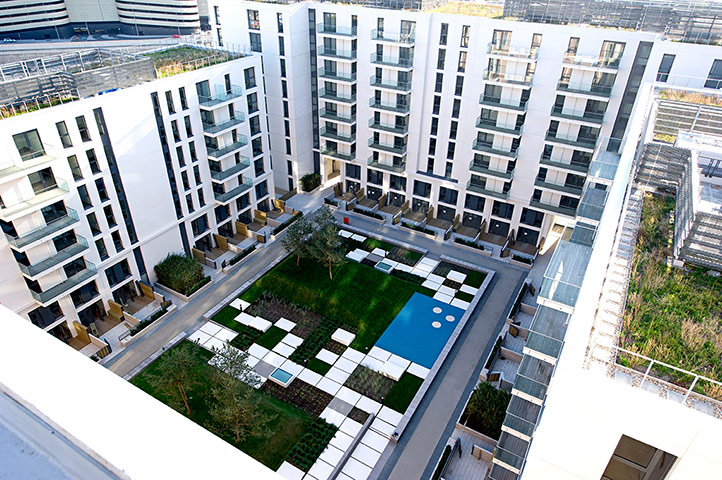
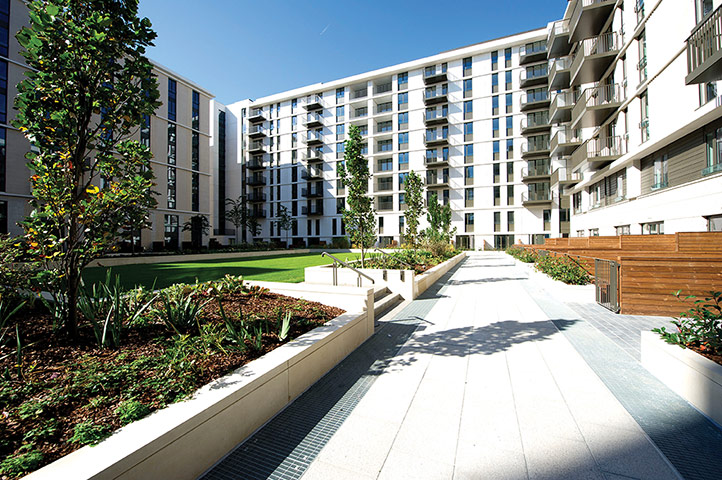
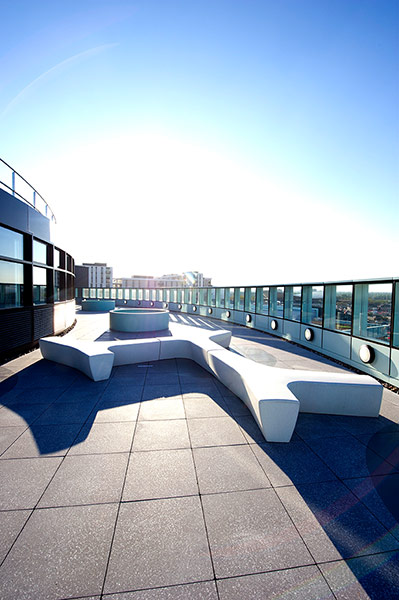
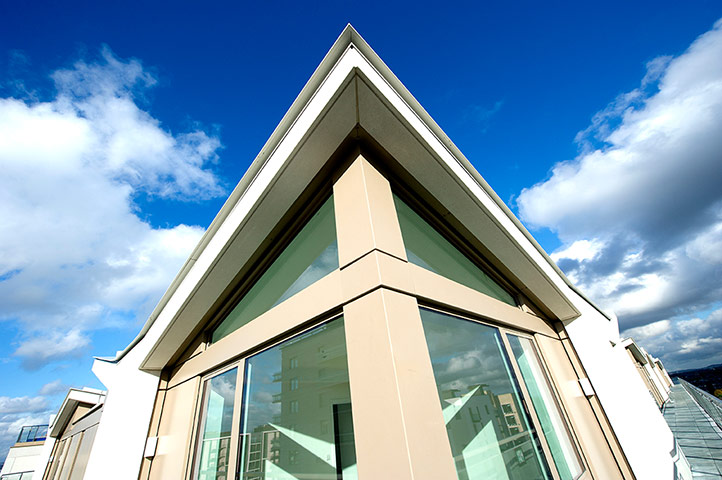
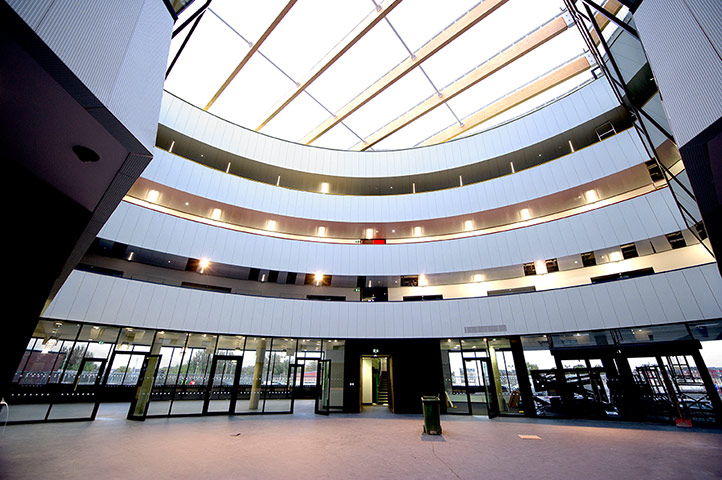
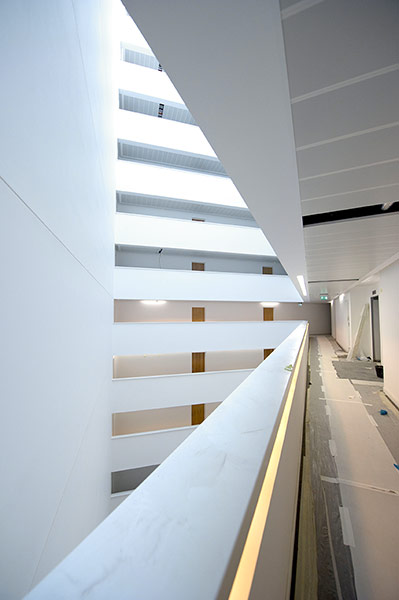
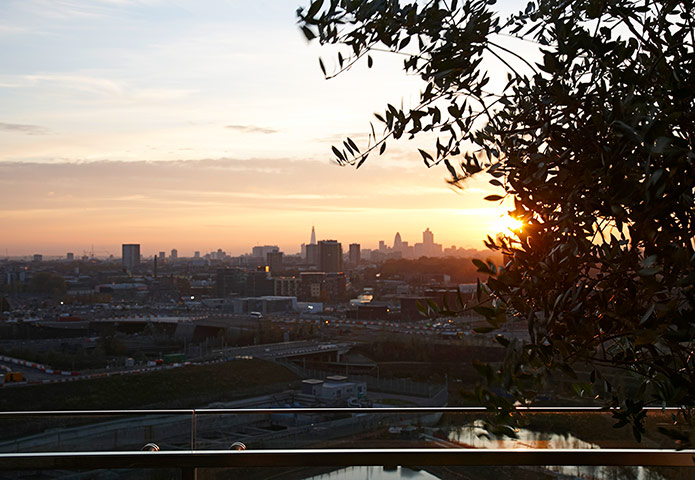
'The development seeks to emulate the much-loved planning of Maida Vale and other parts of Victorian west London,' writes Rowan Moore, 'where the interiors of blocks are given over to gardens shared by residents.'Photograph: PR'Around the bottom of the blocks are bands of what are called “town houses” – three-storey units with further floors of flats stacked on top of them.'Photograph: PR'There is a degree of calm to the buildings, compared to the frenzied gesticulations, the visual shouts of “buy me, buy me” that typify most works of regeneration'Photograph: PR
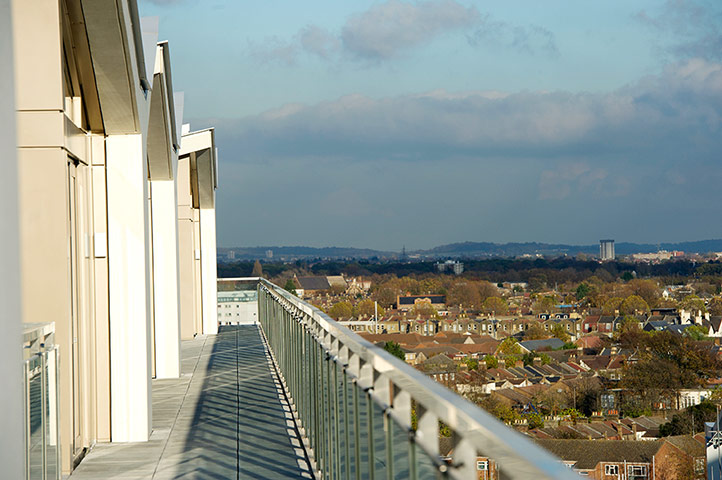
'The village also features such radical ideas as balconies that are big enough for a table and chairs and it is all made of solid, enduring-looking stuff rather than the ticky-tacky cladding favoured by most urban home-builders.'Photograph: PR'There are the attempts of different architects to liven up the basic formula – explorations of the expressive possibilities of rearranging windows, for instance – but they can only go so far.'Photograph: PR'It has to be said that the look of the village is a tad forbidding, not indeed very villagey at all.'Photograph: PR'The architects are all fine people, but they struggle to overcome the relentless order of the grid and the construction.'Photograph: PR'Although the original masterplan had the best intentions to join up the village with nearby neighbourhoods, it has a disconnected feel. If you want to walk to the centre of Stratford, and the tube station, you must first cross the giant concrete trench of Stratford International station and then creep round the inhospitable edge of the Westfield shopping centre.'Photograph: PR
Sign up to read this article
Read news from 100’s of titles, curated specifically for you.