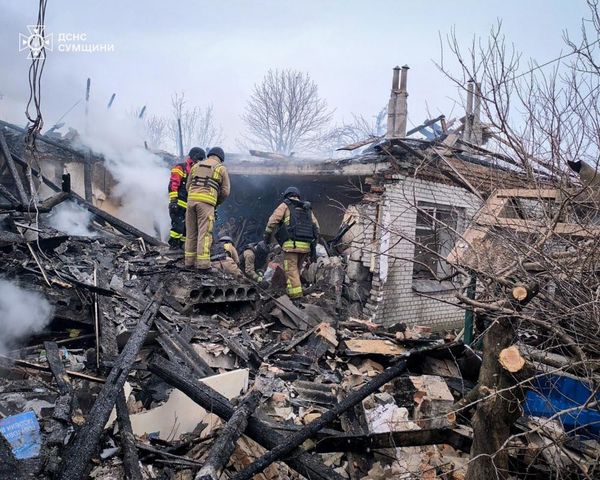
The air has never been so thick with trauma, pain and grief world over as it has been in last couple of years. Every other person and household seems to have been affected by physiological or psychological fatigue, stress or pain. It is difficult to find solace or support, since everyone is caught up with their own trials or trauma. Although it is heartening to see organic emergence of support groups where bereaved people come together to hold space, comfort, inspire and strengthen each other, yet many grievers feel alone, even lonely and lost in their private grief journeys. I get to see this closely in my work and service as a ‘Grief and Growth’ specialist.
Bereavement can shatter us to the core. Our world-view, life-view and overall sense of well-being come apart. The cry of heart is the first to be felt. But the cry of body remains unnoticed. From loss of appetite, insomnia, vague body aches, low grade fever to more acute symptoms like diabetes, hypertension or even cardiac stress, the body gets weighed down by trauma. Mental functioning too gets affected, what with many in grief experiencing fuzziness, confusion, absentmindedness, or even memory lapses. Such effects are generally phasic and transient, but in complicated and prolonged grief cases, they may run deep and long.
Life nonetheless keeps moving, and we need to learn to move along. I pause here to clarify that “moving-along” is different from the cliched advice of “move-on”. No matter how good your intention, please avoid telling those in grief to “move on”, “let go” or “be strong”. Often out-of-context, such cliches and platitudes tend to harm more than they help. Returning to the point about “moving-along” with life, the practice of “mindfulness” is immensely helpful.
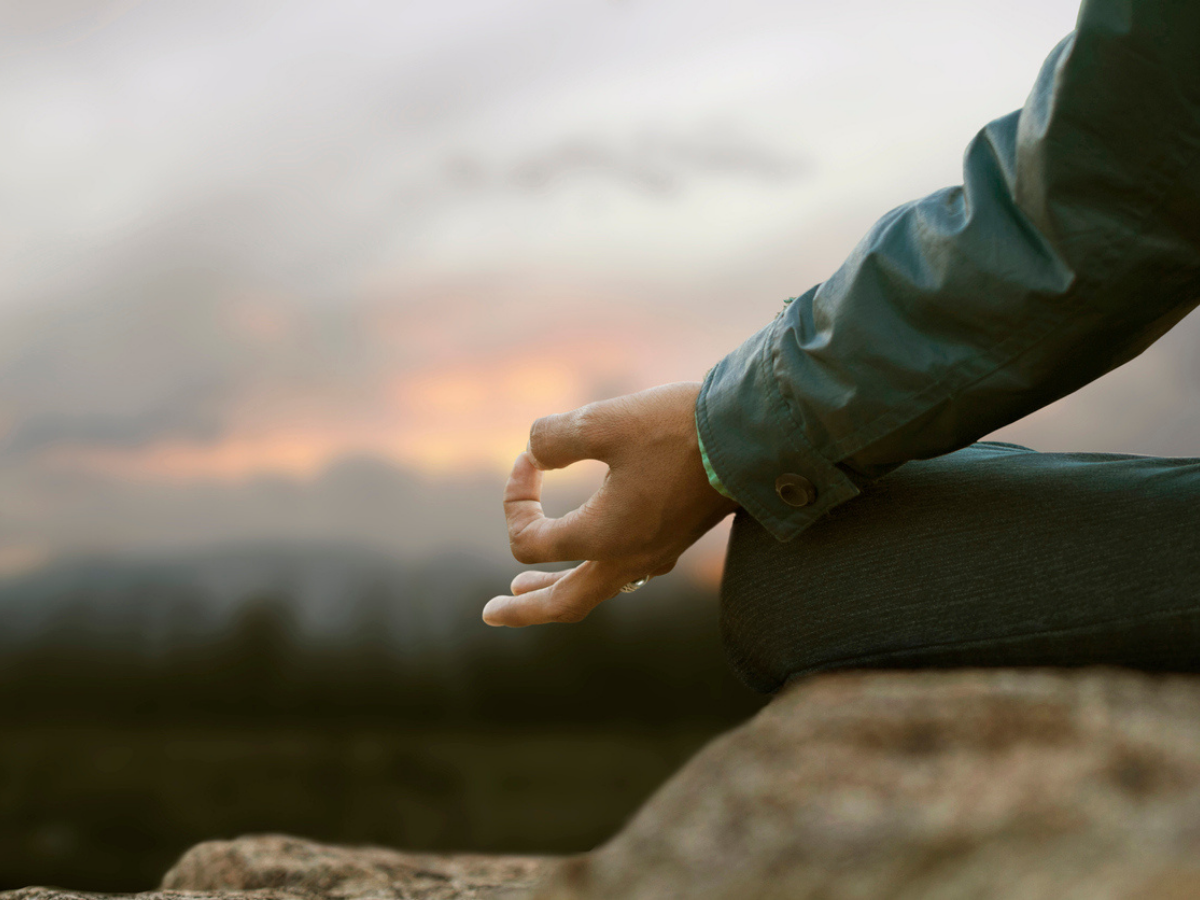
“Mindfulness” is both a state of being as well as a meditative practice. It is the ability to be fully present and aware in the moment. Being human we do get affected by life events or experiences. In a mindful state though, we do not feel the urge to react or get overwhelmed by the weight of our circumstances or emotions. We are able to notice and acknowledge things as they are. Being mindful of our state helps us calm our in-pain senses. We are able to affirm our grief, stay centred, adapt to our loss-altered life, and care for others and ourselves with compassion and consideration. Mindfulness supports us in our journey to re-anchor ourselves on a moment-to-moment basis, as we begin to create a new soil-bed for life to navigate our post-loss world.
Inculcate a mindful way of being. Begin by breathing deep, mindful and aware, at least twice a day, even if for short spells of ten minutes each. Drink water in gentle mindful sips. Eat right and slow. Go for a walk. Soak in the colours and sounds of nature. Savour with mindfulness the hope that sunrise radiates and the sense of faith that sunset emits. If you like the idea, learn to meditate, preferably from a credible forum or teacher. Mindfulness is what you need to transform the grief journey into growth and grace pilgrimage. Learn more in my book “Grief ~ Growth ~ Grace – A Sacred Pilgrimage”. Until then, breathe deep, stay mindful and affirm your grief.
Dr Neena Verma is a ‘Grief & Growth’ Specialist, Resilience Coach, Appreciative Inquiry Expert, and author of “Grief ~ Growth ~ Grace – A Sacred Pilgrimage”. You can reach her at drneenavermachimes@gmail.com