Living with ataxia: 'People just think we're drunk' - in pictures
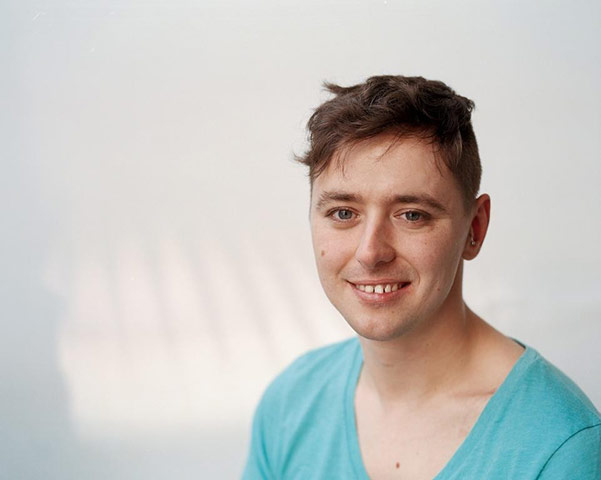
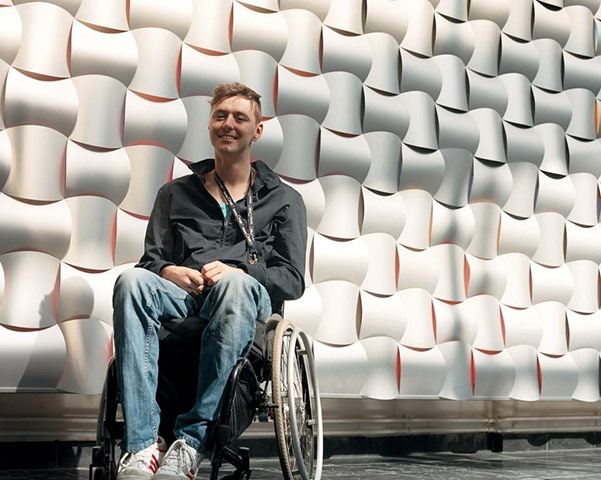
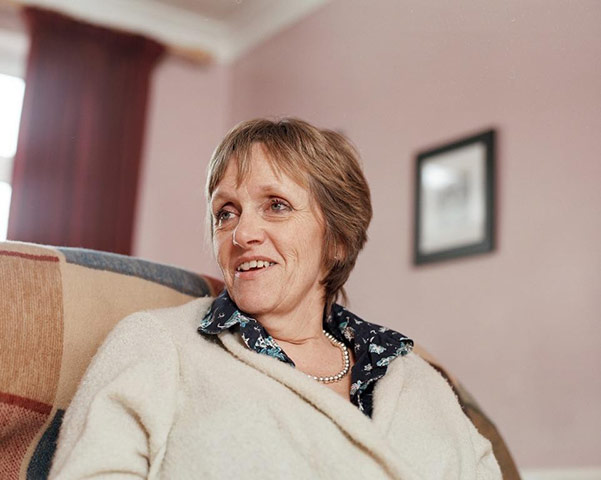
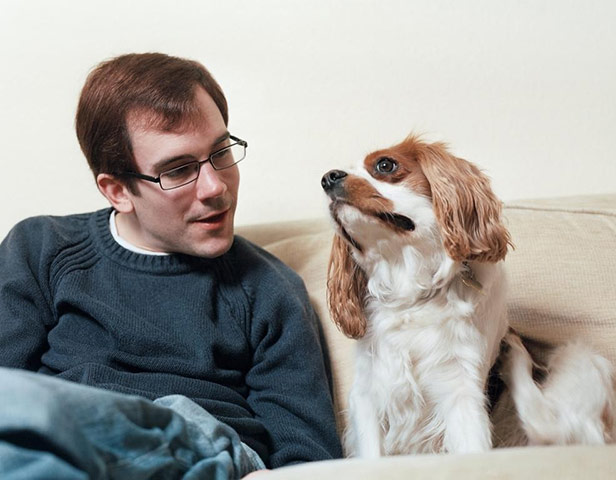
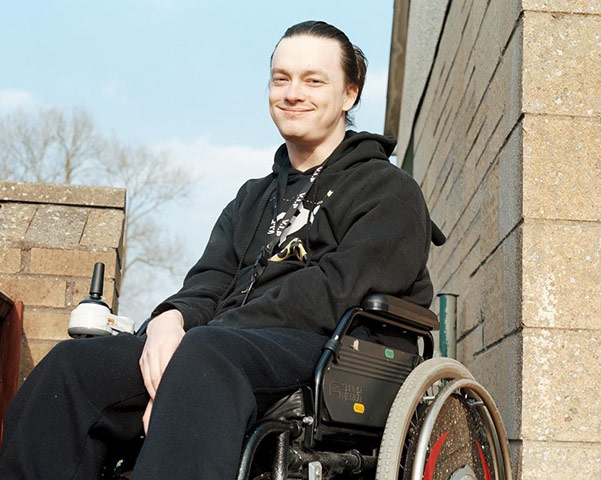
Chris Hobson, 26: “I took part in the photographic project because I hope that, if people understand the way ataxia affects my speech and movement, they won’t assume that I’m drunk. Even now, the most difficult thing about being in a wheelchair is the way people avoid me. People are very happy to talk about me, but they're not so happy to actually talk to me.”Photograph: Cléon DanielChris Hobson developed Friedrich's ataxia when he was 12, and is now in a wheelchair full time. There are many different types of ataxia, that can strike at different times of life, but all affect movement, coordination and speechPhotograph: Cléon DanielDee Johnson, 55: “It is good to see how my brother and sister cope with their ataxia. It gives me hope. My daughters grew up around ataxia but many people haven’t heard of the condition and I hope this exhibition will help to change that.”Photograph: Cléon Daniel
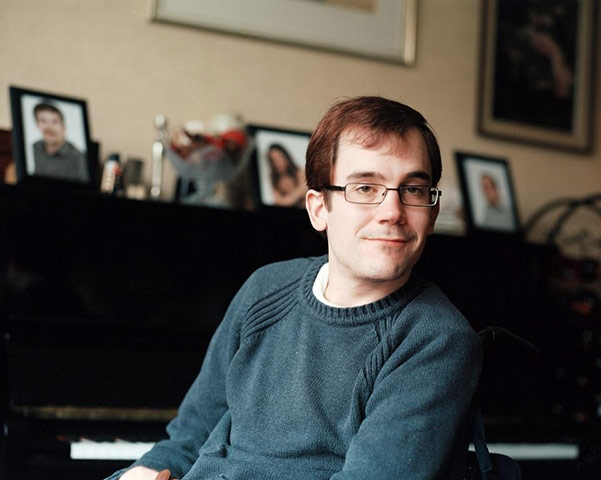
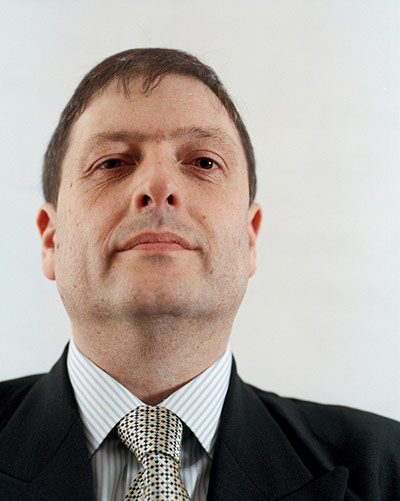
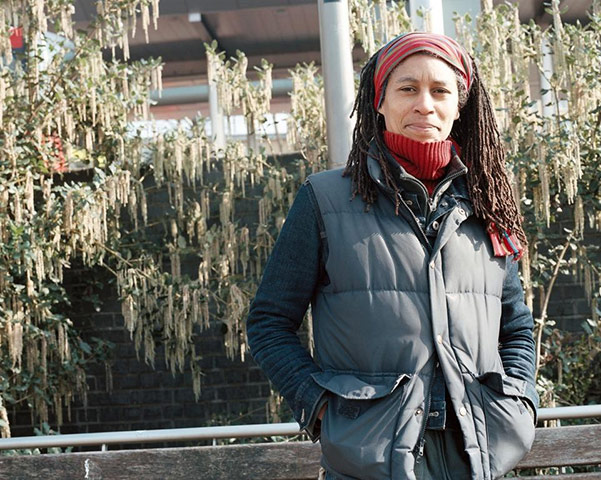
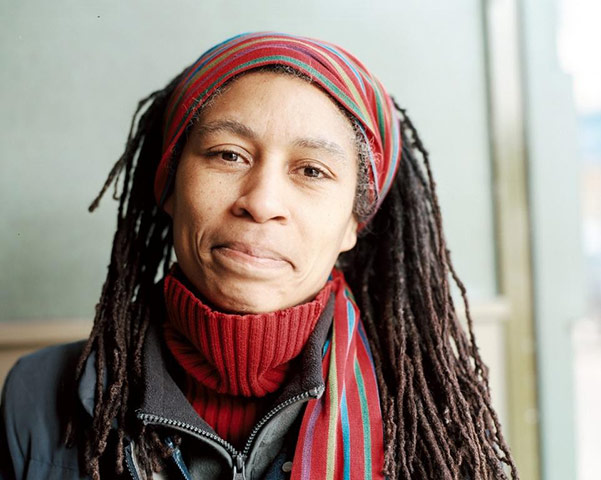
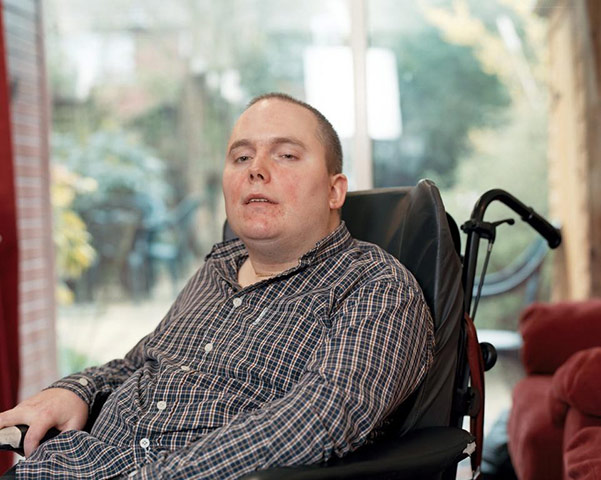
Peter Bailey, 27: “Writing is my way of maintaining independence. There is so much I can’t do well but I have a good imagination and a lot to say.”Photograph: Cléon DanielPeter Bailey. Ataxia affects 10,000 people in the UK and several thousand children are thought to have a form of ataxiaPhotograph: Cléon DanielNigel Kilvington started experiencing symptoms of slurred speech and difficulty walking in his late 30s and was diagnosed with late onset Friedrich's ataxia. He has been able to continue working as a financial director, thanks to his employer's supportive attitude, but says more awareness is needed elsewherePhotograph: Cléon DanielNigel Kilvington, 44 “It is hard to go to a bar and order alcohol when people can’t understand you and assume you’ve had one too many already. My speech gets worse during the day and it’s easier not to drink. I hope to stay walking for as long as possible so I can easily play with my four year-old daughter but I know I could be using an electric wheelchair in five to 10 years’ time.”Photograph: Cléon DanielStephanie Feurtado-Tenn, 46: “My balance and my speech are affected by my ataxia. I give talks to health professionals to raise their awareness of the condition, and greater awareness is what I hope will come from being part of this exhibition. I’m not looking for sympathy, it’s understanding I want.”Photograph: Cléon DanielStephanie Feurtado-Tenn. Some forms of ataxia are treatable and Ataxia UK is ultimately hoping to find a curePhotograph: Cléon DanielSamuel Merchant, 30: “It is difficult for me to speak these days. It is easier to talk through the internet; it’s allowed me to communicate with others but it can be slow and frustrating to type. I joined the photographic project as it’s important to raise awareness of this condition. Then I might not need to explain it so often to people.”Photograph: Cléon DanielAndrew Bailey. Ataxia UK also helps provide day-to-day support for those living with the conditionPhotograph: Cléon Daniel
Sign up to read this article
Read news from 100’s of titles, curated specifically for you.