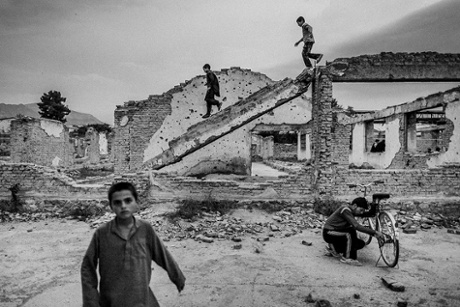
Though Saeedi has spent his professional life photographing different conflict zones. This project focused exclusively on the people whose lives have been crushed by the war in Afghanistan over a10-year period.

Svetlana Bachevanova, publisher of FotoEvidence, announced the release of Life in War, saying: “Majid’s work is in the best tradition of humanistic photography. Speaking the language, he was able to embed with the people. His images show us the humanity of people who have endured decades of war. His photographs speak in the language of the Afghan street. We at FotoEvidence are proud to publish this book.”
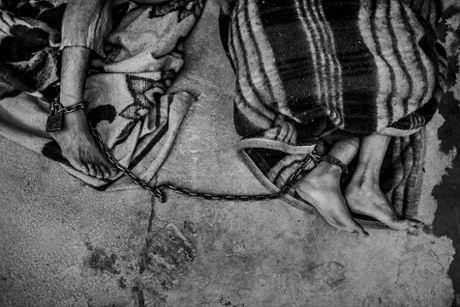
Saeedi has photographed throughout the Middle East for the past two decades, focusing on humanitarian issues, with a special interest in telling previously untold stories of social injustice. He also especially enjoys doing street photography – portraying citizens and ordinary life.
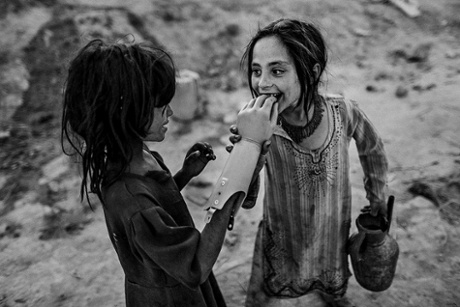
Life in War is probably the only book about Afghanistan that isn’t just filled with images of conflict. Saeedi photographed daily life in the context of war. Speaking the language, Majid embedded with the Afghan people rather than with an alien army. His photographs reveal the humanity of a people living through decades of fighting.

“Afghanistan has been dealing with war for 50 years,” says Saeedi. “Sometimes with countries attacking it and at others with civil wars. Intentionally or locally, the Afghans are people of war and bloodshed.”

War affects the ordinary life of survivors, children lose their parents, women whose husbands die and they are forced to manage their life and children as a single mother.

For the past 40 years, Afghanistan has been involved in various wars and conflict. Remnants of Russian tanks are still present in the streets, mountainsides and valleys. After the war with the Soviet Union, communists seized power in the country. It was during this time that conservative Muslims started to get organised, and eventually gained power themselves. Later, they in turn became another cause of strife, this time in the civil war between al-Qaida and the country’s regular civilians.

Saeedi said he was tempted to photograph war on the front line, but instead remained with the people.

“I decided to concentrate my work on Afghan people’s life,” says Saeedi, “as the women, men and kids are the main victims of war and they were not seen anywhere.”

“War is not the only thing going on in Afghanistan,” says Saeedi. “There is the influence of Persian and Mughal culture in traditional Afghan architecture and decorative garments. There is a paradox between the tranquility of eastern culture and the violence of war.”

This specific concert was only for females; under Taliban rule listening to the music even from CD or cassette was forbidden. The title of the concert is ‘Peace’.

Afghan women are in a subordinate position in society, where conservative Islamic laws and traditions dictate what a woman is allowed to do in a male-dominated world. Forced marriages, domestic violence, poverty and lack of access to education are said to be some of the main reasons for self-immolation.
As Ed Kashi notes in the book’s introduction: “By achieving the intimacy of the insider, especially as a male, he has found moments with women that are difficult to be privy to, let alone photograph. This work embodies the highest qualities of documentary work; he stays, he gets close, he finds intimacy, he cares, he maintains the dignity of his subjects, he surprises and he teaches.”

Eighty women participate in every workshop despite rising tensions between an increasing Taliban presence in the city and the extensive Nato presence.

Despite the poverty, drug addiction, lack of education, life goes on in Afghanistan and people continue to live with hope for a better tomorrow.

“Afghanistan is an unknown country with high mountains and people with culture. Afghans are trying their best to start each day without war and bloodshed but this is not possible unless all nations are united, power is divided between them and all of them are educated,” says Saeedi.