One of the most important early films directed by Jack Gold was Ninety Days, broadcast by the BBC in June 1966. It was based on the account by the anti-apartheid activist Ruth First of her detention and interrogation by the South African authorities. First played herself in the film and provided the narration.
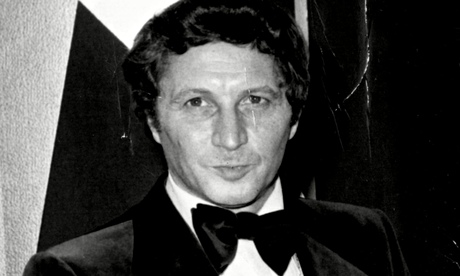
Introducing a screening of the film organised by the Institute of Commonwealth Studies in August 2012 to mark the 30th anniversary of First’s assassination, Jack explained how his limited budget and obvious inability to film in South Africa had necessitated some imaginative use of British locations.
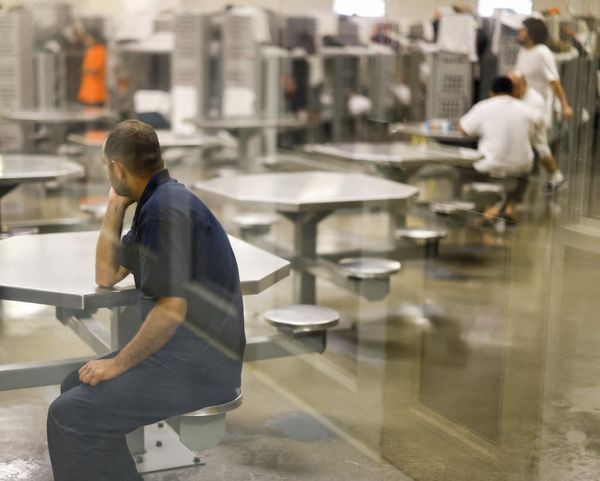
A disused police station just outside Oxford had doubled as First’s South African prison, while the scene of her arrest was filmed in Jack’s local library in Crouch End, north London. But thanks to his skill as a film-maker and sympathy for the material, the very minimalism of the production served to focus attention on First’s moving testimony.
The film attracted predictable criticism from South Africa’s friends in the UK. Jack, of course, was not perturbed in the least by this. Ninety Days deserves to be remembered as part of the body of work of brave, innovative and profoundly humane director.