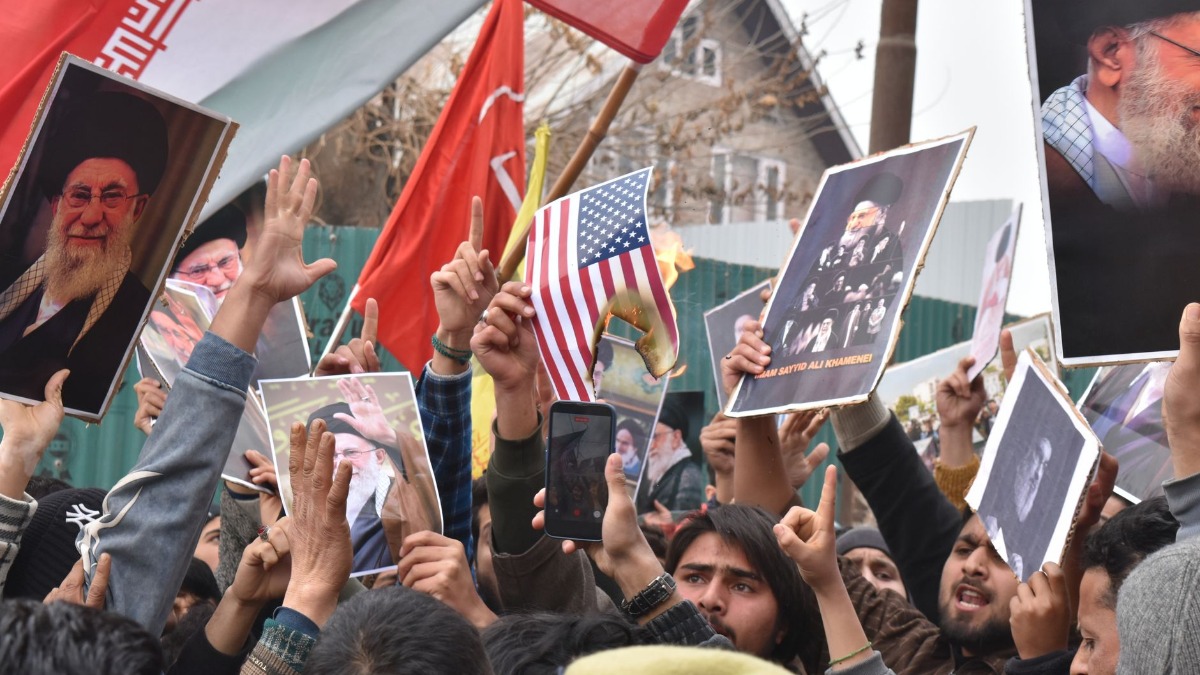
The United States and Iran reached a peace deal on Sunday to end their nearly four-month war, with an agreement being announced hours after an Israeli airstrike on Beirut caused the Iranian side to vow retaliation, per a report by CNBC.
Pakistani Prime Minister Shehbaz Sharif, whose government had been mediating the talks ever since the April ceasefire, announced that a deal had been reached, with both sides declaring an immediate and permanent end to military operations on all fronts, including in Lebanon, which has been under Israeli bombardment for months.
President Donald Trump confirmed the agreement shortly afterward, writing that the deal with Iran was “now complete” and “Let the oil flow!”.
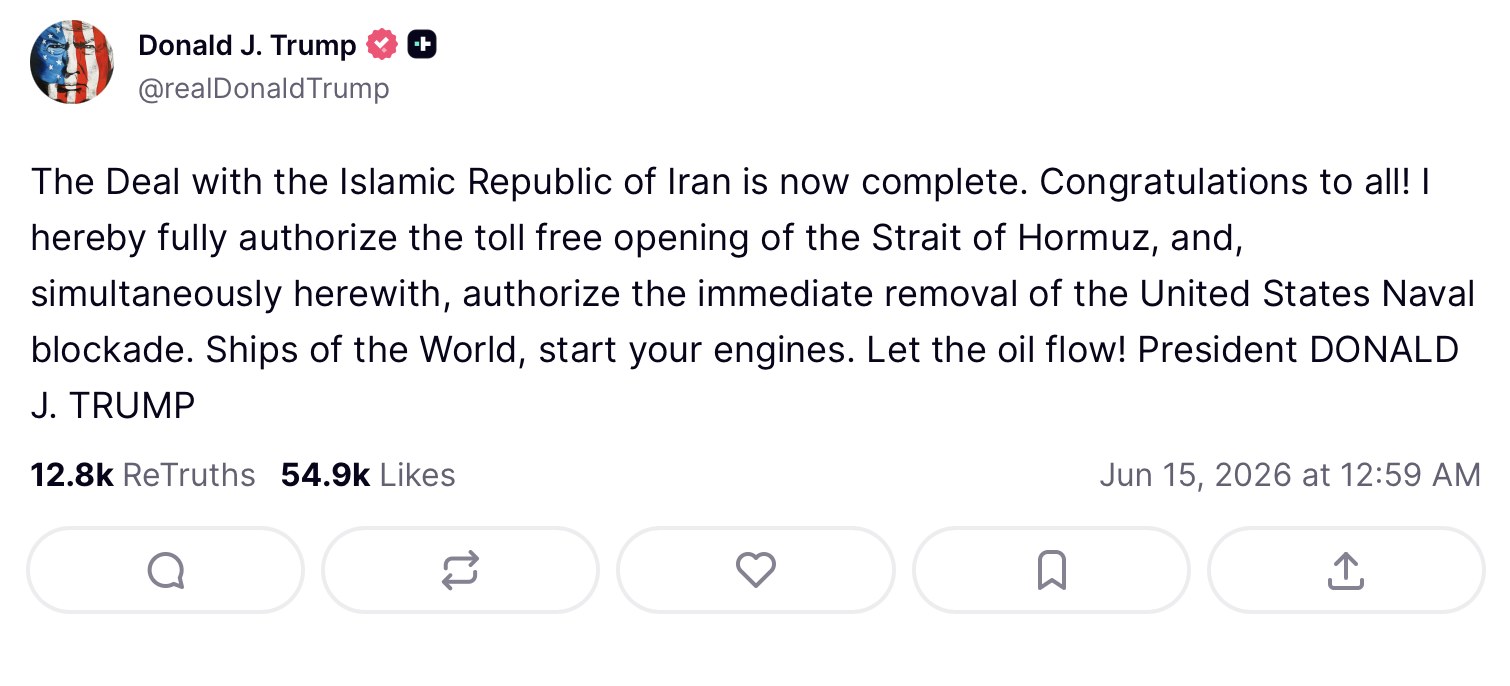
“I hereby fully authorize the toll free opening of the Strait of Hormuz, and, simultaneously herewith, authorize the immediate removal of the United States naval blockade. Ships of the World, start your engines. Let the oil flow!” He wrote.
Shehbaz Sharif also claimed that the deal will officially be signed on Friday in Switzerland.
A tense day in the Middle East on the eve of signing the peace deal
This breakthrough capped a turbulent day in the region. Earlier on Sunday, the Israeli military struck Beirut’s southern district, which was a red line that had already caused Iran and Israel to exchange fire the week before. Iran warned that it would strike back, and the mediators, per Al Jazeera, feared that further tension would derail the negotiations just as they neared conclusion.
Trump criticized the Beirut strike earlier in the day, saying that the attack “should not have happened” on a day when a deal was so close and urged Israel and Iran not to “blow it,” according to CBC.
The war began on February 28 when Trump announced Operation Epic Fury, a joint U.S.-Israeli strike against Iran’s regime and military infrastructure. Iran retaliated by firing thousands of missiles and drones at countries around the Persian Gulf, including Kuwait, Bahrain, the UAE, Qatar, and even Saudi Arabia. The air campaign continued for 39 days, until President Trump announced a ceasefire, mediated by Pakistan.
Israel is not a party to the new deal, according to NewsNation, leaving unclear how the declared halt to operations in Lebanon will be enforced.
Sharif said each side would sign electronically, with mediators holding pre-implementation meetings this week ahead of the Swiss ceremony. The agreement also clears the reopening of the Strait of Hormuz, whose closure during the war (via Bloomberg) had caused the oil price to spike and inflation to rise across the U.S. and Europe.