Tabata, near central Tokyo, is a town with quiet, residential areas. Many artists and writers lived there from late in the Meiji era (1868-1912) to early in the Showa era (1926-1989). That is how the town acquired such nicknames as "Tabata Bunshi Geijutsuka Mura" (Tabata the village of writers and artists) and "Tabata Bunshi Mura" (Tabata the village of writers) -- but that reputation is little known today.
Tabata suffered devastating damage from air raids in 1945 toward the end of World War II, losing most of its houses. The Tabata Memorial Museum of Writers and Artists exhibits paintings, sculptures, manuscripts and letters left by the artists of its heyday, remembering the town's history of creation.
Tabata was a farming community with pleasant views, offering low rents in the mid-Meiji era, when the Tokyo School of Fine Arts (now Tokyo University of the Arts) was founded in nearby Ueno. With the additional convenience of having a train station nearby, aspiring artists and writers began to live in the area.
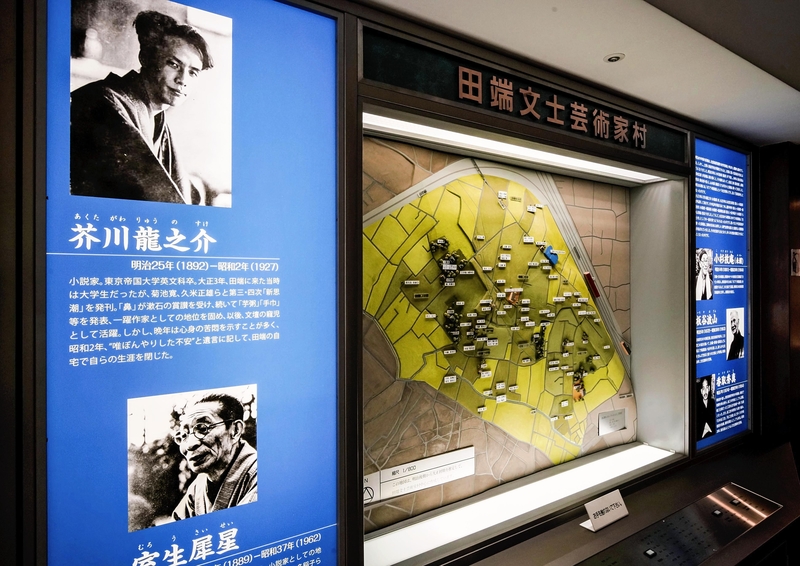
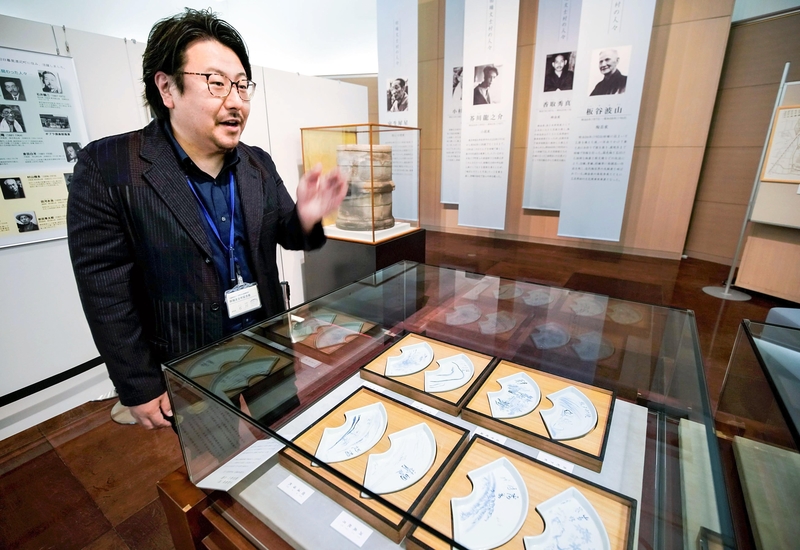
Painter Hoan Kosugi (1881-1964) and potter Hazan Itaya (1872-1963) were pioneers of such moves. Kosugi became the center of a popular salon for artists called the "Poplar Club." Hazan, who was later praised as the "master of modern ceramic art," built a kiln with his wife Maru called "Meotogama" (Kiln for the couple). A portion of its chimney is on display at the museum.
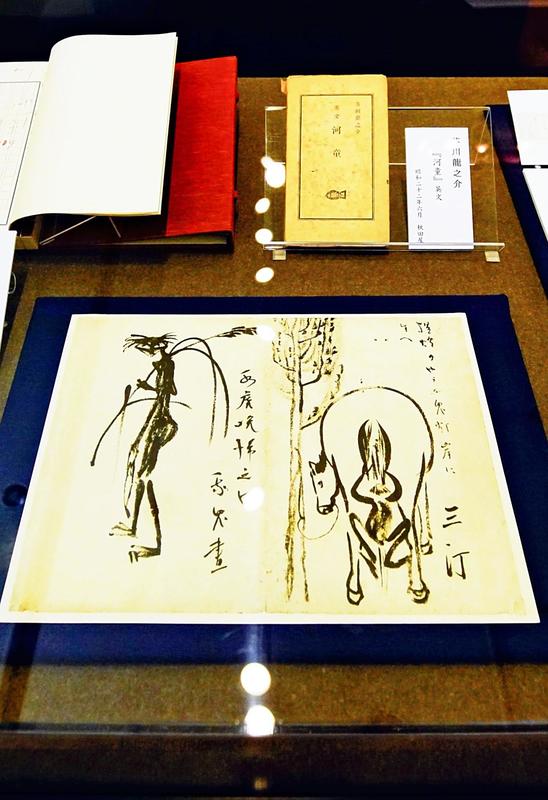
Tabata transformed itself from a village of artists into one of writers in the Taisho era (1912-26). Ryunosuke Akutagawa (1892-1927), then a student of Tokyo Imperial University (now the University of Tokyo), moved to Tabata in 1914 with his family. Saisei Murou (1889-1962) moved in two years later. Many other writers, including Kan Kikuchi (1888-1948) and Tatsuo Hori (1904-1953) followed suit.
Akutagawa, an elite man with handsome features who wrote with great precision, tends to be regarded as standoffish. But there were other sides to him: He took care of young writers and talked passionately with his friends and reporters at home. "I believe Akutagawa was a suave and affectionate person, despite the impression he gives," said Shiro Ishikawa, 40, the museum's curator.
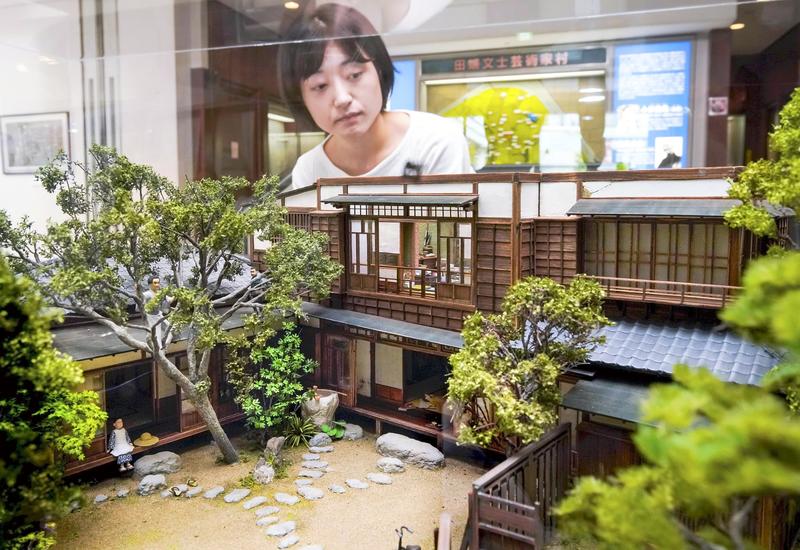
Akutagawa's residence, the "House of Tabata," is reproduced in a one-30th scale model at the museum. Not only does the model show his study, named Chokodo, but it also contains a figure of the novelist himself climbing a tree in his garden. It's quite heartwarming.
The Kita Ward Office is preparing a new museum -- tentatively named the Memorial Museum of Ryunosuke Akutagawa -- at the site of Akutagawa's house. I expect the town will gain more attention. So as a start, how about visiting the Tabata Memorial Museum of Writers and Artists to feel its history?
-- Tabata Memorial Museum
A special exhibition on the theme of Ryunosuke Akutagawa as the "king" of Tabata, a Taisho era village of writers, will be held through Sept. 23. Saisei Murou described the town during the Taisho period as "a bustling capital of poems" and opined that "Akutagawa was the king." The exhibition, including letters written by Akutagawa and Saisei and magazines that were founded in Tabata, will show you the heyday of the "village of writers."
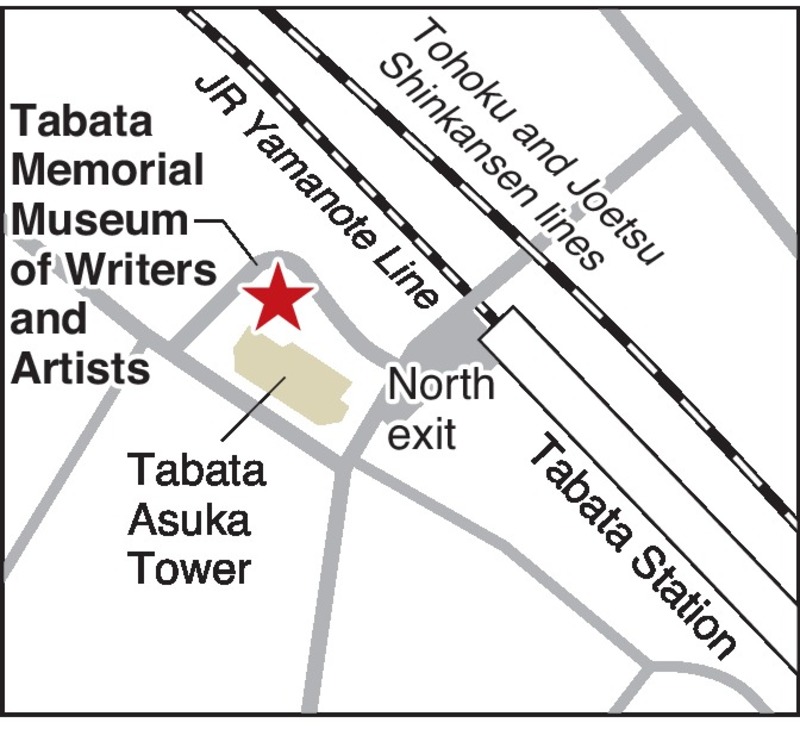
Address: 6-1-2 Tabata, Kita Ward, Tokyo
Opening hours: 10 a.m. to 5 p.m. (Closed on Mondays)
Admission: Free
Information: (03) 5685-5171
Read more from The Japan News at https://japannews.yomiuri.co.jp/