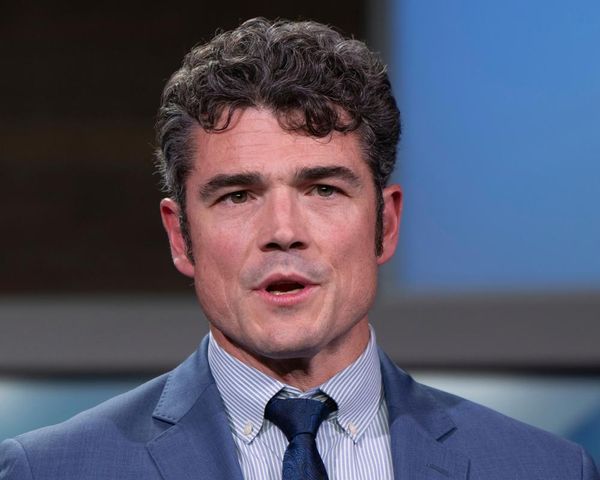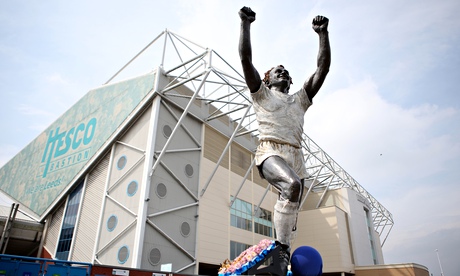
Positive moments have been fleeting at Leeds United in recent times, brief periods of optimism often punctured by some chaotic turn of events. An impressive victory over the Championship leaders, Derby County, at the weekend is – a few days later – old news. Leeds’ future is uncertain once more after the Football League’s decision to disqualify Massimo Cellino as majority owner.
It had been coming. As revealed by the Guardian in September, judge Sandra Lepore’s written reasons regarding the case of the Nelie – the boat Cellino fatefully sailed into Cagliari harbour in 2012 – were completed in July. The League finally got its hands on the documentation last month and ruled the Italian businessman’s evasion of import duty was a “dishonest” act and therefore a breach of its owners’ and directors’ test.
Cellino has two weeks in which to lodge an expected appeal but could be disqualified as Leeds owner before returning in March, when the conviction becomes spent in the British legal system. All the signs are that he will fight this latest sanction with all he has, determined not to loosen his grip on a club that has benefited greatly from his financial input.
If an appeal fails, or if he decides against appealing, Cellino must resign as a club director within 28 days and take steps to ensure that he is not acting as a “relevant person” at Leeds. He is the club’s president and sits on the Leeds board with his two sons – Edoardo and Ercole – and his American financial advisor, Daniel Arty. Their positions could come under question.
Perhaps more significant are the sanctions the Football League could implement should an independent football disciplinary commission rule Cellino and/or Leeds breached League regulations “relating to the timely disclosure of relevant information”. This relates to allegations that Leeds did not make the League aware of a change in the owner’s status once Cellino’s legal team had received Lapore’s full written reasons in the Nelie case.
Cellino’s Italian lawyer, Giovanni Cocco, confirmed in September he had seen Lepore’s written reasons but Cellino and his English legal team denied having access to the documentation. If an independent commission rules against him, there are no limits to the potential sanctions.
In reality arguably the most serious threat to Cellino’s continued involvement at Leeds is the man himself. He has spent millions of pounds clearing up the mess inherited by his predecessors, Gulf Finance House Capital, and has run the club from top to bottom since first securing ownership in April, yet the prospect of more legal wranglings is unlikely to be met with enthusiasm.
He insisted on Monday that he would not relinquish control of Leeds and it appears he still has the stomach for the fight. Cellino, though, is a maverick of the highest order and has previous for changing his mind on a whim. He has been fighting fires across the club since his arrival and was on Monday in Bahrain to discuss further GFHC investment.
He told the Guardian: “I’m working 24/7. How much will I have to spend on lawyers, my God. I’m still cleaning because GFH didn’t know anything about football but I don’t want to blame them.”
Cellino’s tenure at Leeds has been eventful. Brian McDermott did not last long in the dugout before the appointment of Dave Hockaday, who had last managed Forest Green Rovers in the Conference and was sacked by Cellino after six matches.
Then came the unknown Slovenian Darko Milanic who lasted 32 days before Neil Redfearn’s appointment and an improvement in form.
Cellino has divided opinion but he still has the support of most Leeds fans, in no small part because he has injected significant money into the club and the team despite reneging on a promise to purchase Elland Road back from private hands by November.
Given that an investment bank with no history in football was allowed to purchase Leeds, rack up debts and bring instability to the West Yorkshire club, whereas Cellino’s financial input and the club’s relative stability are not considered, questions about the League’s owners’ and directors’ test return.
The League’s rules, though, are there in black and white. Cellino has similar tax-related cases to come in Italy on a separate yacht and a Land Rover, and he denies wrongdoing in both. It all amounts to increasing uncertainty at Leeds, the latest squall on their voyage through choppy waters.