What does a chief fire officer do?
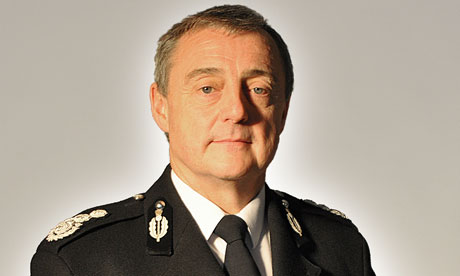
Technically I'm responsible for co-ordinating the operations of the Fire and Rescue Service in Lothian and Borders. But one of the things I'm most proud of in the service is that over the past 30 odd years we've moved our preventative agenda forward significantly. Whereas before we would wait for a call to come in and react, we're now much more proactive in the community. Previously, firefighters' skills were to do with response, but now they include communication skills and interpersonal skills. We go out and work with disengaged kids and act as role models. We invite groups of young people into the station and teach them skills to help them work together and give them self respect. We have a big social responsibility in the community.
What drew you to the role?
I started off as a firefighter at Lothian and Borders back in 1975, 36 years ago. I never thought I would go on to have the ambition to be in a senior role in the service. For me it was always about being out on the fire engine and helping people - and it was an exciting job. But I soon realised that while it was exciting for me, someone was always suffering and I wanted to stop that happening. If you want stop something, you have to stop it yourself. I always had great encouragement from people working alongside me which does give you a boost and helped me land this plum job, as I like to call it.
What's your leadership style?
Formally, I call it "participative". I try listen carefully to what people are saying. Recently I organised group training on task negotiation for the whole service, including the trade unions. This was designed to help us listen and avoid unnecessary conflict and it was a revelation to us all. I try to bring that to my leadership. But I also know where the buck stops.
How badly have you been hit by cuts?
The cuts have already been a challenge in recent years; as part of providing the best service that we can, we're also under legislation to ensure we offer the best value we can. Our budget has been cut by 2.6% but we don't know how much more budget cuts are coming. It's very difficult but our main concern is making sure the public and fire fighters safety is not compromised.
Is it a tough time to be a leader of a public service?
It is difficult but that's part of what leadership is all about. It's not about making the easy decisions, it's about making the hard ones. We need strong leadership in the public sector now more than ever.
What do you think about plans to merge all eight fire services in Scotland into one service?
Fire officers have been saying for more than a year that we needed to reform the service because of the budget squeeze on services. Fire and rescue services have an increased number of legislative responsibilities, such as responding to flooding and chemical and biological problems. Scotland has three or four of the smallest services in the UK and to make those services sustainable we need to merge them. The government is determined that services will remain locally responsive. I'm pleased to hear that pledge.
Will merging services make your job harder?
It will make it a bit more complex. Naturally any changes that involve someone taking on a larger role are more complex. It becomes a higher profile role in itself. The danger for that leader of a larger organisation taking on public service across a nation is that they can't become detatched from what is happening on the frontline. There's some good examples in various organisations of people who spend some time with staff on the frontline. This is something I have always done – every Friday afternoon.
What's the most difficult situation you've had to deal with?
I've performed in all the ranks of the service and the most challenging situation you encounter is as a firefighter. Usually the situation is out of control and the human instinct is to get as far away as possible. Firefighters have to overcome that human instinct and know that the action they take will save lives. It's a huge adrenaline rush. Working on the frontline is the best job in the world. It's rewarding, it's challenging and you're helping people directly. I miss that in some ways.