The UK’s Global Partnerships Conference was billed as a landmark development conference, where the UK would set out “bold new approaches” to international development following on from the government’s decision to slash the aid budget by 40 per cent.
But as the two-day event reached its conclusion on Wednesday, it risked ending in fresh embarrassment for the government after six leading international NGOs told The Independent that they would not be signing the ‘Global Partnerships Compact’, which the government has described as a “framework” for future partnerships in development.
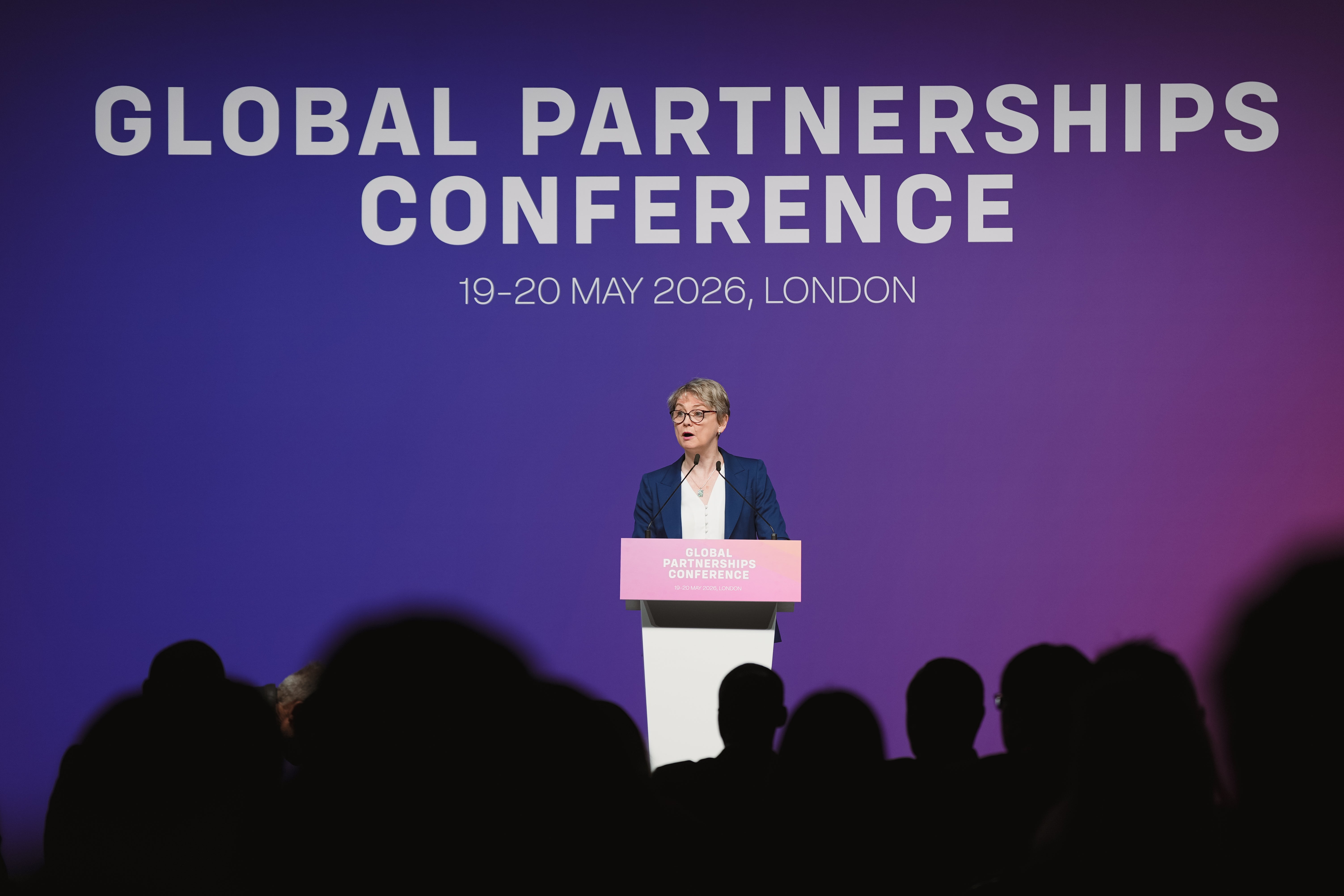
“It is a shared commitment to working faster, more openly, and in true partnership,” said Development Minister Jenny Chapman of the document, which is based on more than 400 responses, in her opening address to the conference. “I hope the themes that it captures – from finance, technology and shifting the power – all resonate as we look to development cooperation in the decades ahead.”
The final wording includes calls for enhanced development financing, as well as overseas aid. It also calls for new kinds of “equitable, diversified partnerships”, as well as the sharing of technologies, data, and innovations between countries.
However Oxfam GB told The Independent that it would not sign the compact due to the “limited” scope of what was included.
“It does not reference human and gender rights, shrinking civil society space, and the ‘leave no one behind’ principle,” the charity said. “The content on climate and nature, and humanitarian aid, is also limited.”
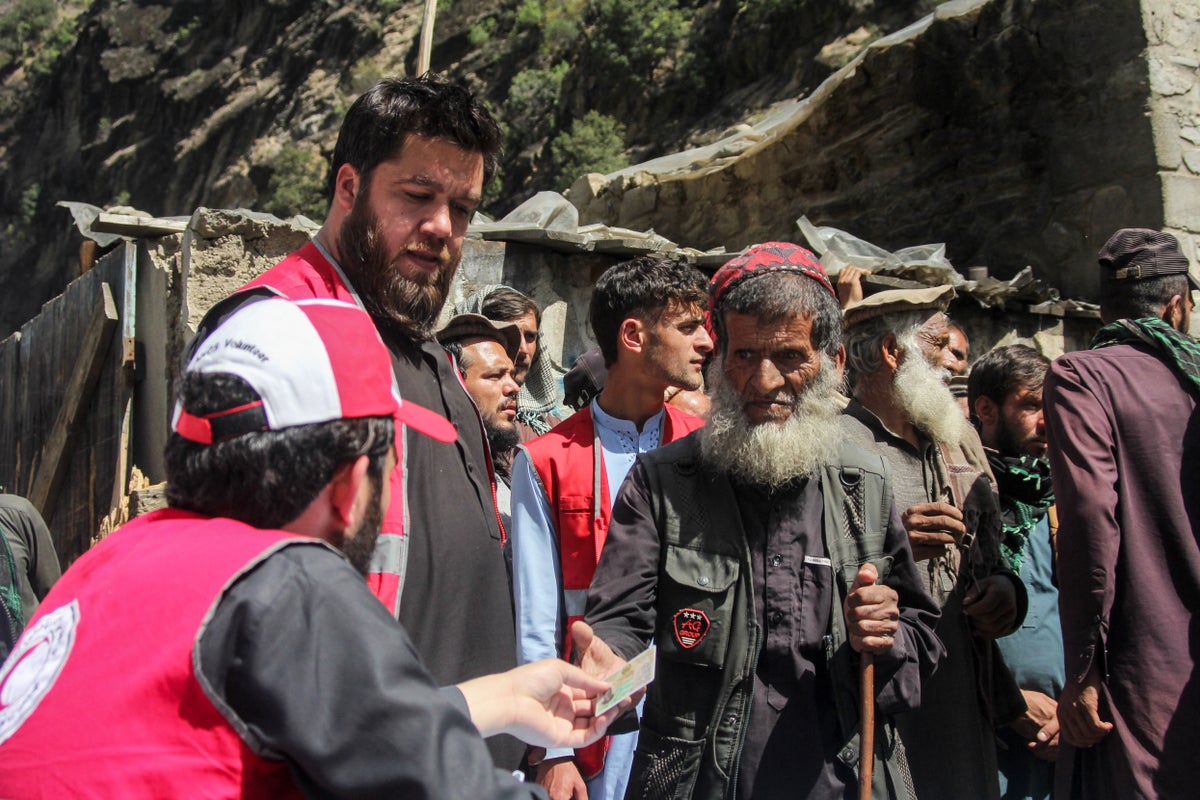
Liz Bradshaw, a senior advocacy advisor at Save the Children UK, also confirmed the charity would not be signing. “From Somalia to Afghanistan, aid cuts by countries like the UK are threatening to cripple our ability to respond to growing needs, with children bearing the brunt. This is what our teams are having to navigate every day,” she said.
“The real test of commitments made in conference rooms in global capitals is whether they translate into lives saved and children’s futures protected,” she continued. “While we have not signed the compact at this stage, we will continue to watch closely how it is used by the UK government to drive real change for vulnerable children around the world.”
A spokesperson for CARE International, a leading charity focused on women and girls, also confirmed that they, too, would not be signing the agreement, because the “generalised commitments” meant they held to their policy of not endorsing non-binding agreements.
Dorothy Sang, head of advocacy at CARE International UK, added that the launch of a new International Coalition to End Violence against Women and Girls at the conference will also need more substance if it is to actually make a difference.
“Beyond claiming a feminist foreign policy approach, it remains unclear how far the UK is prepared to boldly defend women’s rights organisations and movements – especially when it is politically difficult to do so,” she said.
Three other major UK NGOs told The Independent that they would not be signing the compact at the conference, though they asked for this position to remain anonymous for the time being.
One charity that did say it would sign the agreement was Christian Aid. A spokesperson told The Independent that following some internal debate, it was decided that it would be “better to be in the tent and influence the outcomes”.
On Tuesday, Christian Aid nonetheless expressed disappointment that more had not been announced from the UK government to help developing countries currently suffering under spiralling developing country national debt.
With numerous side events, and representatives from a large number of developing countries and businesses also in attendance, organisers have stressed that the conference represents much more than the final compact, with Baroness Chapman suggesting on Tuesday that closed-door meetings had been bearing fruit.
“In meetings that I have had there have been… ideas for initiatives, ideas for future events, opportunities to do things in responses happening in Iran, which have been really useful,” she told The Independent.
But even if there has broadly been praise for some of the ideas coming out of the conference for how to approach international development going forward, there are significant doubts over whether such ideas can be delivered after the UK slashed the aid budget from 0.5 to 0.3 per cent of gross national income (GNI).
“I remain concerned that the ambition pinned to the conference far outstrips the reality of what can be achieved with a much-reduced budget,” Sarah Champion, the chair of the International Development committee, told The Independent.
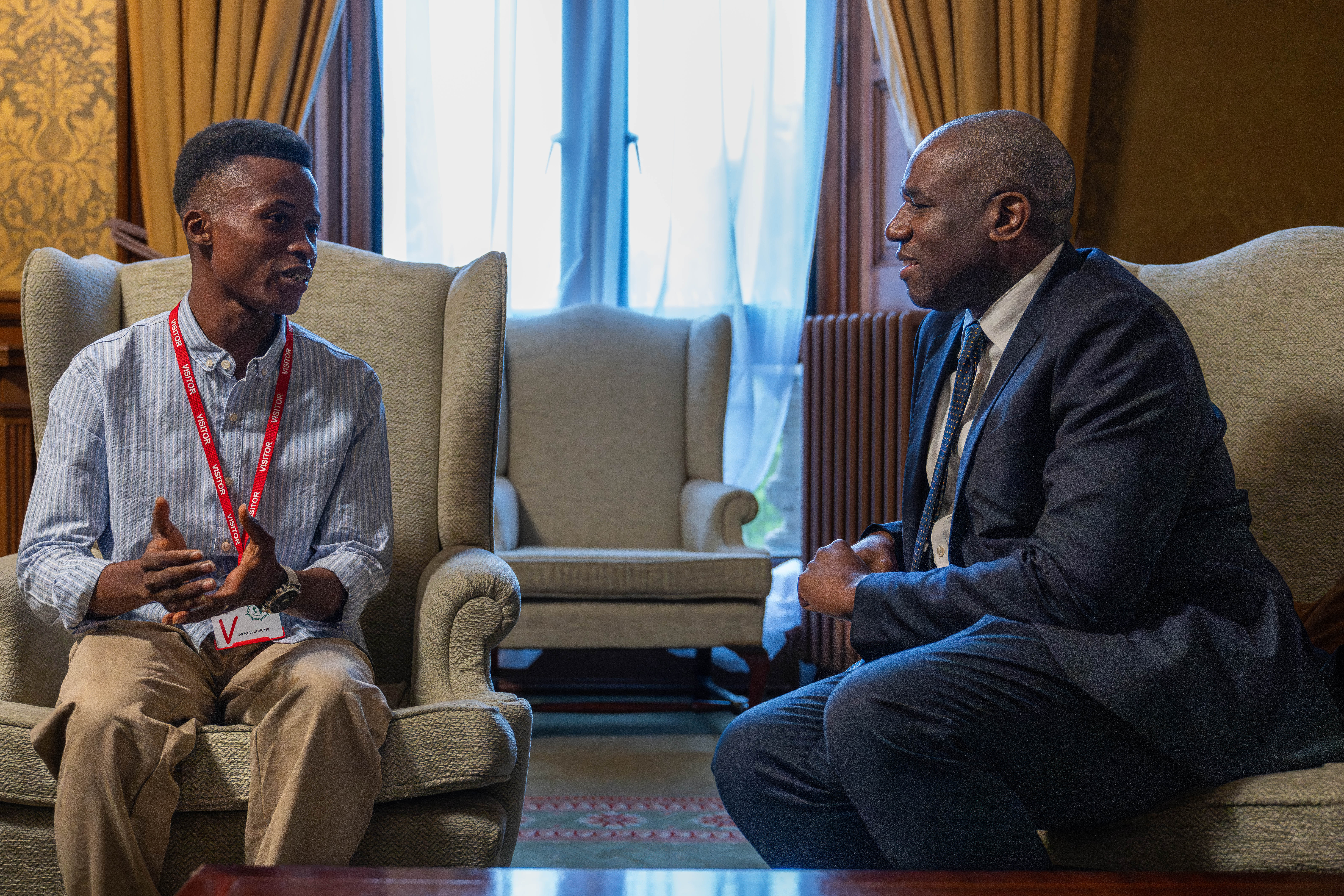
While most people at the conference venues appeared to be senior figures across the worlds of business and politics, one attendee with a profound understanding of just what the aid cuts have meant for countries was 19-year-old Mohamed Williams Zombo, a youth advocate with the NGO World Vision.
Williams hails from Bo, the second city of Sierra Leone, which is a country almost entirely axed from the UK’s aid budget. He grew up in extreme poverty, at times having to go without food for up to a day at a time, and where he has more recently seen the impacts of aid cuts first hand.
“It is very sad. When you go to countries like mine, you see that lots of organisations are closing their offices, communities are not being supported any more, and lots of children are not in school. The impacts are very visible,” he said.
“For the sake of humanity and for the sake of children suffering, I think it is important for [rich countries] to still be able to find a way to fund organisations that are helping children.”
In response to what he had heard from politicians at the conference, Williams said: “If they are genuine in what they say, then definitely they can solve problems… [but] it’s not only about you writing things on documents, it's about actually taking bold actions.”
Williams added that he had contributed to a “10-point plan for change”, which represented the priorities of youth voices from the Global South at the conference, and which he said he hoped the organisers would provide a strong response to.
At the time of speaking, however, he did not know that there was no mention of “youth” or the perspective of young people at all in the Global Partnerships Compact that was ultimately presented to delegates at the conference.
One source told The Independent that “youth” had been put in the draft several times, but each time this happened, the FCDO had ultimately removed the reference.
The FCDO was approached for comment.
This article was produced as part of The Independent’s Rethinking Global Aid project