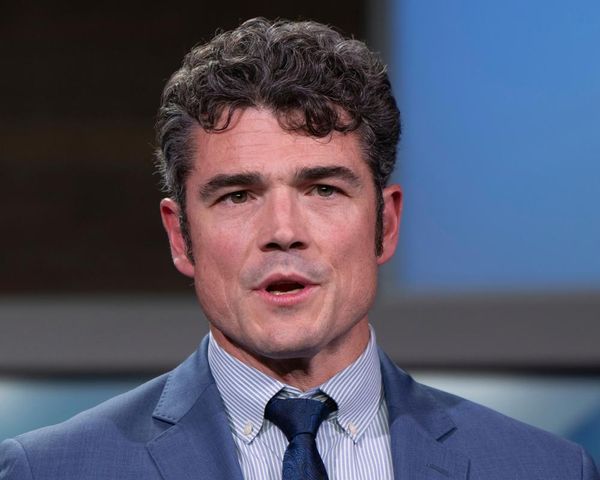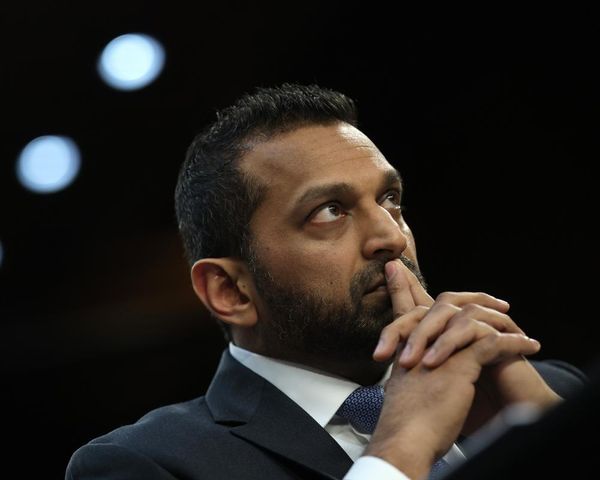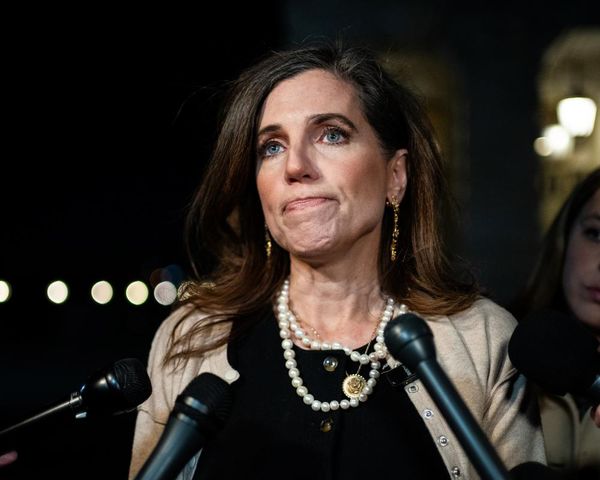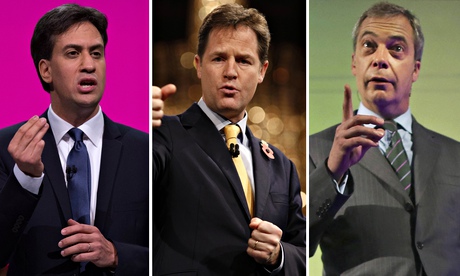
Did you notice that the letter sent to David Cameron about disputed formats for the election TV debates was itself a delicate contribution to pariah politics? Though identical in contents, as Rowena Mason explains, the missives were dispatched separately by Ed Miliband, Nick Clegg and Nigel Farage. Ed and Nick did not sign the same letter as Nigel, oh dear no.
At a time of what may prove to be serious political flux across Europe (or maybe just a bad wobble) there is a lot of this sort of behaviour about.
The Ukip leader took offence at being excluded from the annual commemoration of the war dead at the Cenotaph in November (only parties with six MPs get invited, he was told), but a similar exclusion was visible in Paris last week when the National Front’s Marine le Pen was also kept at arm’s length from the public mourning and Sunday’s march in Paris – though she was granted a visit to the Elysée Palace and staged her own march. The French love street politics.
As so often, there are elements of principle and pragmatism, mixed with lowly partisan calculations, in spats like this. Demagogue parties which endorse deeply indefensible views or those which engage in violent or criminal acts – Greece’s Golden Dawn seems to fit the bill – are rightly ostracised.
On the other hand, mainstream parties do not want to give equal status to insurgent outsiders who may (and usually do) quickly fade. But where should we draw the line?
The French NF has a history of antisemitism and hostility to Muslims, which frightens most French people. So much so that when Marine’s old dad, Jean-Marie, got into the second round of the 2002 presidential election, even the lefties voted for Jacques Chirac, who won by 80% to 20%. “Vote for the crook, not the Nazi”, as car bumper stickers correctly proclaimed in a similarly tricky vote for the governor of Louisiana.
So lines and judgments vary. Barack Obama obviously made a bad call in not attending Sunday’s demo – remember he is not very interested in feeble old Europe – or sending John Kerry. But Winston Churchill made the same mistake when his great wartime ally, FDR, died a few days before Hitler in 1945. FDR’s protege, Lyndon B Johnson stayed in the White House for Churchill’s funeral in 1965. They both had the same excuse: “I have a war to run.”
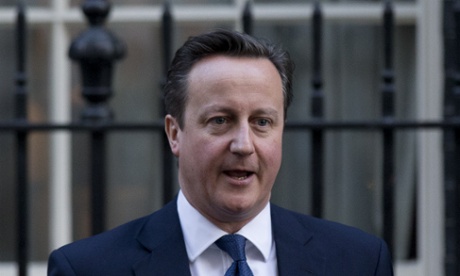
In the 2015 election debate controversy, the basic formula agreed by rival networks seems good enough to me: Cameron v Miliband; the duo plus Clegg; and a third debate involving Farage, too. Except that Cameron insists on the Greens being included in the third debate, which the regulator, Ofcom, says is not right because the Greens are not big enough.
The Greens sometimes beat the Lib Dems in polls and represent a significant single issue for our times – a lot more important than British membership of the EU in the larger scheme of things, I’d say. Like Ukip, the Greens have also tried to branch out from monoculture politics by having lots of policies, culturally leftwing ones just as Ukip’s are culturally rightwing (though they deny it).
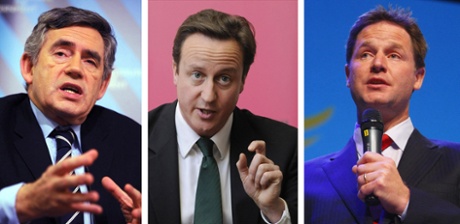
In sportingly insisting that the Greens be allowed to join in, Cameron – long past his own huskie-hugging phase – is defying the referee, as the letter writers say. But he is also possibly calculating that a good performance by the Greens’ leader, Natalie Bennett, is more likely to hurt Ed and Nick’s votes than his own. Dave has Farage problems, so why should not they? Besides, Gordon Brown backed Clegg’s inclusion in 2010’s debates to take votes from the Tories and it worked. Payback time looms. I suspect the Greens will gain a toehold – as they should – but may get sympathy votes if they don’t. Pariah politics can backfire.
All the same lines are never easy to draw. A Labour-supporting business friend of mine recently found himself at a top dinner table with a senior Tory: he was uncomfortable about it, as I would not have been. He had to dine with a Tory for his work, as have I over the years. You can like people you do not agree with and listen to interesting people you do not have to like. Unless we are especially tribal (some are), most of us do that, don’t we?
By coincidence I bumped into Douglas Carswell at the tube station on Tuesday night, the first time since he defected from the Tories to Ukip and held his Essex seat in a byelection. Despite me dubbing him “Kamikaze Carswell” (he joked about it on Tuesday night), we have always got on well enough. He is an interesting and decent man with thoughtful (scary? naive?) views on direct democracy. “This is a big experiment,” he says. Indeed.
I do not feel so comfortable about his Ukip colleague, Rochester’s Mark Reckless. But there are always MPs a political reporter feels more – or less – comfortable with, it is not a party thing, it is usually more personal. In the retrospective inquests over paedophiles and other sexual miscreants I’ve been struck by the fact that I both discounted rumours about Cyril Smith, Peter Morrison and others – but also steered clear of them. Ditto the acquitted Jeremy Thorpe.
As a general rule, inclusion is the better principle in both public and private life. Excluding Auntie Aggie from the wedding because she drinks or has Tourette syndrome is ungenerous, though if Uncle Frank has wandering hands, too, it may just tip the balance.
Just so with Ukip. Farage has said some shallow and stupid things, glib comments a self-styled grownup should not say, a few ugly things too. But he has never said anything I can recall that puts him beyond the pale – though opinions will differ. In any case, his saloon bar wisdom articulates the views of many decent voters who feel hard-pressed and resentful. Society cannot wish them away. It should address their concerns, soothe some and resolve the substantial ones in wiser ways than Ukip proposes.
The limits of pariah politics may be tested after the 7 May election, if parties are forced to cooperate to sustain a stable government. Pariah manoeuvring has begun with SNP backbencher Alex Salmond ruling out deals with the Tories. But necessity makes strange bedfellows. The second world war ended up making expedient allies of FDR, Churchill and Stalin, which all three must have found distasteful. But that might not have been necessary, if the German political class had not misjudged its pariah politics in the crisis of 1933 and agreed to make Hitler chancellor.
The Spiegel explained how the old and battered political right naively thought they could manage him. Only the social democrats resisted his sweeping enabling law a few weeks later. The communists did not: they thought they could manage him, too. He killed them.
Kim Willsher reports that Michel Houellebecq’s new novel, Submission, (promoted in Charlie Hebdo magazine), tells of a 2022 French presidential election, in which the French left rejects its 2002 response and votes for the Muslim candidate against the National Front.
Pariah politics is dangerous stuff to play with.