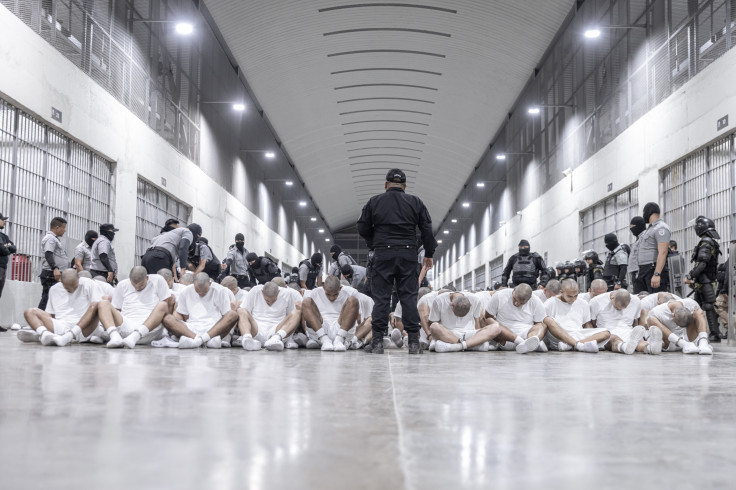
Defense lawyers involved in El Salvador's mass trials of alleged gang members say they have little ability to challenge the evidence against their clients, as the country begins processing thousands of people detained under President Nayib Bukele's four-year state of exception.
El País reviewed prosecution documents involving 1,226 defendants and interviewed 10 defense attorneys participating in the proceedings. The lawyers said they are often denied access to complete case files, receive details of the charges only days before trial and have been unable to challenge police records used as key evidence.
One attorney told El Pais that he had effectively stopped defending his clients until they could appeal their expected convictions. "It's impossible to defend them," he said, adding that "the dice are loaded and they're convicting everyone."
Of the 1,226 cases reviewed, only two arrests followed an arrest or search warrant, according to El País. In most cases, authorities said suspects appeared in police databases as gang members or collaborators. Lawyers said they have unsuccessfully requested forensic examinations to determine when some of those police records were created.
Prosecutions also frequently rely on testimony from arresting officers and protected witnesses, according to the report. One attorney said a single protected witness can identify more than 500 defendants through photographs provided by prosecutors.
The trials are part of a system established to process people detained since Bukele imposed the state of exception in March 2022. More than 90,000 people have since been arrested. El País reported in January that prosecutors were handling 590 cases involving 82,078 detainees, after legislative changes allowed authorities to group hundreds or thousands of alleged gang members into the same proceedings.
Human rights organizations have documented more than 5,000 alleged arbitrary detentions, while Salvadoran authorities have acknowledged releasing roughly 8,000 people detained during the crackdown.
The proceedings come as Bukele has expanded cooperation with the Trump administration on immigration enforcement. U.S. deportations of Salvadorans nearly doubled during the first three months of 2026 compared with the same period last year, according to Salvadoran migration data reported by the Associated Press.
Bukele has also accepted deportees of other nationalities from the U.S., including alleged gang members transferred to Salvadoran prisons.