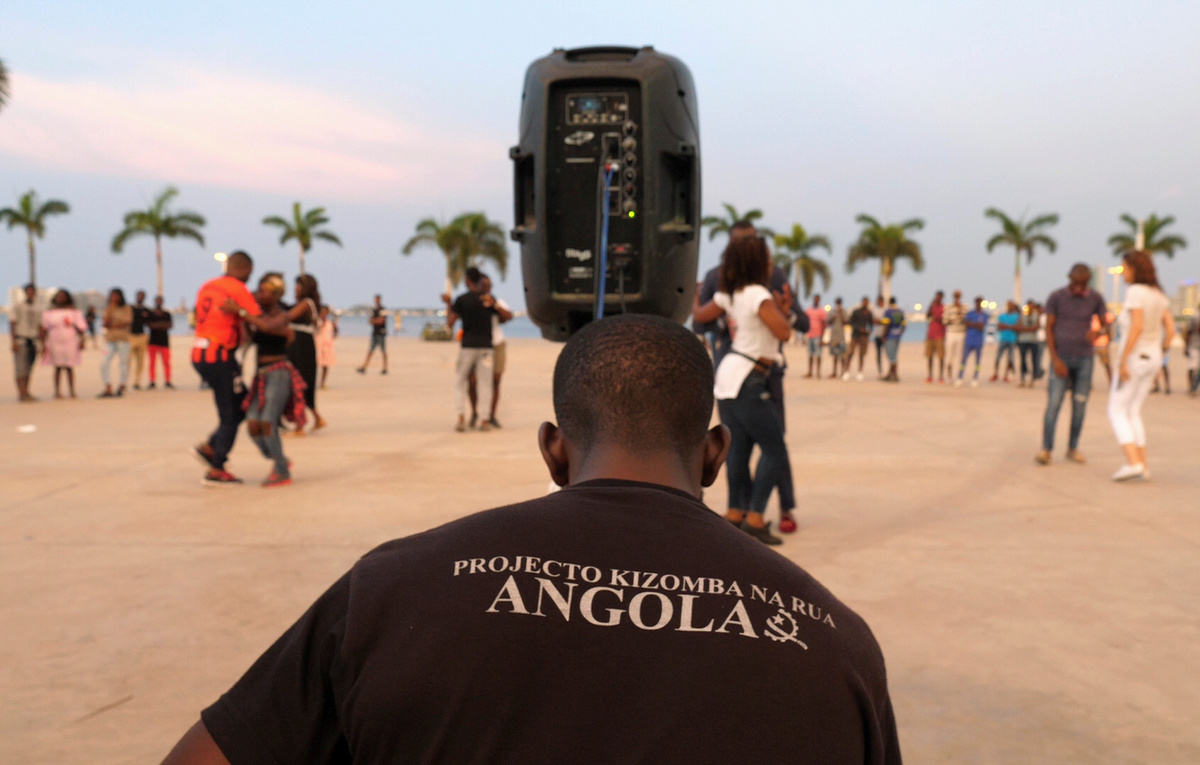
It's a warm humid afternoon in Luanda Bay - an urban waterfront on Angola's Atlantic shore. Pairs of dancers in close embrace sway their hips from left to right and shuffle their feet to the sensual beats of Kizomba music.
Kizomba, which means "party" in Kimbundu, one of Angola's local languages, is a dance and music genre which developed in the 1980's in the capital Luanda, swiftly becoming a part of Angolan cultural identity.
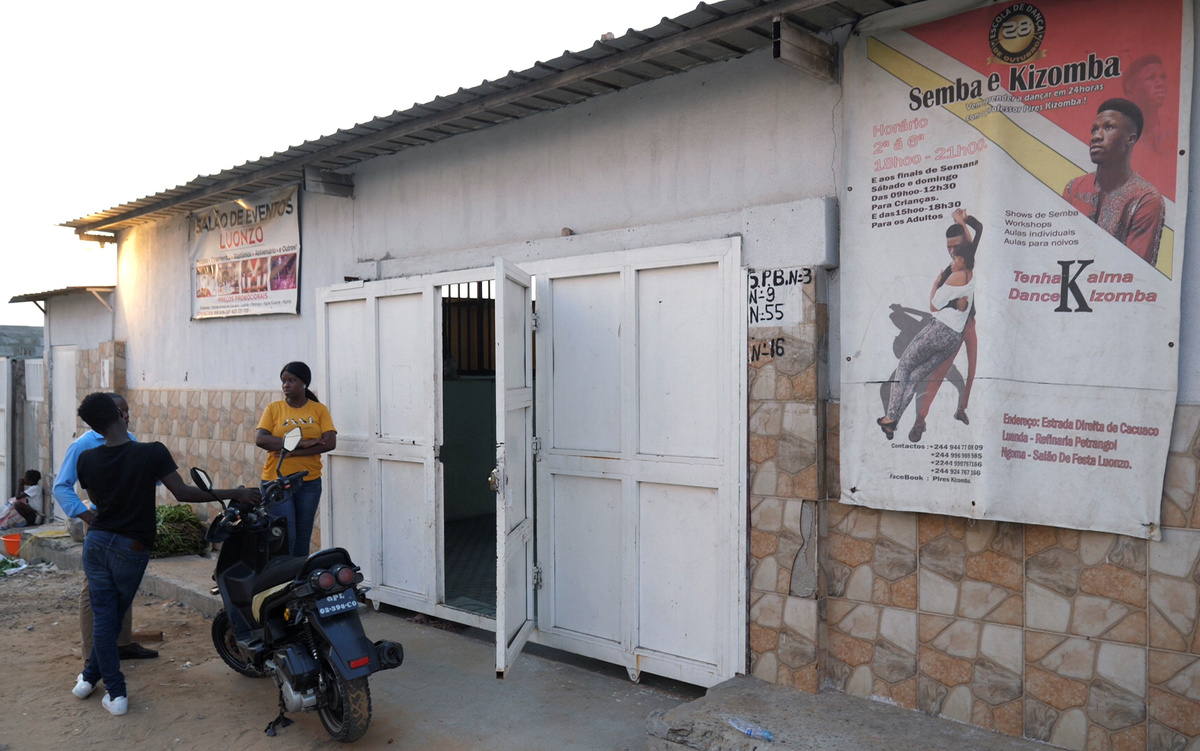
The dance, which has some similarity to the Latin Salsa, is known for having a slow, smooth and sensual rhythm. With lyrics typically sung in Portuguese it's popularity has spread to other Lusophone countries and beyond, as dancers enjoy its catchy beats and romantic flow.
In Angola, it is often associated with celebrations.
Four decades since it first emerged, and as the dance's popularity has spread through social media, special Kizomba competitions, workshops and parties have sprung up in Angola.
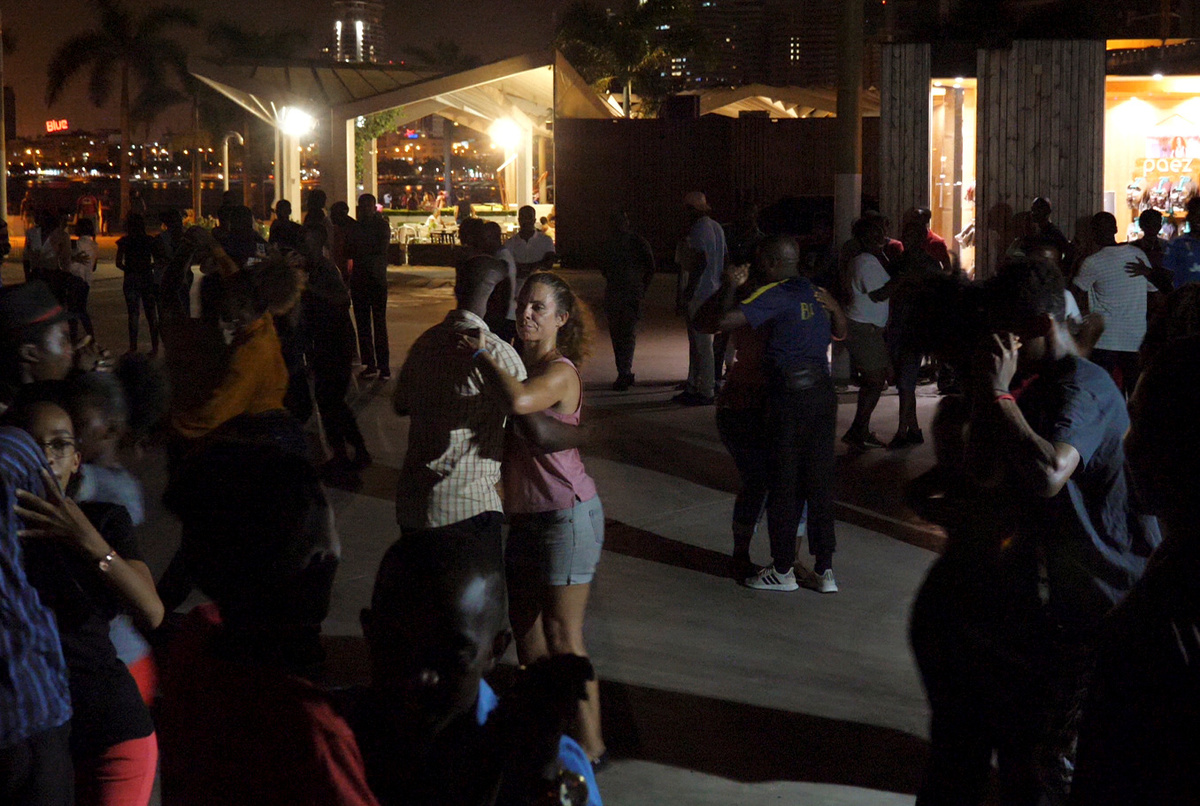
"It's a lovely and fun way to connect with people ...and I am in love with it," said Indian national Savio Mascarenhas, 35, who lives in Luanda.
"The movement, the style, the people, it's more like a conversation to a person and it's more than a dance," said Mascarenhas, dancing on the promenade of Luanda Bay, where people from all over the world listen and dance to Kizomba.
"It's an art that gives life and unifies people regardless of their race or place of birth," said 25-year old professional dancer and studio owner Gregorio Pires.
Some believe Kizomba could benefit Angola's ailing economy by boosting tourism, much as love of Tango draws visitors to Argentina.
"It's really good to see foreigners embrace our culture," said professional dancer Marly Baptista. "There's a lot of foreigners that would like to come to Angola to dance, therefore we should take advantage."
(Writing by Nqobile Dludla; Editing by Alexandra Hudson)