
As with previous generations of this golf ball, the value proposition is not really up for debate. But it also performs well, with a nice responsive feel, decent levels of spin, and relatively consistent launch monitor data make this an ideal ball for many club golfers.
Pros
- Unbeatable value
- Improved, softer feel
- Good long-game ball speed
Cons
- Noticeable distance loss compared to premium balls
- Disappointing greenside spin and control
The 2025 Pro V1 ball remains one of the leading choices for golfers seeking lower long game spin and trajectory combined with high levels of short game feel and control. The extra oomph off the tee will be well received, as will the stability of the flight.
Pros
- Soft, responsive feel
- Through the bag performance
- Consistent, stable ball flight
Cons
- Lacked carry distance and short game spin versus Pro V1x
With golf equipment seemingly getting more expensive by the day, many of you will be looking for products that can save you some money over the premium offerings. As a consumable, the golf ball is, potentially, a great way to do just that. Saving $10 or $20 a dozen will equate to a significant yearly saving, especially for higher handicappers who may lose more balls during a round than they’d like.
But are the best golf balls pricey for a reason? Does switching to a budget ball mean a significant drop off in performance?
To test the theory we’re pitting two of the most recognizable golf balls from each category - budget and premium - against each other. In one corner, the undisputed king of the pro tours, the Titleist Pro V1, and in the other, the Kirkland Signature, the amateur golfer’s favorite money saver.
Currently you can buy two dozen of the Signature balls for a less than a dozen Pro V1s. So let’s see which ball comes out on top, and which is the best fit for your game…
Technology
The Pro V1 celebrated its 25th anniversary in 2025 and we’ve seen more than a dozen generations since Billy Andrade became the first winner using the now legendary ball. The latest generation retains the same spherically tiled, 388 tetrahedral dimple design that we saw on the 2023 edition as well as the Urethane Elastomer cover but the ball’s core has been updated. Titleist says it’s been ‘reformulated’ with the purpose of increasing ball speed and improving ‘spin slope’, which basically means creating the ideal combination of low spin off the tee and higher spin with the short irons and wedges.
Like the Pro V1, the Kirkland Signature uses a three-piece construction, with a urethane cover designed to deliver plenty of spin while still be durable, a 338 dimple pattern that it says should help deliver a “penetrating ball flight”, and an elastic core aimed at maximizing distance.
Looks
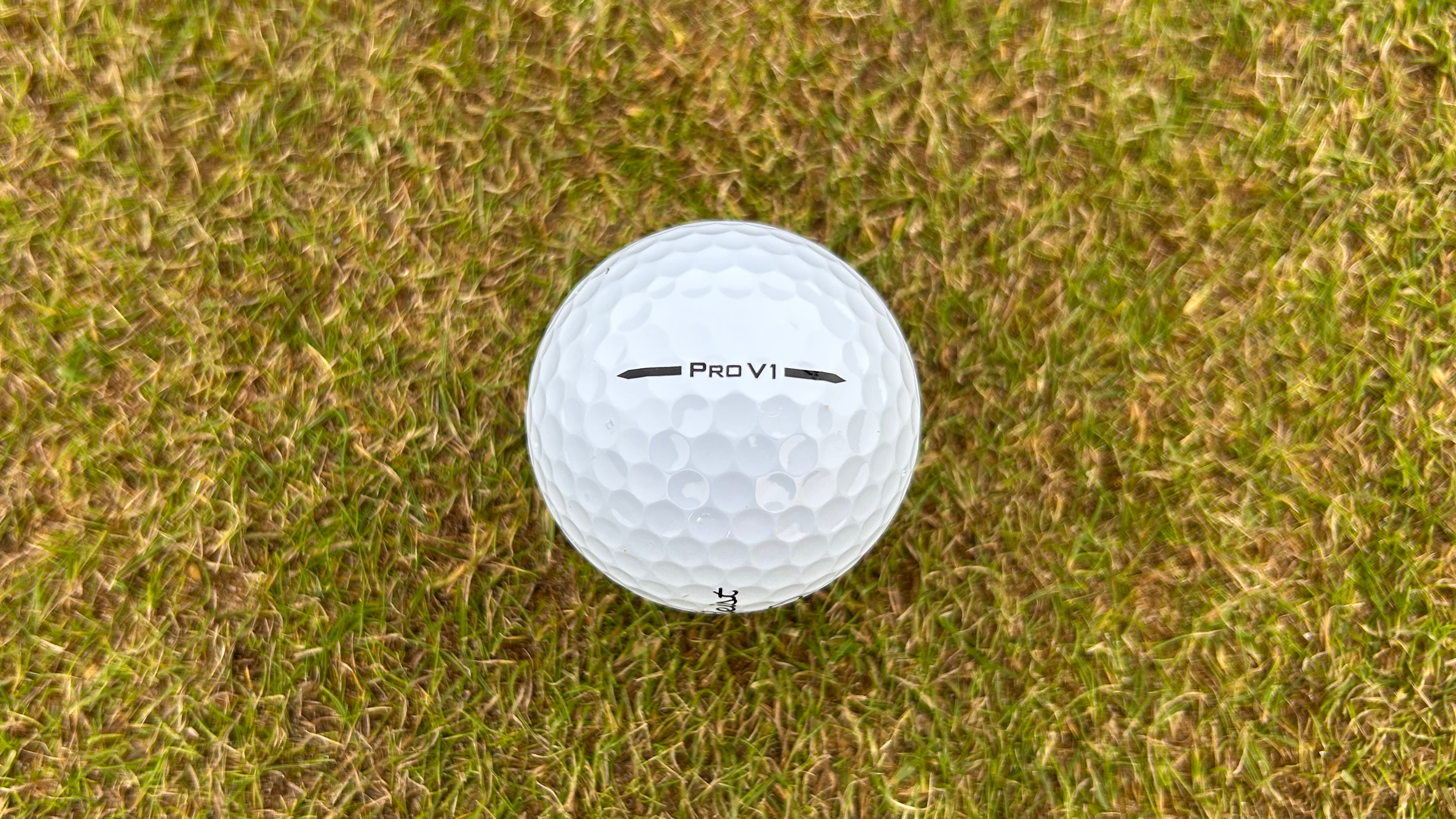
The ‘it’s white, it's round, it sits on the ground’ adage runs true here. Both balls look remarkably similar, as you’d expect. The Pro V1 features Titleist's iconic logo in black with a Pro V1 stamp on the side that can be used for alignment purposes.
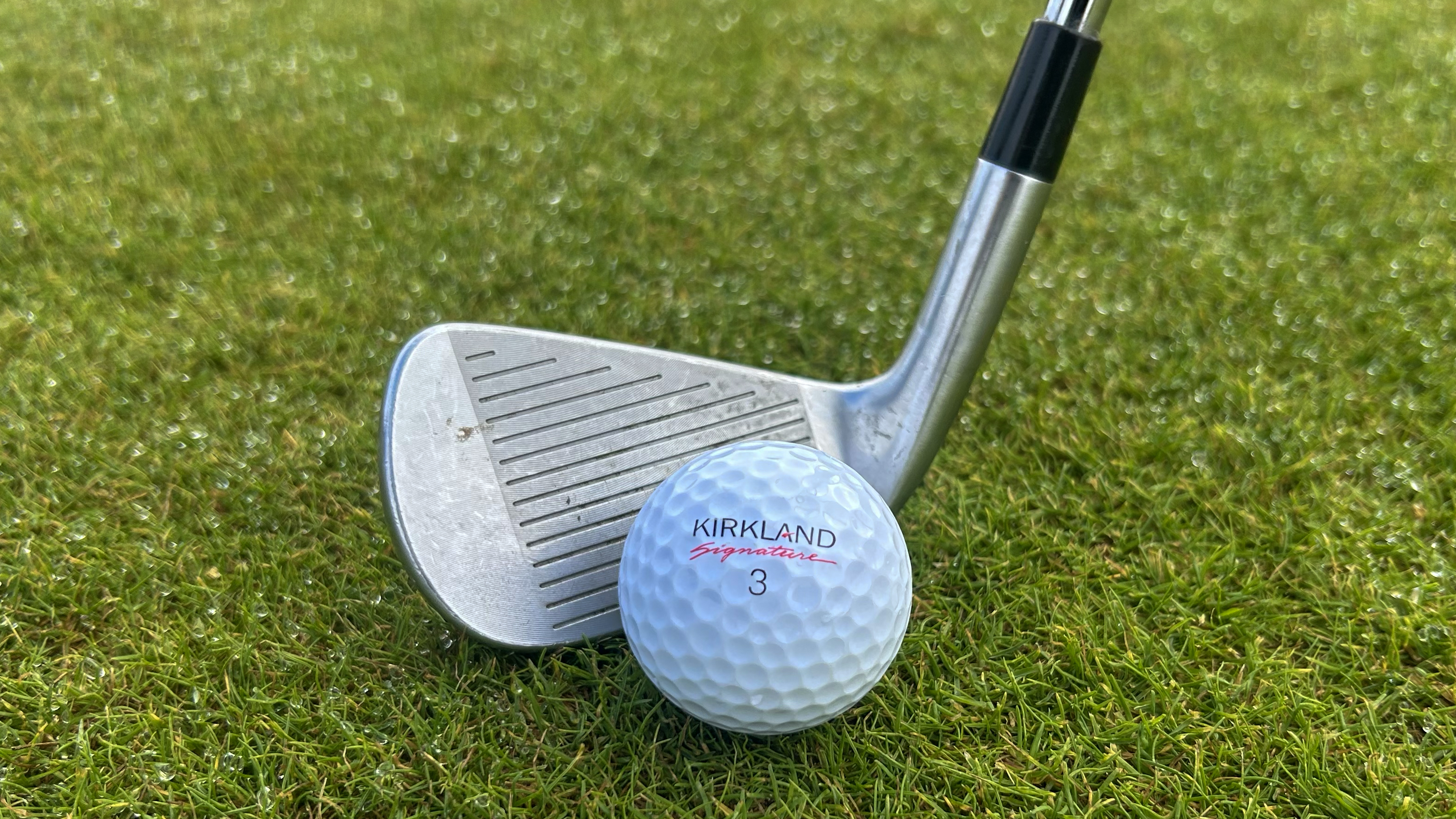
The Kirkland Signature ball features a similar looking alignment aid, while the logo adds a hit of red to the otherwise black fonts.
Feel
As you might expect from a premium ball favored by many of the best players in the game, the Pro V1 delivers a supremely soft feel. This is most notable around and on the greens, where you get little audible feedback, especially compared with a firmer ball that delivers a ‘clicky’ feel and accompanying acoustic.
While its price tag could suggest that’s exactly what you’d get, the updated Kirkland Signature ball surprised us with its softer feel. It’s a noticeable improvement from previous iterations we’ve tested, and while it doesn’t match the refined sensation you get when clipping away the Pro V1, it’s far more responsive, especially with the scoring clubs and the putter, than I’d anticipated.
Performance
Using a Foresight Sports GC3 launch monitor to gather some data on each ball produced some interesting numbers to say the least. Both the Pro V1 and the Kirkland Signature delivered similar spin and speed data, with only a minimal difference in carry and overall distance. Wary that a camera-based system like the CG3 only actually measures the first few feet of flight before using mind-boggling algorithms to project the final numbers, I went outside to hit a few more balls.
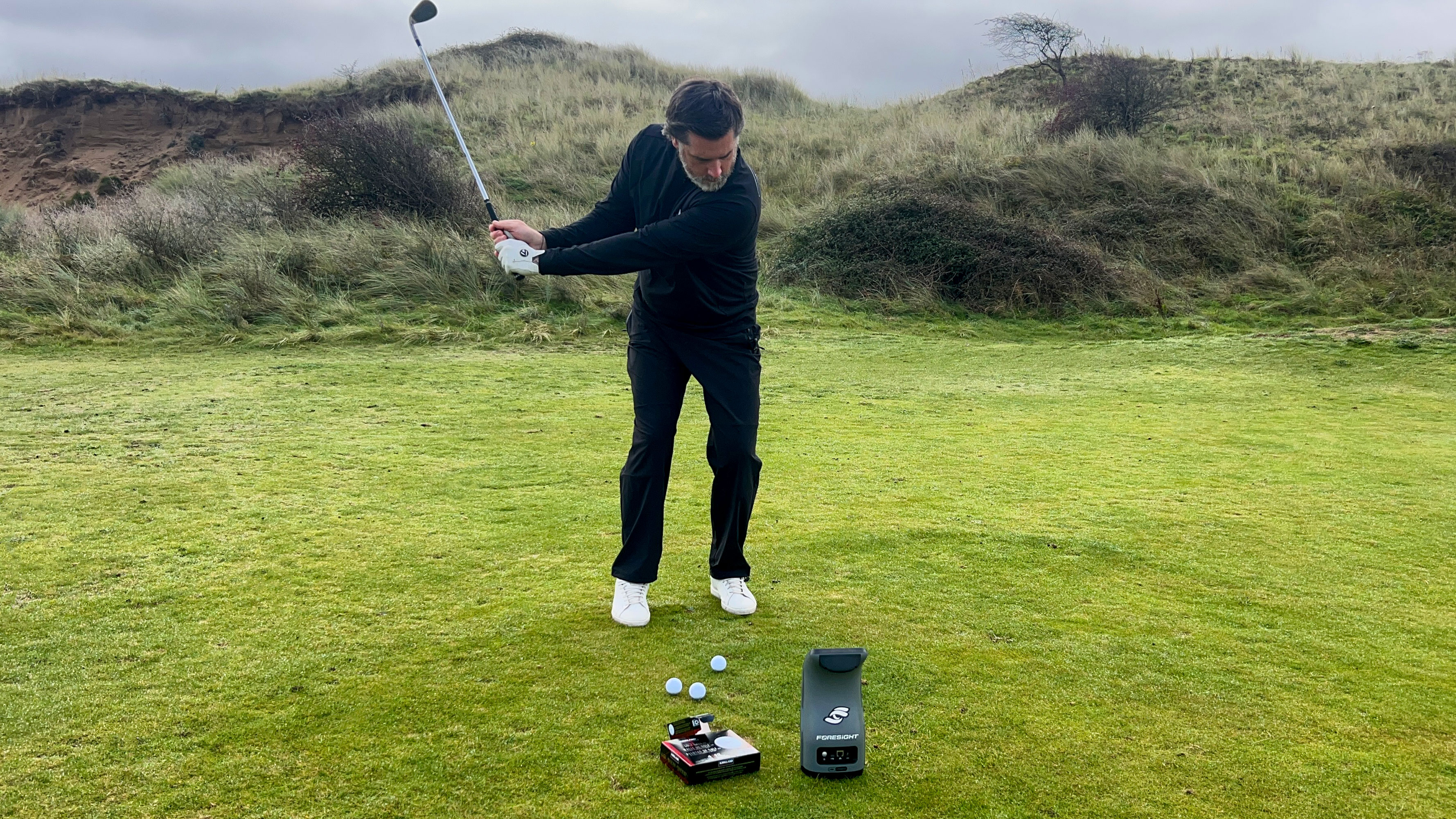
In this real world setting, the Pro V1 was around 10 yards longer than the Kirkland signature with the driver and some 6.5 yards longer with my 7-irons. Heading closer to the green and the latter continues to fall short of its premium competitor. The ball flight is significantly higher with the scoring clubs, a noticeable difference to the penetrating flight of the Pro V1. There’s also far less grab on the green with the Kirkland ball.
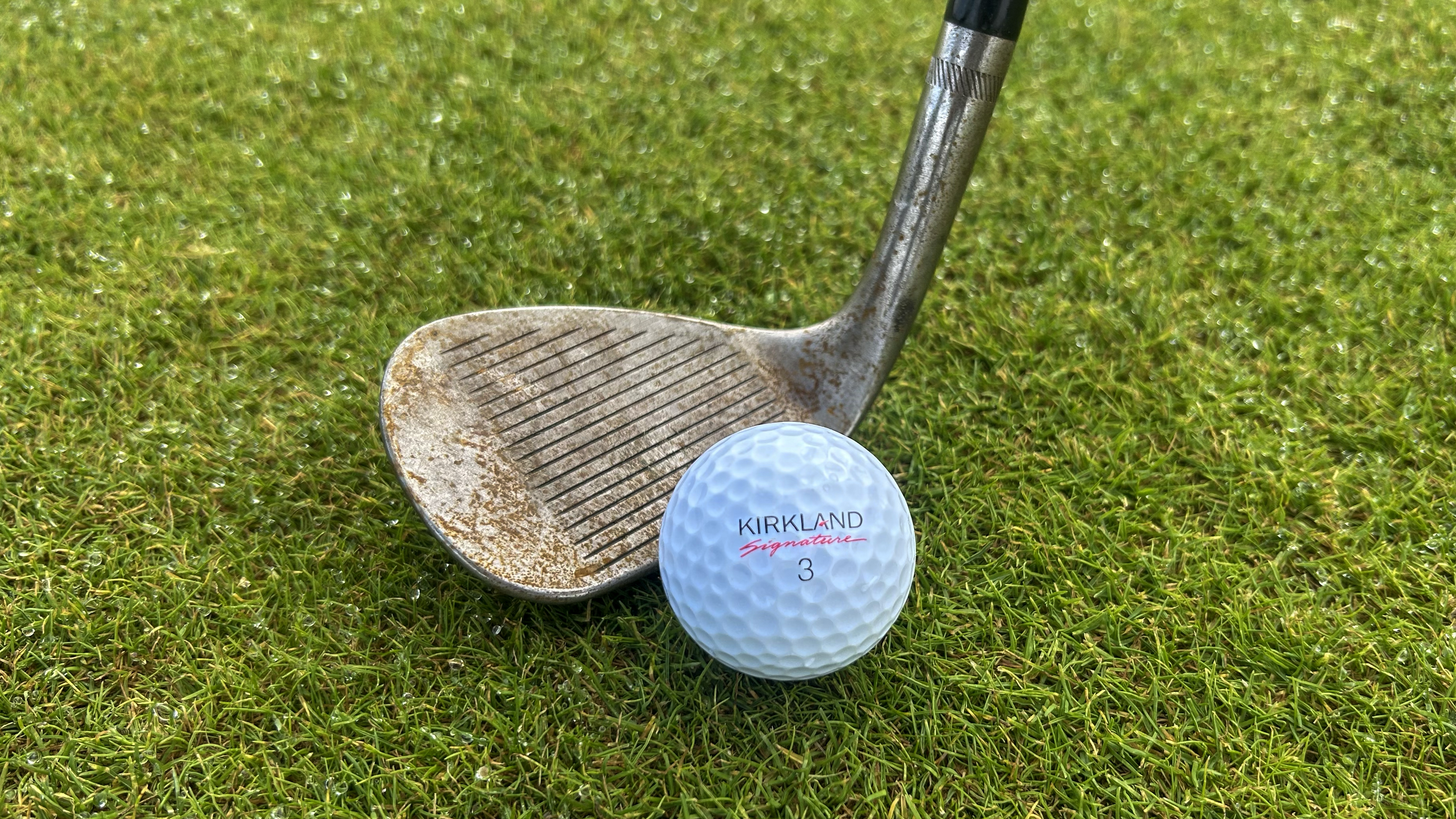
It’s important to note however that while this high ball flight and lack of spin on pitches and chips will be detrimental to the better player, it’s not necessarily harmful to the higher handicapper who struggles to get the ball airborne and chunks enough chips that a ball that runs out a wee bit can be helpful. And the Kirkland Signature is far from a rock, either, meaning it's applicable for a range of club golfers.
What should you choose?
Choose the Kirkland Signature if…
- You're shopping on a budget
- You value durability
- You need long-game ball speed
Choose the Titleist Pro V1 if…
- You want a soft feel
- You want a lower ball flight
- You want control around the greens