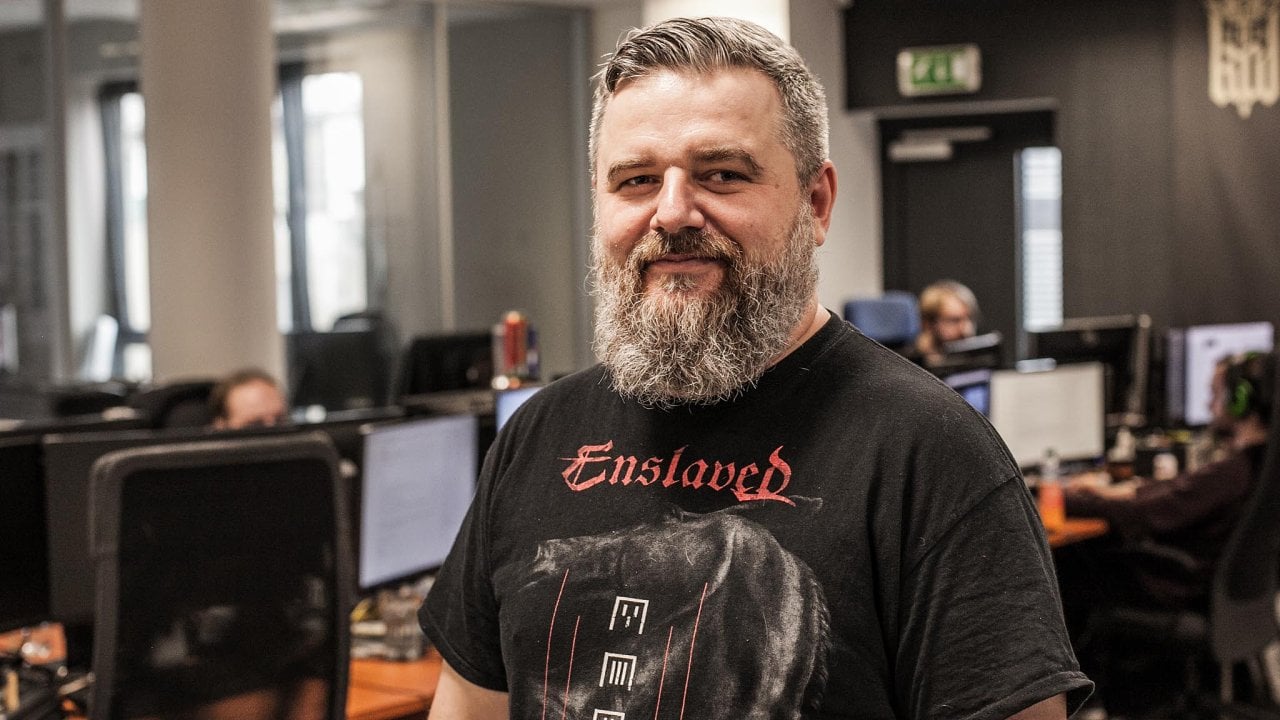
Daniel Vávra, a popular Czech video game writer and director, has weighed in on the gaming industry’s AI debate again, this time arguing that the technology could help studios make bigger, more ambitious games without big budgets or long development timelines.
In an X post reacting to CD Projekt Red’s latest Witcher 4 engine test footage, Vávra said AI could let more developers make games on that scale, cut down on crunch, and speed up everything from localization to animation and worldbuilding.
He argues that AI does not have to mean replacing developers. In Vávra’s version of the future, it means teams getting more output from the same headcount, building larger worlds with more quests, more NPC activity, faster dubbing and translation, and less reliance on slower, more expensive production pipelines.
Many have already pointed out how his approach is unrealistic, especially during the times when AI and databases that support it have severely and negatively impacted the tech industry. There’s also a question of whether CEOs of major corporations will follow the ethics and morality and not fire people they would deem replaceable by AI. And by that, we mean that it’s not a question at all.
Vávra is definitely not a neutral messenger in any industry argument. He has been a polarizing figure for years, with public clashes on the topics of race and representation, criticizing game journalism, and disputing media coverage of the first Kingdom Come: Deliverance game.
The AI debate has already pulled in some of the most prominent RPG studios in the business. Larian had to clarify its AI stance after backlash over comments tied to its next Divinity game, Sandfall Interactive’s Guillaume Brioche had to explain the nature of the AI placeholder in Expedition 33, and Owlcat Games made a statement during the exclusive Dot Esports interview that there is no generative AI in the finished projects of the company.
Right now, the industry’s public consensus is still fragmented. Some studios are trying to ring-fence AI to internal workflows, while others are being forced to explain past experiments after public backlash.
Vávra is no longer leading game development at Warhorse Studios. He has stepped away from day-to-day work as creative director and moved into a new role focused on media projects, including a live-action Kingdom Come adaptation. Warhorse says he remains part of the company, but future game development is now being led by other creatives.