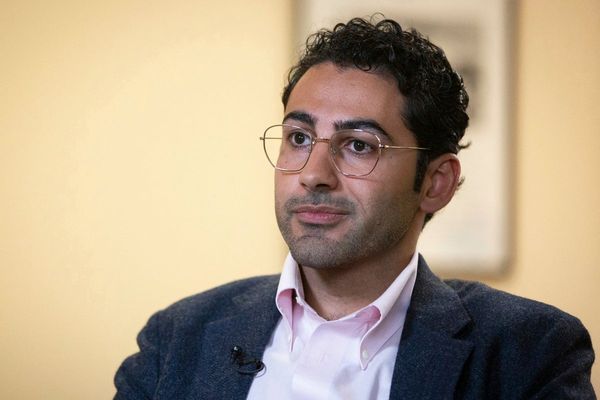

Shark Tank investor Kevin O’Leary said future conflicts could be shaped by artificial intelligence, precision weapons and advanced defense systems that allow the U.S. to pressure adversaries without relying on traditional large-scale warfare.
O’Leary Details AI-Powered Warfare Strategy
On Tuesday, in a post on X, O’Leary described a future warfare strategy, "tenderization," arguing that AI-powered systems could allow countries to weaken an opponent’s capabilities through sustained, targeted pressure.
"If Iran doesn’t want to play ball, they will be tenderized into compliance," O’Leary wrote.
He said the approach would involve "highly specific ordinance, satellite-controlled, AI-driven, predictive analysis on everything you need," with technology and operations managed from U.S.-based infrastructure.
"You don’t have to kill a lot of people. You don’t wanna do that," O’Leary said, arguing that precision weapons and AI could reduce the need for traditional warfare methods.
"This is going to be a new type of warfare. This is called tenderization," he added.
O’Leary also called for greater investment in AI-powered defense systems, saying, "That’s what we need in America. That’s what I’m building, and that’s what every other developer’s gonna have to build."
If Iran doesn’t want to play ball, they will be tenderized into compliance. The way you tenderize is you have highly specific ordinance, satellite-controlled, AI-driven, predictive analysis on everything you need, controlled stateside from a server in the US on sovereign soil,… pic.twitter.com/VsgizCIV5G
— Kevin O'Leary aka Mr. Wonderful (@kevinolearytv) July 14, 2026
AI Reshaping Cybersecurity And Modern Warfare
Earlier, the Five Eyes intelligence alliance warned that rapid AI advances could accelerate cyberattacks, allowing adversaries to identify vulnerabilities, generate malicious code and automate operations faster, urging organizations to prepare within months rather than years.
XTEND CEO Aviv Shapira said the future of defense technology could rely on AI-powered platforms that connect drones, robots and autonomous systems across manufacturers.
He described XTEND’s vision as an "Android of robotics" designed to unify defense hardware through software.
Palantir CEO Alex Karp said AI was providing the U.S. and its allies with a strategic advantage amid rising Middle East tensions, arguing that AI was transforming modern warfare by improving intelligence sharing and battlefield coordination.
Disclaimer: This content was partially produced with the help of AI tools and was reviewed and published by Benzinga editors.
Read Also: Palantir May Be The Brain Of AI Warfare — But Ondas Is Building The Hardware
Photo courtesy: Kathy Hutchins / Shutterstock.com