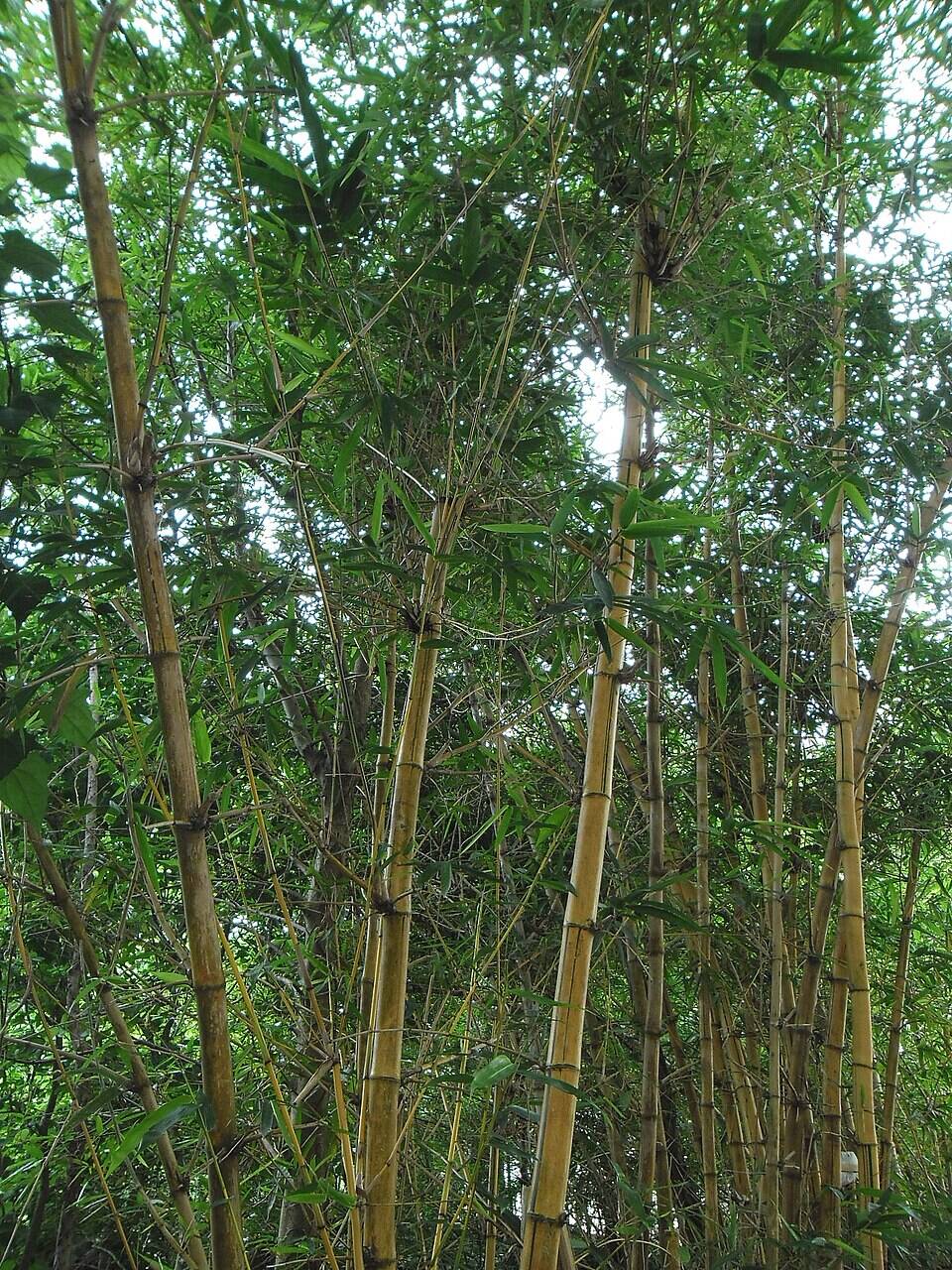
Across the hills of central Kenya, farmers are turning to bamboo to help reduce landslide risk. Because it grows quickly and has dense roots, bamboo is being planted in vulnerable areas to help hold soil in place as heavier rains cause more damage.
Get breaking news anytime, anywhere. Download the TOI app now!
In Murang’a County, where steep slopes and tree loss have increased landslide risk, farmers have started growing bamboo alongside crops and trees. According to a report by the Thomson Reuters Foundation published via PreventionWeb , the use of bamboo in the region began because of its strong root network, which can help prevent soil erosion during heavy rains. The report adds that farmers are also pairing bamboo with cedar and pine on small plots, while its economic appeal comes from products such as furniture, fencing and house construction materials.
Landslides have made it difficult for families to abandon their unsafe homes
For many Kenyan families, living on an unstable slope is a constant risk. In Makomboki village in Murang’a County, a landslide caused by heavy rain swept about three acres of land downhill, destroyed part of local farmer Macharia Mirara’s tea plantation and killed one woman in March 2016, according to a Thomson Reuters Foundation report.
Residents attribute the increased landslide risk to heavy rainfall, deforestation and poor drainage. Kenya's disaster management authorities say climate change is increasing the risk and frequency of floods and landslides. That is reflected in the frequent flood-related incidents reported by the National Disaster Operations Centre .
Unlike most trees, bamboo matures quickly and can be harvested repeatedly once it reaches maturity. Conservationists say bamboo roots help hold soil together and prevent erosion on steep slopes. Naftali Mungai, a Nairobi-based conservationist quoted by the Thomson Reuters Foundation, said bamboo’s root structure makes it stable even in loose soil and helps water move through the soil.
Farmers in the region have turned to planting bamboo as a way to help reduce soil erosion and lower landslide risks. Samuel Karanja, a farmer in the region, told the Thomson Reuters Foundation that bamboo protects the environment and provides income because it regenerates after cutting.
Bamboo can help, but experts warn it is not a universal solution
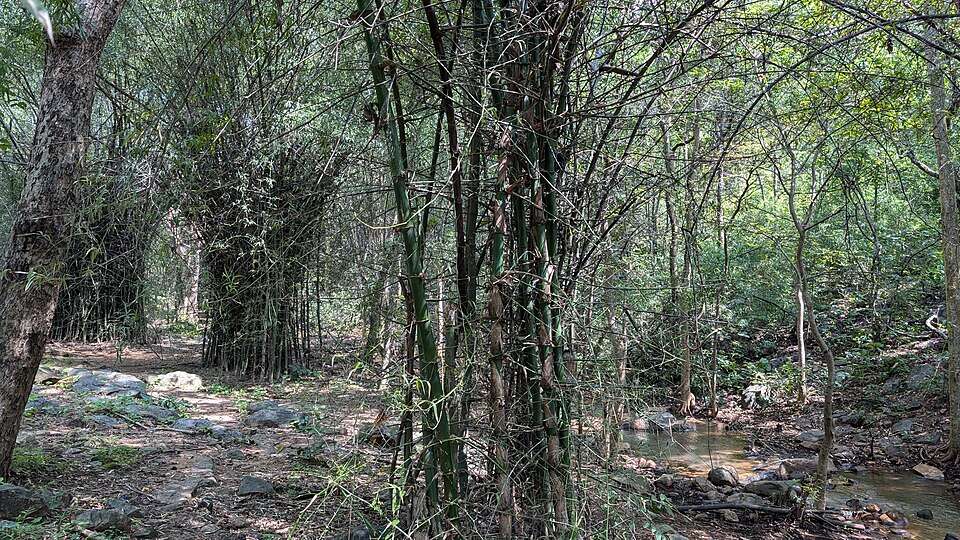
While bamboo has been promoted as a way to manage erosion, studies show that its environmental effects depend on the species chosen and how it is managed. A study in AoB PLANTS, available through PubMed , found that some bamboo species introduced outside their native ranges have become invasive, and warned that cultivation could pose future invasion risks if species are not carefully selected and managed.
In the study, researchers examined the global distribution of bamboo species and identified which varieties had been introduced or become invasive outside their native ranges. They found that some widely traded bamboos have traits and human-use histories that could increase their spread beyond cultivation.
However, concerns about bamboo’s rapid spread vary by species and growing area. Specialists advise choosing appropriate species and managing them properly. Water use is another concern in some commercial bamboo-growing areas.
There is no evidence that bamboo planting projects in Kenya have caused water shortages. However, water use remains a consideration in some bamboo-growing regions.
Farmer communities say forest restoration can help reduce landslide risk
Even though bamboo has become popular, farmers and conservationists say it cannot replace broader efforts to restore forests and manage land sustainably. Murang’a residents link the increased landslide threat to years of deforestation that have left hillsides vulnerable to heavy rain.
The Food and Agriculture Organization of the United Nations (FAO) explains that forests help minimize soil erosion because tree root systems hold soil particles together, while forest cover reduces surface water flow and protects soil from erosion. Kenya has also launched large-scale tree-planting initiatives. The Kenya Forest Service oversees forest management and conservation efforts.
For people living on unstable slopes, bamboo can be a useful option. It grows quickly, can generate income and may help reduce erosion when planted appropriately.