A casual conversation among county officials in Kenya has led to a groundbreaking policy, making Nairobi the first region in the nation to grant female employees menstrual leave.
The initiative, which came into effect in December 2025, allows women working for the capital’s county government two days off each month to manage the pain and discomfort associated with menstruation.
The aim is to boost productivity and overall well-being.
Governor Johnson Sakaja, who championed the new practice, said that Kenya’s national government and other county administrations have expressed keen interest in its implementation and outcomes.
More than half of the 18,000 employees under his governance are women.
"Your biggest asset is your staff," Mr Sakaja said.
"It starts with dignifying your own staff, for them to feel that they’re respected and dignified."
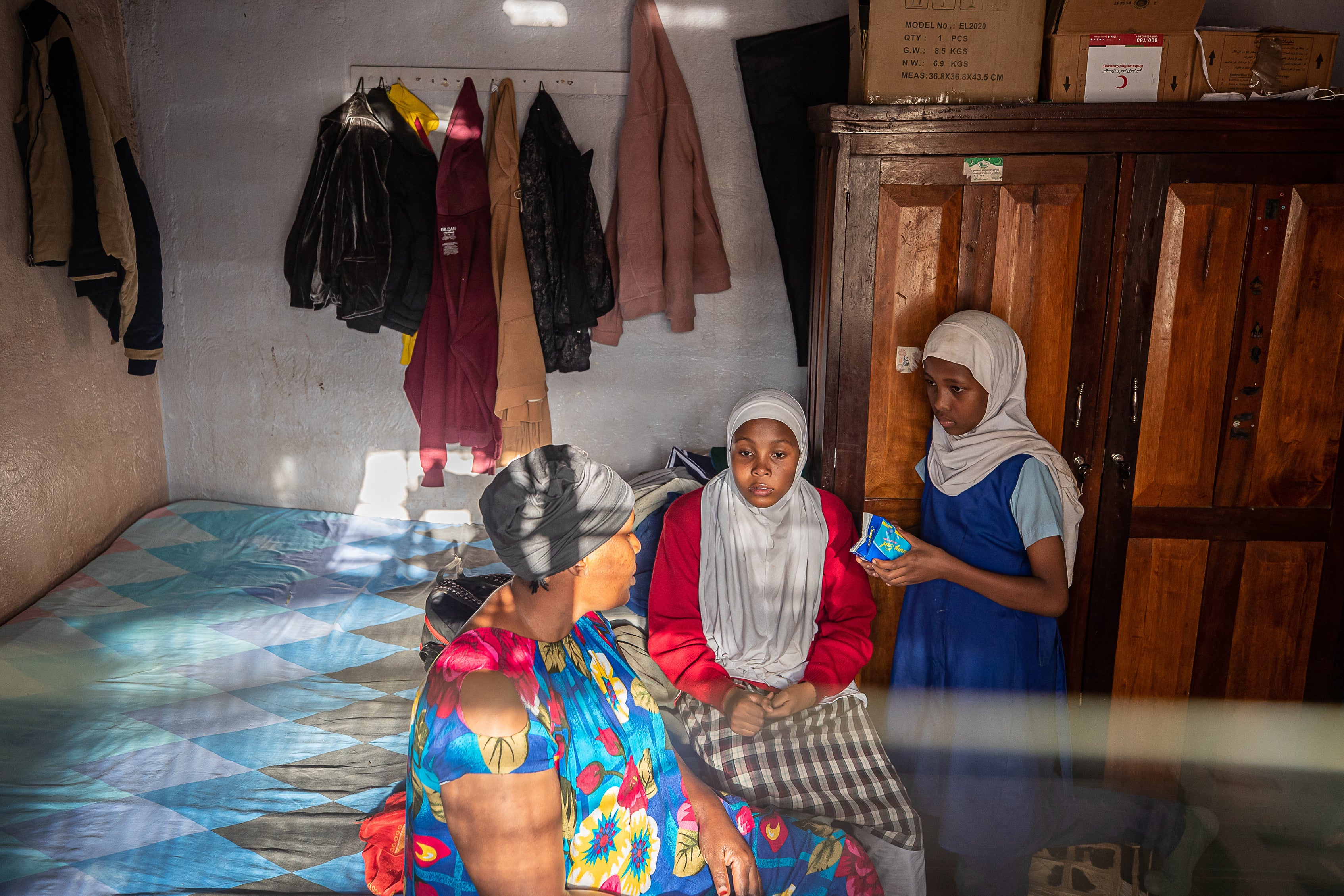
While some critics have suggested the policy could deter employers from hiring women, Mr Sakaja said that women perform better when adequately supported.
Women currently lead the Nairobi county government’s business and health portfolios.
"A lot of labour policies were written many years ago by men," the governor said.
"Women’s rights are not anti-productivity. They are an input that creates productivity. It’s actually an investment in your workforce."
He added that the policy would have no financial impact, given that the county employs more than one person for each role.
"It will not be a train smash if three or four people in a department are not there for a day or two," he explained.
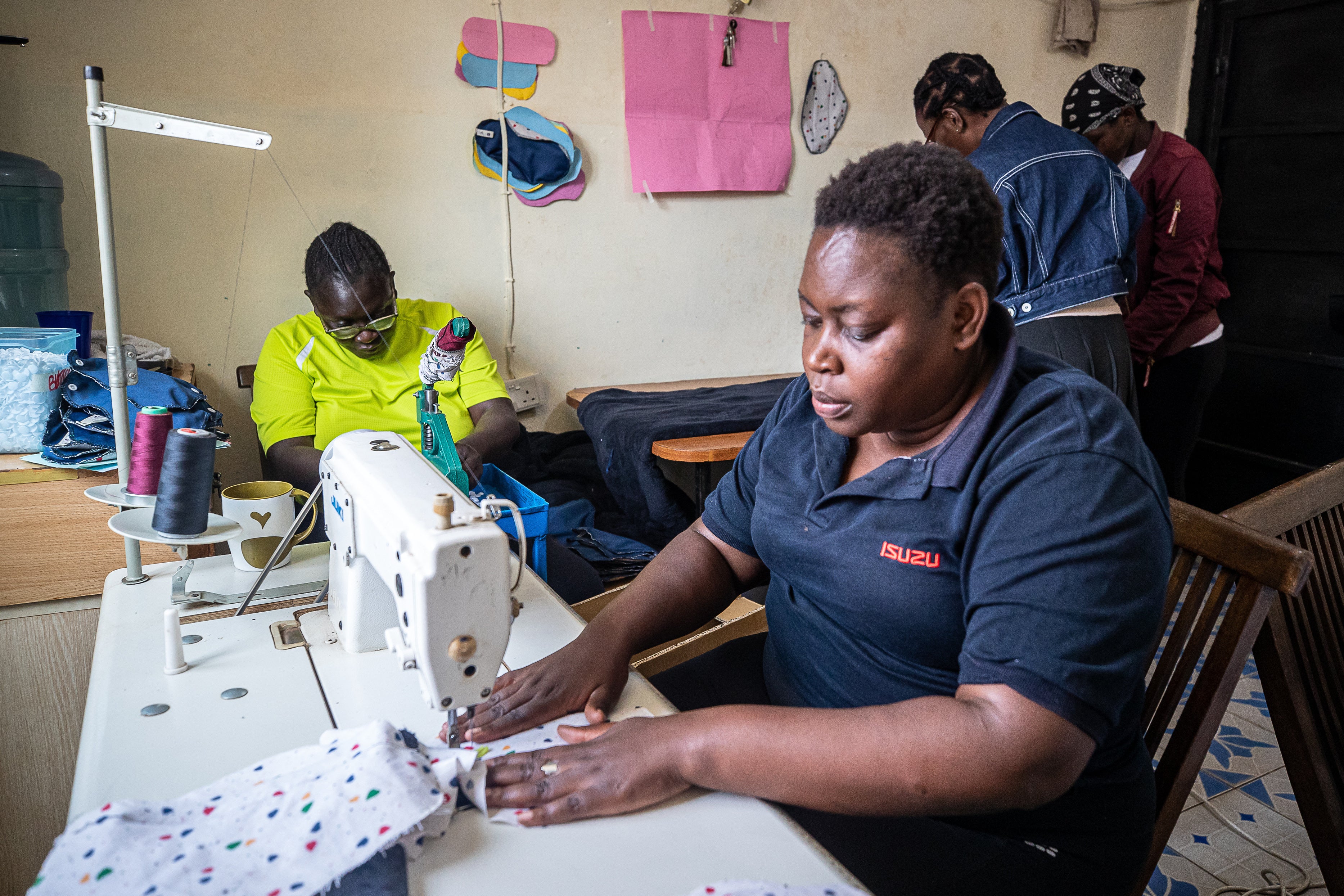
Japan adopted a menstrual leave policy as early as 1947, with Spain following suit in 2023. Other nations, including Indonesia and South Korea, also have similar provisions.
In Africa, only Zambia has a nationwide menstrual leave policy, permitting female workers one day off per month without requiring a doctor’s note.
Advocates argue that such policies acknowledge menstruation as a legitimate workplace health issue.
Janet Opiata, Nairobi County human resource manager, said that the feedback had been positive.
"The feedback we have gotten, especially from the staff that work in public service management, is that it’s very refreshing. And when they come back, they are able to work even better," she said, adding that at least 12 women from her department, including a senior director, used the leave in February.
The policy operates on a "no-questions-asked, no-forms-filled" basis, offering paid leave in addition to standard sick and annual leave entitlements.
Nairobi implemented the policy via a cabinet decree and an internal human resources memo.
Marion Kapuya, a 25-year-old revenue officer, said the policy had an immediate impact.
"Working with pain or discomfort can lead to mistakes or low productivity," she explained.
"When you take the break and you are relieved from the pain, your performance will be top-notch."
Ms Kapuya also highlighted the persistent stigma in many workplaces. "Before I get to a point of saying, ‘Excuse me, sir, I am on my period and I don’t feel okay,’ it is so hard," she confessed.
The governor acknowledged feedback suggesting that even with the policy, some employees might still feel embarrassed to inform a manager that their time off is for menstrual leave.
Christine Akinyi, a private-sector worker in Nairobi, praised the two-day provision as a good start but suggested it should be extended to four days.
However, she also voiced a common concern: "People will prefer to employ more men because they don’t have these sick leaves."
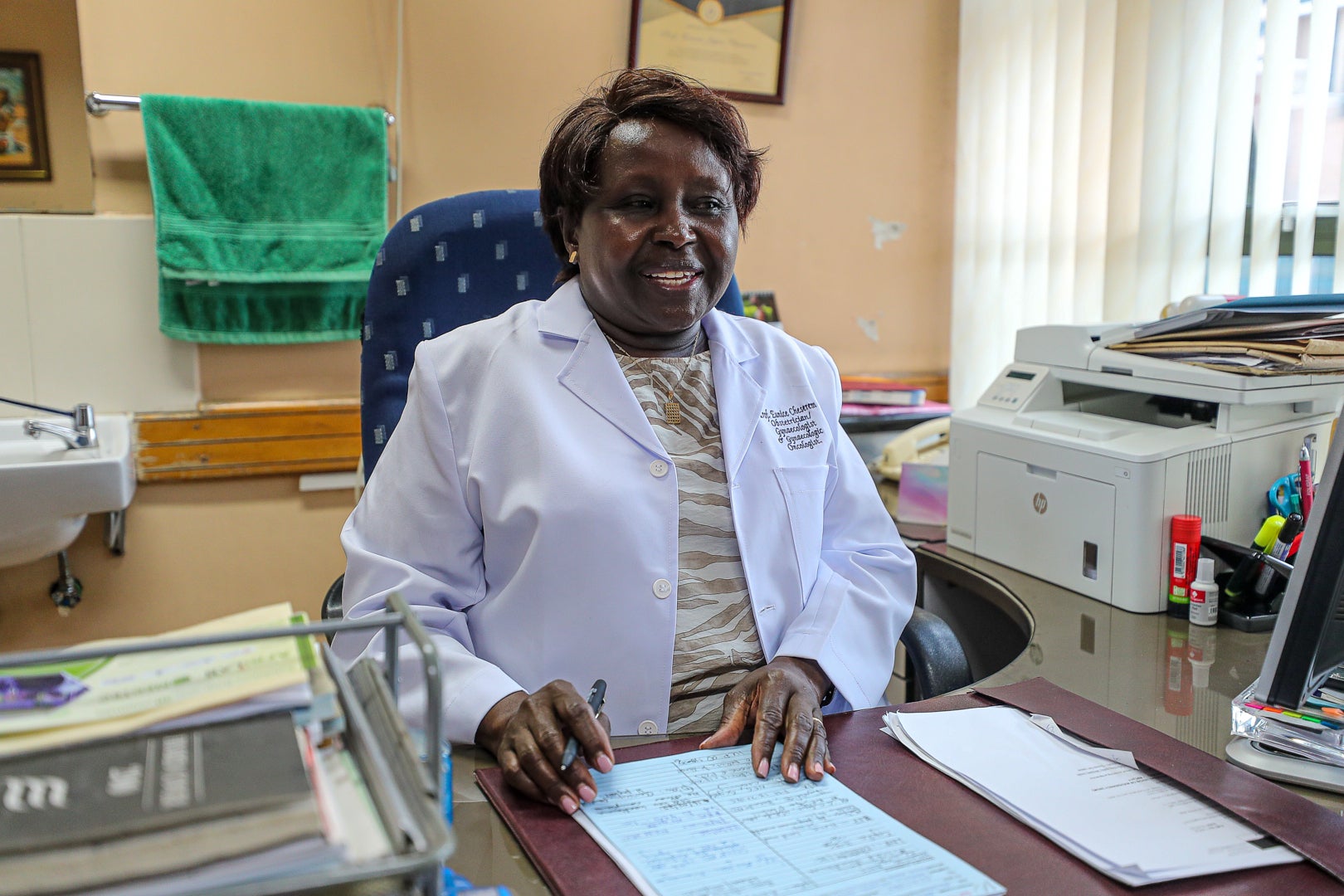
Dr Eunice Cheserem, a Nairobi-based gynaecologist, said that severe menstrual pain affects 50 per cent of the women she treats, though national data for Kenya is unavailable.
"If a woman gets severe menstrual pain, she actually ceases to be functional. Some will get vomiting, severe headaches, they vomit everything, they have diarrhoea, they have very terrible cramps," Dr Cheserem said.
"Some respond to conventional analgesics, but very many need very, very strong analgesics for them even to be able to function."
She said that Nairobi county’s new menstrual leave offers much-needed rest and an opportunity for women to prioritise their self-care.
2 men found with hundreds of ants are charged with illegally dealing in wildlife in Kenya
Kenyan court charges two men including Chinese citizen with smuggling live ants
UN expert: Haiti has a chance now to tackle gang violence as new international force deploys
Women almost 150 times more likely to die from maternal sepsis in Africa than Europe
I’m lucky my baby and I got the care we needed – mothers across Africa need our help
‘A mother giving birth could bleed to death while I’m out looking for water’