
Bluetooth: 5.4
Max resolution support: 24-bit/192kHz PCM
Inputs: HDMI ARC, USB-C, optical, RCA line level, MM phono
Dimensions (hwd): 28.5 x 16.8 x 26.8cm
Weight: 11.3kg (total)
Big, bold and beautiful, the Coda W builds on the LSX II with a more open, more dynamic sound and added turntable skills. It lacks the network streaming capabilities of the LSX II, however, which could be a dealbreaker for some.
Pros
- Clear, detailed presentation
- Deep, controlled bass
- Excellent handling of dynamics
- Elegant build quality
Cons
- No built-in wi-fi streaming features
- No volume indicator on the speakers
- Phono stage performance could be better
Bluetooth: 5.0
Max resolution support: 24-bit/384kHz PCM, DSD256, MQA
Inputs: HDMI ARC, optical, USB-C, 3.5mm aux, Ethernet
Dimensions (hwd): 24 x 15.5 x 18cm
Weight: 7.2kg (total)
Smaller and with a more rounded design than the Coda W, the LSX II shares the same sonic profile, but falls just a little behind in the sound department. It's better connected though – if pricier – and its sound is still five-star. A great alternative to the Coda W.
Pros
- Well-rounded sonic performance
- Excellent imaging and dynamics
- Stunning, compact design
- Full network streaming built-in
Cons
- Native 24-bit/192kHz playback requires wired connection
- Best suited to smaller rooms or desktop use
- New LSX II LT model offers same sound for cheaper
Given its five-star pedigree, a new KEF active speaker system is big news indeed. But in the case of the Coda W, it's especially big. The new model marks a rebirth for KEF's iconic Coda range, which started back in the 1970s. Combining this heritage and classic hi-fi sound with modern smarts, could it be the ultimate active speaker set-up?
Here we're comparing it to the KEF LSX II all-in-one wireless speaker system, which earned five stars in our review, plus a What Hi-Fi? Award back in 2023. So to say the competition is stiff – even if it is from the same brand – would be an understatement.
We've now assessed the new model, and gave it five stars in our KEF Coda W review. Let's see how it compares to the LSX II.
KEF Coda W vs LSX II: price
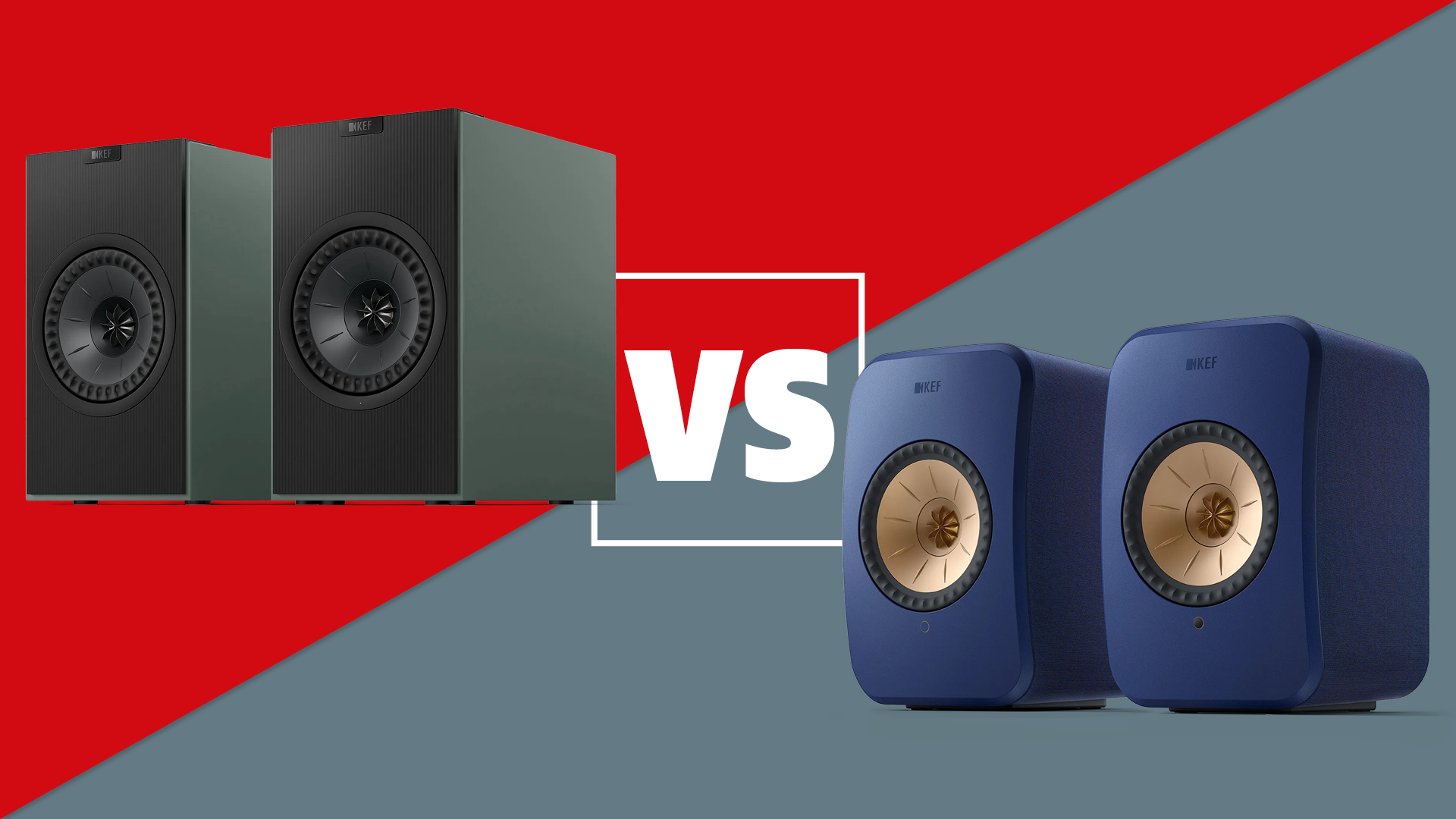
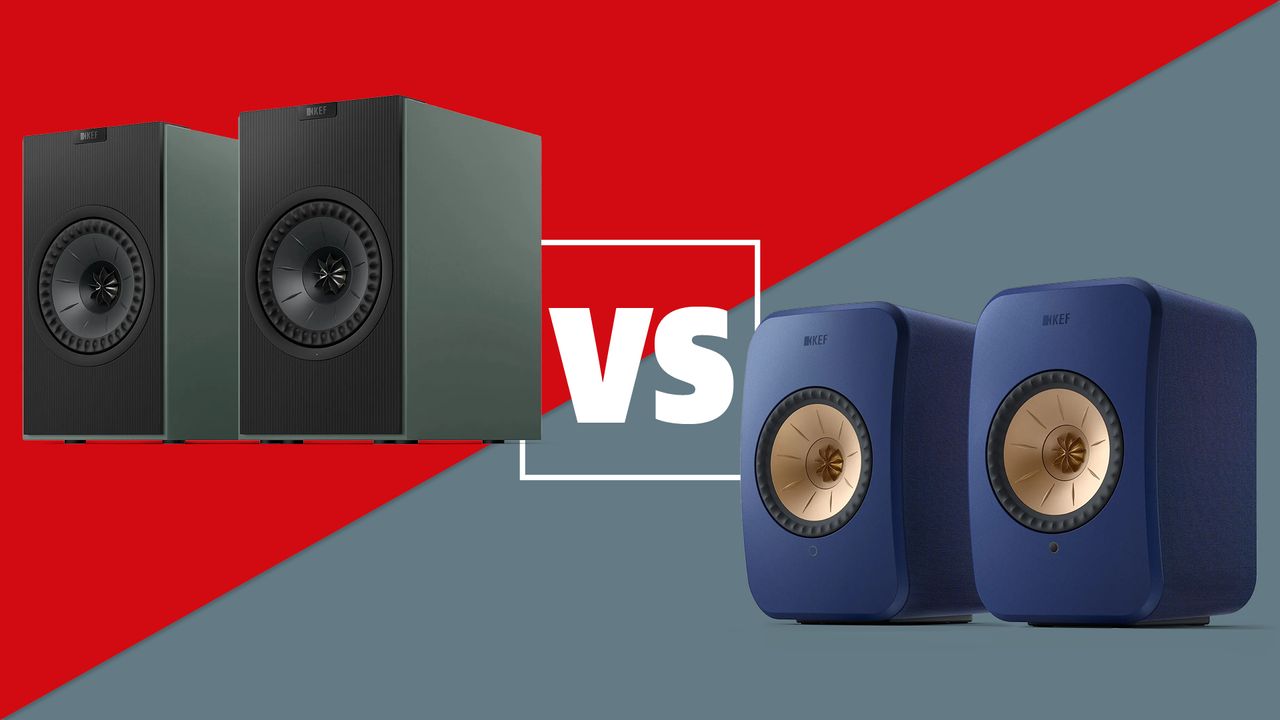
On first glance, the Coda W wins this round quite comfortably. It retails for £799 / $1000 / AU$1450 per pair, which is a lot less than the LSX II's price of £1199 / $1400 / AU$2195.
However, the LSX II system has been around for a few years and is prone to the odd deal. It has fallen to £999 before, which closes the gap considerably.
There's more. If you can live without some of the LSX II's connectivity options and features, the stripped-back (not to mention current Award-winning) LSX II LT set-up offers the same signature KEF sound for £899 / $999 / AU$1695, and it too has fallen in price recently.
It's gone as low as £749, which is £50 cheaper than the Coda W. So the picture is considerably more nuanced than the headline figures suggest.
**Winner: KEF Coda W**
KEF Coda W vs LSX II: build & design
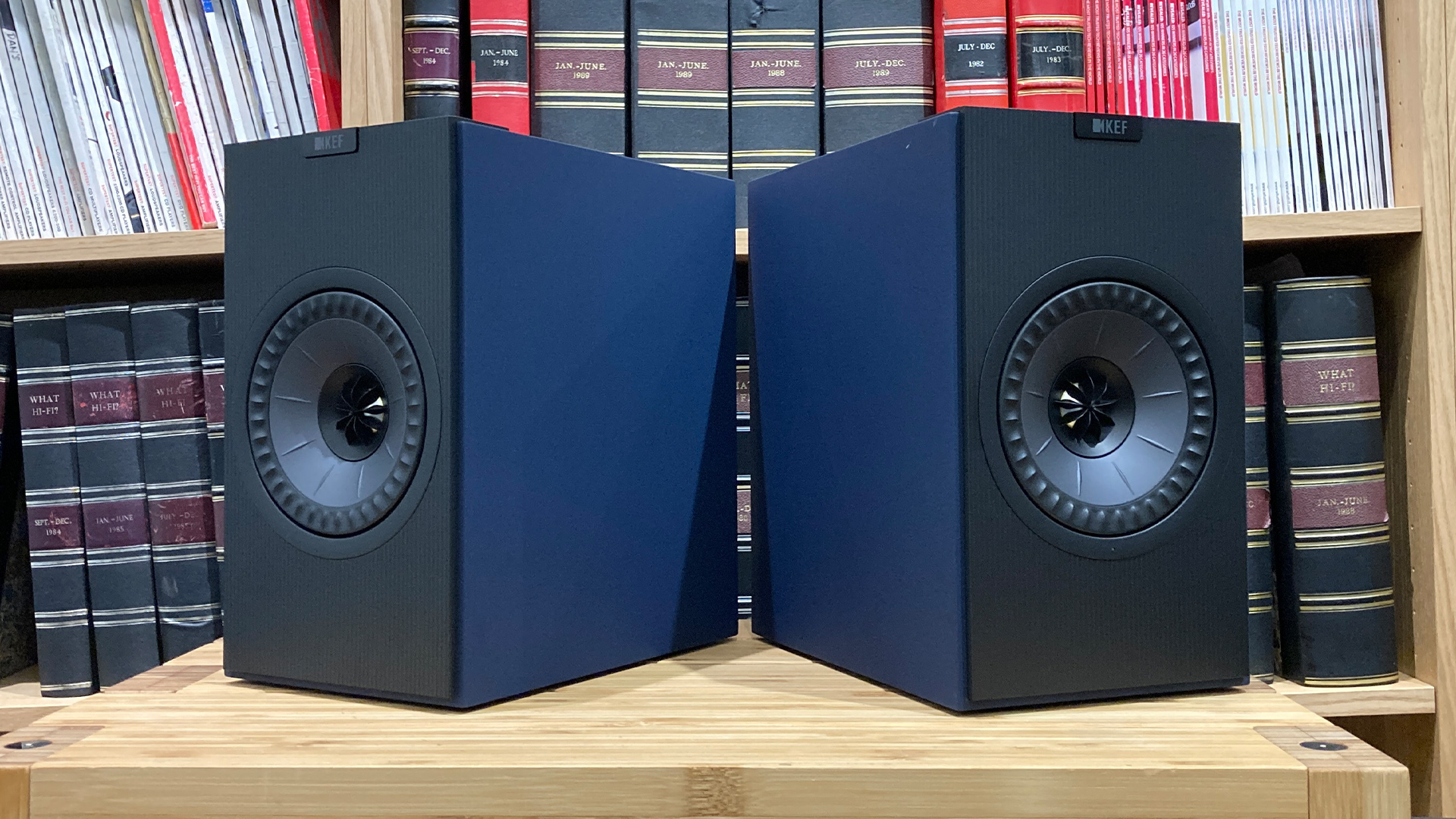
The Coda W speakers are boxier to look at than the LSX II, which are more curvaceous. Unlike the LSX II, the Coda W have controls on the top (or you can use the app, of course). Both models come in five finishes, but not the same five finishes.
The Coda W come in Vintage Burgundy, Nickel Grey, Moss Green, Midnight Blue and Dark Titanium. And the LSX II? Carbon Black, Mineral White, Cobalt Blue, Lava Red and Olive Green. There's also a Terence Conran special edition of the LSX II.
The exact finish of the LSX II depends on which colour you choose. Mineral White and Lava Red use matte satin and high-gloss finishes, while Carbon Black and Cobalt Blue are clad in rather lovely Kvadrat fabric.
This round is a close-run thing. Both pairs give you plenty of colour options, and it depends on whether you prefer the LSX II's curved shape over the newer model's more traditional look.
The Coda W are significantly heftier and larger than the LSX II, weighing 11.3kg in total to the LSX II's 7.2kg. They're 4cm taller, 1cm wider and nearly 9cm deeper, so you will need some space to house them.
The LSX II system uses KEF’s 11th Generation Uni-Q driver, but the Coda W trumps this with a 12th Generation array, with the new model using larger drivers too. Both systems are active and feature amplifier modules inside each speaker enclosure, and offer 200W of total Class D amplification.
Which wins really depends on your space and tastes. Because of their extra size and weight, the Coda W are better suited to speaker stands, while the the LSX II are small enough for a shelf or desktop. Both look modern too – despite the boxier shape, the Coda W are still sleek and streamlined, with a minimalist design ethos that's anything but old-fashioned.
**Winner: Draw**
KEF Coda W vs LSX II: features & connectivity
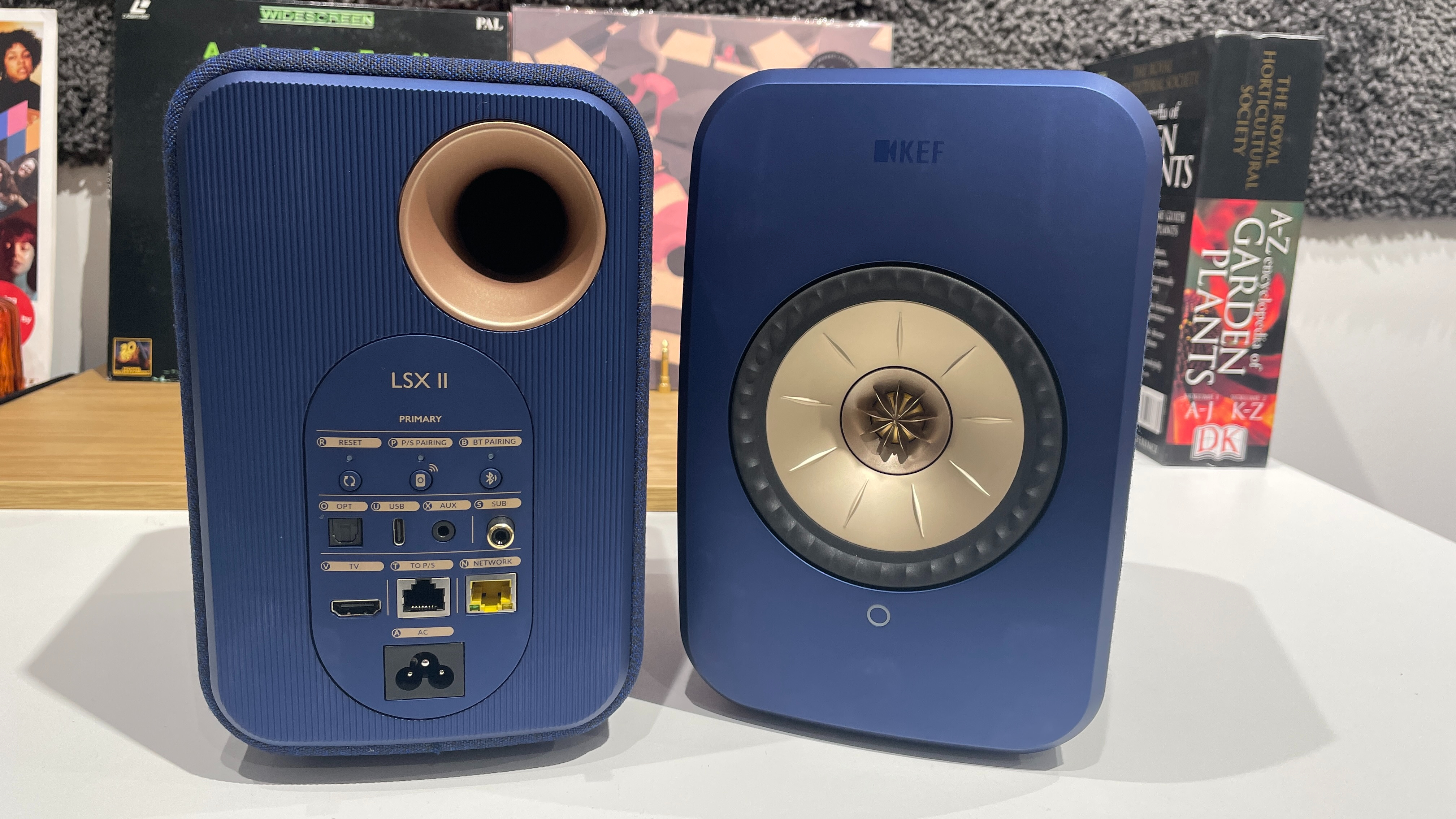
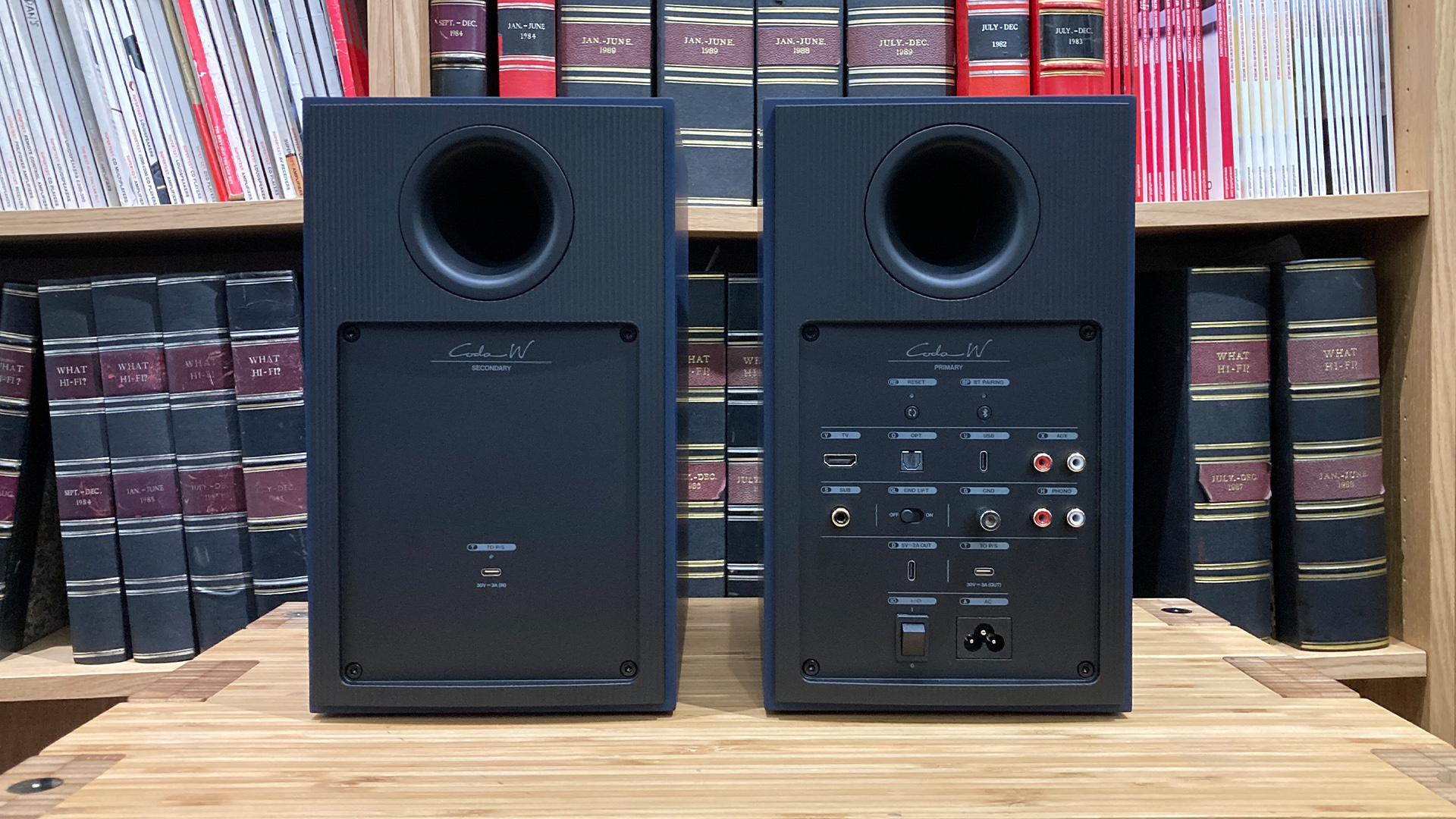
The main difference between these two speaker systems is in how they are pitched. The Coda W has a built-in phono stage for connecting to a turntable and playing vinyl, plus an extra pair of analogue inputs, a smattering of digital inputs (optical, HDMI ARC, USB-C) and some wireless connectivity.
The LSX II lacks the phono stage, but if your turntable already has one built in, you could connect it to the KEF's 3.5mm aux input. Or you can pair the system wirelessly to one of the best Bluetooth turntables.
That's not to say the LSX II system is short of connections. There's USB-C for hooking up a laptop or desktop computer, a subwoofer out, and an HDMI ARC input for using the system with a TV.
Another big difference: the LSX II system features built-in network streaming ability, with wi-fi and wired Ethernet both available. This means it supports a range of music streaming options, including Apple AirPlay 2, Google Chromecast, Amazon Music, Deezer, Qobuz, Spotify and Tidal (and their Connect versions). Its UPnP compatibility means you can stream from hard drives and NAS devices on the same network, too.
The Coda W system, on the other hand, only has Bluetooth, but it does support up to the aptX Lossless codec, which means playback is limited to CD-quality (up to 16-bit/44.1kHz) when going wireless from a compatible smartphone or tablet. It does support hi-res audio up to 24-bit/192kHz via its USB-C input.
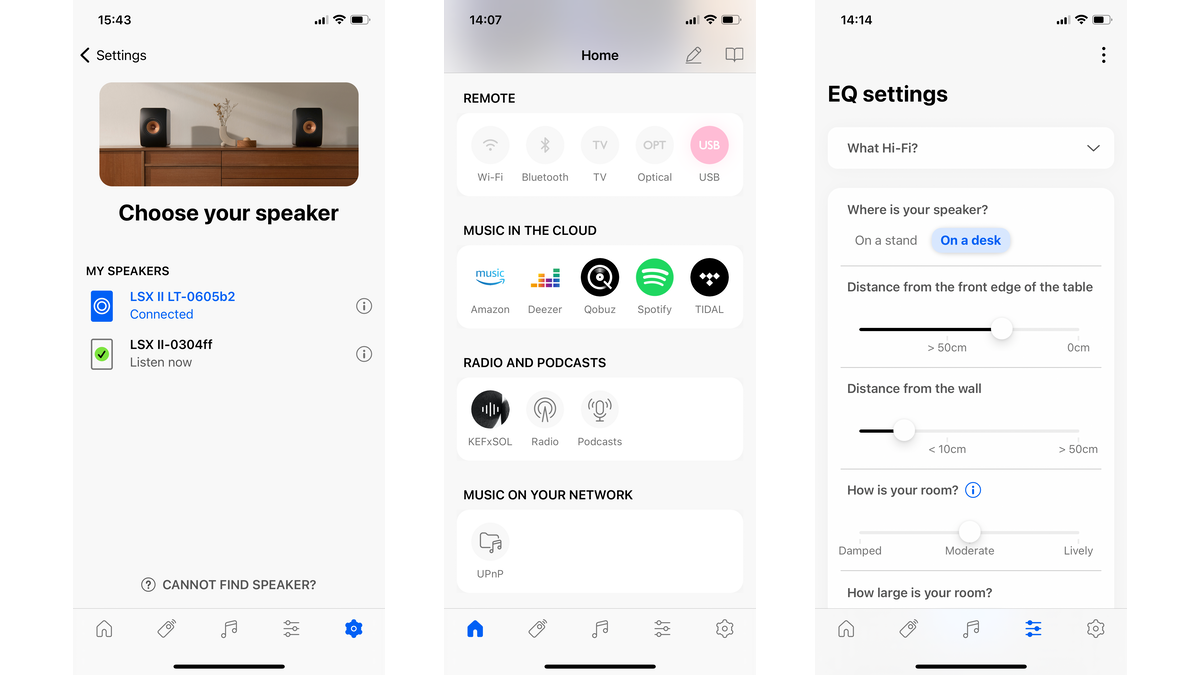
Because of its more thorough streaming capabilities, LSX II can stream in up to 24-bit/96kHz resolution from compatible services using the supplied Ethernet cable, or 24-bit/48kHz natively through KEF’s own wireless connection. It also supports DSD256 and MQA files.
The LSX II system lacks on-speaker controls, so you'll need to use either the remote (which is small and feels a bit cheap) or the KEF Control mobile app, which is comprehensive and intuitive.
The Coda W does have on-speaker controls, though you can only cycle one way through sources – if you want to go back, you'll need to reach for the remote control, or use the KEF Connect app. You can also adjust the volume on the speakers, though there's no indication on the speakers themselves as to what volume level you're at – which would be useful.
There are many who don't require the network streaming and are happy using Bluetooth, but for the extra streaming skills and greater versatility, the LSX II just takes this round.
**Winner: KEF LSX II**
KEF Coda W vs LSX II: sound
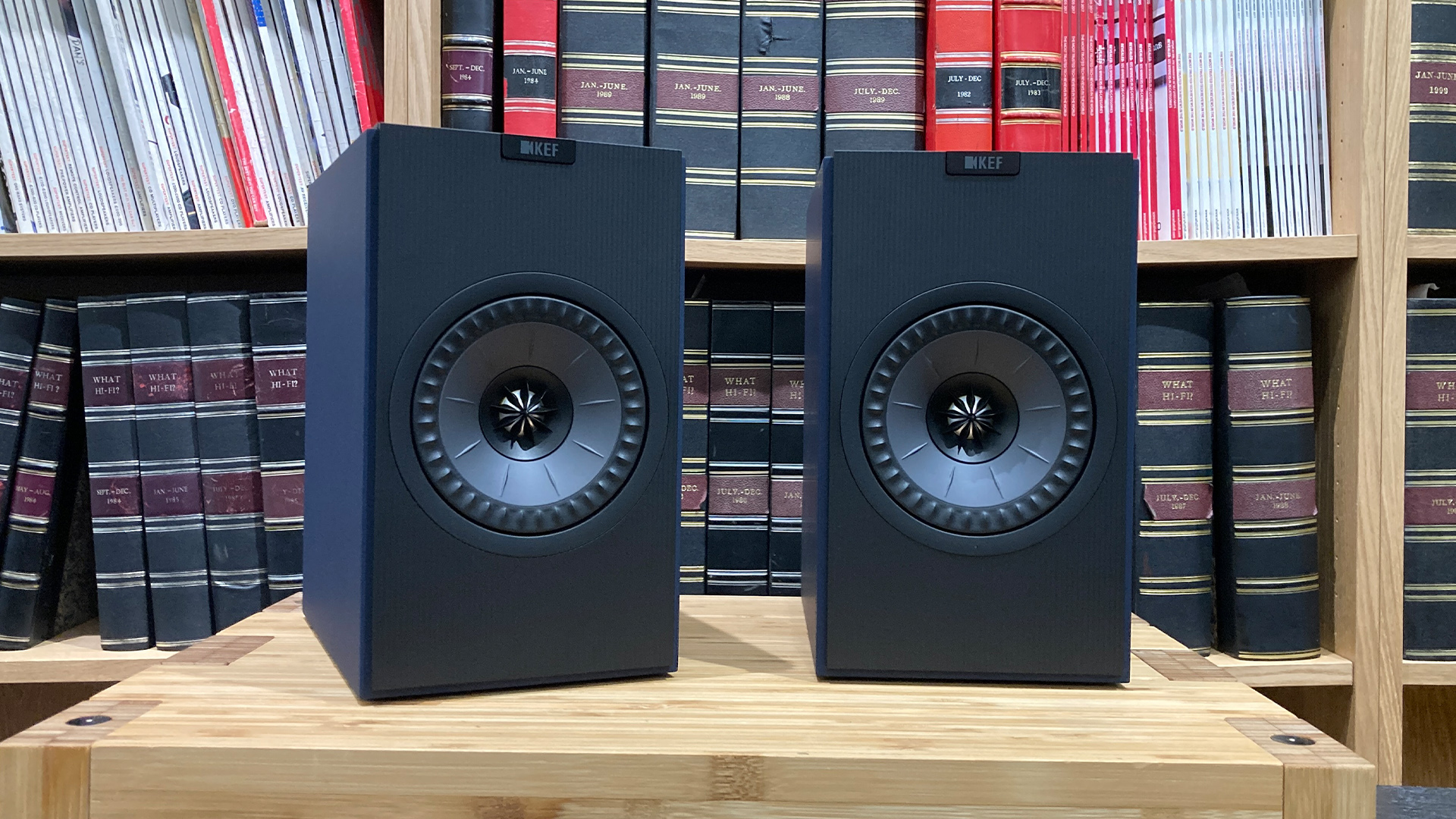
KEF was keen to talk up the Coda W, claiming it delivers a "remarkably detailed performance." Now that we've tested it, we can confirm this to be the case.
Kate Bush's voice on Cloudbusting sounds full of texture, while the Coda W's dynamic range is impressive – listening to Beethoven’s Symphony No 7 In A Major - 2nd Movement - Allegretto, we found that "the song’s louder moments really wallop you, whilst the delicate ones are delivered with incredible subtlety."
The speakers pack great levels of rhythm and drive, but never at the expense of clarity. And the phono stage – one of its key selling points over the LSX II – makes for a clear and enjoyable listen, though it's only really suitable for casual listening (if you're serious about vinyl, you'll be better served by a dedicated phono stage).
The LSX II system is a past What Hi-Fi? Award winner, and it still sounds fantastic. Playing Easy by The Commodores, "It delivers a confident performance, perfectly in tune with the relaxed, easy-going nature of the track... The speakers communicate all the subtle dynamic shifts in the piano key strikes, drum thwacks, and guitar string plucks with ease – there’s a real sense of refinement and maturity to the sound without being showy," we wrote in our review.
They don't dig too deep in the bass – as we would expect for speakers this size – but there is ample weight in the low end, and it always remains tight and controlled. They also follow rhythms well and can layer a track with detail confidently.
Add the warmth of the voices, and the versatility of the setup (they sound great either from close up or further away), and you've got quite a proposition on your hands.
So which sounds better? While both pairs share the same neutral tonal balance, the Coda W has more impact and greater authority, thanks to its larger cabinet size and bass depth. The Coda W's soundstage is also bigger and airier, while it's also clearer than the LSX II and more capable of handling dynamics with the delicacy they deserve.
But it's worth noting that the LSX II are still five-star performers, and excellent for their size and price.
**Winner: KEF Coda W**
KEF Coda W vs LSX II: verdict
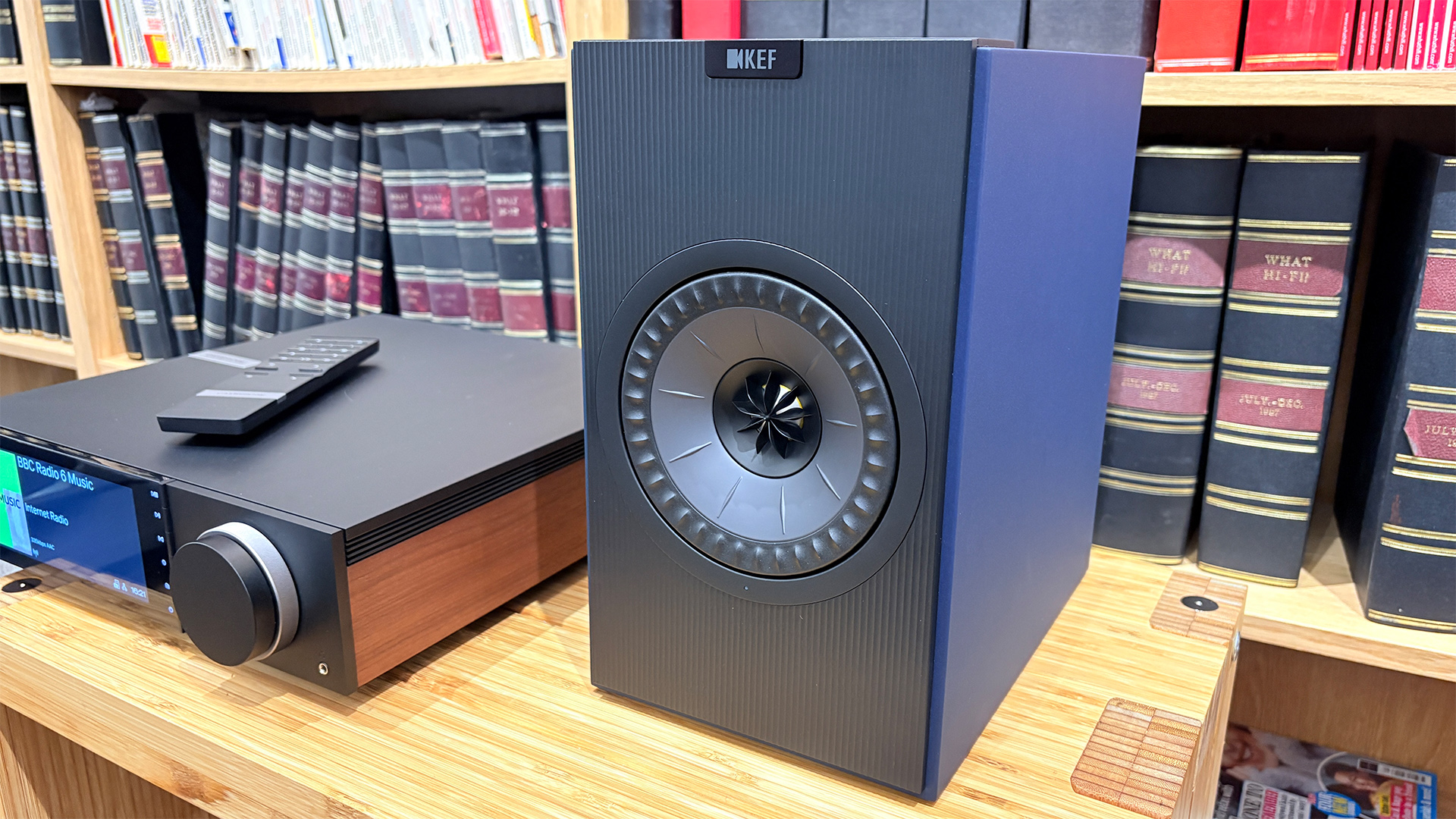
The Coda W system is certainly an attractive proposition. It's bigger than the LSX II, which works in its favour in terms of sound quality, and packs a built-in phono stage (though serious vinyl heads will want a dedicated separate). The Coda W also sounds superior to the LSX II.
However, the LSX II is more compact, has far greater built-in network streaming capabilities and still sounds excellent given its dimensions. The Coda W just edges it on sheer performance per value, but, depending on your listening preferences and space, both are superb in their assigned roles.
**Overall winner: KEF Coda W**
MORE:
KEF wireless speaker systems compared, from LSX II to LS60 – which one should you buy?
KEF LSX II vs KEF LSX II LT: which speaker system is best for you?
Check out a history of KEF speakers, from the K1 to the Concept Blades