Robbie Katter reckons restaurants are coming the raw prawn with consumers about the origin of their meals in Queensland.
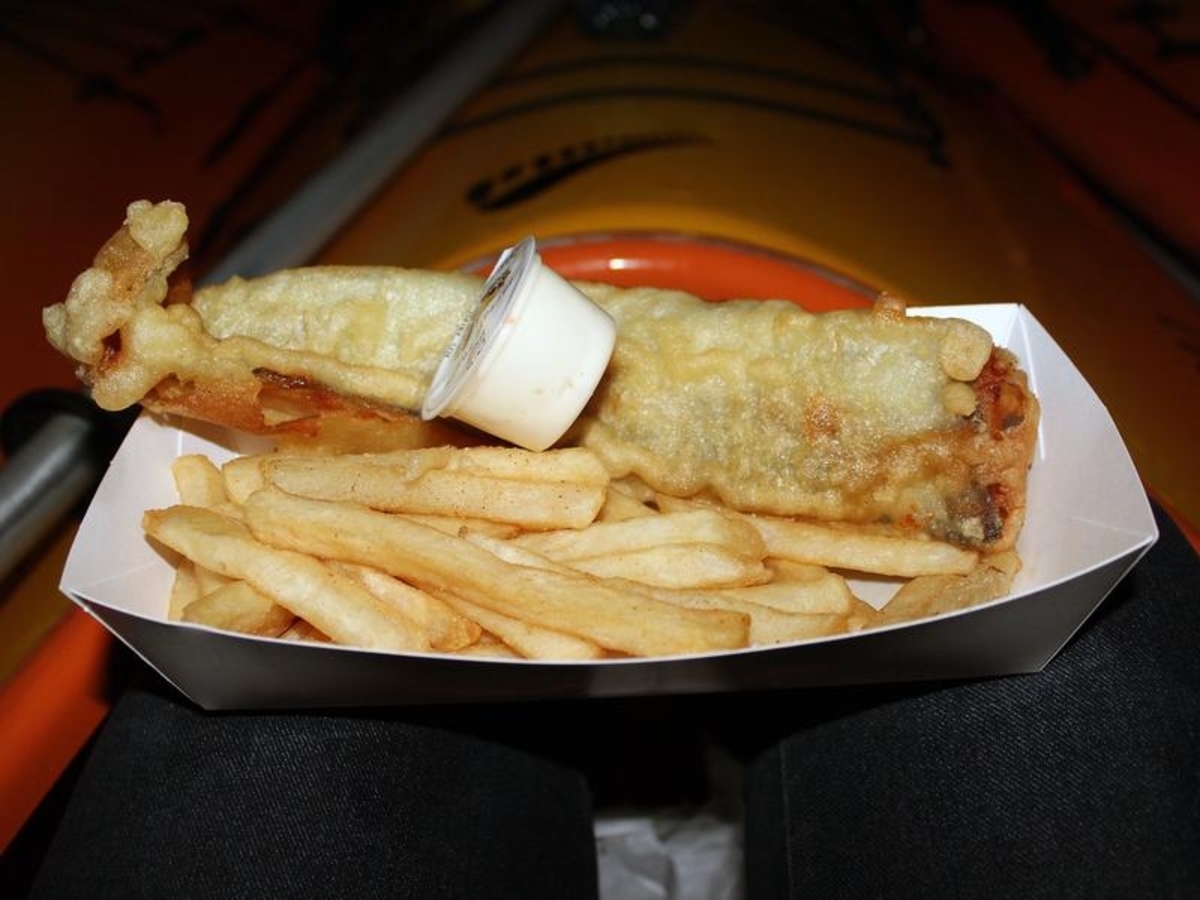
The Katter's Australian Party MP says pubs, clubs, fish and chip shops and restaurants don't have to tell their customers if seafood they serve is imported, even though up to 70 per cent of it comes from overseas.
Mr Katter's private member's bill would make Queensland the second Australian jurisdiction to make venues serving seafood list the country of origin on their menus.
He says at the moment diners don't know where their seafood really comes from and they incorrectly assume it's caught or produced in Australian waters.
"So they're used to seeing it in the supermarket and then when they see a barramundi sold (in a restaurant), naturally they think: 'Oh, barramundi, that's Australian fish, it must be from Australia'," Mr Katter told state parliament on Wednesday.
"And there's actually data supporting that misconception that comes at the point of the consumer."
The MP said food retailers and supermarkets have had country of origin labels on seafood since 1986, and that became mandatory under commonwealth laws in 2016.
However, businesses preparing seafood for public consumption like pubs, clubs, fish and chip shops, restaurants and cafes have long been exempt from the code.
The Northern Territory is the exception after passing laws to force venues to identify imported seafood they serve in 2008.
"We'd like to be like them in this respect, and that we would have labelling like the Territory and support our seafood industries whether it be wild catch or in aquaculture farms," Mr Katter said.
He said the laws could also help boost the domestic seafood sector, particularly aquaculture farms.
Mr Katter said evidence from industry, consumer surveys and Senate inquiries showed Australians had a strong preference for eating local produce.
Nearly all beef, chicken, pork and lamb served in Australian restaurants is produced in Australia, he says, but seafood is the anomaly.
The Food (Labelling of Seafood) Amendment Bill 2021 will be considered by the state development and regional industries committee.