FBI Director Kash Patel reportedly prioritized planning social media posts for himself, former Deputy Dan Bongino and the Salt Lake City field office in the moments after Charlie Kirk was assassinated, as senior executives and field offices were trying to brief officials on the situation.
Recounting the moments after Kirk, a right-wing political activist, was killed in Utah, a senior FBI executive told the New York Times that a “super emotional” Patel got on a conference call and “berated” the special agent in charge of the field office before planning social media posts.
The unnamed senior FBI executive called the exchange “surreal,” noting that Patel’s knee-jerk reaction broke from traditional critical incident conference calls, in which those with situation awareness brief field offices and executives on the incident.
“[Patel] and Bongino start talking about their Twitter strategy,” the senior FBI executive told NYT. “And Kash is like: I’m gonna tweet this. Salt Lake, you tweet that. Dan, you come in with this. Then I’ll come back with this. They’re literally scripting out their social media, not talking about how we’re going to respond or resources or the situation. He’s screaming that he wants to put stuff out, but it’s not even vetted yet. It’s not even accurate.”
Memorably, Patel prematurely announced on X that the FBI had captured the suspect accused of fatally shooting Kirk on the college campus – however, that suspect was later released.
The call was one of several moments highlighted by current and FBI agents to demonstrate what life has been like at the FBI since Donald Trump returned to the White House and Patel was confirmed to lead the agency. The detailed firings because agents weren’t following the president’s agenda, a leadership system that was unfamiliar with traditional practices and a host of other issues over the last 12 months.
During the aftermath of the Kirk shooting, those its unclear if it was before or during the call with other FBI leaders, Patel prematurely announced on X that the FBI had captured the suspect accused of fatally shooting Kirk on the college campus – however, that suspect was later released.
Patel defended his social media post, at the time, saying he was “telling the world what the FBI was doing as we were doing.”
“The initial information that comes in is always wrong,” the senior FBI executive told the Times. “There’s too much coming in, and it takes time to vet. And it was obvious that Kash can’t understand that and doesn’t want to understand that.”
The senior executive indicated that Patel and Bongino’s social media planning, in the middle of the conference call, stunned other officials participating.
The Independent has asked the FBI for comment.
In a statement to Times, the FBI said, “This story is a regurgitation of fake narratives, conjecture and speculation from anonymous sources who are disconnected from reality. They can whine and peddle falsehoods all they want — but it won’t change the facts that the F.B.I. under this administration worked with partners at every level and delivered a historic 2025.”
Mass firings
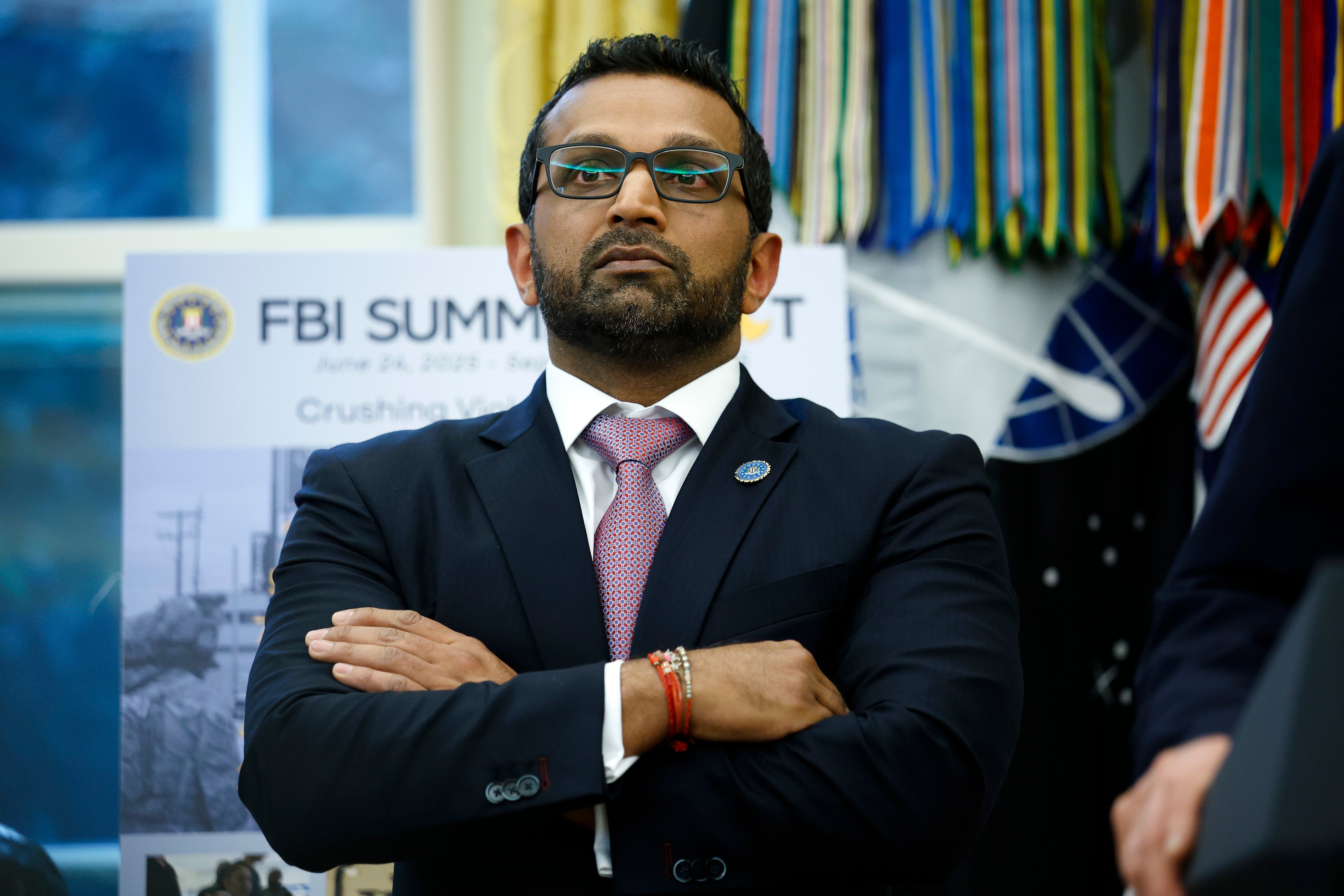
One of the most tangible changes Patel has made is the large number of firings that have taken place across multiple teams for staff who worked on cases investigating President Donald Trump or other matters believed to have a bias against Republicans.
Several former FBI officials recounted being fired on a whim without formal accusations of wrongdoing or mishandling for what they described as frivolous reasons. One trainee was fired for having a Pride flag displayed and other agents were fired for kneeling to protect their safety during the George Floyd protests.
Patel has zeroed in on firing personnel who worked on “Arctic Frost” – the Biden-era investigation into alleged election interference in 2020. With disclosures from Republican Senator Chuck Grassley’s office, the names of FBI agents who worked in the case have been publicly released and then subsequently fired.
“It’s concerning to me that senior officials are saying agents from the Department of Homeland Security need to wear masks to avoid being doxxed, while the names of FBI agents are being read aloud in Congress, which can lead to the same risks,” Sunberg said.
Grassley’s office defended its vast number of public disclosures to Times, claiming to have vetted them for months and followed proper laws on releasing them.
Polygraphing personnel
Among the other FBI resources being overutilized are polygraph tests to test employees’ loyalty, as media leaks happened, according to former officials who knew agents subjected to them over the last year.
Polygraph tests are generally inadmissible in court due to their lack of scientific reliability.
“They were polygraphing their own senior leadership team because they were so mad about media leaks. Each assistant director, as head of division, had to identify two people in our division to polygraph. Many of us volunteered ourselves and then asked one of our deputies so we wouldn’t have to put it on our people,” Tonya Ugoretz, former assistant director of the directorate of intelligence, told the Times.
But the constant threat of being fired or subjected to a polygraph fostered a fearful environment, multiple employees said.
Using SWAT to protect his girlfriend
The current and former FBI personnel also recounted how Patel’s use of FBI resources has been different from that of past FBI directors.
For example, the unnamed senior FBI executive accused Patel of converting SWAT team personnel based in Nashville to protect his girlfriend, 27-year-old country singer Alexis Wilkins.
“In Nashville, those poor b*****ds — their SWAT team has actually been converted to her protection. They’re not even doing their own SWAT arrests anymore. They’ve got to bring in other teams to do that, because they’re guarding her all the time,” the senior executive said.
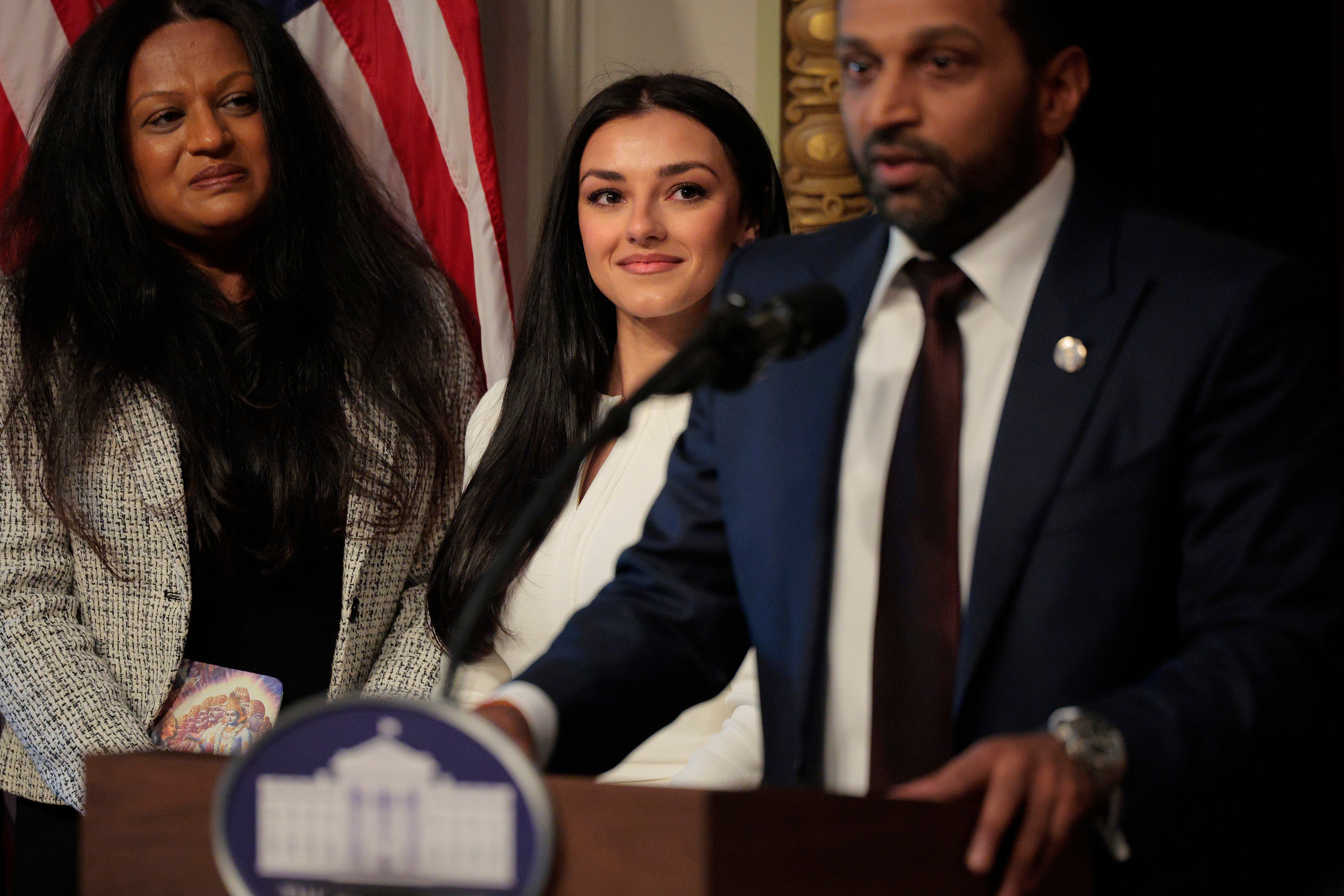
Patel has been accused of utilizing FBI resources to benefit himself and Wilkins, such as over-utilizing the FBI’s jet to travel to her gigs. As FBI director, Patel is required to use the aircraft outfitted with specific secure communications technology, even for personal use.
However, he is supposed to reimburse the government for the personal trips at the cost of a commercial ticket.
David Sundberg, the former assistant director of the FBI’s Washington field office, said he had not heard of an FBI director utilizing SWAT to protect a family member or partner when the director was not also present since the 1990s. He noted that was one of the reasons former FBI Director William Sessions was fired in 1993.
Focus on immigration
Since entering the prestigious role, Patel has shifted focus to supporting Trump’s mass deportation agenda despite the FBI not historically having an immigration-focused team.
Teams originally assigned to cybersecurity and domestic crime were asked to assist local and state law enforcement in conducting immigration operations to meet the administration’s self-imposed quota. That meant some agents, with decades of undercover surveillance experience, were suddenly asked to sit in a parking lot with ICE officers to make arrests.
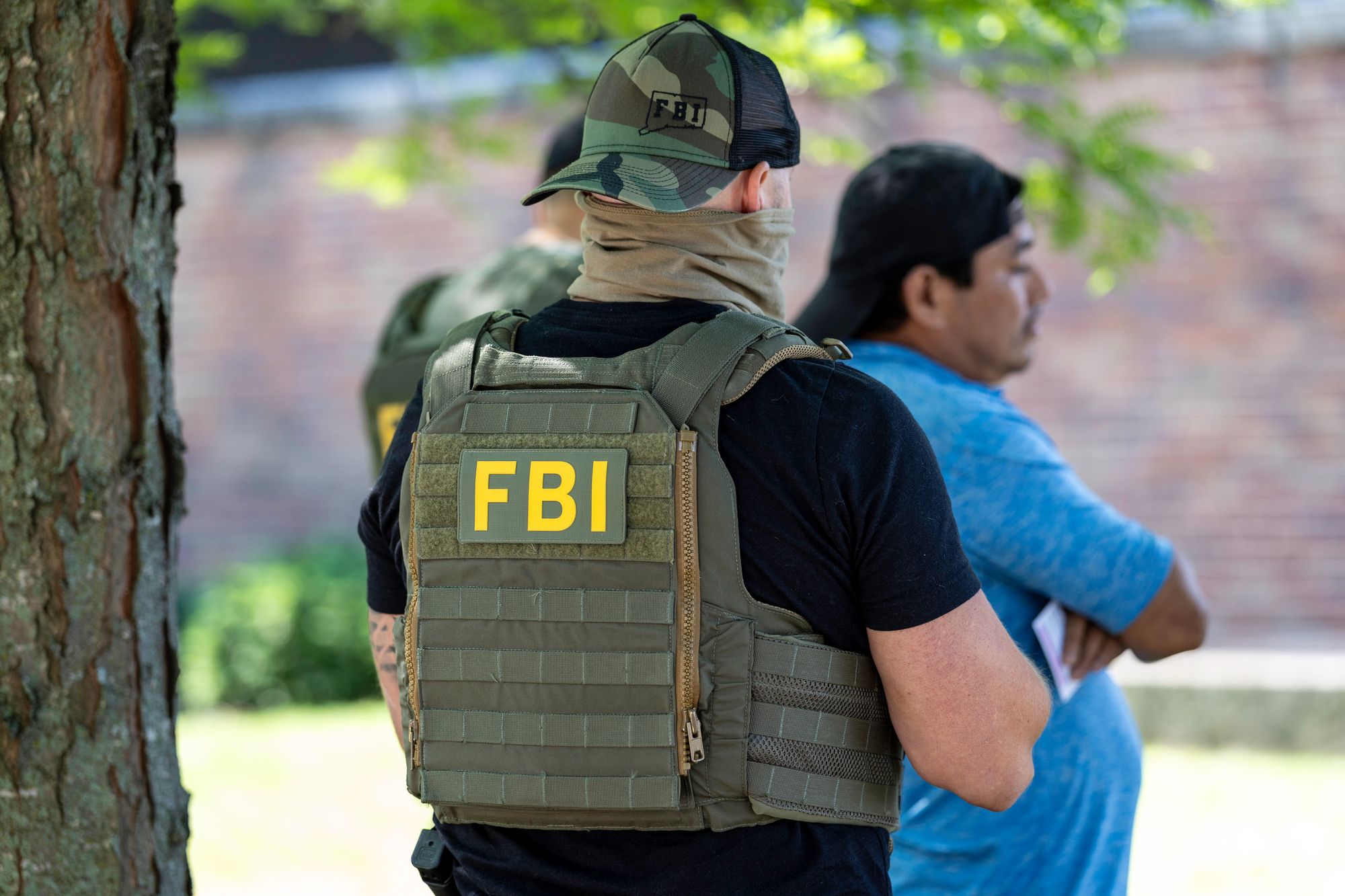
One FBI field officer leader told Times that they identify as a conservative and believe in securing borders, but the bureau’s execution of doing so was “asinine.”
“My counterparts at DHS were constantly getting yelled at, being threatened and fearing for their jobs,” the unnamed field officer said. “That’s not the way to work. They literally had quotas. Each region had to have a certain amount of arrests every single day. It was completely asinine.”
Several former agents raised concerns with the re-prioritization, worrying that abandoning investigations on domestic organized crime, foreign cybersecurity and other potential threats could leave the U.S. at risk of a major attack.
“I remember praying that we didn’t have a terrorist attack, mass shooting or cyberattack slip through the cracks because my agents, who were highly trained to protect against such threats, were assigned to immigration enforcement,” another field officer said.
Washington Post demands immediate return of reporter’s devices seized by FBI
A man pleads not guilty to setting fire to Mississippi synagogue
Erika Kirk seeking a speedy trial for assassin accused of killing her husband
School officials call on agents to release body cam from 5-year-old’s detention: Live
Jan 6 cop gets into heated argument with election denier during Jack Smith hearing
Only seven Democrats vote against bill to fund Homeland Security amid ICE crackdowns