A federal judge has ordered the Trump administration to cease deploying the California National Guard in Los Angeles, returning control to the state.
U.S. District Judge Charles Breyer in San Francisco granted a preliminary injunction, sought by California officials opposing President Donald Trump’s move to use state Guard troops for immigration enforcement without gubernatorial approval. The decision, however, is on hold until Monday.
California argued conditions in Los Angeles changed since Trump first deployed troops in June. Over 4,000 Guard troops were initially called up, but numbers dropped to about 100 by late October.
The Republican administration extended the deployment until February, also attempting to use California Guard members in Portland, Oregon, to send military into Democratic-run cities despite objections from mayors and governors.
.jpg)
Justice Department lawyers said Guard members were still needed in Los Angeles to protect federal personnel and property. The White House did not immediately comment on the ruling.
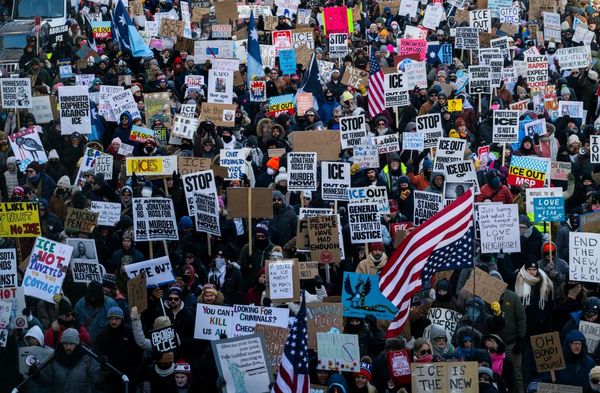
Trump took command of the California National Guard after protests over his intensified immigration law enforcement. This call-up, the first in decades without gubernatorial request, marked a significant escalation in the administration’s mass deportation policy.
Troops were stationed outside a federal detention centre in downtown Los Angeles, where protesters gathered, later protecting immigration officers during arrests.
California sued, and Breyer issued a temporary restraining order for the Guard's return. An appeals court panel, however, put that decision on hold.
California argued the president used Guard members as his personal police force, violating laws limiting military use in domestic affairs. The administration said courts could not second-guess the president’s decision, citing protest violence and potential rebellion as reasons for needing the Guard to execute U.S. laws.
In September, Breyer ruled the deployment violated the law. Other judges have also blocked Guard deployments to Portland and Chicago.