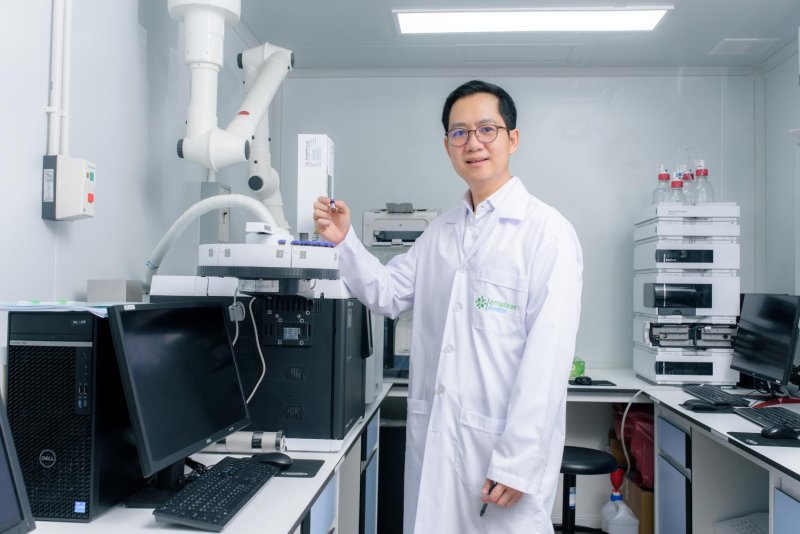
JSP Pharmaceutical Manufacturing (Thailand) Plc is responding to growing demand for wellness products by expanding into international markets, strengthening its own brand and adding fast-moving consumer goods (FMCG) to its portfolio.
Thailand's dietary supplement market was estimated at US$2.78 billion in 2025 and is projected to reach $5.76 billion in 2033, growing at a compound annual growth rate of 9.6% from 2026-2033, according to Grandview Research.
Pissanu Daengprasert, chief executive of JSP, said the company will focus on producing and distributing products under its Suphap Osod brand, including supplements, to enhance the brand's credibility and support the launch of a new brand later this year.
The company also wants to expand internationally, with a focus on China, Southeast Asia, Taiwan and the Middle East.
Mr Pissanu said China is the most promising market, and the company plans to export its branded products and functional FMCG products there.
JSP intends to launch its functional FMCG products by the end of this year, targeting younger consumers in domestic and global markets.
"We believe this product category will enable the company to penetrate overseas markets faster," he said.
All FMCG items intended for export must first be distributed through convenience stores in Thailand, Mr Pissanu noted.
"When the products become recognised and popular among tourists, they have export potential," he said.
This category is expected to help the company expand its customer base among younger generations, as the majority of its customers are elderly.
JSP wants to increase the share of overseas sales to 25% of the total, up from less than 10% at present.
In 2025, the company generated roughly 800 million baht in sales, comprising 400 million from its own brands and the remainder from original equipment manufacturer products.
JSP earned another 200 million baht from its healthcare-related sub- sidiaries.
Mr Pissanu said the company is targeting sales growth of 10% this year.
The company allocated 90 million baht for marketing this year, focusing on branding, though this amount excludes income-sharing activities on TV.
He said the Middle East conflict has driven up the company's costs, particularly for plastic packaging and logistics.
JSP has hiked product prices by about 9% since May 1, though it has not affected sales among regular customers, said Mr Pissanu.
The company plans to float the shares of some of its subsidiaries on the Stock Exchange of Thailand in the future, but he did not provide a timeline.