J.K. Rowling has stunned many people online in her latest take on transgender surgery where she said that adults with severe gender dysphoria may find peace through hormones and surgery.
Her X post from August 19 caught attention because Rowling has spent years publicly opposing parts of the modern trans rights movement and arguing that biological s*x cannot simply be changed.
She also made a similar point in her long 2020 essay about s*x and gender.
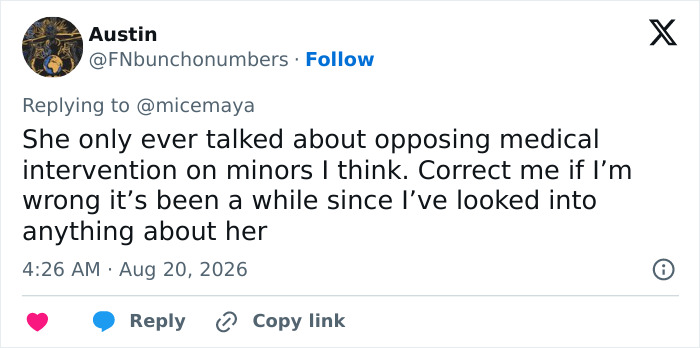
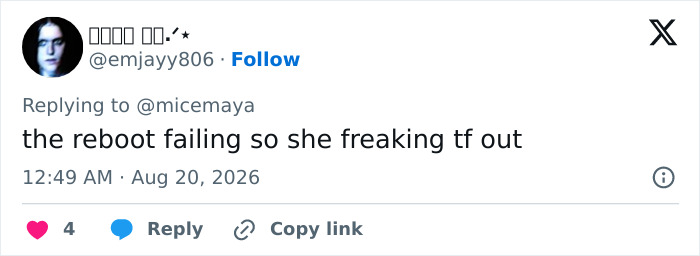
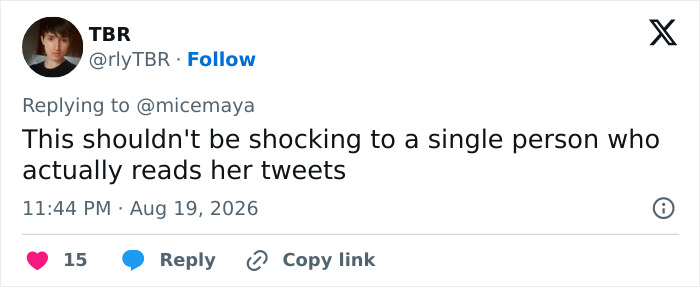
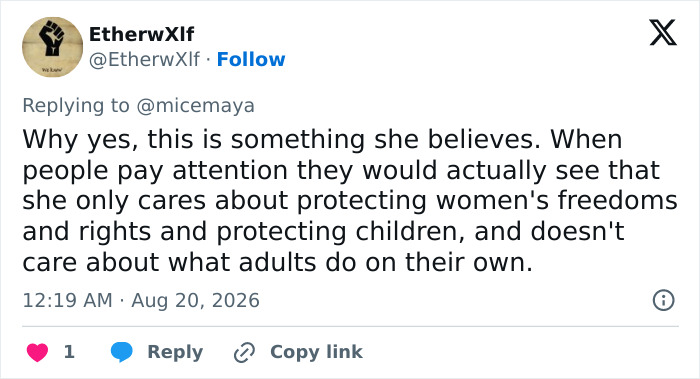
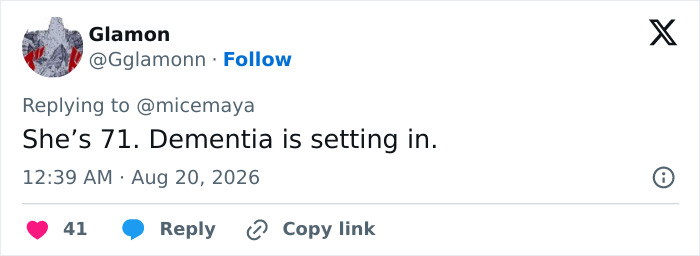
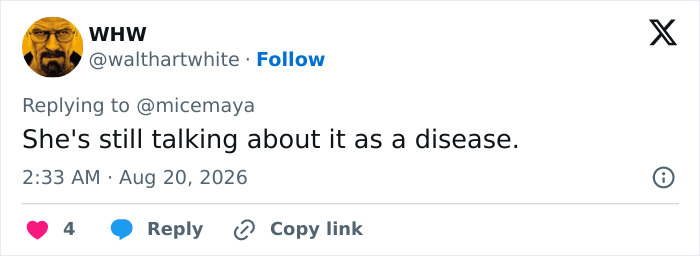
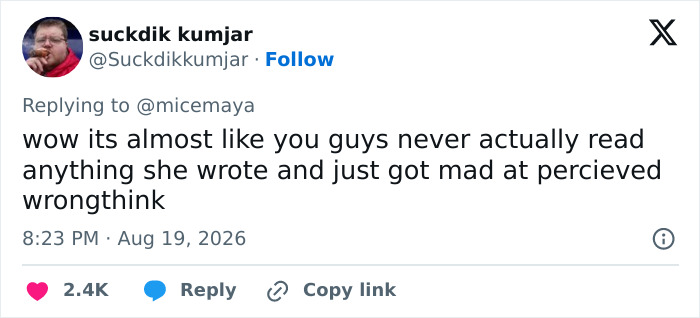
“Wow it’s almost like you guys never actually read anything she wrote and just got mad at perceived wrongthink,” wrote one commenter.
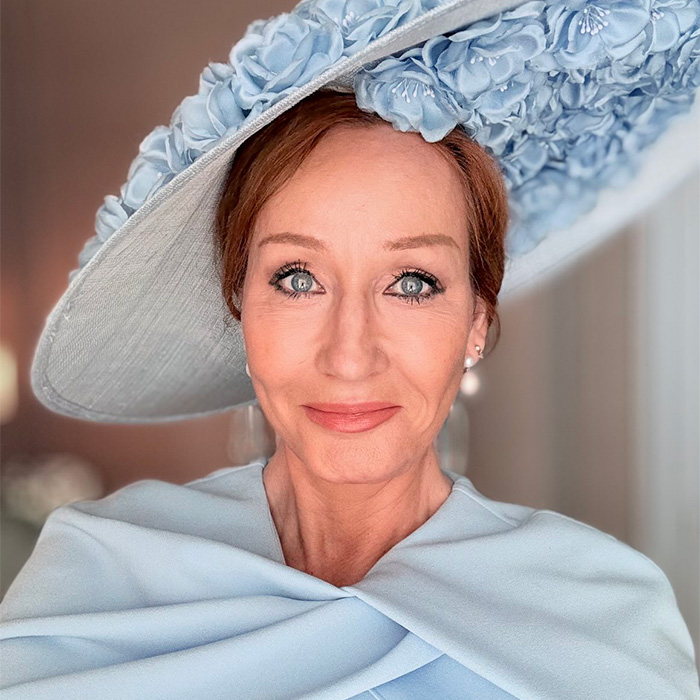
J.K. Rowling’s latest comment on adults with gender dysphoria left netizens confused and stunned
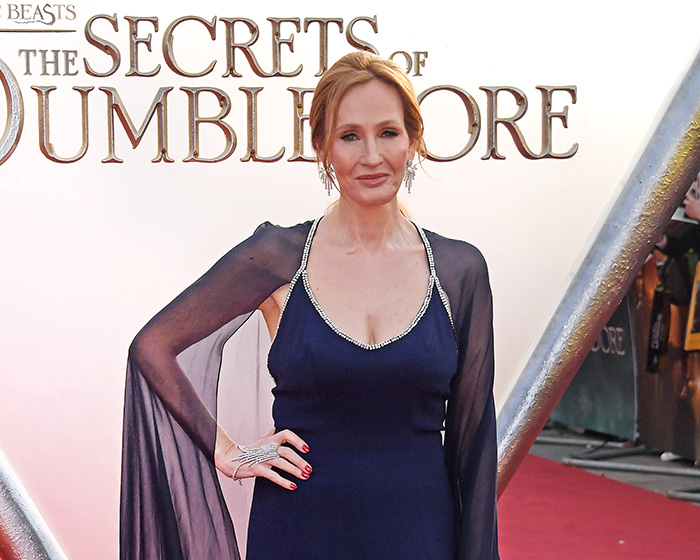
David M. Benett/Dave Benett/WireImage
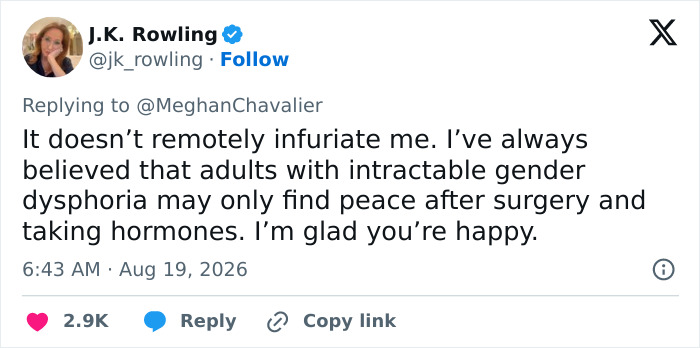
During the latest discussion on X, Rowling wrote, “It doesn’t remotely infuriate me. I’ve always believed that adults with intractable gender dysphoria may only find peace after surgery and taking hormones. I’m glad you’re happy.”
Gender dysphoria refers to the distress someone can feel when their internal sense of gender does not match their s*x. But not every transgender person experiences gender dysphoria.
The comment was significant because Rowling has often been described by critics as completely opposed to medical transition. Her own 2020 essay, however, shows a more complicated position.
In the essay, published on her website on June 10, 2020, Rowling wrote, “I know transition will be a solution for some gender dysphoric people.”
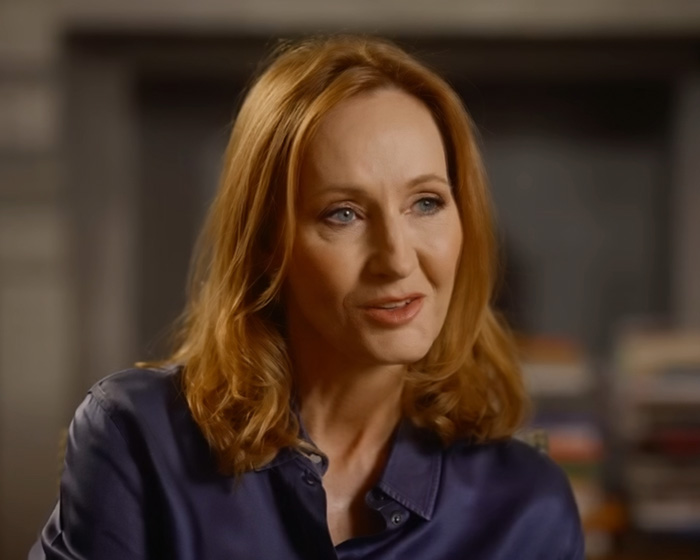
She also described knowing a transgender woman who had transitioned later in life. Rowling said she had “always found it hard to think of her as anything other than a woman” and said she believed the woman was happy after transitioning.
Rowling did not, however, view that experience as an argument for removing medical assessment from the process.
She wrote that the woman had gone through “a long and rigorous process of evaluation, psychotherapy and staged transformation.”
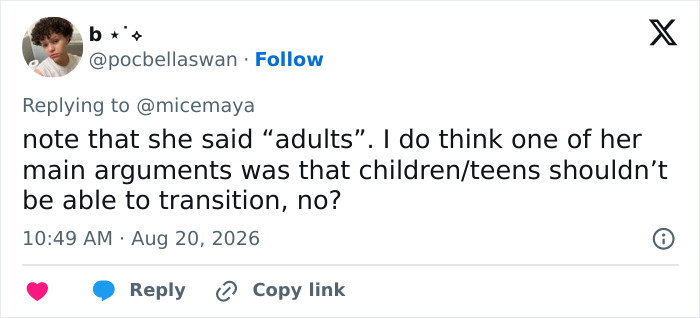
Her argument was that adults with gender dysphoria could benefit from transition, while she remained concerned about how quickly young people might be encouraged toward medical transition.
The Guardian’s June 11, 2020 analysis of Rowling’s essay also noted that she had acknowledged transition could be a solution for some people with gender dysphoria.
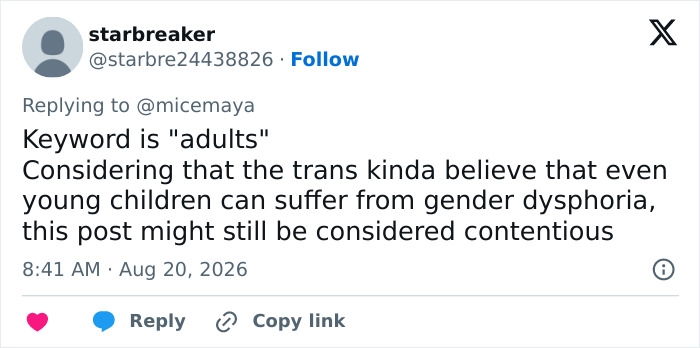
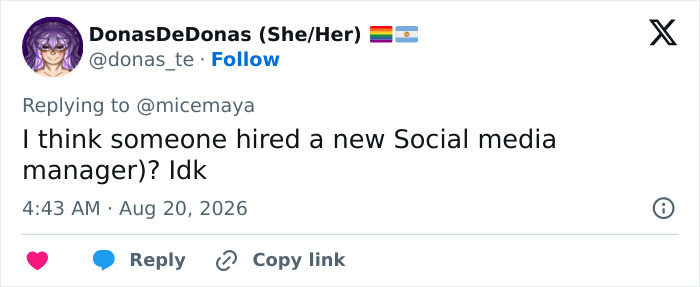
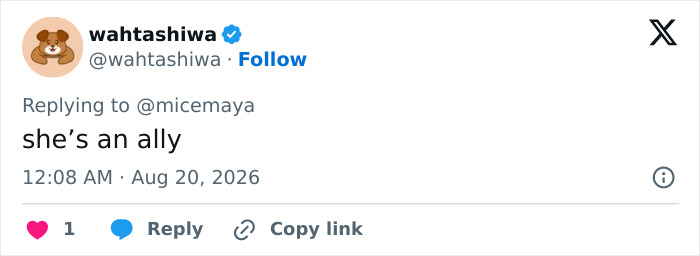
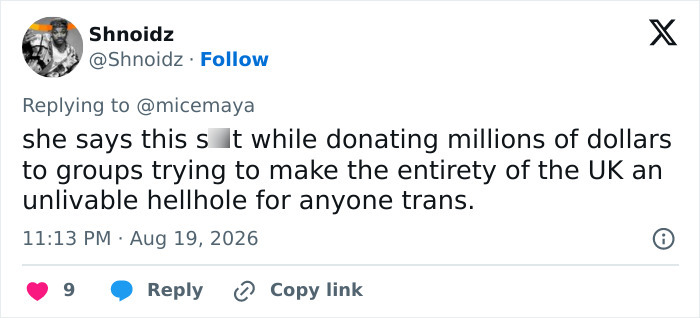
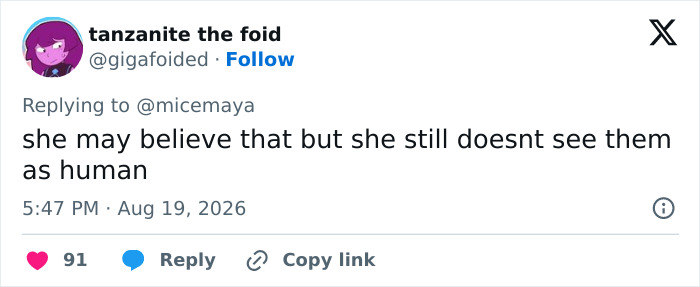
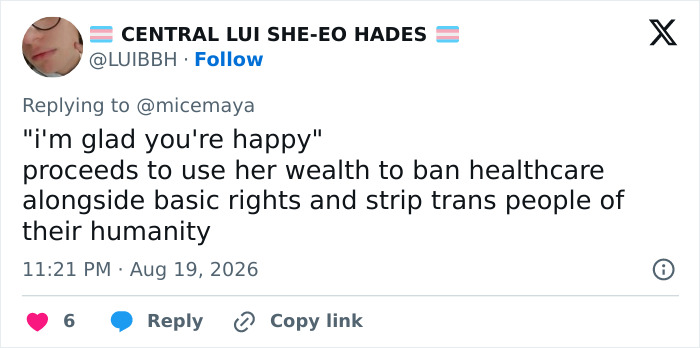
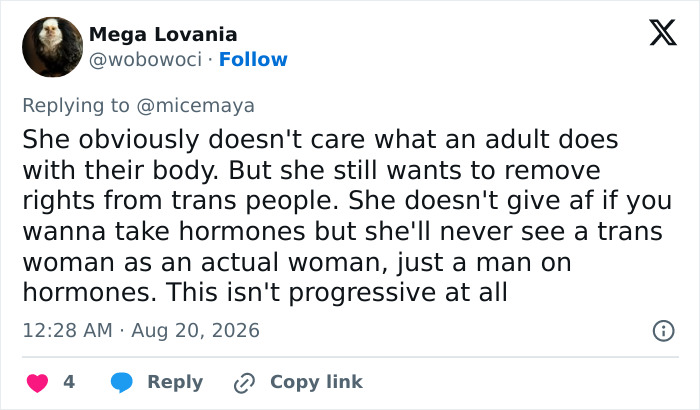
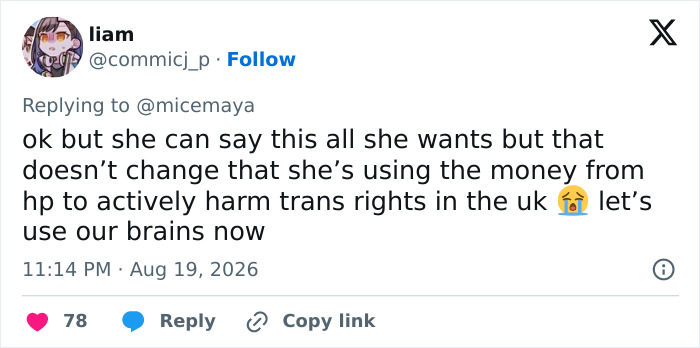
Her latest statement quickly produced two very different reactions from netizens online
Every word. pic.twitter.com/CZybR38xVm
— J.K. Rowling (@jk_rowling) August 18, 2026
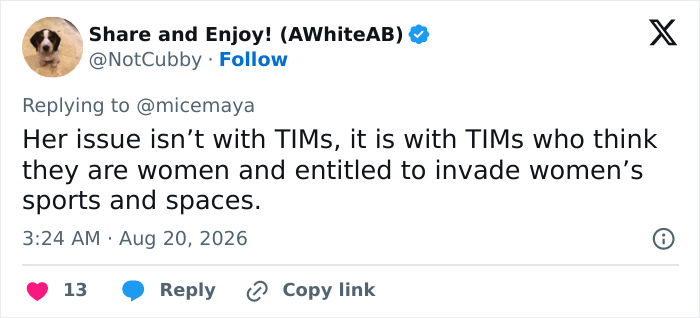
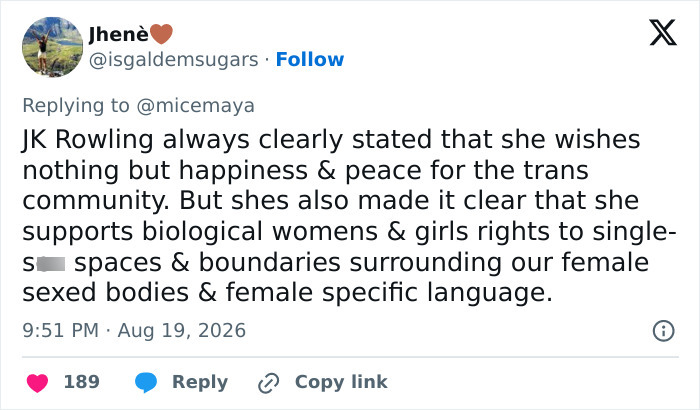
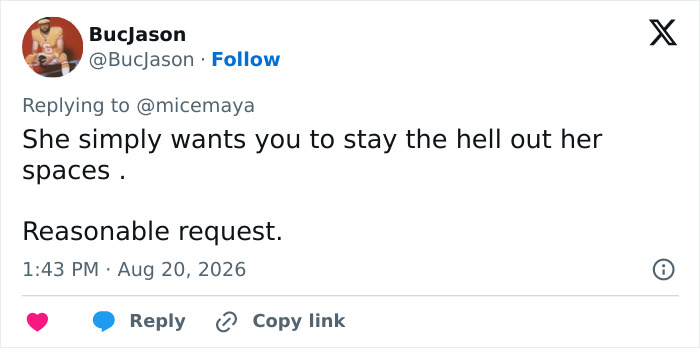
Some people argued that Rowling’s words were being misunderstood because she has never claimed that every transgender person should reject transition.
One person wrote, “If you’re wondering why you don’t see this side of Rowling more often, did you ever try talking to her? Anything before assuming this is girl Hitler with a best selling book, but fictional this time?”
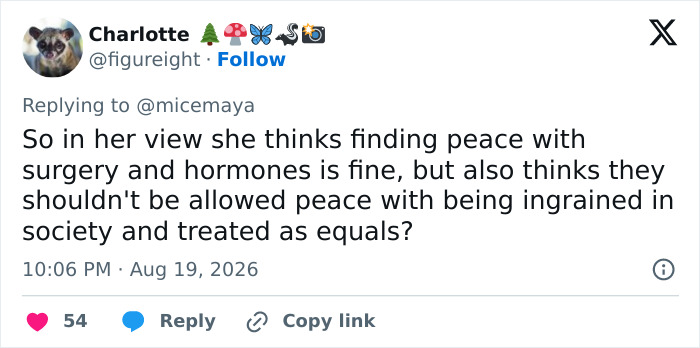
Another added, “Then why are you fighting against it so hard?”
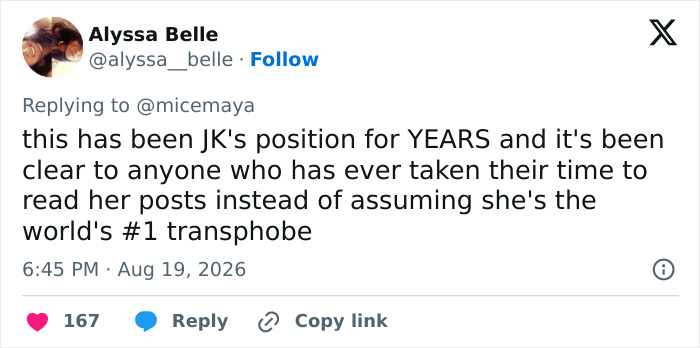
A third said, “Why are you suddenly saying this after years of making fun of trans people? good for you for finally understanding it but address your earlier comments maybe??”
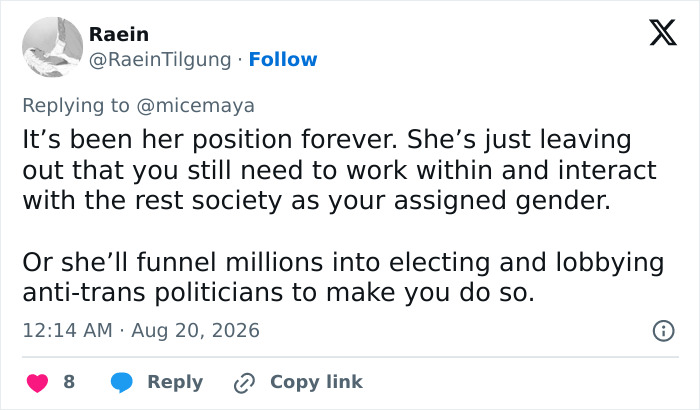
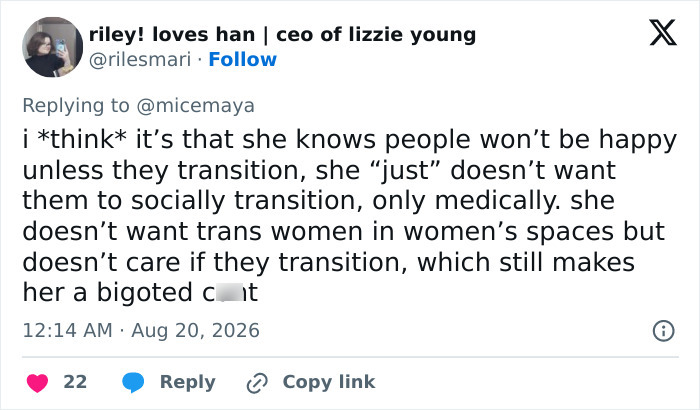
Another argued that Rowling’s position still had not changed.
“This doesn’t change her stance on trans women not being women. She can be glad that they are getting the help they need to improve their quality of life but that doesn’t mean she accepts that they are now the gender that they are presenting as. There is no change of heart.”
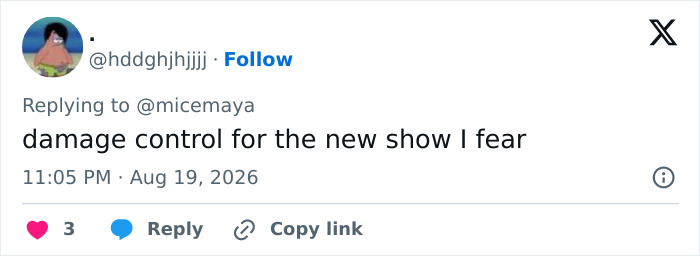
One more added, “This contradicts your entire ideology for the past 10 years so please clarify.”
Rowling’s views on gender identity began getting attention years before her 2020 essay
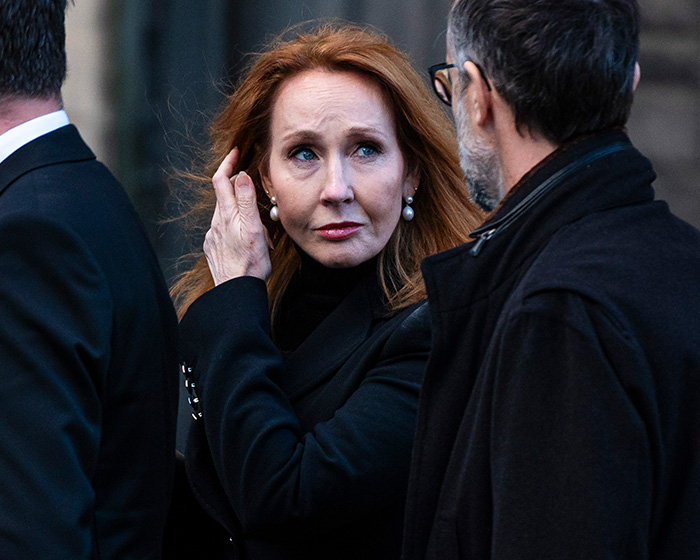
Her views first drew attention in 2017 when she liked an X post criticizing proposed changes to the UK’s Gender Recognition Act.
In 2018, she also liked a tweet describing trans women as “men in dresses.” Her spokesperson clarified she had favorited that tweet by mistake.
“I’m afraid JK Rowling had a clumsy and middle-aged moment,” Rowling’s spokesperson told Pink News in 2018.
Rowling’s position became much more public in December 2019, when she supported Maya Forstater, a British tax expert and gender-critical activist, after the latter faced controversy over her gender-critical views.
In her 2020 essay, Rowling explained that her interest in the subject had started almost two years earlier. She said she had read material from trans people, gender specialists, psychologists, doctors, social workers and others while following the debate.
She also described the backlash that followed her support for Forstater, writing, “I must have been on my fourth or fifth cancellation by then.”
Rowling said she expected threats, ab*se, and accusations of hatred.
But she said the response was not entirely negative.
She received letters and emails from people who supported her concerns about young people, safeguarding, women’s rights and gender dysphoria.
One of the biggest parts of Rowling’s argument has concerned young people.
In her 2020 essay, she wrote, “I’m concerned about the huge explosion in young women wishing to transition and also about the increasing numbers who seem to be detransitioning”
She also claimed that the UK had experienced a 4,400% increase in girls being referred for transitioning treatment, while raising concerns about the number of autistic girls among those seeking treatment.
Rowling discussed research and arguments around whether social influences could play a role in some young people’s gender identification. She cited American physician and researcher Lisa Littman, whose work became controversial after she examined what she called Rapid Onset Gender Dysphoria.
Rowling also referred to psychiatrist Marcus Evans, who had worked at the Tavistock gender clinic.
In the material she quoted, Evans disputed claims that children would necessarily d*e by suici*e if they were not allowed to transition, saying such claims did not “align substantially with any robust data or studies in this area.”
Besides trans people, one of the most personal parts of Rowling’s 2020 essay involved her own mental health and experiences with violence
Rowling revealed that she had struggled with severe OCD as a teenager. She also wrote about feeling uncomfortable with traditional expectations of womanhood and described herself as having felt “mentally sexless” when she was young.
Rowling said books and music helped her through her mental health struggles and the se*ual scrutiny she experienced as a young woman.
She later connected her views about women’s safety to her experience of domestic a*use and s*xual a*sault.
In the essay, Rowling revealed that she had survived a violent first marriage and a serious s*xual as*ault.
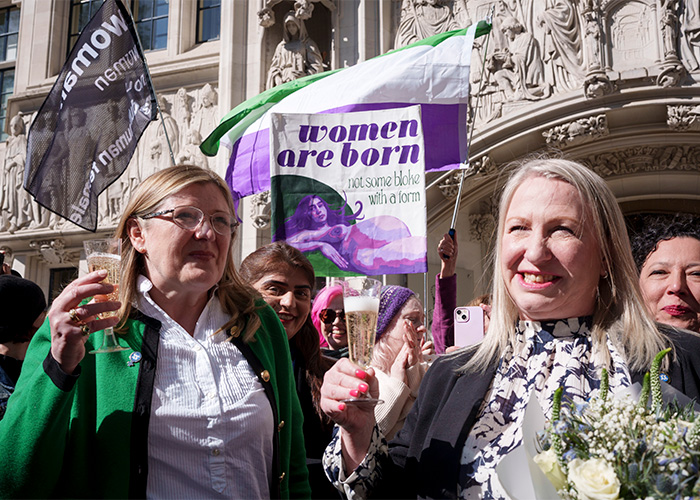
Richard Baker / In Pictures via Getty Images
She explained, “I’ve been in the public eye now for over twenty years and have never talked publicly about being a domestic ab*se and s*xual a*sault survivor.”
She said these experiences shaped the way she thought about single-s*x spaces and violence against women.
At the same time, Rowling was explicit that she did not believe transgender people were inherently dangerous.
She wrote, “I believe the majority of trans-identified people not only pose zero threat to others, but are vulnerable.”
Rowling continued, “Trans people need and deserve protection.”
Rowling also expressed particular sympathy for trans women who had experienced violence.
“I feel nothing but empathy and solidarity with trans women who’ve been ab*sed by men.”
Rowling’s disagreement goes back to June 2020, when she criticized the phrase “people who menstruate” in a widely discussed post on X
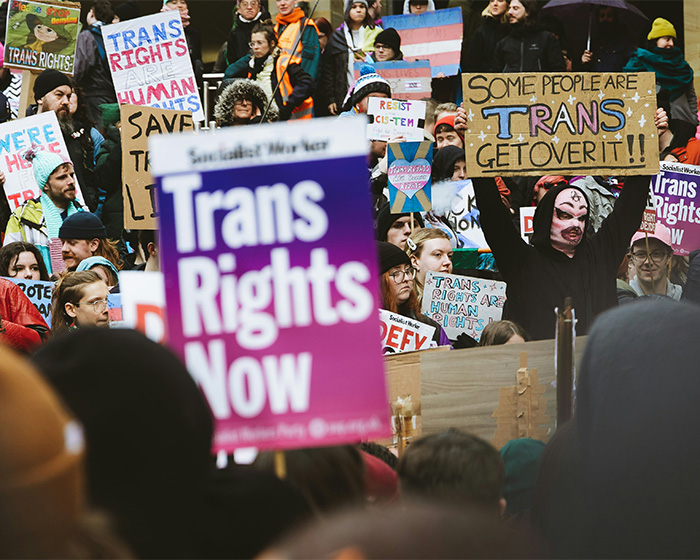
Thiago Rocha/Unsplash (not the actual photo)
Rowling wrote, “I know and love trans people, but erasing the concept of s*x removes the ability of many to meaningfully discuss their lives.”
She also said, “I respect every trans person’s right to live any way that feels authentic and comfortable to them.”
But she maintained that her own experiences as a woman could not simply be separated from biological s*x.
Her 2020 essay later stated, “‘Woman’ is not a costume. ‘Woman’ is not an idea in a man’s head.”
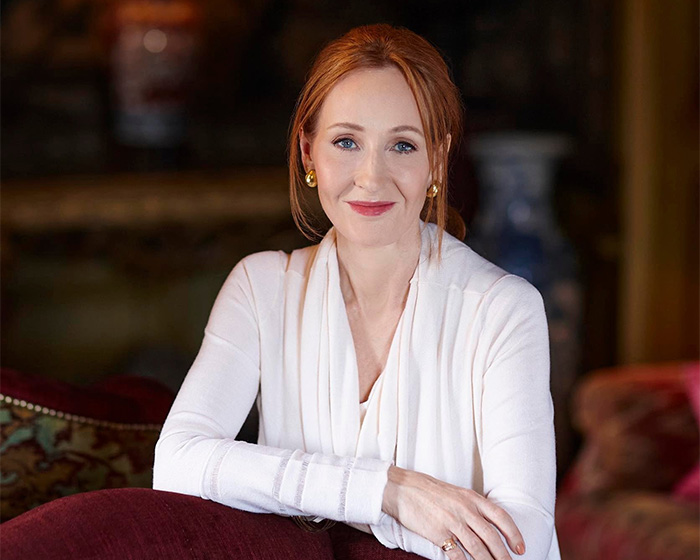
Rowling’s opposition to self-identification became another major part of her position. She objected to proposals that would make it easier for people to legally change their gender without medical requirements.
She argued that removing what she saw as safeguards could affect women-only spaces such as bathrooms, changing rooms, prisons, and shelters.
Her argument was controversial from the beginning. The Guardian noted in June 2020 that supporters of transgender law reform disagreed with her interpretation and pointed to existing safeguards and trans-inclusive services.
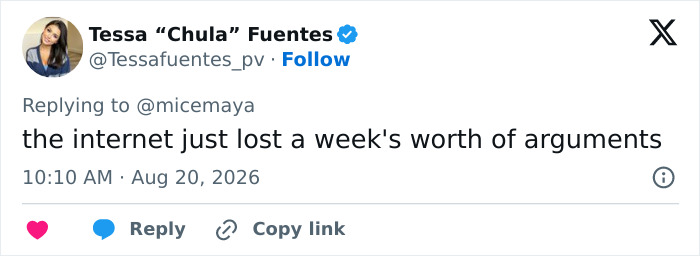
“The internet just lost a week’s worth of arguments,” wrote one netizen