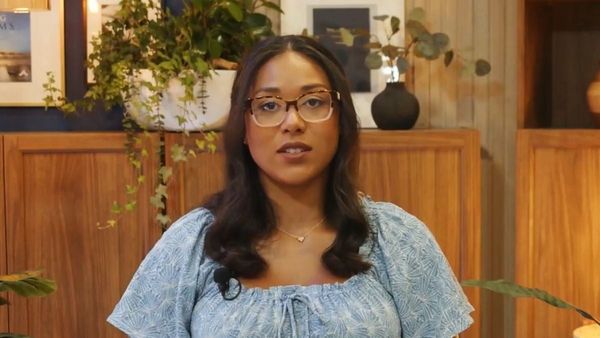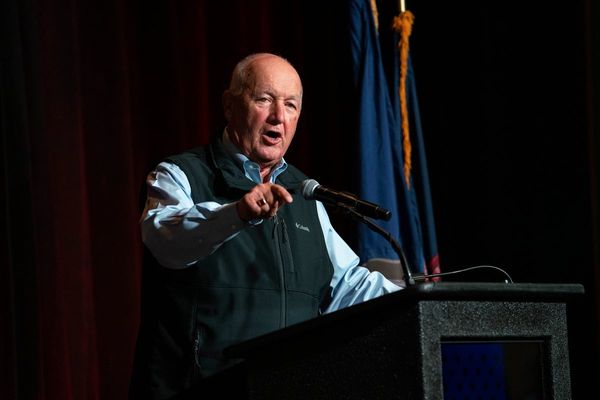

A once-beloved 1980s songstress is among Jewish musicians to share their views on Zionism, which they say made them the targets of vicious vilification and boycotting.
The Royal Commission on Anti-Semitism and Social Cohesion heard from Deborah Conway and Joshua Moshe, who were members of a Whatsapp group for Jewish creatives and academics, the contents of which was leaked by the media and some of the members' personal information made public.
Ms Conway, who became a household name in the 1980s as a singer-songwriter, says she faced backlash for publicly declaring herself as a Zionist even before the group was leaked.

She described Zionism as central to being Jewish, explaining it as a belief Jews have a right to exist in Israel as their ancestral homeland.
Ms Conway stressed Zionism did not imply a support for the Israeli government, but despite this says she has faced vicious abuse online and been directly protested at events she attended.
"I want there to be peace. I want a two-state solution," Ms Conway said.
Mr Moshe also described the backlash he faced, for being a Zionist after the Whatsapp group leaked, as being completely unrelated to the reality of his associations with Israel.
As well as being publicly denounced and dumped by his former band, Mr Moshe and his wife faced a torrent of online abuse and the targeting and boycotting of the business they ran together, which was ultimately forced to move locations.
"One version of Zionism, or the one I subscribe to ... is that Jews deserve a home in some part of their ancestral homeland," Mr Moshe said.
Mr Moshe said he was all but abandoned by others in the music industry, including losing performance opportunities, and having other musicians decline to collaborate on projects.
The commission opened on Monday by digging into different types and definitions of anti-Semitism.
Executive Council of Australian Jewry research director Julie Nathan compiles a record of apparent anti-Semitic incidents against international standards.
She says while anti-Israel material is not in itself anti-Semitic, material that draws analogies with Nazis or uses Jewish stereotypes could be classified by her as such.
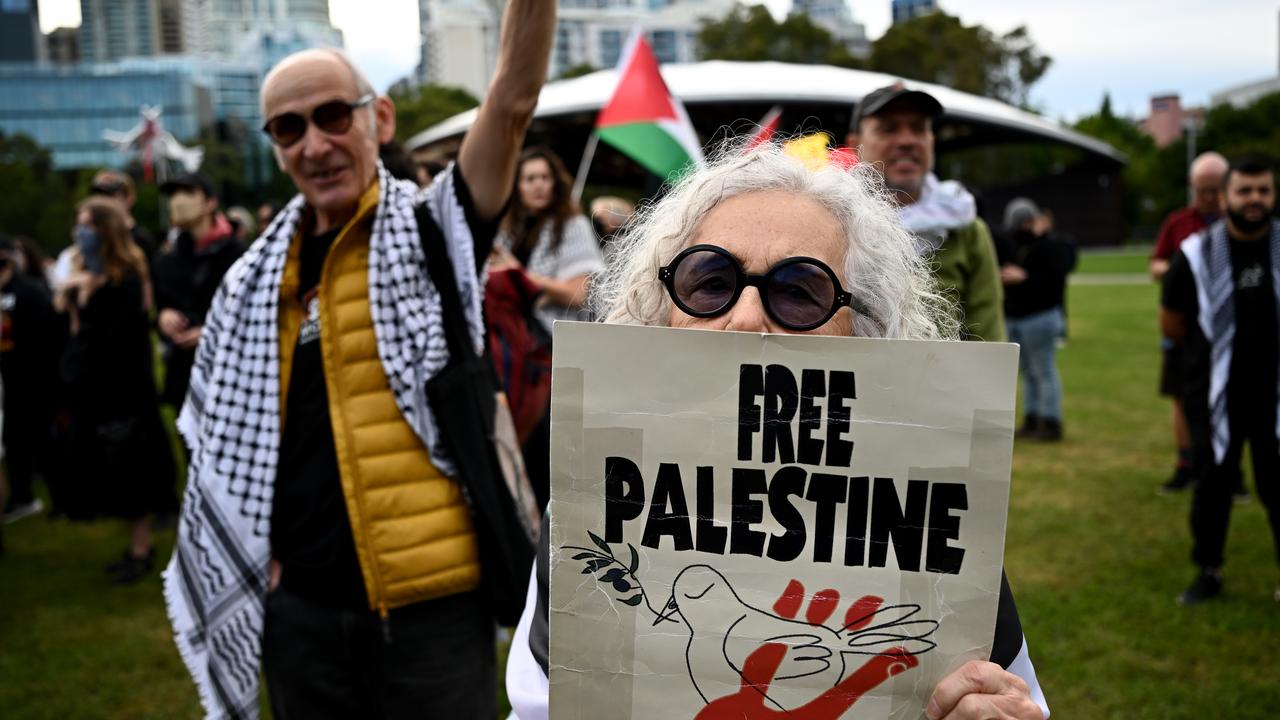
Pro-Palestine protests were also not in themselves anti-Semitic but sometimes elements within them were, including parts of some speeches, chants and placards, she said.
Only some online incidents are recorded by the council in its report due to the scale and number of incidents, however some more serious or inciting online posts are included.
"It's uncountable. It's like trying to count the stars," Ms Nathan said.