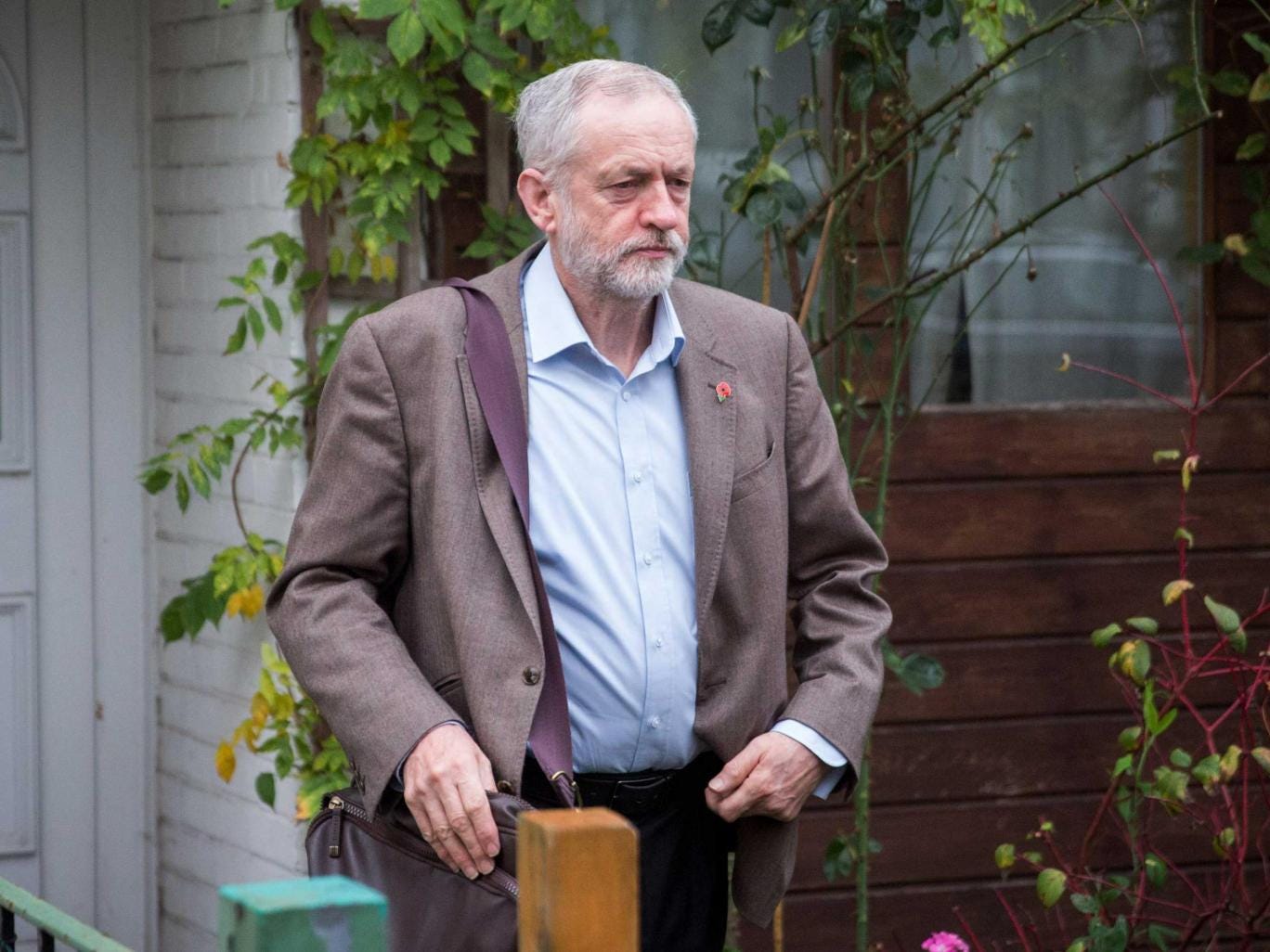
Jeremy Corybn has received some unexpected praise for his stance against a 'shoot-to-kill' policy, and it comes from an unlikely quarter.
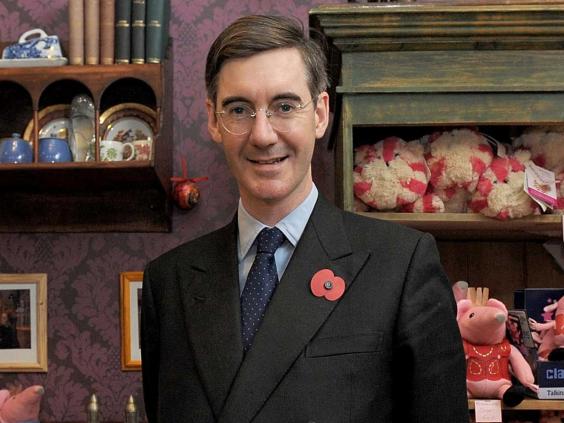
Conservative politician Jacob Rees-Mogg said that while he did not agree with Mr Corbyn, he admired the Labour leader, a committed pacisift, for standing by his principles.
Mr Corbyn was heavily criticised in the wake of the Paris attacks for saying he was "not happy" with the idea of a shoot-to-kill policy aimed at terrorists attacking the UK.
Members of Mr Corbyn's own party have led the criticism against their leader, so Mr Rees-Mogg's comments, made during an appearance on the BBC's 'Have I Got News For You', are the more surprising for coming from a political opponent.
"He [Mr Corbyn] is a principled pacifist and he's expressed those views - and said that the police shouldn't necessarily shoot to kill terrorists - and he seems to have very little support from his own MPs in saying this, who have rather revelled in taking a stronger line," the MP for North East Somerset said.
"I don't agree with him on this [subject], but I rather admire his courage in saying something that is so deeply unpopular, but which he profoundly believes."
Host Victoria Coren Mitchell said the comments were "a very generous thing to say".
But Ian Hislop, the Private Eye editor and a fixture of the satirical panel show, pointed out that Mr Corbyn had actually reversed his position just 24 hours later.
Mr Hislop was referring to the Labour leader's comments to the National Executive Committee on 17 November.
At that meeting Mr Corbyn said of his position: "But of course I support the use of whatever proportionate and strictly necessary force is required to save life in response to attacks of the kind we saw in Paris."
Mr Corbyn's pacifist stance is well known. As well as questioning a shoot-to-kill policy, he also questioned the legal basis for the killing of Mohammed Emwazi, the Isis fighter seen in the group's videos apparently executing captives.
Emwazi was killed in a drone strike in Syria a day before the Paris attacks.