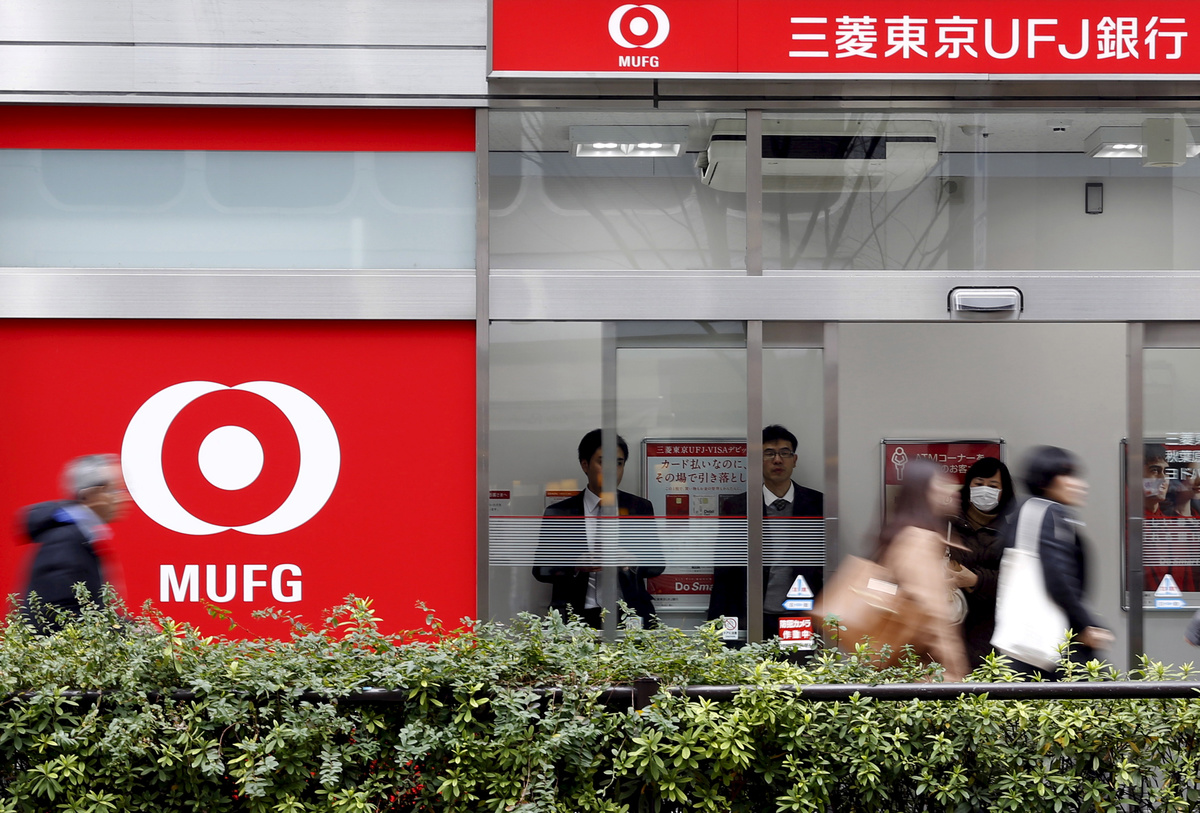
Mitsubishi UFJ Financial Group (MUFG) <8306.T> sold off its $85 million loan to Glencore's Wiggins Island Coal Export Terminal (WICET) in Australia to a hedge fund on Wednesday at about 52 cents on the dollar, two sources said.
The costly decision at a time of extreme market volatility extinguishes MUFG's exposure to the coal-related asset ahead of the bank's financial year-end on March 31, the two sources and a third person told Reuters.
A spokesman for Mitsubishi UFJ declined to comment. The three sources declined to comment publicly because they were not allowed to speak to the media.
"March 31 is approaching and Japanese banks tend to offload positions before that, but that's a huge discount for something that is a performing asset," one of the sources, who is also a WICET lender, said. "It was a great buy."
WICET, the world's most expensive coal terminal, is owned by Glencore Plc <GLEN.L> and four partners, including New Hope Corp <NHC.AX> , China's Yancoal, Coronado Global Resources <CRN.AX>, and Baosteel <600019.SS> arm Aquila Resources.
The coal terminal is funded entirely by debt backed by port fees. It owes $2.6 billion in senior debt due September 2026, A$383 million ($227.96 million) in junior debt and a A$575 million shareholder loan maturing in 2020 and 2046 respectively.
The lending syndicate of the Queensland-based terminal comprises around 23 lenders including Australia's four largest banks, Asian and European banks, and a couple of hedge funds.
Asset values globally have fallen to record lows in recent days as the coronavirus epidemic that has infected tens of thousands of people triggers social restrictions unseen since World War Two and sends economies spinning toward recession.
(Reporting by Paulina Duran in Sydney; Editing by Jan Harvey and Tom Brown)







.jpg?w=600)