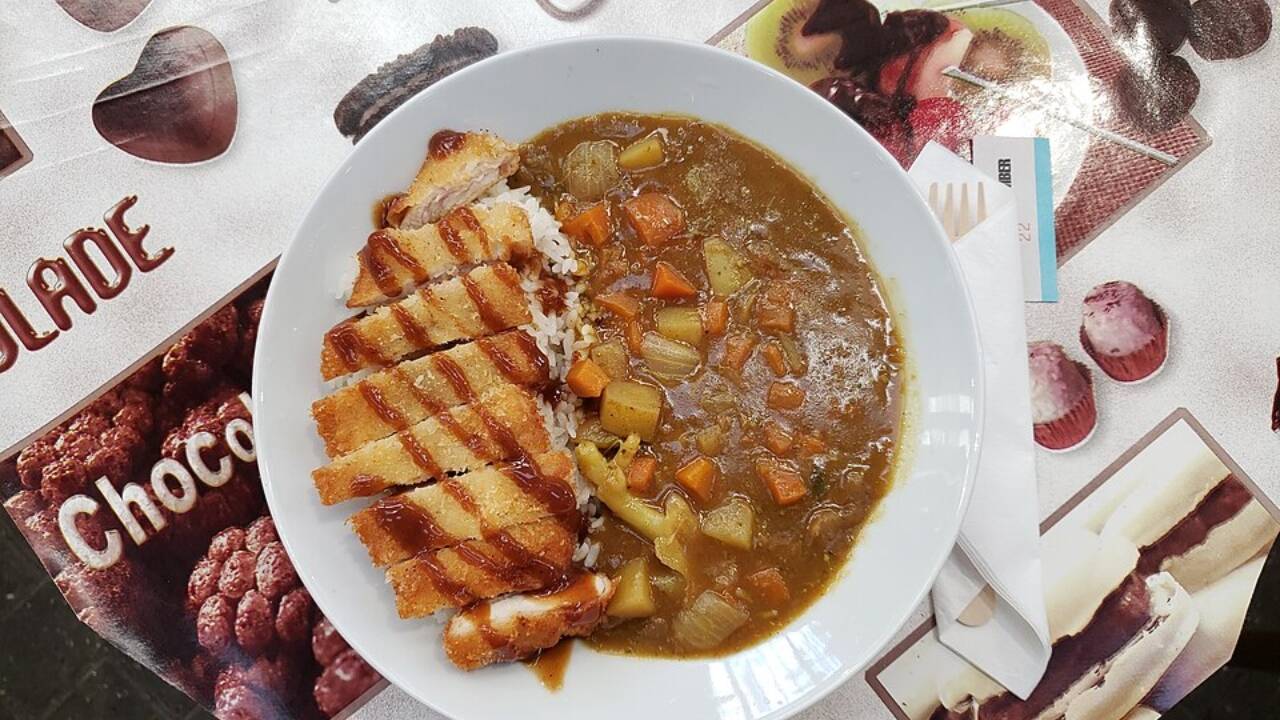
Curry is often regarded as one of Japan’s most popular comfort dishes, appearing everywhere from school cafeterias to convenience stores to family dinner tables. Despite its popularity, the Japanese government has officially categorised curry rice as a Western-style dish rather than a traditional Japanese meal. While this classification might seem surprising to many, given curry’s deep association with Japanese cuisine today, its journey to Japan reveals a fascinating story of cultural exchange that began more than a thousand kilometres away in India before it passed through the British Empire. According to an article in Food Anthropology , Japan’s curry reflects centuries of cultural exchange instead of a direct culinary exchange with India.
India laid the foundation for curry, with the British changing the recipe
Get breaking news anytime, anywhere. Download the TOI app now!
The story of curry began in the Indian subcontinent, where basic spice-rich gravy-based dishes had been popular and were prepared using regional ingredients and distinctive blends of herbs and spices. Historians, however, note that the word ‘curry’ is largely a British invention, coined during their colonial era as a convenient label for a wide variety of Indian dishes. And as British officials and traders returned to their country, they adapted these recipes to local tastes by simplifying spice blends, thickening sauces with flour, and even creating commercially available curry powder. According to Encyclopedia Britannica, these colonial adaptations transformed diverse Indian dishes into a standardised version that later became immensely popular across the British Empire.
Contrary to what many people might believe, curry did not travel directly from India to Japan; instead, it arrived through the British Royal Navy during the Meiji era, when Japan was modernising its military by adapting British naval practices. According to Food Anthropology, curry was already adapted as a comfort food by the Britishers as it was filling, nutritious and easy to prepare in large quantities. Therefore, the Japanese navy soon adopted the dish, serving it on ships to provide sailors a balanced meal that contained rice, meat, and vegetables. And with time, Japan modified this dish by making the sauce thicker, milder and sweeter to suit local tastes, thus giving birth to the version that is enjoyed across the whole country today.
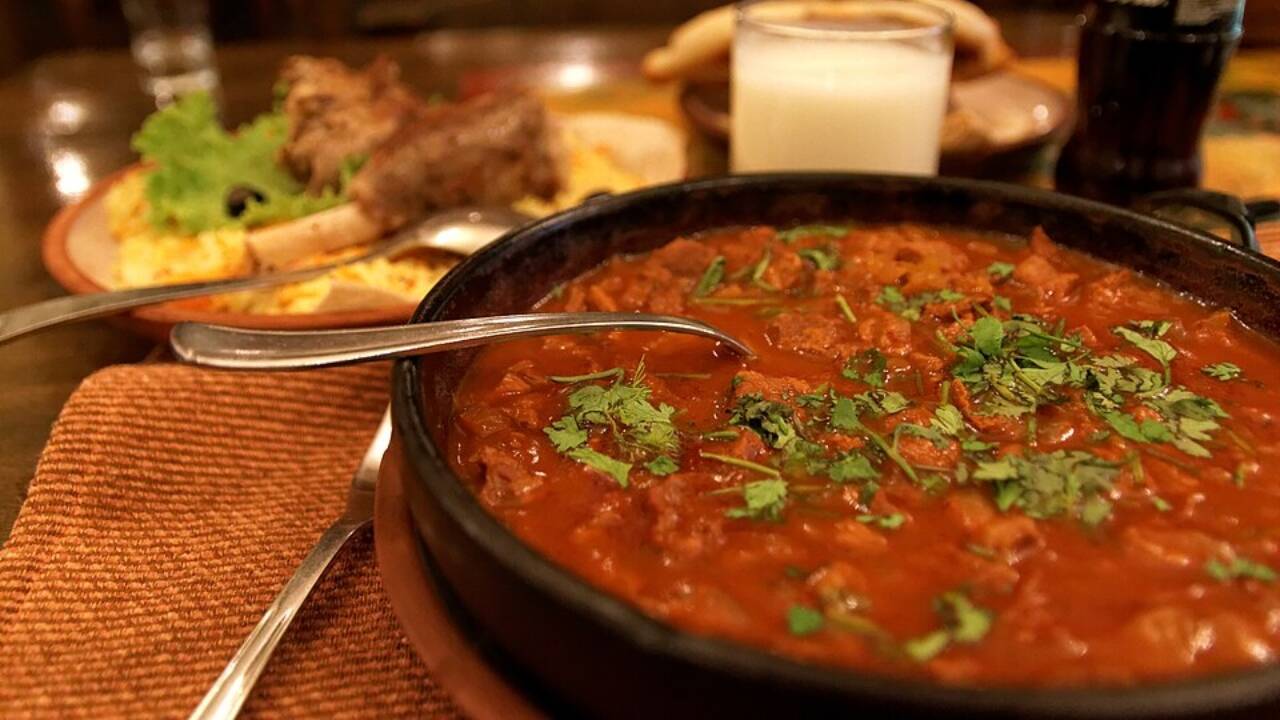
While the meal did originate from India, Japan still places curry rice in the Western category, as this classification is not based on where it originated, but rather on the route it took to reach Japan. Food Anthropology explains that as the recipe entered the country through Britain rather than directly from India, it got classified under Western food alongside recipes like tonkatsu and omurice, despite these dishes developing a distinct identity and becoming different from the British and Indian versions.
A recipe that evolved with every country it entered
Notably, curry’s journey did not stop with Japan, as according to Food Anthropology, the recipe continued to travel across East Asia, where countries like South Korea and North Korea adapted it to suit their local tastes and ingredients. This evolution highlights how the ingredients and recipes change as they travel across different cultures, influenced by migration, trade, and historical events. For instance, the Japanese curry is now known for its thick roux, mild flavour and the addition of several vegetables, a version that is far more distinct and different from the regional curries found in India. Today, despite being one of the comfort foods in Japan, curry rice’s history stretches across continents, as what began as a collection of regional Indian gravies got reshaped during British rule before being reinvented again in Japan.