KYODO — A decision by a city near Tokyo to bar a mosque from holding a longstanding outdoor prayer session in one of its parks has triggered debate over multicultural coexistence in Japan, with questions raised over whether officials had sufficient grounds for the move.
The dispute began in May when a mosque in Ichikawa, Chiba Prefecture, was denied permission to hold a group prayer in the public park, located in a residential neighbourhood, during a festival that had been held there for years there with city approval.
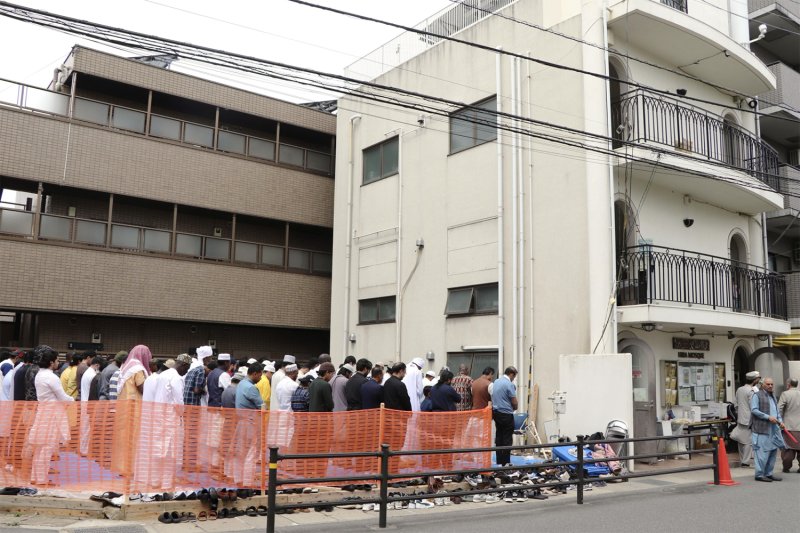
The decision followed criticism on social media of scenes from a prayer session held in the park last autumn.
The city initially sought to cancel the festival altogether but later reached a compromise with organisers, allowing the event to proceed as a social gathering without the outdoor prayer component.
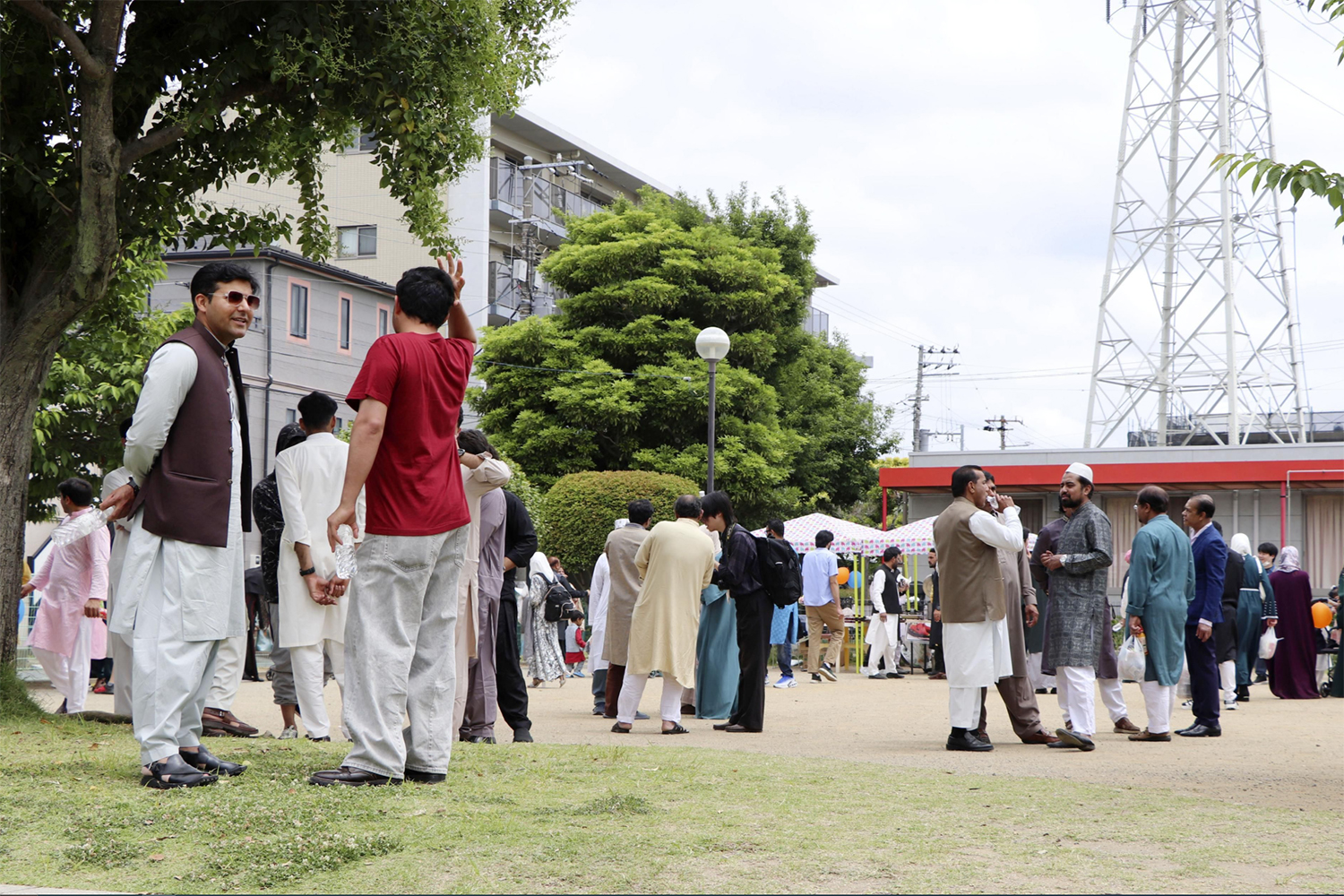
The festival, held on a weekday morning, drew people dressed in traditional attire who shared meals and posed for photographs.
Abdullah Miyazawa, a 56-year-old representative of the mosque originally from Pakistan, said the festival has been held twice a year for about three decades.
Organisers, he said, have always sought to observe proper etiquette and maintain good relations with residents.
As recently as March, about 200 people participated in prayer sessions in the park.
The dispute comes amid concerns about discrimination against Muslims in Japan, with mosques around the country facing slander and abuse in recent years.
Following criticism online, Ichikawa city hall received calls both supporting and opposing the use of the park. Citing safety concerns, the city asked the mosque to withdraw its application to use the venue.
After discussions between the two sides, permission was granted only for a social gathering. Because there was no space available for communal prayer in the park, worshippers reportedly held prayers in several sessions inside the mosque's limited facilities.
Mayor Ko Tanaka said at a regular press conference that the decision was his own and had been influenced by information circulating on social media as well as discussions within the city council.
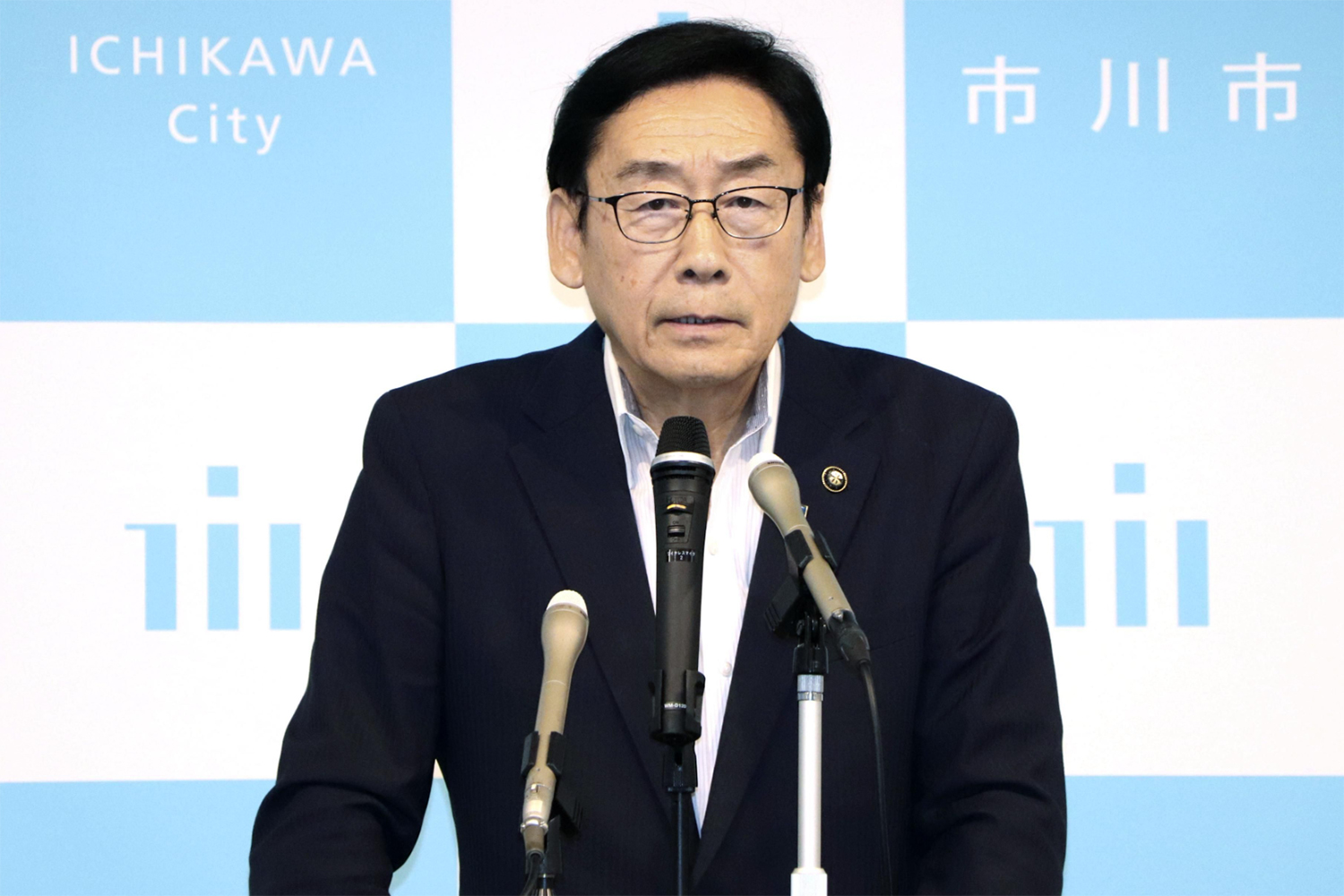
"For local residents, group prayer can cause unease because it is unfamiliar," he said. "I believe the way the park was being used had moved away from what multicultural coexistence should look like."
A city official said authorities concluded that occupying part of the park for prayer would interfere with its use by the public.
"We were pleased that a compromise could be reached," the official said.
Miyazawa said he understood the difficult position facing city officials and stressed that he did not want conflict or trouble for the neighbourhood.
At the same time, he said many worshippers were left feeling that, as members of the local community too, they should be treated as such.
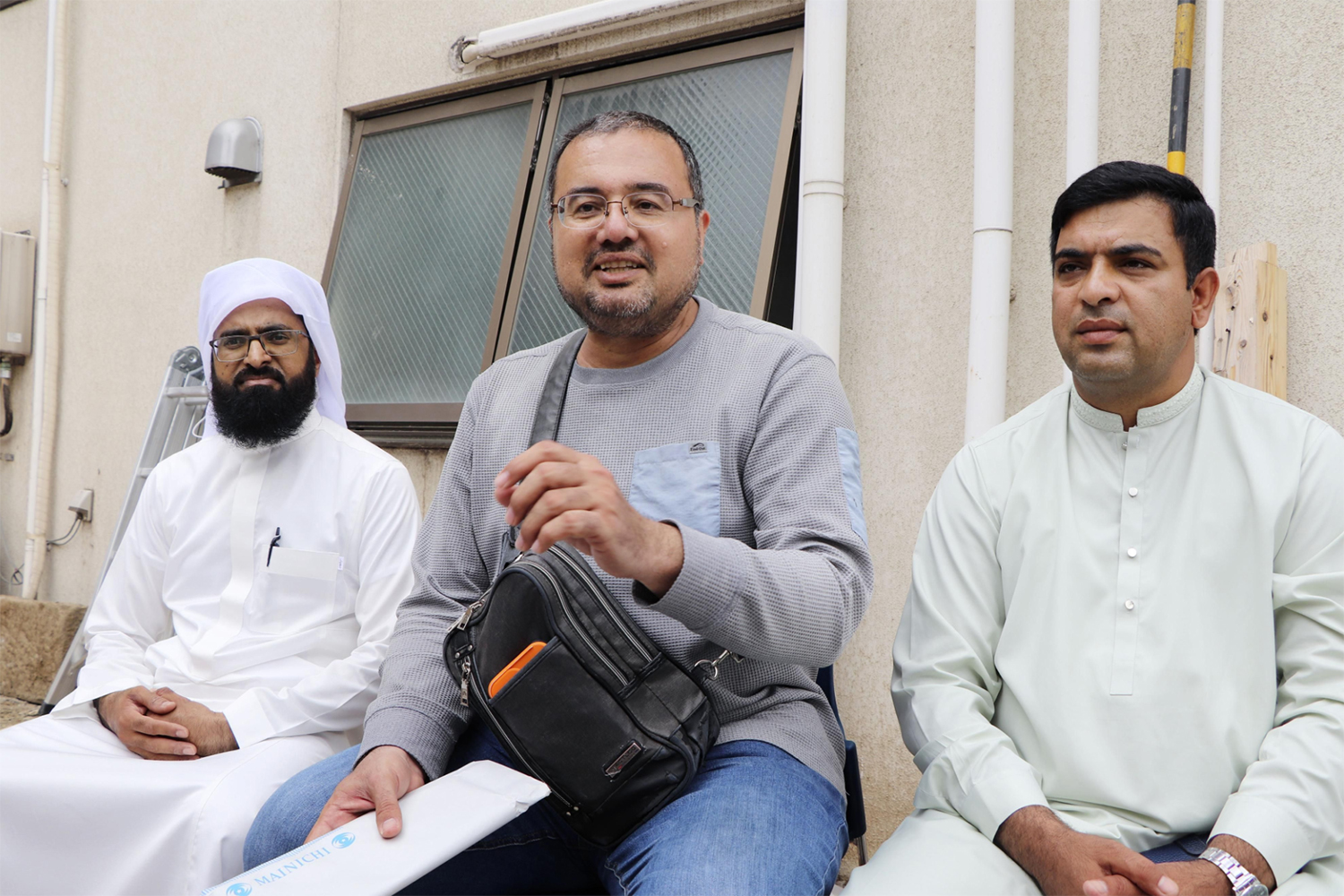
He also questioned the idea that long-established practice should be kept out of public view. Some members of the mosque community, he said, had expressed concerns about the safety of their children.
Among locals, reactions were largely accepting. Kazumi Kurosu, head of a neighbourhood association, said that while there had been issues in the past, there were no major problems now and that residents understood the efforts organisers were making.
The city's handling of the issue has drawn criticism from academics who study multicultural coexistence policies.
Masami Wakayama, a political scientist at the University of Shizuoka, said prayer was a normal part of daily life for Muslims and questioned whether the mayor fully understood the meaning of multicultural coexistence.
Wakayama argued that the city should have investigated the situation more thoroughly, including by surveying residents if necessary, and clearly explained the objective grounds for its decision.
"If criticism on social media was behind the decision, the city may have overstepped its discretionary authority," he said.
Some residents remain uneasy. A woman in her 70s, for example, said seeing a large group gathered together felt frightening.
While acknowledging such concerns, Wakayama said opportunities for interaction between residents and Muslim communities should be expanded rather than restricted.