Japan Airlines Co. has decided not to hire new graduates for fiscal 2021, with the exception of pilots and certain other positions.
It will be the first time in nine years for the airliner to drastically reduce its hiring. If there is a prolonged surge in new coronavirus cases, other companies may also cancel recruitment plans.
JAL had planned to offer a total of 1,700 jobs. The company will still recruit about 80 aspiring pilots and disabled staff as planned, and hire about 150 people who have already received an official job offer.
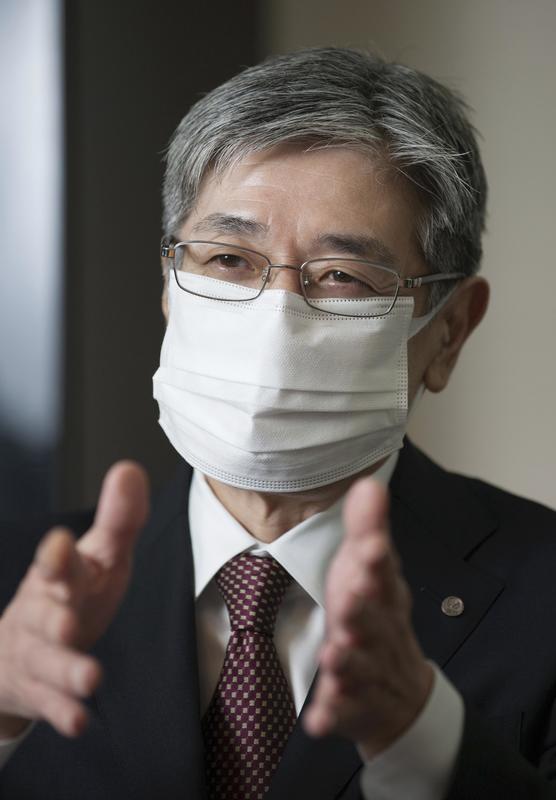
"Amid the current situation, we can't provide jobs for new employees even if they join our company next year," JAL Executive President Yuji Akasaka said in an interview with The Yomiuri Shimbun. "I am very sorry to say this, but we cannot hire anyone."
ANA Holdings Inc. canceled offers of about 2,500 jobs, excluding pilots and certain other positions, as "the decline in aviation demand is creating a personnel surplus," according to its public relations department. It had offered about 3,200 jobs at its 37 group companies, including All Nippon Airways Co.
ANA Holdings will still hire a total of about 100 new graduates, including aspiring pilots and people with disabilities, and will not cancel job offers already given to about 600 people, including those from vocational schools to be hired as ground staff.
Major travel agency H.I.S. Co. also canceled its plans to hire new graduates. The company initially intended to hire about 600 people, but suspended recruitment in late March due to the outbreak, as it was "difficult to foresee the future business environment," according to its spokesman.
The airline and travel industries have been hit hard by restrictions on entry into Japan, as well as voluntary restrictions on business trips.
According to the Land, Infrastructure, Transport and Tourism Ministry, air transportation of passengers in April decreased by more than 80% year-on-year for both domestic and international flights. In May, the total number of people who booked accommodations in Japan fell 84.8% to 7.81 million, the lowest since the survey began in 2007.
-- Looking beyond aviation
Amid the deterioration of its earnings due to the pandemic, JAL's president said the company was eager to stabilize its management by diversifying its business.
Akasaka said he hoped the sales and profit of the non-air transport business -- which excludes domestic and international flights of passengers, cargo and mail -- account for "about one-third of the total in the next three to four years."
Non-air transportation services include credit cards and mileage services. In fiscal 2019, those services accounted for more than 20% of the company's total sales and "still have a good chance of growing," he said.
JAL plans to shore up cooperation with Mobility as a Service, or MaaS, which provides the most appropriate means of transportation out of various options including taxis and railways. It also plans to do more with agritourism.
In June, the number of passengers on domestic flights dropped about 80% and that on international flights fell about 99% compered to the same month last year. Asked when demand will recover, Akasaka said, "It will take about a year for domestic flights, and three to four years for international flights."
By the end of this fiscal year, the number of domestic flights could return to 80% and international flights to half, he said.
To improve its earnings, JAL will focus on profitable domestic routes as well as routes connecting Japan and Hawaii or North America, Akasaka said.
"We will respond to tourism demand with our low-cost carrier," he said, noting that business trips will decrease due to the spread of work from home even after the pandemic is contained.
Asked about the possibility of soliciting early or voluntary retirement, Akasaka said: "I'm not thinking of that at all. If we reduce our manpower, we won't be able to function [after a recovery in demand.]"
Read more from The Japan News at https://japannews.yomiuri.co.jp/