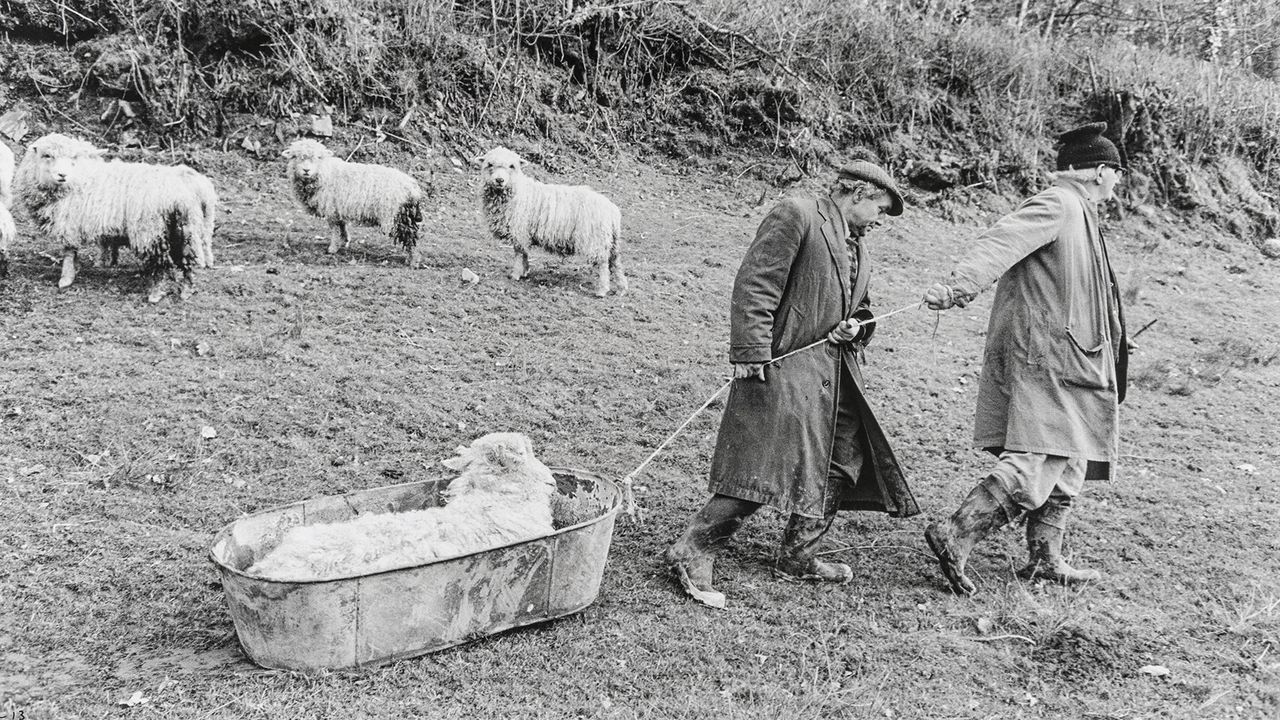
There's a photograph in an upcoming exhibition of two farmers in old overcoats, both gripping the same length of rope, hauling a sick ram across a muddy field in a battered tin bath. A small flock watches from the hedge bank behind, utterly unbothered.
It's James Ravilious at his best: no drama, no staging, just a moment of rural ingenuity caught because he happened to be standing in the right field with a Leica camera and the patience to wait for it.
To me, that patience is really what A Photographic Friendship: James Ravilious and Chris Chapman is about.
The show – opening at The Burton in Bideford, England, on August 01 – pairs work by the two photographers across 15 curated dialogs. And it's pleasing to know that decades of quiet, unglamorous documentary work can still count for anything in an industry obsessed with the next shot.
Because that's really the story here. Two men, working the same corner of south-west England for the best part of 50 years between them, never once treating each other as competition.
Why the work has lasted
Ravilious moved to Devon in 1972 to shoot for Beaford Arts' archive project, eventually amassing more than 80,000 negatives of a rural way of life he could see disappearing.
Chapman settled a few miles away in Throwleigh, in 1976, and turned his camera on Dartmoor instead: farms, chapels, foot and mouth, village halls.
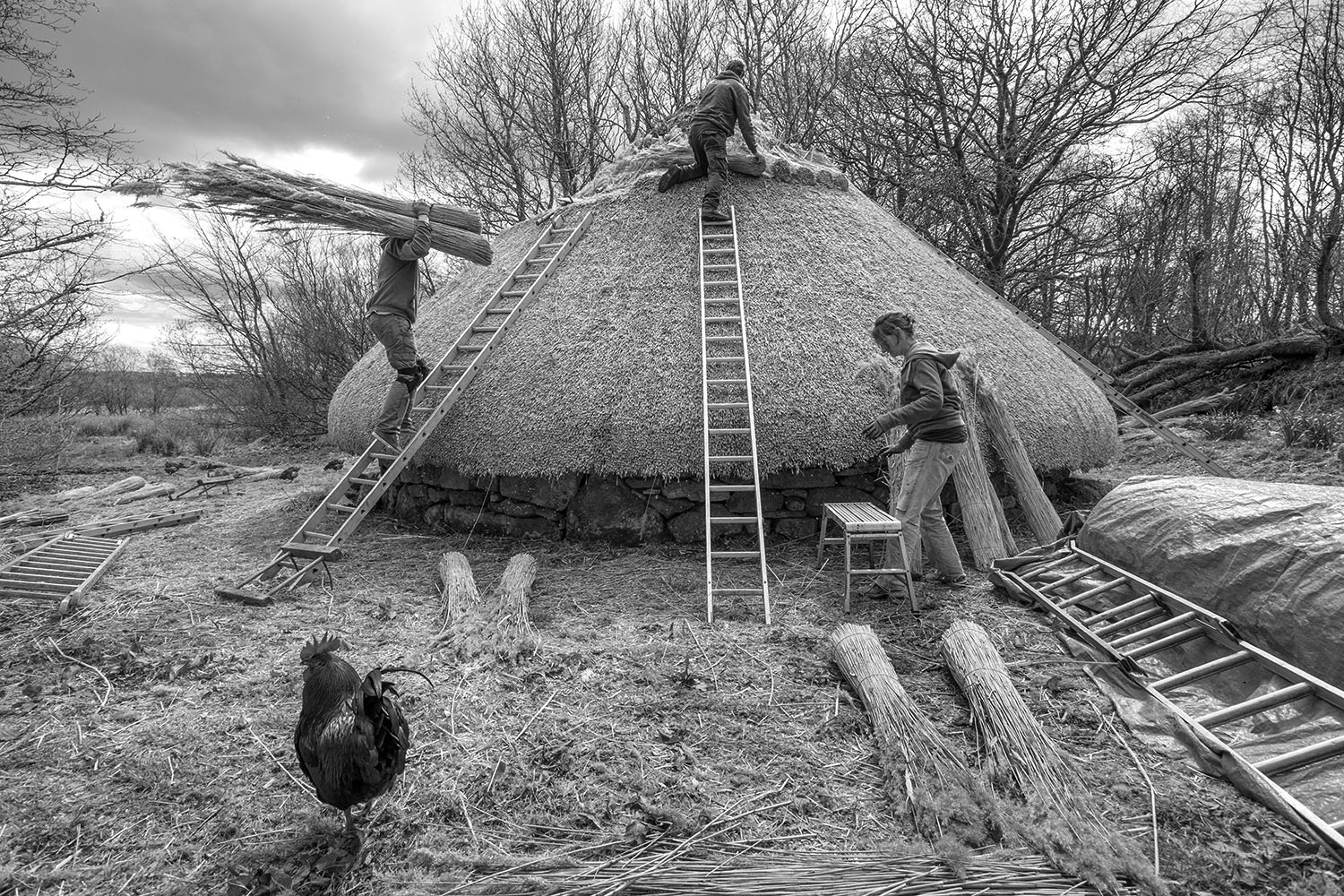
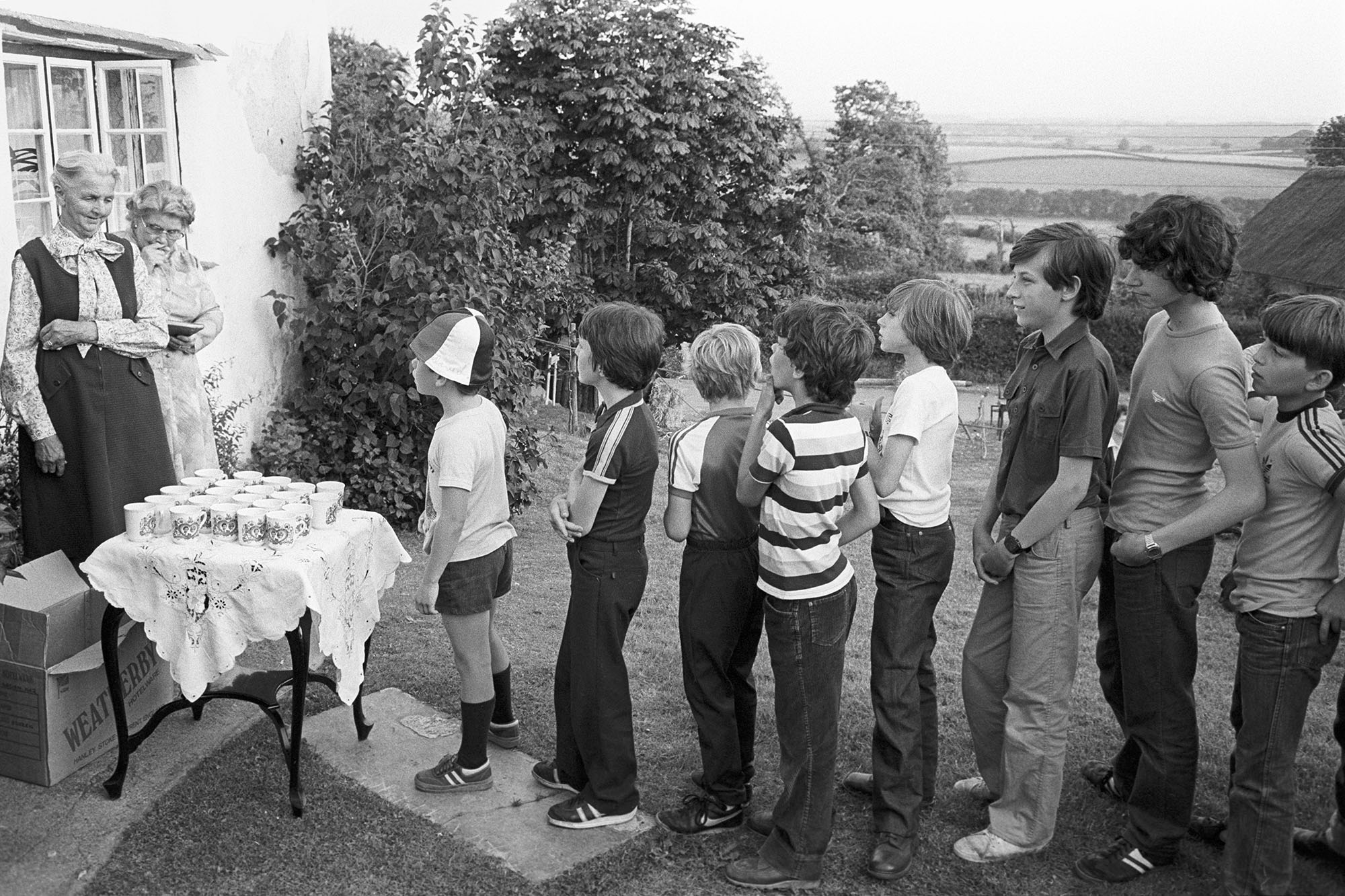
Both men were documenting the same broad subject, in the same region, at the same time. Yet rather than treat that as a threat, they seem to have treated it as company.
For pro photographers now trained to think in terms of niches, personal brands and first-mover advantage, that might seem quaintly odd. But it's also, arguably, why both archives have lasted.
Neither man was chasing an angle nobody else had. They were, in fact, chasing depth on an angle everybody could see – which takes far longer and is much harder to fake.
The importance of trust
Ravilious shot on a Leica rangefinder camera, often with older, uncoated lenses, and used a compensating development process that gave his negatives their distinctive silvery quality. It's a nice technical footnote, but it's not really why the pictures work.
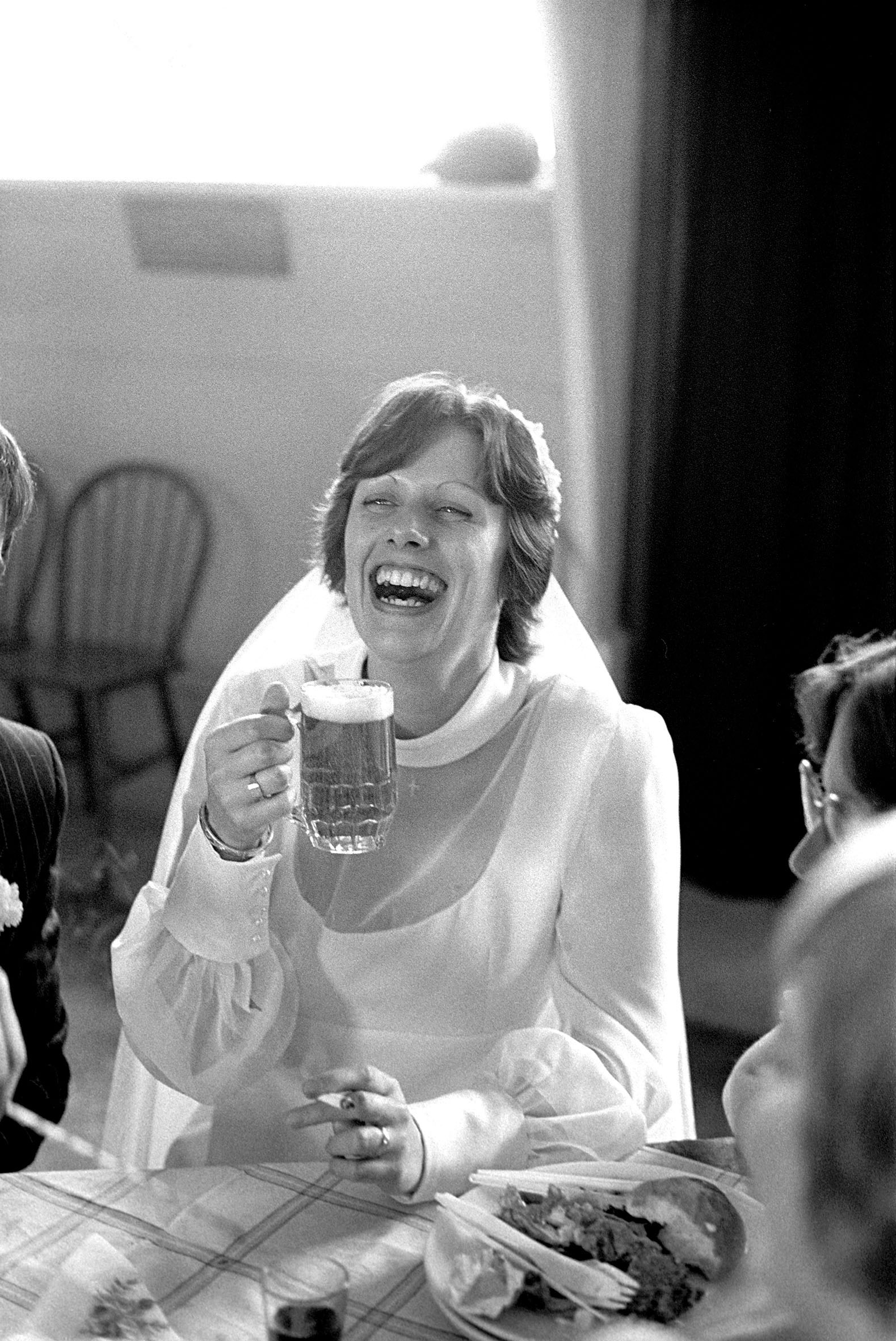
They work because a subject like Mary Wedlake – laughing mid-toast at her own wedding party with a pint in hand – clearly isn't performing for the camera. That's not a lens choice; that's years of a small photographer being a familiar, unthreatening presence at village halls and farm gates.
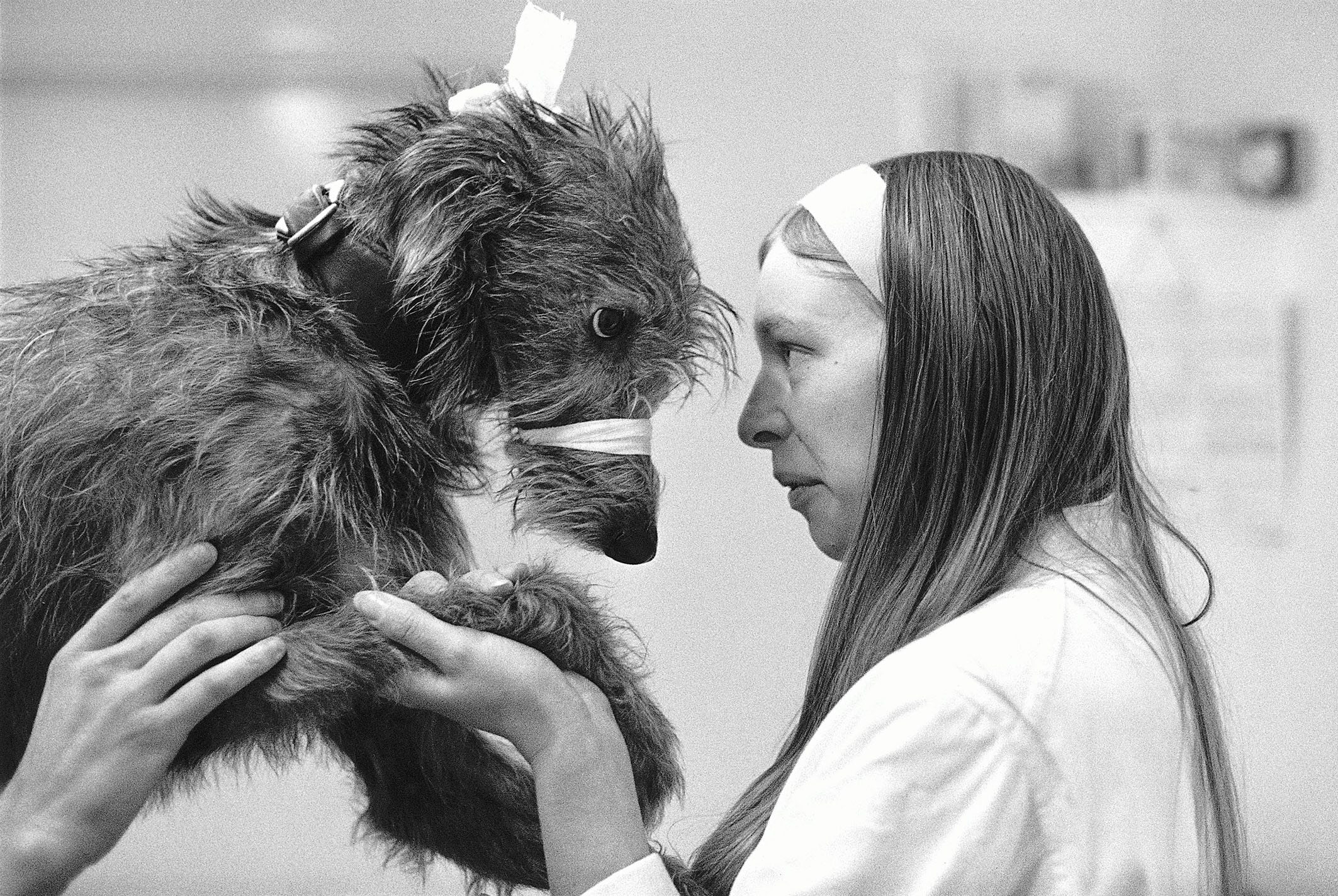
Chapman's picture of a woman cradling a bandaged terrier at a Moretonhampstead vet's surgery has a similar quality. To put it bluntly, nobody in either archive looks like they've been asked to hold still.
Why this matters
It's tempting to label this show 'nostalgia': black-and-white Devon, thatched roundhouses, a bygone rural England. But I think there's a deeper lesson here for anyone shooting documentary or portrait work today.
Neither photographer was parachuting in for a story. They lived among their subjects, returned to the same farms and families for years, and allowed the pictures to accumulate rather than forcing a set in an afternoon.
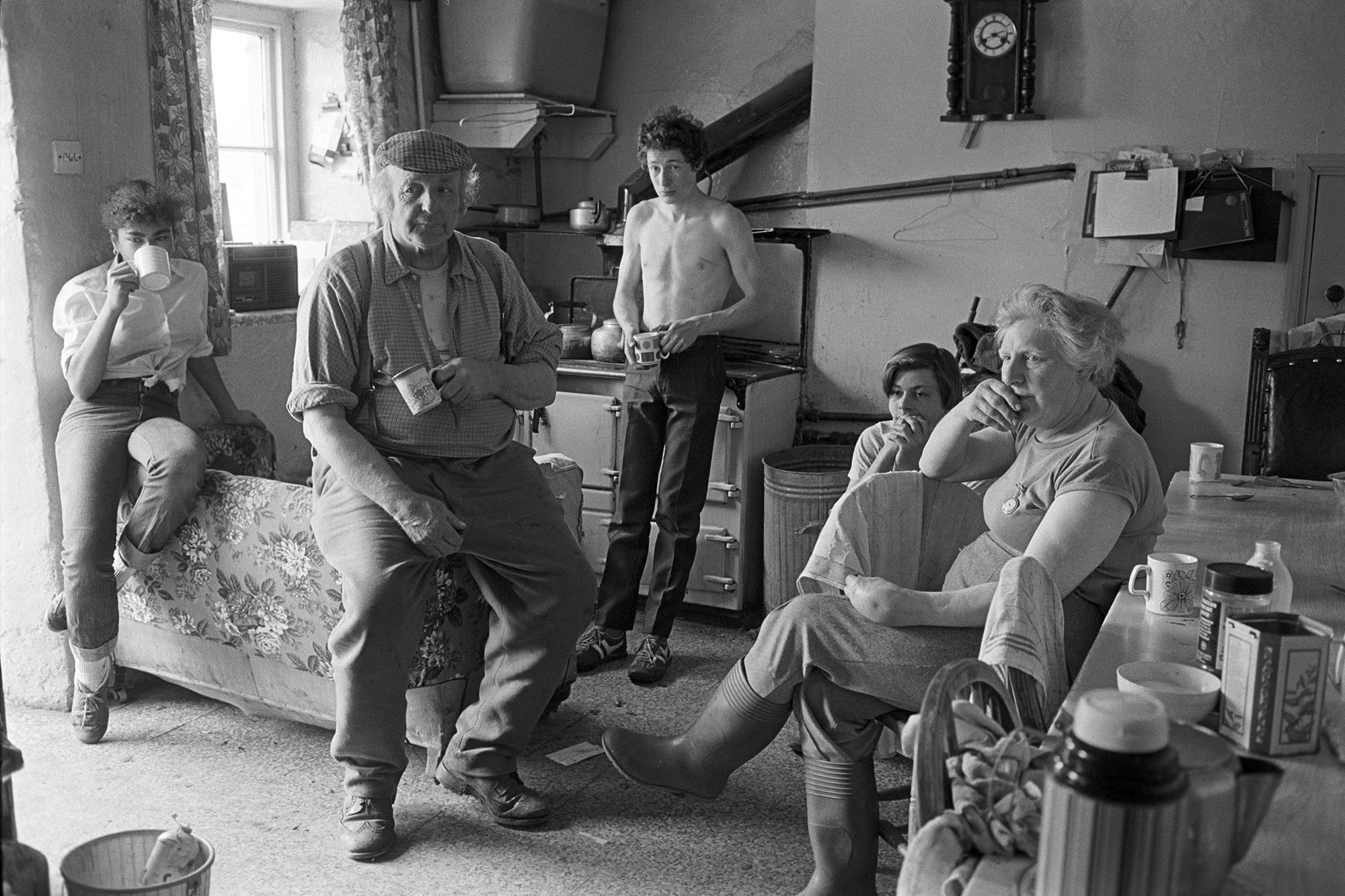
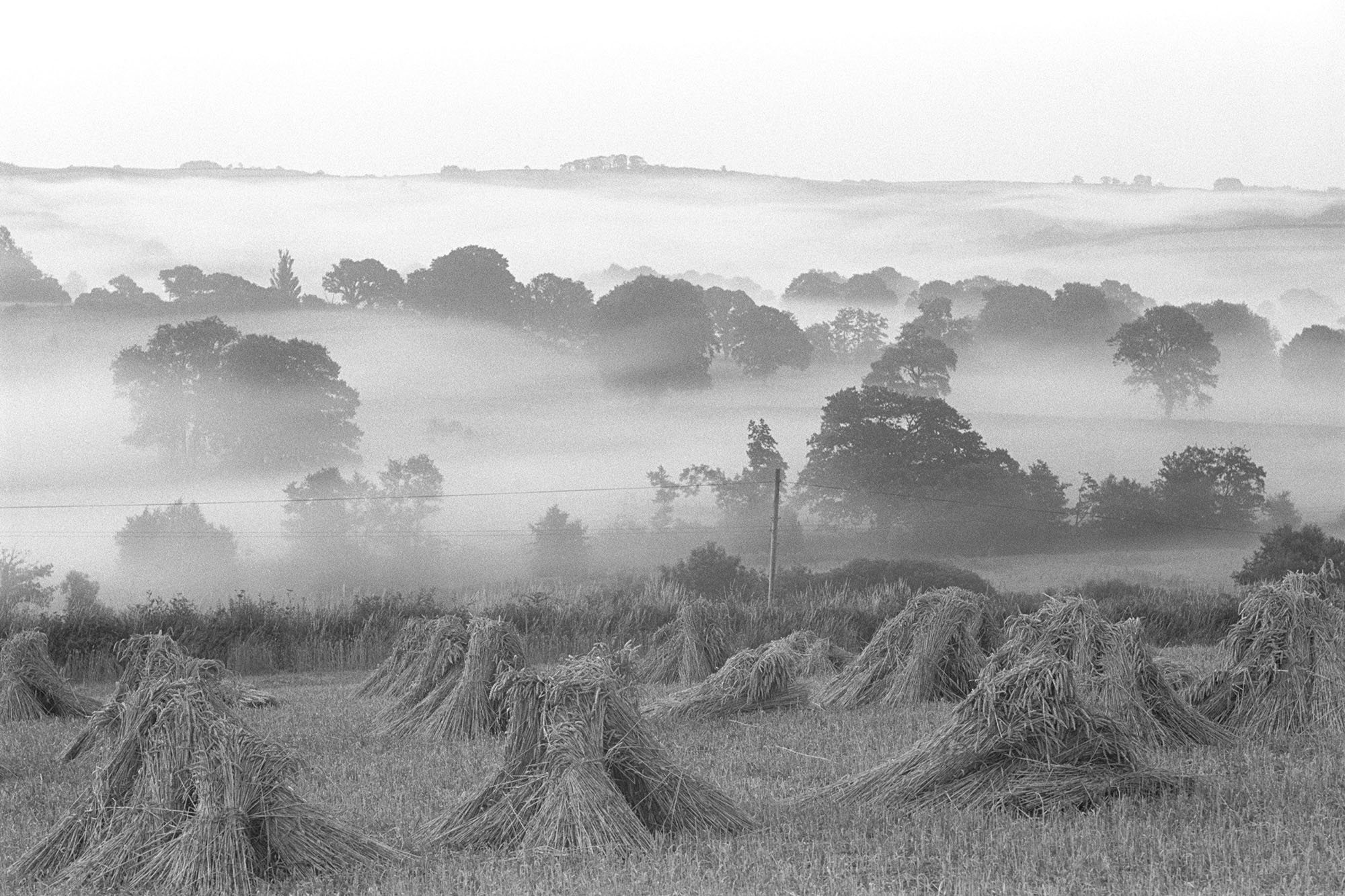
That's a harder sell to an editor or publisher than a single striking image (believe me, I know). But it's also the only way that anyone ends up with an archive people are still putting up on walls, 50 years later.
A Photographic Friendship: James Ravilious and Chris Chapman runs at The Burton at Bideford, Devon, England from August 01 to October 04. Entry is free.
You might also like…
Take a look at the best Leica cameras along with the best Leica M lenses for rangefinders and the best Leica SL lenses for mirrorless bodies.