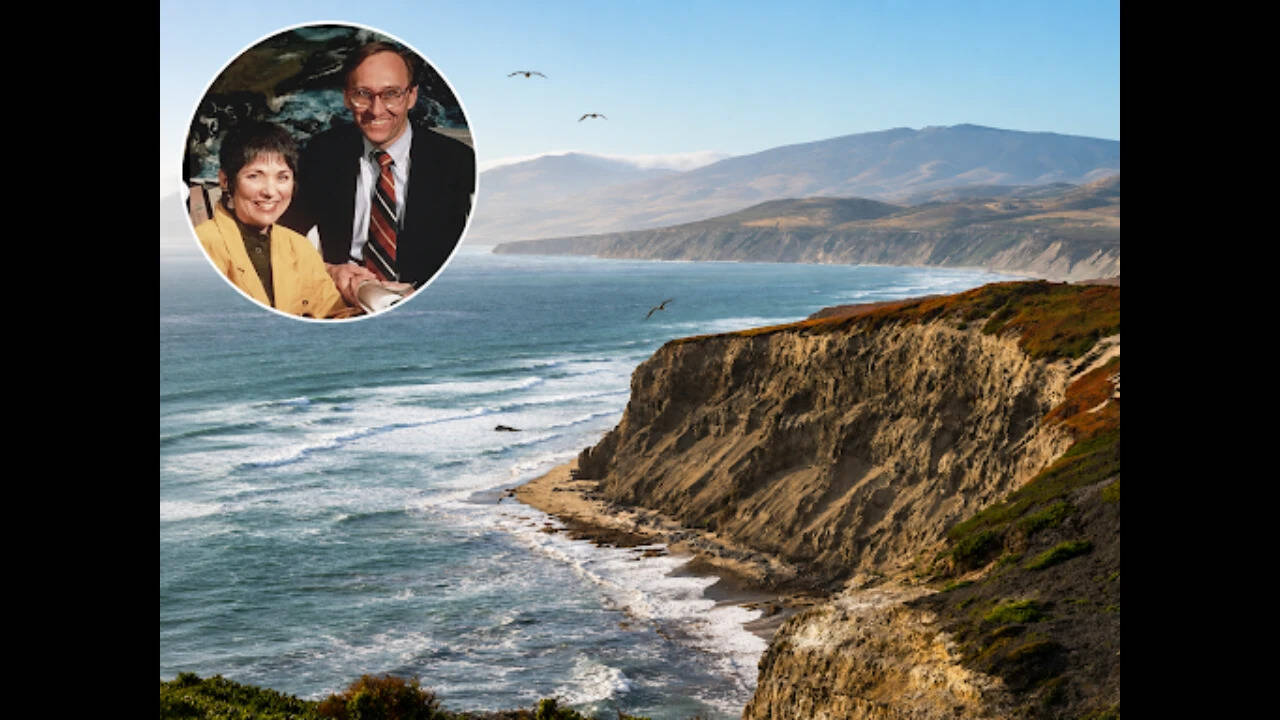
Imagine eight miles of pristine Pacific coastline, mountain lions roaming beaches that are occupied by seals, and land spared the subdivisions and bulldozers that have reshaped most of the rest of the coast, all located in the state that is one of the hungriest for real estate development in America. Imagine, then, two technology billionaires donating $165 million to ensure it stays untouched forever. This is not the plot of some fantasy movie. This is exactly what happened in December 2017, when Jack and Laura Dangermond, founders of Esri, the world's leading mapping software company, made the biggest donation in the history of The Nature Conservancy to conserve the 24,364 acres of land in the Gaviota Coast, near Point Conception in Santa Barbara County, California.
Get breaking news anytime, anywhere. Download the TOI app now!
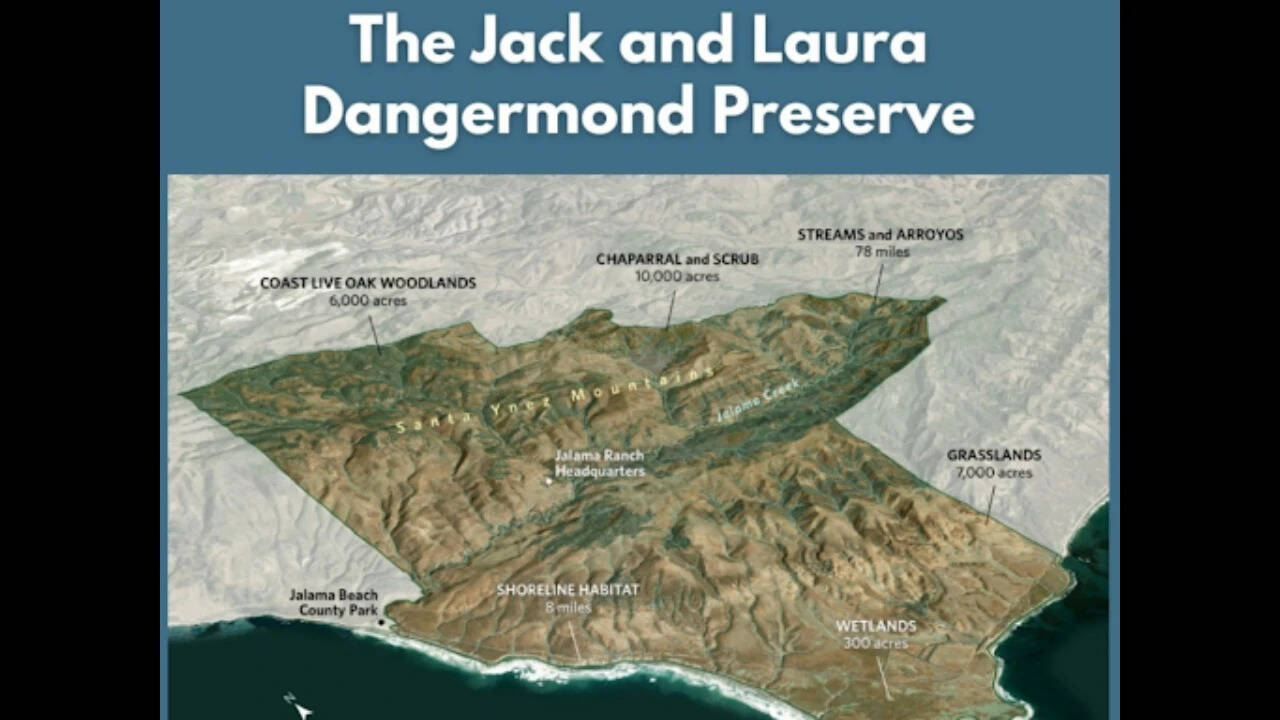
This piece of land sits where two distinct marine ecosystems meet: the cold temperate and subtropical faunas of the northeastern Pacific, part of one of the few eastern boundary upwelling ecosystems on the planet. A 2023 peer-reviewed article titled “Historical biogeography supports Point Conception as the site of turnover between temperate East Pacific ichthyofaunas,” published in the PLOS ONE journal, confirmed that Point Conception is indeed the precise site of this biogeographic "turnover" between the two faunas, settling a debate that had divided marine biologists for years. For a generation that grew up watching the California coastline get slowly privatized and fenced in, that scientific detail lands differently: this stretch of coast isn't just scenic, it's a genuine ecological hinge point.
Why this particular stretch of soil mattered so much
Point Conception is much more than beautiful scenery; Point Conception is actually the place at which the coastline bends to create an east-west shore from a north-south one and the interface between two very different ocean ecosystems. The land, previously known as the Cojo-Jalama Ranch, had been used for cattle ranching for decades and carries roughly 9,000 years of documented human history; it holds deep cultural and spiritual significance for the Chumash people, who used natural resources found on the land, including naturally occurring tar, to seal boats and baskets.
What makes the property remarkable isn't that it was wilderness untouched by human hands, but it was spared the subdivisions, highways, and resort development that transformed most of the rest of the Southern California coast. The preserve currently houses over ten endangered species, and according to the Dangermonds, they themselves have observed many rare species on their first trips there.
The uncomfortable math behind the gift
Conservation in the United States relies more and more on the charity of billionaires, and Point Conception is one of the best examples of such a system, where the two people who are really passionate about wildlife and ecosystems chose to fund a permanent preserve rather than build a private estate. But zoom out, and the gift also highlights a trend it can't fully counter on its own.
Marine geologists Gary Griggs and Kiki Patsch, in a 2019 study titled “The Protection/Hardening of California's Coast: Times Are Changing,” in the Journal of Coastal Research, found that hard armor such as seawalls and revetments made up only 2.5% of California's coastline in 1971. The percentage jumped to 13.9% in 2018: a 5.5-fold increase in the armored share of the coast over 47 years. Not only does concrete make its way into the picture, but beaches themselves are also disappearing.
A 2023 study led by USGS research oceanographer Sean Vitousek, in partnership with the University of New South Wales, Sydney, estimated that between 24% and 75% of California's beaches could become completely eroded by 2100 under current sea-level-rise projections, depending on how much intervention occurs between now and then. Given the context, even one gift, however generous, appears as a very costly plaster on the wound.
What it actually means for everyone
For millennials and young adults who have been witnessing how climate anxiety and soaring housing prices undermine any discussion of land and ownership, the Dangermond Preserve represents an important realization: "protected" doesn't mean the land was simply left alone.
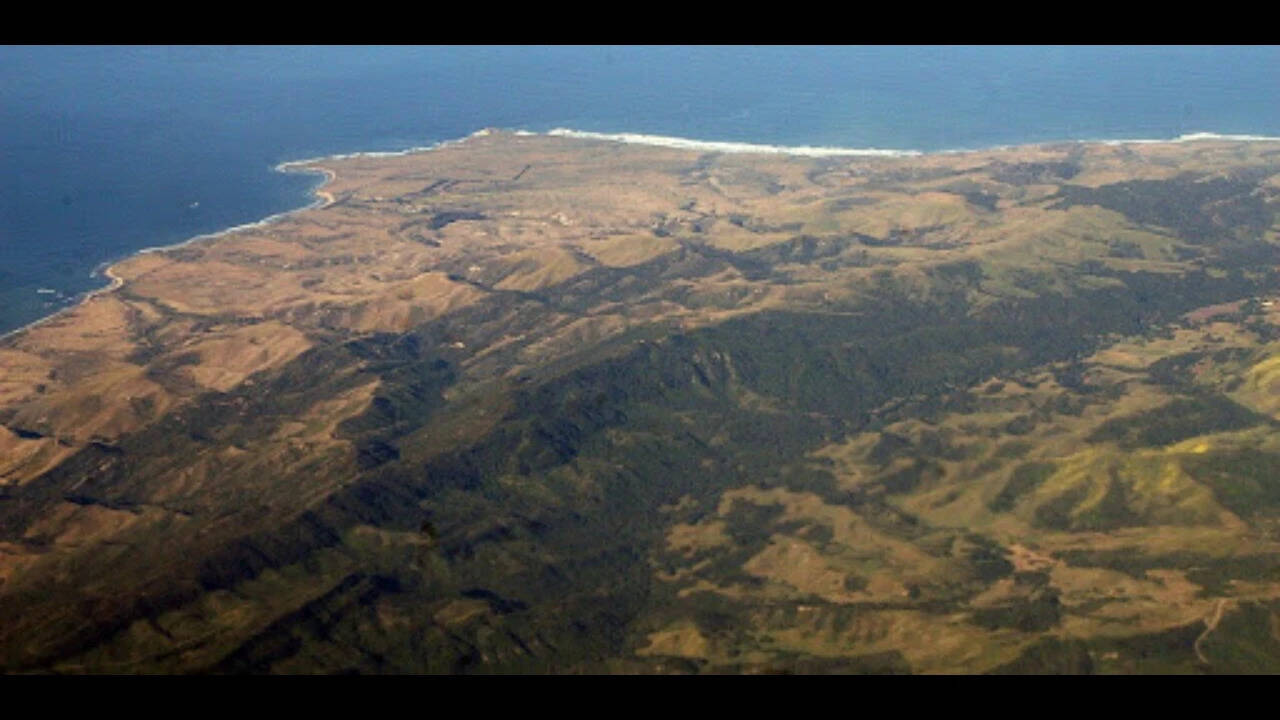
Today, the Dangermond Preserve is operated by the Nature Conservancy as a living research site supporting studies on everything from fire ecology to species range shifts driven by a changing climate. It is a genuinely valuable project. But the bigger question the preserve leaves hanging isn't about this one property; it's about whether the next irreplaceable stretch of California coastline gets protected because a wealthy couple decides to write a check, or because the state itself finally treats coastal protection as a public responsibility rather than a philanthropic afterthought.