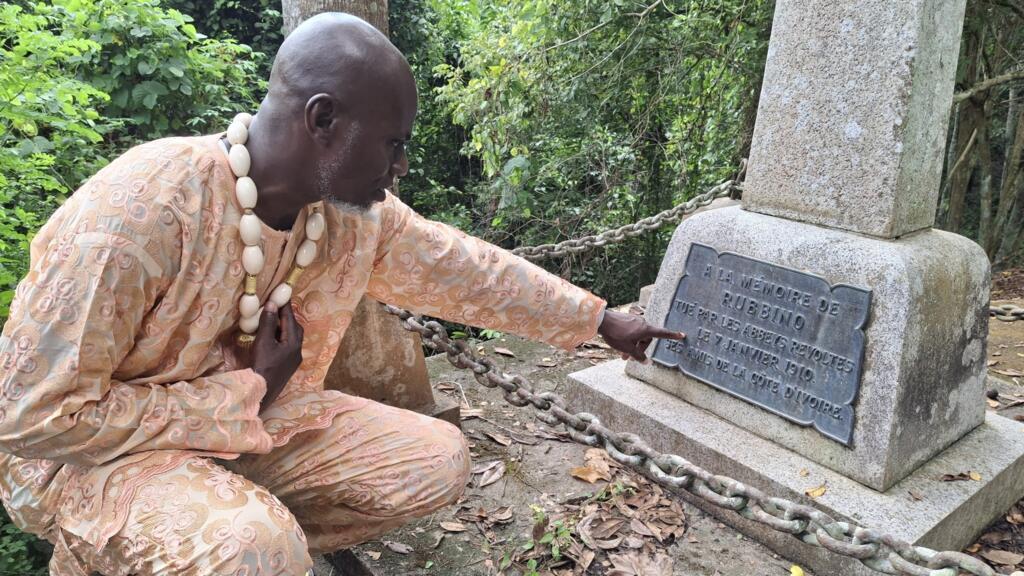
Residents of the village of Rubino, in south-eastern Côte d'Ivoire, continue to commemorate an uprising against a French colonial army officer killed there on 7 July 1910.
The village is named after Rubino, the officer targeted in the revolt by the Abbé people. The uprising is remembered as an act of resistance against colonial rule, and the event is still commemorated more than a century later.
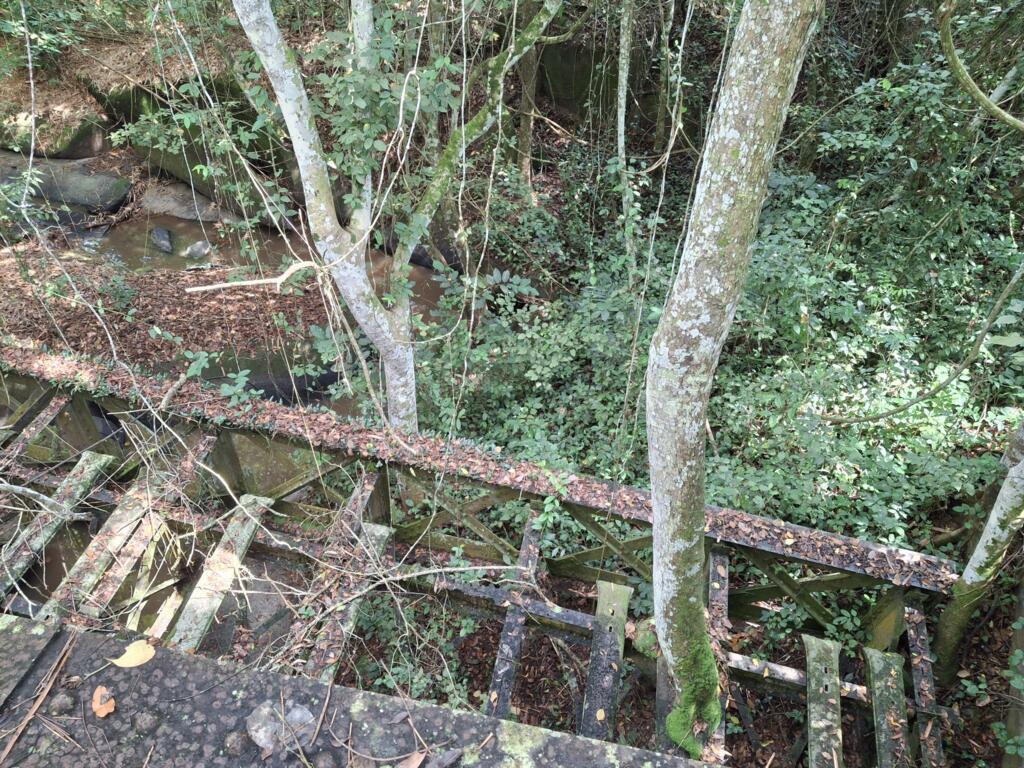
In the middle of a forest near Rubino, a dismantled bridge stands as a reminder of the revolt. The Abbé people removed its bolts by hand to stop a train carrying the officer.
Jean-Claude, a young man from the village, said the story is well known locally.
“When the train arrived, he couldn't cross. This is where Mr Rubino was caught and killed," Jean-Claude told RFI.
Anger over forced labour
The revolt was not only directed at the officer himself, but at the system he represented. The Abbé people rebelled against forced labour imposed during the colonial period.
Rubino worked for the French Company of West Africa (CFAO), a trading business active in colonial West Africa in the late 19th and early 20th centuries.
Eddie Patrick, a resident of Rubino, said the officer’s behaviour angered village elders.
“Rubino was a settler. He was presented as a trader, but in reality, he was trafficking gold. He harassed the villagers and robbed them of their possessions, which annoyed the village elders," Patrick explained.
"To put a stop to this behaviour, something had to be done."
The officer’s grave, located in the forest, has since become a spiritual place for the community.
Nanan Lambert Koffi Kokola, the chief of Rubino, said the site lies on sacred land.
“Because it is located on sacred land where spirits reside, of course, and rivers flow. For us, the Abbé people, it is a place where we come to meditate because it is here that our ancestors finally gained their freedom,” he said.
France passes law to allow return of Ivorian drum stolen by colonial troops
Railway history
After the revolt, a new railway line was built about 100 metres away from the original track.
Photographer François-Xavier Gbré documented the route in an exhibition titled Radio Ballast, revisiting different periods of the country’s history.
“This railway line has seen colonial times, modern times marked by independence, and is still in operation today. It spans three eras: colonial, independence and the contemporary period,” he said.
Today, the site attracts the occasional tourist or history enthusiast.
This article was adapted from the original version in French by RFI's Bineta Diagne.