
2026 has been a huge year for smart glasses, and I’ve reviewed every single new release that launched this year.
After clocking up the amount of flight miles equivalent to traveling around the world twice (one of those quite literally), I’ve been lucky to have the opportunity to really stress test this new crop of specs — be it seeing how far I can push AI features or experiencing a first-class cinema screen while cramped back in economy with AR options.
And when it comes to my personal favorites, three consistent traits have appeared that I always look out for:
- Design and comfort: They need to pass the plane test (not get me laughed out of economy class for looking silly) and be comfortable to wear all day long. This is a challenge for AR glasses with the prism optics, but they’re figuring it out.
- Value for money: Smart glasses are exploding in sales right now, but they’re still relatively new on the scene. If you’re going to wear something for extended periods on your face, they better give you great bang for your buck.
- Features you’ll actually use: A lot of glasses come with a set of features that you’ll use once or twice, and then completely forget about. I always look out for things you’ll actually use consistently over time — features that actually matter (and aren’t just AI slop).
Out of the many, many glasses I’ve tested, three stand out specifically for ticking off all these boxes. So if you’re in the market for a pair, I’ve got your back.
But first — I’m looking for your thoughts!
This year is becoming a significant one for this category, and I want to hear what you think about it. Are you a regular smart glasses wearer? Do you feel it’s all a bit of a gimmick? Any dream features or use cases that would show you the future has arrived? If you’ve got thoughts, I want to hear them!
The ultimates: Viture Beast

They already top my best smart glasses list, and have swiftly become my daily drivers. If you’re looking for the cream of the crop in AR glasses right now, the Viture Beast are the ones to buy.
With new Sony Micro-OLED displays projecting a 174-inch screen directly into your eyes, that picture is truly gorgeous — a 1200p resolution with 120Hz refresh rate and Viture’s trademark color tuning really come to life here. And of course, this is all packed into a Wayfarer-style set of specs that look subtle enough, while also making customizability easy through those arm buttons.
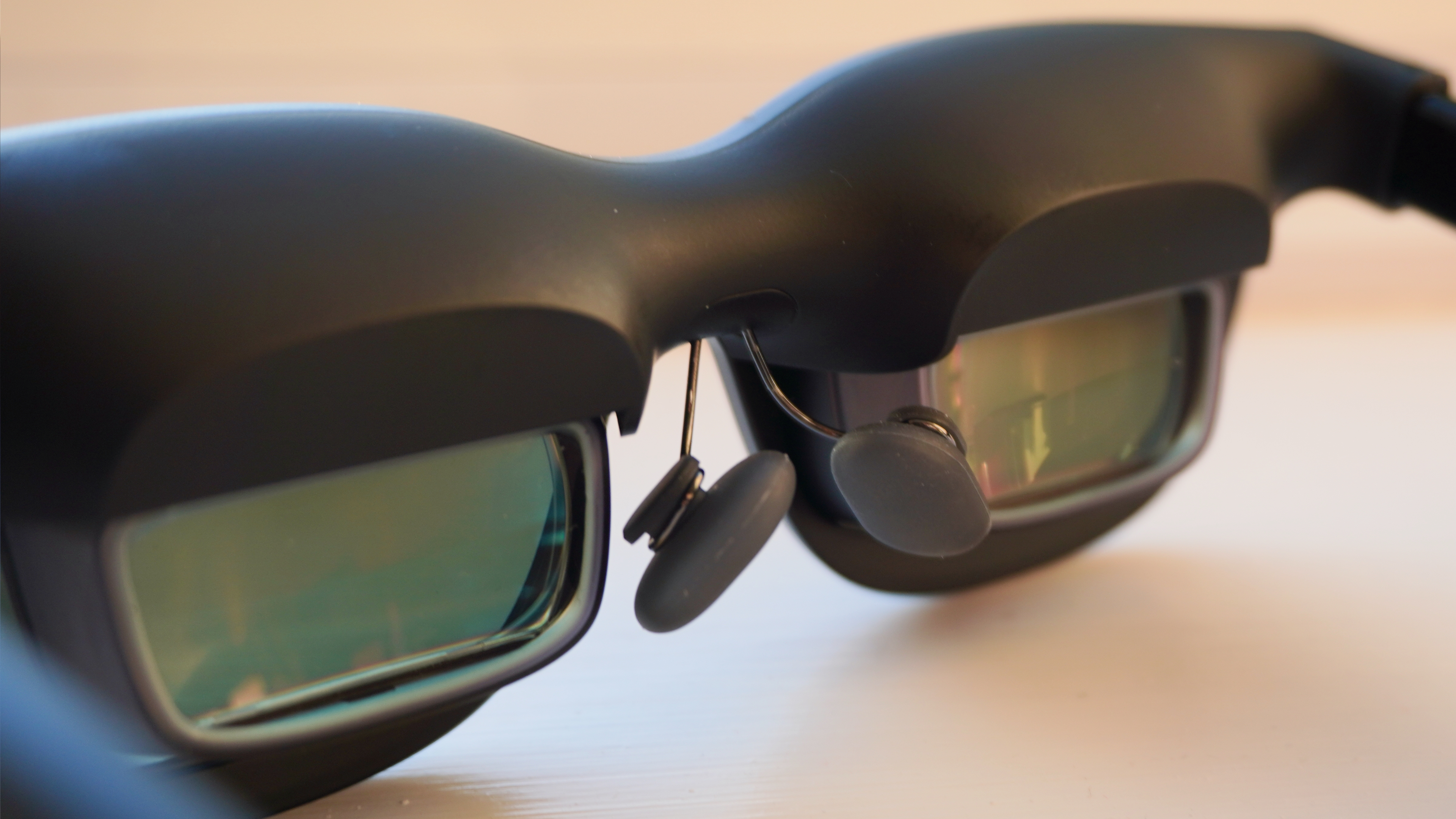
Plus, shoutout to the spatial computing options built directly into the glasses themselves, alongside the company’s SpaceWalker app that gives you all kinds of multi-monitor setup options. These are great for turning any tiny space into a home office.
And I can’t deny they had a rocky start with an early launch before they were ready for prime time. But a few more months in the oven has transformed them into the best AR specs you can buy right now. $549 is a steep price (and I do have a cheaper option down below for you), but if you want the best of the best, these are worth it.
The Meta killers: Rokid AI Glasses Style
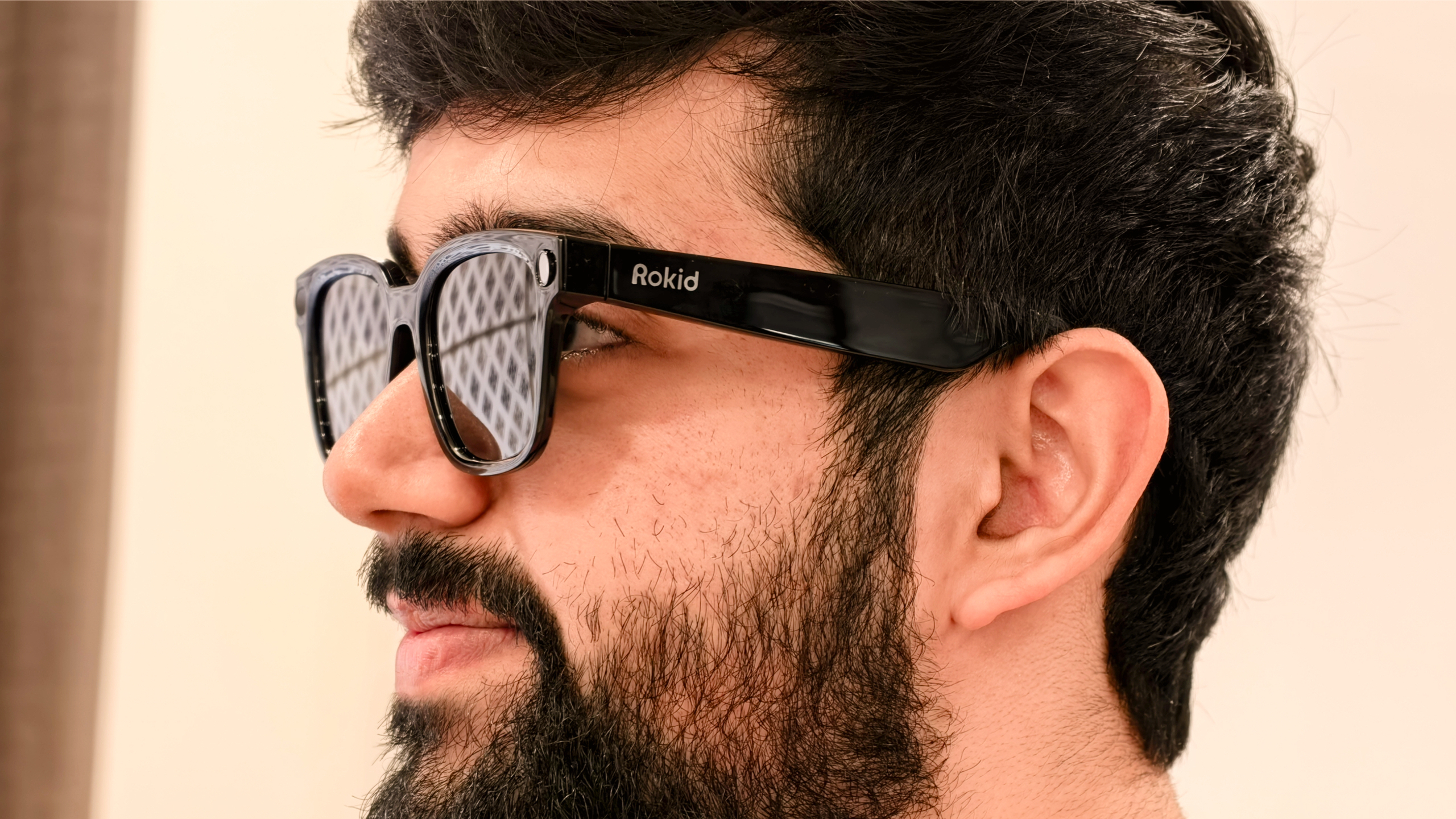
Oh Meta. Why is it that when you do something great (like launching the $299 Meta Glasses), you then shoot yourselves in the foot (putting one of its best features behind quite the paywall)?
Anyway, if you’d rather not have to deal with that, Rokid’s AI Glasses Style are a pretty stellar Ray-Ban Meta alternative that gives you those same nice looks — all while offering much more feature-wise.
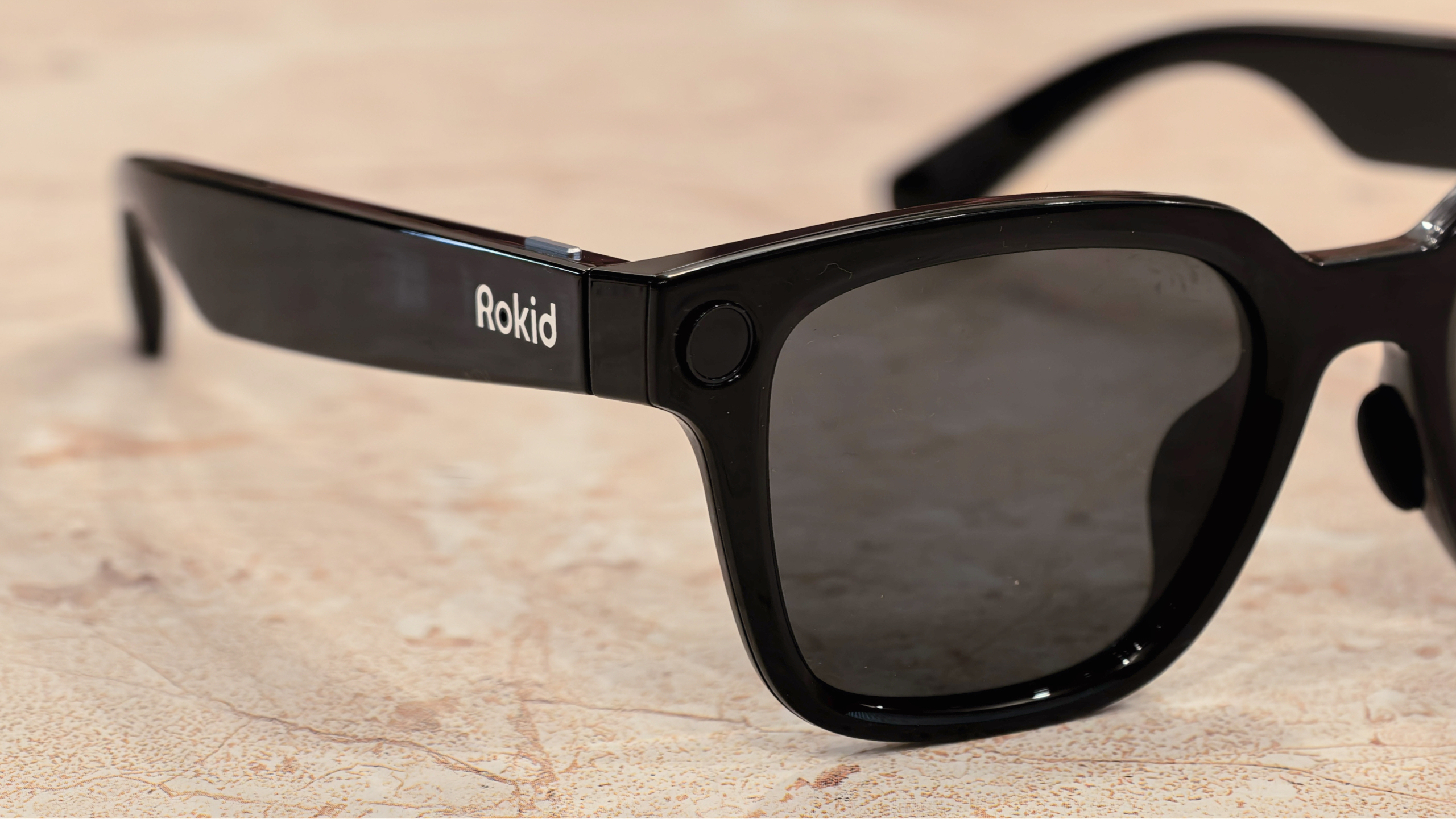
For example, there’s more aspect ratios on the content you can capture with that 12MP camera, and instead of being locked to Meta’s AI, you’ve got the choice between ChatGPT and Google Gemini here (two options that work very well on glasses).
Not to say they completely beat Meta glasses — the case doesn’t charge your glasses, and the hinges feel a little flimsy. But at $30 less than Zuck’s cheapest glasses and with more features, it’s a stylish slam dunk in my books.
The cheap thrills: RayNeo Air 4 Pro
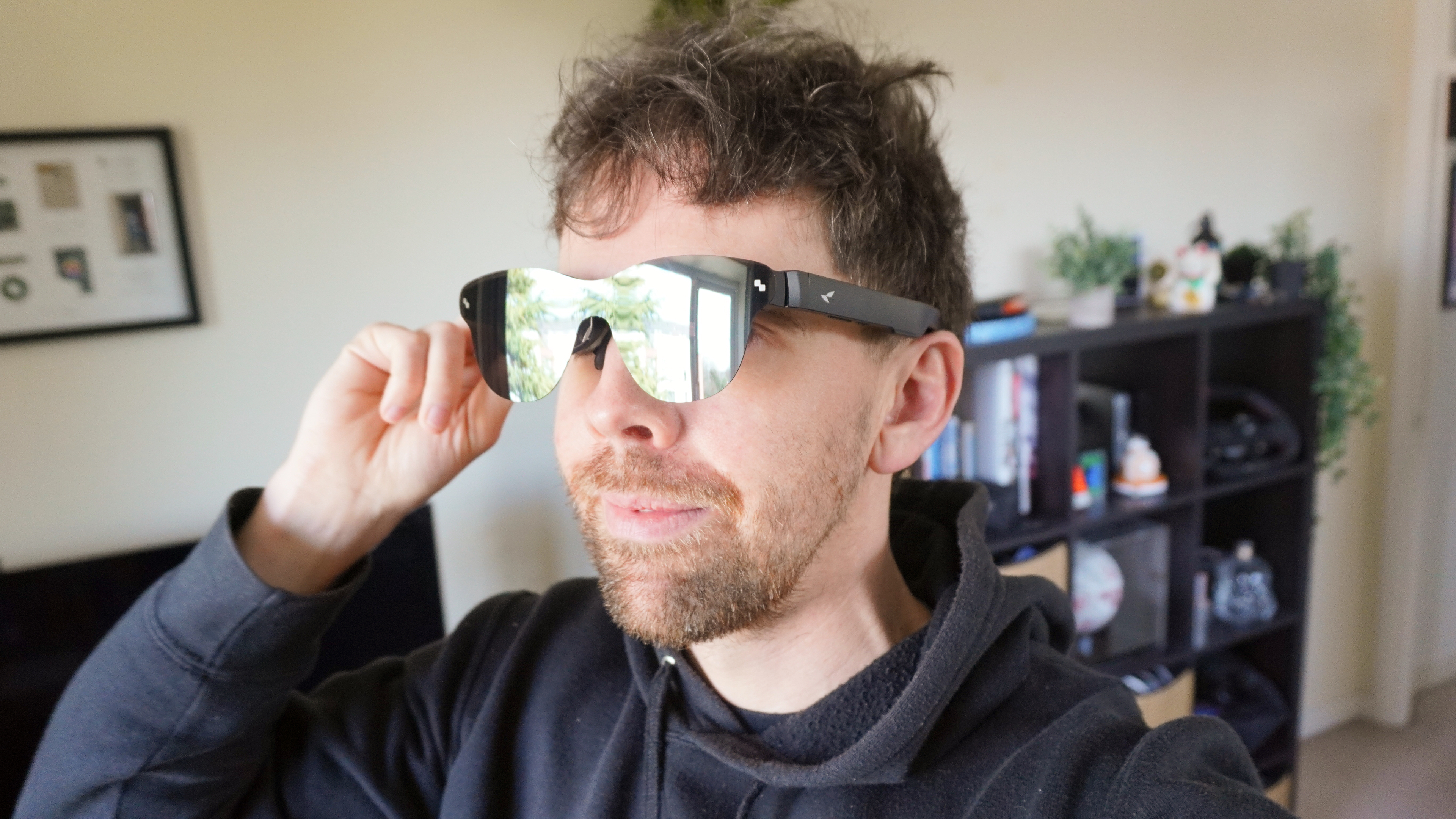
Now for the low-cost alternatives to Viture Beast. RayNeo has quickly grown to be my favorite cheap brand for AR glasses, and the Air 4 Pro continues that legacy with a $299 pair of specs that have the picture quality to challenge the more expensive competition.
Sure, there are some features cut out here — no 3DoF tracking that keeps an image locked in front of you, no electrochromic lenses to block out the light, and the design feels a little cheaper/is a little bigger on your face. But for the massive virtual display with HDR10 built in, which is both vivid and also rated well for low blue light emissions, this is a great first pair to buy.
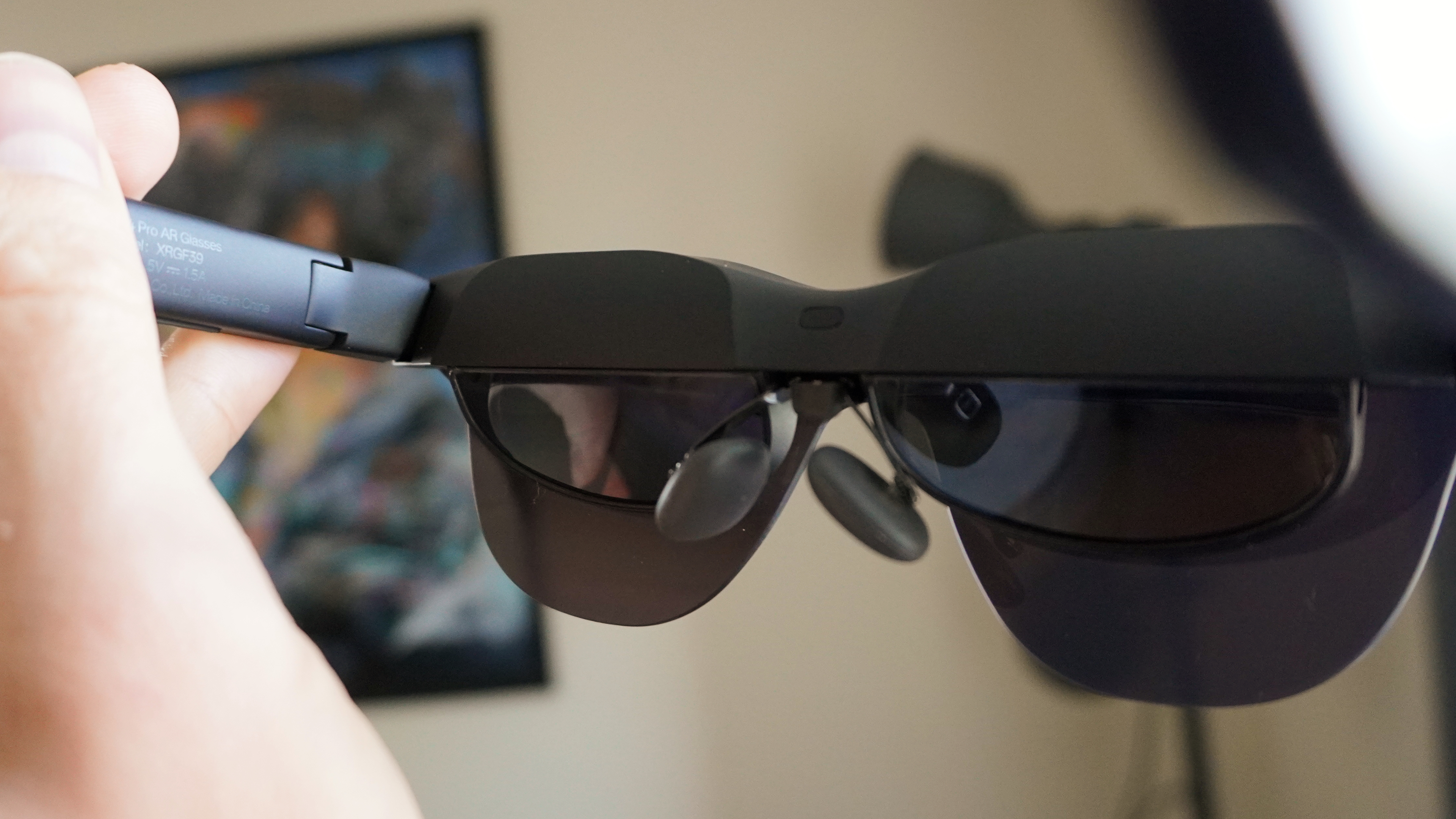
My only real concern with them is firmware updates. Companies like Xreal and Viture give their glasses plenty of TLC with tweaks to better improve software features on the glasses, and RayNeo has a pretty bad track record of keeping on top of this. But out-the-box, there’s a lot here for $269.
More from Tom's Guide
- I ditched my laptop for a pocketable mini PC and a pair of AR glasses — here’s what happened
- I tested Google’s “Intelligent Eyewear,” and found the smart glasses that will defeat Ray-Ban Meta
- I wore Ray-Ban Meta Display smart glasses to watch the Super Bowl halftime show — and understood Bad Bunny in real time