For six full weeks, Italians accepted and understood that it was best for them to remain indoors and that social distancing was essential to curb the spread of Covid-19.
Italians were told that changes would come with Phase Two on 4 May and everyone was eager to hear to learn about the easing of restrictions.
So exactly what would be changing on 4 May, the date everyone hoped would represent the end of a nightmare? Not much was the short answer.
That reality hit home when the Italian Prime Minister Giuseppe Conte stressed at the weekend that caution remained of utmost importance because the virus had not been defeated and now would begin a time of co-existence with the virus. He warned that the number of infected could easily rise again.
When Conte revealed the measures to the nation on live television, they came as a huge disappointment for both young and old.
As Italy entered its seventh week in lockdown, it was difficult to find anyone who agreed with the new decisions and measures. Many said the plans were all rather chaotic, illogical and unclear and that few things really made any sense.
Tensions are rising within the majority. PM Conte and its technocratic task forces are disappointing PD and Renzi. Complaining for lack of parliamentary debate on presidential decrees on lockdown “phase 2”. Is Conte becoming the scapegoat for the economic crisis?
— Lorenzo Castellani (@LorenzoCast89) April 27, 2020
In addition, everyone is aware that the Italian economy would be further crippled unless the government found a way to make available much needed financial assistance.
Conte explained that re-openings and changes needed to be very gradual and different dates had been identified for Phase Two.
Initially Italians could meet with relatives but always in small numbers and only as long as they lived in the same region. Travel to other regions would continue to be for work purposes or emergencies only. Forms filled out with the reason for travelling from one place to another would remain in place.
Another immediate concession was the possibility of going for a walk or a run as long as doing so alone. Parks would be re-opened but no large gatherings allowed and social distancing measures would remain paramount.
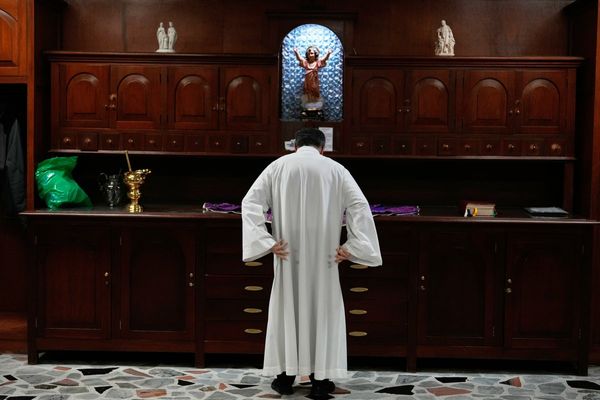
Funeral services would resume with close relatives only, up to a maximum of 15 allowed to attend. Church masses remain banned to the displeasure of both Italian bishops and the faithful.
Italy's Roman Catholic Church is very unhappy at the government's refusal to allow Masses and other religious ceremonies to resume. I wonder how much this reprimand will hurt Conte. https://t.co/yVWTzWDHmJ
— Crispian Balmer (@crispiandjb) April 27, 2020
The fourth of May would also see the re-opening of manufacturing companies, construction sites and wholesalers. For the next important date, Italians would have to wait another two weeks, 18 May, when retailers will be able to go back to work and museums and libraries would open their doors.
More than a month away, 1 June, was the date set for hairdressers and gyms, bars and restaurants to be able to reopen but with significant changes to how they would operate because of the need for social distancing.
The prime minister told Italians that schools would not reopen until September, leaving many parents perplexed about what they would do with their children from now until then.